CISCRP Releases Results of the 2021 Perceptions and Insights Study

Captures impact of COVID-19 and evolving participant needs and preferences in clinical research

Boston, MA | January 27, 2022: CISCRP announces that it has published the results of the 2021 Perceptions & Insights Study in complimentary reports available on the CISCRP website. The study involved nearly 12,000 people from around the world and captures trends in attitudes, preferences and experiences associated with clinical research.

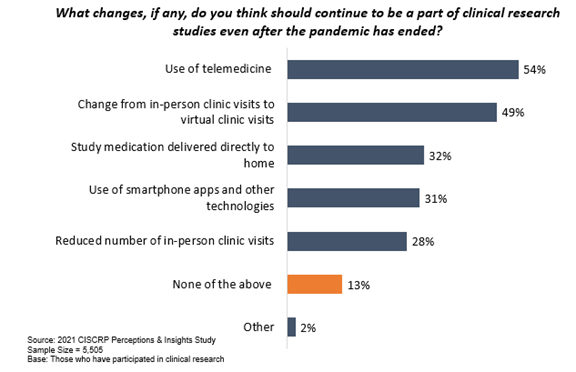
Results show mixed receptivity to changes in clinical trial execution during COVID-19: Fifty-four percent of clinical research volunteers, for example, think the use of telemedicine should continue after the pandemic has ended. 

A similar percentage, however, prefer having in-person clinic visits and direct interactions with research center staff. The study found that COVID-19 has not affected public and patient willingness to participate in clinical trials. The results also show an increase in public trust in research centers, government, and regulatory agencies.

The importance of diversity and inclusion in clinical research was another highlight of the 2021 study. Over 60% indicated the importance of knowing that research staff conducting a clinical trial are representative of the diverse patient communities enrolled.  

Year-round coordinated outreach efforts are essential to increase representation of diverse populations in clinical studies, not just when the need arises. Krystal Doucet, Associate Site Director, Benchmark Research.  “In clinical research, we tend to advertise when we have studies going on. You don’t see a lot of advertisements throughout the year just explaining the great things that come from clinical research,” she said.

Travel required to participate in clinical trials remains one of several major challenges for study volunteers. More than six-out-of-ten respondents indicated that traveling at least 30-minutes or more one-way for an in-person clinic visit was onerous. Growing use of virtual and at home clinical trial visits offer participants convenience with less disruption in their daily lives.

Stephanie Aleite, Patient Advocate, The Young Face of Arthritis, shares “The P&I study results very much reflect the thoughts of the patient community. One of the things I found interesting was the traveling to study clinics being burdensome; that’s especially true for patients with Musculo-skeletal diseases.  The desire to continue with virtual visits and shipping study medications, those are things I have heard from the community.”

“The recently conducted 2021 Perceptions & Insights study holds a lot of informative and surprising results and insights,” said Ken Getz, CISCRP Founder and Board Chair.  “We’re delighted to make the study results available to all clinical research stakeholders free of charge, and we encourage ongoing use and discussion of the findings and their implications.”

The 2021 Perceptions & Insights executive summary reports are available on the CISCRP website under Research Services (www.ciscrp.org).

For further information on the 2021 Perceptions & Insights study, please contact Annick de Bruin, Senior Director, at adebruin@ciscrp.org or 617-725-2750 ext. 400.

Paying It Forward: Advocating for Others in Clinical Research

CISCRP hosted a 3-part webinar series titled “Navigating Rare Disease and Clinical Research: Every Patient Matters”. This article brief is based on the third episode, “Rare Disease Clinical Trials: After Participation, Paying It Forward”. Moderated by Britta Dornan, Senior Director of Communications and Marketing at EveryLife Foundation for Rare Diseases, panelists included Ryan Colburn, Rare Disease Patient Advocate, Pompe Disease, Dr. Kim Stephens, PhD, President of Project Alive and Marc Yale, Advocacy and Research Coordinator at the International Pemphigus and Pemphigoid Foundation. You can access the webinar recording here.

To “pay it forward” is a philosophy popularized by author Catherine Ryan Hyde’s novel of the same name, where acts of kindness received are not reciprocated to their originator, but forward through the world, creating a ripple effect of good deeds, both big and small. This sentiment is shared by many members of the clinical research community, via the avenues of clinical trial participation, advocacy, and awareness.

“I am a big proponent of paying it forward, sharing your story and experiences for others to benefit. That’s why I created a blog for my rare disease, lymphemadiary.com,” says Britta Dornan, a rare disease advocate, communications professional with EveryLife Foundation for Rare Diseases, as well as a rare disease patient for over three decades. Lymphedema (LE) is a chronic lymphatic disease that can be hereditary, or can occur after a surgical procedure, infection, radiation, or other physical trauma. (1) Despite wearing compression garments 24 hours a day, Britta skis, is a runner and has climbed the Great Wall of China. “I am determined to challenge my limits, rather than let LE limit my challenges,” says Britta.

Marc Yale views becoming an advocate and choosing to participate in a clinical trial as being intertwined concepts. It took six months for Marc to be correctly diagnosed with Cicatricial Pemphigoid, a rare autoimmune skin blistering disease. (2) 

“I was kind of angry, I was like ‘How come nobody knows about this disease?’ I understand it’s rare, but shouldn’t doctors know about this? As a patient, you go to the doctor and expect them to be able to answer your questions,” says Marc. In order for more doctors to understand and know about this disease, Marc realized he had to become an advocate for himself and others and create awareness about it.

While seeking a diagnosis, Marc lost the vision in his left eye to the disease. “I was in sort of a desperate situation.  I had to take aggressive steps and so I thought, ‘What about a clinical trial?’” recalls Marc. He applied for a clinical trial in France, but he did not meet the inclusion criteria. The experience spurred him on to advocacy efforts.

“What else can I do to advocate for people with my disease so that they don’t have to go through what I was going through? That was the “aha” moment for me, where I decided that I am going to crank disease awareness. I decided that I wanted to become an expert about it, so that when I get into a room with researchers, I know what I am talking about,” says Marc.

He initially volunteered with the International Pemphigus and Pemphigoid Foundation and helped create a peer health coach program, before joining as staff. “I found a community of people that was experiencing what I was experiencing, and it really gave me a lot of hope,” says Marc. He later focused his efforts on the legislative and policy side of advocacy. “Policy and regulation and changing those things is really my calling,” says Marc.

Britta adds, “Working to impact and change policy is a long game. It can sometimes feel like Sisyphus, you’re rolling and rolling and pushing that boulder up the hill, and it keeps rolling back over you down the mountain.” Maintaining focus on the end game of effecting change, is key.

“My son Cole was diagnosed with Hunter Syndrome when he was 2 and a half. Immediately, I was thrown into the world of rare disease, not having any experience in that area at all, but knowing that I needed to find our next steps. We jumped into the clinical trials world,” says Dr. Kim Stephens, PhD. Hunter Syndrome is a rare progressive disease almost always occurring in males, where the body does not break down sugar molecules. Cases range from mild to severe, and life expectancy may be shortened. (3) Cole qualified for the trial, but it was placed on hold for two years. Cole entered the trial at age four and a half and has been participating in the clinical trial for over six years.

Kim’s experience as an executive communications professional strengthened her skills as a patient advocate for her son, as well as others impacted by the disease. Her work includes serving as President of Project Alive, a non-profit organization dedicated to research and advocacy for Hunter syndrome. Her role includes meeting with clinical researchers to provide input about clinical trial design. “I want to make sure that all the clinical trials are successful in our space, because we can’t afford to have any boy in a clinical trial that is going to fail. There’s a real urgency for me to get out there,” says Kim.

“Sometimes, we look around for someone else to step up and then we’re like, ‘But what about me?’” says Kim. “A lot of our motivation is, if we can help someone else not go through what we’ve been going through, then that’s a big plus. As advocates, we’re always there saying ‘Well, what about this, or have you thought about this?’ and thinking more broadly. I’m urging companies now to treat boys that are older, not just doing treatments for newborns through five-year-olds – what about the boys who haven’t been able to be in a clinical trial? Really thinking about how can we include as many patients as possible in a clinical trial.”

“I don’t think I ever thought, even to this day, ‘Oh, I am going to be an advocate’” says Ryan, a patent-holding engineer who was diagnosed with Pompe disease in 2015. Pompe is a rare disease that disables the heart and skeletal muscles. (4) “When I got diagnosed, I tried to learn about the disease, for myself, just so I understood what it was. I continued to figure out that there were a lot more questions that I had that did not have answers, than the ones that did have answers. My mindset about clinical trials is that they’re about participation, and they are also one of the ways we can ask questions and learn something about our disease.” Ryan’s clinical trial participation is now in the double digits.

“Trials can be these long multi-year things, or they can be a day long. Some of them have been as simple as giving a blood sample, so that we can learn new techniques to do newborn screening. Some of them have been traveling regularly to get an experimental treatment injected into your veins. Participation has to make sense for you. It should not be like this sacrificial hero’s aspiration,” says Ryan.

There are tremendous benefits of paying it forward and making contributions that play to one’s individual strengths.

“It was cathartic to be able to do something, and for me, it was part of that healing process, in coming to terms with my condition. That power that I lost when I was diagnosed, I gained back by being able to do something to help others,” says Marc. “You have to ask yourself how can I take this lived experience and make it better for somebody else?”

“I am sort of a political science nerd, so I love going to The Capitol and talking with the Senators and our Representatives. I think of it as I am creating this broad network for myself and for my community, because I don’t know what we’re going to need in the future, and you never know who you are going to influence,” says Kim.

“You don’t have to go all in. It starts by doing something, and you do something a bunch of times, and all of a sudden, you’ve really done something. It doesn’t have to be this big, daunting thing in front of you,” says Ryan.

“Paying it forward is the idea of empowerment and taking back control. We may have these diseases, but they don’t have us,” says Britta.

You can view part-one of the series, “Rare Disease Clinical Trials: Being Informed About Clinical Research” here and part-two, “Rare Disease Clinical Trials: How to Prepare for When the Clinical Trial Ends” here.

Access the companion infographics:

  • Clinical Research Participation Roadmap | Part-one here.
  • A Garden of Questions to Ask Before the Clinical Trial Ends | Part-two here.
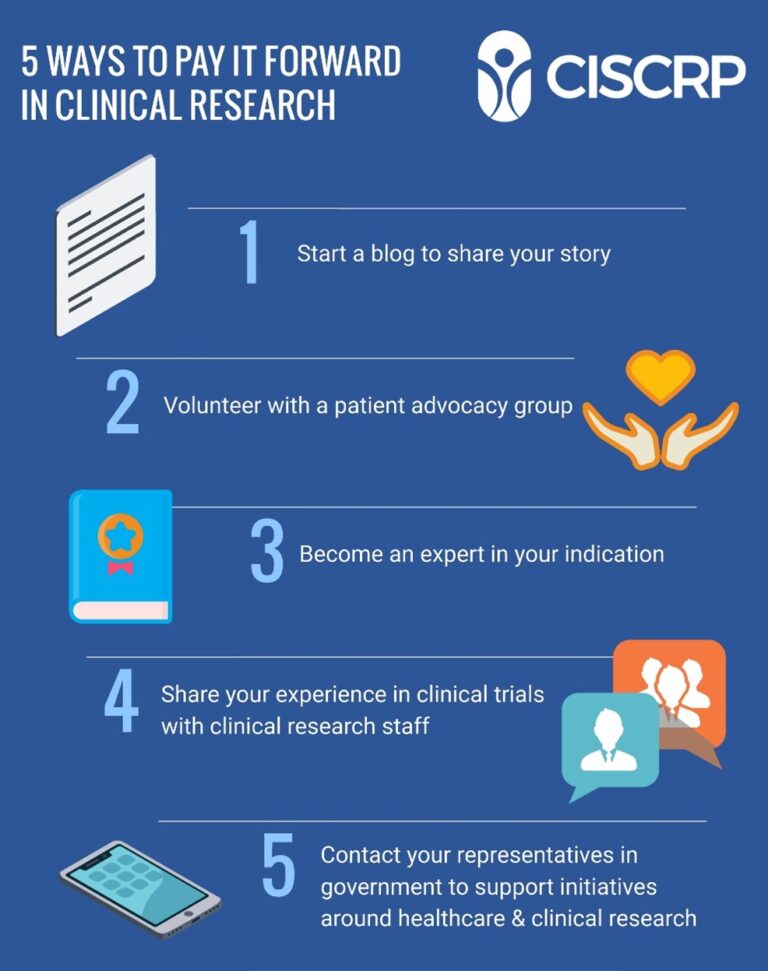
  • Paying it Forward in Clinical Research | Part-three here.

To search for medical conditions in a specific location, visit our Search Clinical Trials page.

To stay informed about clinical trials, visit our Resources page.

Sources:

Written by Melissa E. Daley, Communications & Marketing Manager, CISCRP

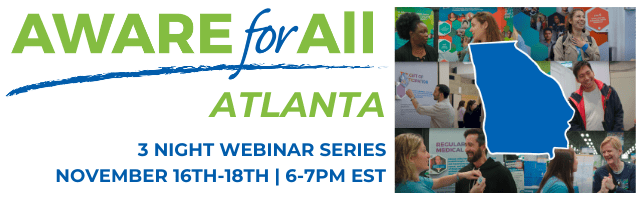
AWARE for All – Atlanta Event Overview

On November 16-18, 2021, CISCRP hosted theAWARE for All – Atlanta virtual event, the fifth and final event in 2021. With a different format from previous events, AWARE for All – Atlanta was held over several nights as a series of webinars to offer more clinical research information and resources. This event was city-based, tailored to the Atlanta, Georgia community and featured clinical trial participants, healthcare professionals, and exhibiting organizations.


The event’s first night focused on sharing an overview of the clinical trial process with attendees. Rabih Dahdouh, Clinical Research Associate of the Center for Health Equity Transformation, explained what clinical trials are, how trials are conducted, why people join, the important role of clinical trials, and how clinical trial participants help to advance medical treatments for everyone. As Rabih explains, “Our ability to live long healthy lives is due to the participation of clinical trial participants.” 


The second night, attendees had the opportunity to hear from a panel of clinical trial participants who shared their experiences and perspectives in a lively discussion. The panel included: 

  • Tina Berry, Oncology Trial Participant and Project Manager,  Northside Hospital Cancer Institute 
  • Terp Vairin, Mental Health/Depression Trial Participant 
  • Melissa Hardman, Trial Participant, Founder & CEO of Faces of Research, LLC 
  • Ashley Nealy, COVID-19 Trial Participant 
  • Glenn Bachmann, Lymphoma Trial Participant 

The panelists shared their own clinical trial stories and discussed important topics like informed consent, compensation, and the obstacles that can prevent people from joining a trial. Melissa Hardman, who has experience as both a trial participant and  healthcare professional, noted the importance of making clinical trials accessible to all, sharing, “The ability to participate in clinical research should be the next step in the healthcare process for patients, not a daunting process. Access to clinical trials is ultimately access to healthcare.”


The AWARE for AllAtlanta  event concluded with a final panel discussion with healthcare and research professionals who shared their experiences. The panel included:   

  • Phyllis Kaplan, Diabetes Trial Participant, Sr. Manager of Events & Community Engagement, CISCRP 
  • Meghan Mckenzie, Principal Inclusion, Internal Partnering in Chief Diversity Office, Genentech 
  • Leah Szumita, Director of the Clinical Trial Support Center for the Leukemia & Lymphoma Society 
  • Zach Mitchell, Director of Business Operations & Recruitment, iResearch 
  • Tamara Wakhisi, Medical-Surgical Research Supervisor, Oncology, Northside Hospital – Central Research Department 
  • Yolanda Little, Diverse Patient Recruitment and Retention, Novartis 
  • Mary Slomkowski, Director, Clinical Management CNS, Otsuka 


The panelists shared their passion for clinical research and how they work with community members, discussing important topics like the importance of diverse representation and how the industry is working to overcome barriers to participating. Leah Szumita, explained the importance of building awareness and education at the community level, noting, “Clinical trials are the key step to advancing treatment. We need to increase awareness and participation across the board.”  


Throughout the event, attendees were able to navigate to the Informational Exhibit Center, a virtual exhibit hall that offers resources and information from over 30 health and wellness organizations in the Atlanta community and across the country. Exhibitors include Pfizer, Biogen, Janssen, Otsuka, IQVIA, CSL Behring, EMD Serono, WCG, Novartis, and Genentech.  


Visitors can also connect with Atlanta-based organizations such as SisterLove, RedMoon Project, iResearch Atlanta, Georgia Ovarian Cancer Alliance, Diabetes Association of Atlanta, and many more. 


If you missed the AWARE for All – Atlanta event or would like to tune in again, the recorded webinar and Informational Exhibit Center remain accessible here.

View more AWARE for All events here.

To stay informed about clinical trials, visit our Resources: https://www.ciscrp.org/education-center/resources/

To search for medical conditions in a specific location, visit our Search Clinical Trials page.

The Importance of Clinical Research: Medical Heroes Appreci-a-thon Article Featured by USA Wire

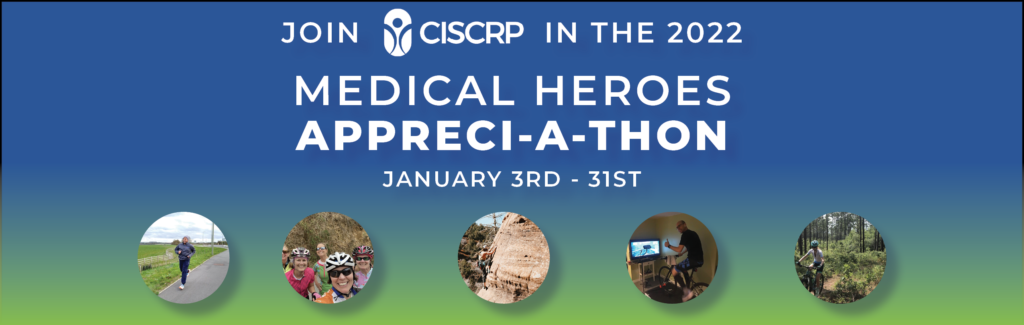
CISCRP’s 4th annual Medical Heroes Appreci-a-thon event promotes staying active while learning about the importance of clinical research participation.

This is a free, virtual activity challenge that is open to the public and will be held January 3rd-31st. The Medical Heroes Appreci-a-thon brings the public and global clinical research community together to express their appreciation for all “Medical Heroes”  clinical trial volunteers, medical and healthcare professionals, and researchers. 

Racers can log their activity throughout the month of January, with each measurement of activity converted into miles that will pin-point teams on the virtual course. This year’s virtual racecourse will wrap around the coastline of Oahu, with scenic views for participants to enjoy every mile. 

Written by: Lindsey Elliott | lelliott@ciscrp.org

Read the full article on USA Wire here.

 Visit the 2022 Medical Heroes Appreci-a-thon page for more information.

Working Towards A More Inclusive Environment: Transgender & Non-Binary Participants in Clinical Research

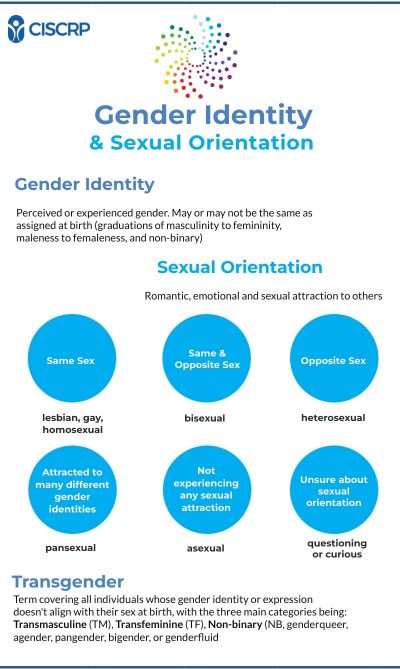
Members of the transgender and non-binary community face myriad challenges during healthcare interactions, including unequal treatment and inappropriate curiosity from healthcare staff. Additionally, there is a widespread lack of understanding of specific transgender health needs and difficulties assessing approaches to healthcare by medical professionals. As a result, 37% of transgender people and 33% of non-binary people responding to a recent survey, reported having avoided medical treatment for fear of discrimination. 62% of transgender people said they have experienced a lack of understanding of specific trans health needs by healthcare staff. (1) A report published by the UCLA School of Law Williams Institute reports that 1.4 million adults in the United States identify as transgender. (2) Colleagues at Parexel International recently conducted a comprehensive review of current medical literature to assess the barriers that transgender and non-binary individuals face to medical care and clinical trial participation, in an effort to enhance the clinical research environment and promote inclusivity.

Gender-Identity-Sexual-Orientation

“We spent quite a lot of time speaking with members of the transgender community and we had a patient advisory council meeting at Parexel where we invited members of the community to speak with us, so that we could listen and learn how we can do better as an industry,” says Rosamund (Roz) Round, Vice President, Patient Innovation Center & Decentralized Trials, Parexel International. Recommendations included strategies for clinical site staff and transgender and non-binary individuals seeking health care in general, as well as through participation in clinical research.

Respecting the Individual
“It’s all about the lived experience of the patient. When we think about health professionals and health professionals who run clinical trials, they have to have an understanding of the transgender community, including things such as pronoun use, life experiences, health practices- all of those things are a foundation for making it a more inclusive environment for all transgender patients,” says Liam Paschall, Global Business Training Partner at Parexel, a transgender man who knows how critical and life-altering inclusive healthcare and clinical trials can be to members of the LGBTQ+ community.

“I think for anyone who is new, (to providing medical care to members of the transgender and non-binary community) the important thing is to know that you might not get it right every time, but it’s important that you learn,” says Roz. “If you use an incorrect pronoun, for example, the important thing is to apologize, move on and do better next time.”

Providing Education & Training for Medical Staff
Liam points to the importance of providing education and training for clinical research and other medical staff. Key topics to cover include the differences between biological sex, sexual orientation, gender identity and gender expression.

“We can do all the work that we can on getting the intake forms right and our systems correct, but if every member of a particular facility, hospital – wherever it is – is not fully educated and trained on how to work with trans patients, it’s not going to change,” says Liam. “It comes down to the individual. Every single person who comes into contact with that patient has to know how to talk to that patient, has to know the right questions to ask, has to understand that they can’t react a certain way, for example, if there is a transgender female, who they feel doesn’t necessarily look the role of being female. It’s all about respect.”

Dr. Sebastian Barr, a licensed psychologist and transgender man who specializes in helping institutions and healthcare providers adopt affirming, inclusive and evidence-based practices in both clinical work and research with members of the transgender community, underlines the importance of cultural humility training and education for staff at every level.

“There is true complexity in the diversity of different biological components that transgender people bring, but what I would remind people of is that there is huge diversity in non-transgender people’s bodies and biologies, as well,” says Sebastian.

Bridging the Trust Gap
There are historical and current reasons and examples as to why there is mistrust of the health care system by transgender and non-binary community members. To bridge this trust gap, Sebastian advises recognizing the diversity within the communities.

“There is a lot more marginalization and oppression of trans women, trans people of color, trans women of color, and non-binary folks,” says Sebastian. “How do we tell the trans community that we have their best interests at heart? We make sure that we are talking to everyone.”

Sebastian also recommends building relationships with community organizations and community members who can facilitate recruitment for clinical research and coordinate advisory boards so that “…you’re not just telling people that you’re trustworthy, but you’re demonstrating that you are and that you have actively considered their participation.”

Modifying Intake Forms
The majority of intake forms in medical settings that Liam has viewed are not representative of the transgender community. “It’s hard to get people to share, in terms of their identity and sexual orientation, when it doesn’t seem like the intake forms and the questions being asked are inclusive of who we are,” says Liam.

“In medical systems, we do a lot of gendering. Everything from records, lab results, the way that we talk about anatomy, in the way that we talk, even casually, about patients. Forms are a really important starting point,” says Sebastian. “Actually integrating what people are telling you about themselves and integrating that with how you and your colleagues are discussing who you are working with is a critical next step.”

Reviewing Protocols
Roz recommends that clinical research professionals conduct protocol review sessions to ensure that there are not items built into the protocol that are inadvertently exclusionary. In a conversation with a member of the scientific community, Roz learned that historically, there had not been transgender and non-binary participation in clinical research because it was not written in the protocol.

“Things evolve and the world changes. The scientific review of protocols to see what is really necessary and the need to enable diversity within protocols, where possible, is really important,” says Roz. “Just because it never has doesn’t mean that it can’t.”

Developing a strategy that includes working with patient advocacy groups, patients and caregivers in the actual design of the clinical trial protocol is key.

Removing Barriers to Participation in Clinical Research
In order to remove barriers to participation in clinical trials for the transgender and non-binary community, Liam advises that clinical research professionals recognize “…things like accessibility, language, confidentiality concerns, make sure we’re not ‘outing’ people, cultural humility training for the staff, sexual orientation and gender identity inclusive intake forms, strategies for public outreach and education, financial reimbursement for expenses, and trans-specific resources in general would be a big help.”

Another step is providing non-gendered spaces in medical facilities. “Creating gender neutral bathrooms is really critical and not challenging, operationally, to do, for example. And it can be a really big difference about how comfortable someone feels or their fear of being revealed,” says Roz.

Involving Community Members as Part of the Health Care Team
“I would recommend that the transgender community not be involved in clinical research where there isn’t an identifiable transgender person involved on the team,” says Sebastian. “I know that sounds severe, but there’s so much risk of harm. Look to see who’s guiding the project and if it will be safe for your involvement.”

Liam adds “There’s a lot of drugs that behave differently from one population to another. So whether there’s a transgender person at the medical facility or not, (medical professionals need to) really understand the differences, at the clinical trial stage, that could leave transgender patients at risk of an avoidable safety issue. Having a diverse and inclusive study population does help to ensure an adequate understanding of how the drugs work and how safe it is across the target population.”

In order to design clinical trials that are truly inclusive, clinical research professionals need to have an understanding of the transgender and non-binary community as a whole. To learn more, access the webinar “Improving Access to and Experiences of Transgender and Non-Binary Patients in Clinical Research” here.

Written by Melissa E. Daley, Communications & Marketing Manager, CISCRP

Access a post webinar Q&A educational resource here.

To search for medical conditions in a specific location, visit our Search Clinical Trials page.

To stay informed about clinical trials, visit our Resources page.

Sources:

(1) LGBT in Britain; Health Report. Stonewell, 2018 and 2015 US Transgender Survey

(2) Report: How Many Adults Identify as Transgender in the United States?, UCLA School of Law, Williams Institute

Clinical Trial Participants’ Selfless Gift to Medicine

By volunteering to participate in clinical trials of new and experimental treatments, medical heroes give society valuable knowledge about the nature of disease, its progression, and how — and how not — to treat it. Participation always carries some risk, offers some hope for a treatment, and even offers some hope for a cure, but it is likely to bring no direct personal benefit to those who volunteer. As such, medical heroes ultimately give a gift that will benefit future generations of patients.
Facing the challenge

For the vast majority of people, clinical trials are an abstract concept that have little to no personal relevance. Most people take a hard look at clinical trials for the first time when facing the sudden and often unexpected prospect of a serious and debilitating illness for which no medication is available or adequate. Typically, patients, their families, their friends, and their healthcare providers must gather information quickly to understand how the clinical trial process works, the requirements of participation as defined by the study protocol, and whether participation is appropriate. This rush to navigate and master the unfamiliar terrain of clinical trials invariably feels overwhelming and confusing, and once in a clinical trial, many volunteers find the requirements and demands of participation difficult to manage.

Raising awareness

In 2003, the Center for Information and Study on Clinical Research Participation (CISCRP) was founded to provide outreach and education to those individuals considering participation in clinical trials and their support network. Based in the Boston area, this nonprofit organization serves the global community of patients and the public by raising awareness and providing education about clinical trials and by enhancing study volunteer experiences during and after clinical trial participation. Our many events and services are designed to improve public and patient literacy; to engender feelings of empowerment and control; to ensure more informed decision-making, improved convenience, and accessibility; and to recognize and appreciate the medical heroes that inspire us. This special USA Today supplement also plays an important part in raising awareness and literacy. It is a reference resource offering an introduction to clinical trials and providing valuable information to help you and your support network navigate the participation process.

At the present time, nearly 6,000 experimental drugs and therapies are in active clinical trials, and that number continues to grow as improvements are made in detecting disease, discovering new medical innovations, and understanding and addressing the root cause of acute and chronic illnesses. At the very heart of all of this promising, lifesaving, and life-altering activity are medical heroes to whom we owe our deepest appreciation for their profound gift of participation. 

Written by: Ken Getz | Founder and Chairman, CISCRP

Article from 2021 Clinical Trials Supplement, USA Today. View Supplement Here >

What Does a Caregiver Need?

Sponsored by: Bristol-Myers Squibb

Dealing with significant health challenges requires expert medical care and the support of committed caregivers who always have the needs of the patient in mind. But what do caregivers need to do this effectively? When Don Selmon’s wife, Carla, was diagnosed with cancer, he found his sudden role as her caregiver overwhelming. “There is so much information to process and keep track of,” he says. “There is simply too much data to try and remember not to use some sort of system. I personally created Excel spreadsheets so I could keep track of drugs she was taking for side effects, daily vitals, upcoming scans and appointments, question sets when meeting with our trial doc, etc.”
Selmon’s experience as his wife’s caregiver quickly showed him how vital that role is. “We can’t sit still with an enemy like cancer,” he says, noting that as a caregiver his roles included “cheerleader, confidant, shoulder to vent on — always doing my best to have her back in meetings and in treatment.”

Another crucial role caregivers play is often overlooked: helping patients discover clinical trials that can offer hope, relief, and, possibly, the greatest gift of all: more time.

Finding clinical trials
“Caregivers play a critical role in helping patients process the information that they are hearing from their treatment team and help them weigh the options,” says Sharon Hanlon, head of clinical trial engagement and enrollment at Bristol-Myers Squibb (BMS). “They may play a role in the decision to participate in a clinical trial, doing some home-work on behalf of the patient to help with their decision.”

Caregivers often start with a simple online search to find out about clinical trials. Web resources like clinicaltrials.gov can be easy to find, but trying to use because the trial descriptions can be difficult to read, and often assume a medical background that many caregivers lack. To help caregivers more easily access this crucial information, many pharmaceutical companies have created patient-focused websites that make it easier to identify appropriate trials.
“Ours is BMS Study Connect,” says Hanlon, “which utilizes patient-friendly language to help simplify the process and help make the journey easier. We also provide informational resources such as patient stories, such as the one here of the experience of a patient and caregiver during their clinical trial.”

At Study Connect, patients or their caregivers can use straight-forward tools to find potential clinical trials they can participate in. Even though the site is run by BMS, Study Connect searches all possible trials, even those not sponsored by BMS, something similar websites don’t offer.

Supporting caregivers
Despite their vital importance, the tremendous — and sometimes exhausting — efforts caregivers contribute is not always visible. “I often say that caregivers are the forgotten member of the patient experience,” Hanlon says, noting that they often experience feelings of powerlessness and stress around the experience. Caregivers are just as much in need of emotional and practical support as the patients they’re looking out for, and companies like BMS have also set up online resources where caregivers can exchange information and support each other.

“Web communities present an outlet for caregivers,” Hanlon says, “providing access to information.” For example, BMS participates in the Inspire Community making it available for patients, caregivers, and healthcare professionals. Members of the forum can support each other emotionally, compare notes, and discuss trials they have learned about or are participating in. 

Inspire surveyed patient and caregiver members about clinical trial perceptions in late 2018, and found that almost a third — 31 percent — of all respondents had tried to sign up for a clinical trial, and 21 percent agreed with the statement “clinical trial information is too confusing.” As a result of this information, now many Inspire communities have sections that are devoted specifically to clinical trial discussions to provide support and further information.

However, different people use Inspire in different ways. For Don Selmon, it was a vital connection to shared experience. “I utilized Inspire to learn more about the reported impacts of various treatments,” he says. “It was of great benefit to me as it helped me pre-pare as a caregiver for what might come from my wife’s treatment and how best to help her.”

Sometimes that connection is the best help a caregiver can receive. As Hanlon notes, “Sometimes the simplest connection is often the most impactful!”

Article from 2019 Clinical Trials Supplement, USA Today. View Supplement Here >

Expanding Clinical Trial Access for Women Living With HIV

Written by: Jan Nissen, BSN, MBA, MS Pop Health, VP Patient Innovation & Engagement, Merck & Co., Inc

For over 30 years, Merck has been committed to improving the lives of people living with HIV. In those three decades, there have been remarkable advances in therapies to treat and monitor the disease. Today, however, the people who are infected with HIV is changing; there is a silent epidemic of women living with HIV, requiring new ways of understanding the needs of people living with HIV and developing more effective options for treatment and care.

Globally, there are 18.8 million women and girls living with HIV and approximately 870,000 new cases annually. That means every 80 seconds, a young woman becomes infected. Designing clinical trials for these women presents challenges given their unique barriers. From a cultural, social, and economic perspective, many women with HIV are not aware of or willing to participate in clinical trials. We want to change that.

Connecting through the community
Merck is working with community outreach groups and women living with HIV to understand the burden of the disease and what solutions might help. Partnering with female patient advocates (patients who publicly support or make recommendations for a disease) has helped us to listen and learn about known barriers to clinical trial engagement and to develop a female-focused recruitment strategy for our clinical trials. A community advisory board also helps generate solutions that address patients’ questions and helps them overcome challenges to participating in a clinical trial such as transportation or even child care.

Kathleen Squires, M.D., Merck Scientific Affairs, reiterates the importance of evolving our approach to better meet the needs of women with HIV. “Less than 20 percent of HIV clinical trial participants are women. Women may be at higher risk for complications, and we need to understand these risks and address their concerns and needs if we want to design effective trials and medicines.” Bringing meaningful input from women living with HIV into the design of clinical trials helps us partner with patients to make trials more women-friendly.

Article from 2019 Clinical Trials Supplement, USA Today. View Supplement Here >

Adolescents in Clinical Trials & the RACE for Children Act

Authored by Melissa E. Daley, Communications & Marketing Manager, CISCRP

Clinical trials are standard common practice in cancer treatment for children, adolescents and young adults (AYA). The RACE (Research to Accelerate Cures and Equity) for Children Act requires that medications that are used to treat adult cancers also be assessed for use in pediatric populations, if certain criteria are met. SMEs from ICON, a global provider of consulting, and outsourced development and commercialization services to pharmaceutical, biotechnology, medical device and government and public health organizations, and Children’s Minnesota shared their experiences treating adolescent and young adult populations in light of the RACE for Children Act in a 15-minute Flash Webinar.

“Pediatric cancer is quite a different clinical area. When a child to young adult is newly diagnosed or has relapsed or refractory cancer, providers first look to clinical trials for recommended treatment,” says Missy Hansen, MSN, APRN, CPNP, CPHON, Pediatric Strategy Liaison, Center for Pediatric Clinical Development, ICON a former nurse practitioner now working in pediatric clinical development. “Even if there isn’t an open trial for the child to be enrolled on, providers will often recommend treatment according to a trial, if that trial is what we know to be the best treatment option for that child’s disease.”

It’s important to provide clear and complete information about clinical research participation to parents, caregivers, and pediatric/AYA patients.

“We have to educate families on what a clinical trial is. A lot of times, when a parent hears the word ‘trial’, they think it’s experimental. It’s really looking at what can give you the best quality of life and event-free survival,” says Lori Ranney, DNP, APRN, CPNP, CPHON, Children’s Minnesota, a nurse practitioner. “We look at the family as a whole, and if it’s appropriate, involve children and AYA populations in the discussion.”

Hospitals and other treatment facilities may also include their child-family-life interdisciplinary teams and social workers to provide additional support and resources.

Children’s Minnesota is a large pediatric oncology institution that also has a well-known referral center. About 90% of eligible patients are treated through participation in clinical trials. Children’s Minnesota works to partner with the four surrounding states – Wisconsin, North Dakota, South Dakota, and Iowa – with the goal of bringing care closer to home for patients.

“The RACE for Children Act is updated legislation that went into effect in the summer of 2020. It specifically targets pediatric cancer. The intent is to get more cancer drugs studied in children, thereby ultimately getting new and improved and aid-proof drugs to the children,” says Missy. The RACE for Children Act expands prior legislation and policies designed to increase the development of pediatric drugs, treatments and therapies and eliminates the orphan exemption for pediatric studies for cancer drugs directed at relevant molecular targets (1).

One way to provide medications and treatments to children, particularly in a rare disease space, where there is a limited number of patients, is to consider that some adolescents may be able to receive similar dosages that adults receive, particularly older adolescents, due to their underlying organ maturation. Taking a patient’s physical maturation into account allows for more adolescents to participate in clinical research, even if they are not yet 18 years old. Minor children (under the age of 18 years old) cannot legally provide informed consent to participate in clinical research. They are asked to provide “assent” or “dissent”, meaning they agree or do not agree to take part. To participate in this process, the child must be mature enough to understand the trial and what it entails. (2)

Children’s Minnesota’s AYA Center tailors care to adolescent’s and young adults’ distinct needs, which can significantly impact outcomes. “We strive to make our AYAs feel individualized,” explains Lori. “We have formed a team of physicians, nurse practitioners, and nurses that focus on AYA patients and their individual needs. The AYA population is a unique one. We want to make sure we are helping them gain independence, by looking at what is important to them, such as friends, school and socialization. We have also formed an AYA support group, where patients go out and do fun activities together, so they can see that there are other people living like them, that can connect to in ways that they can’t necessarily connect to their other friends.”

You can learn more by accessing the webinar recording here. View CISCRP’s library of webinars and podcasts here.

To search for medical conditions in a specific location, visit our Search Clinical Trials page.

To stay informed about clinical trials, visit our Resources page.

(1) https://acrpnet.org/2020/08/19/race-for-children-act-opens-new-avenues-for-pediatric-oncology-drug-development/

(2) https://www.cancer.gov/about-cancer/treatment/clinical-trials/patient-safety/childrens-assent

Rare Disease Clinical Trials: Being Informed about Clinical Research

Authored by Melissa E. Daley, Communications & Marketing Manager, CISCRP

CISCRP hosted a 3-part webinar series titled “Navigating Rare Disease and Clinical Research: Every Patient Matters”. This article brief is based on the first episode, “Rare Disease Clinical Trials: Being Informed”. Moderated by Christian Rubio of Global Genes, panelists included Dr. Jahannaz Dastgir of Goreyeb Children’s Hospital of Morristown, New Jersey, Melanie Havert of Rare Patient Voice, Jenn McNary, Founder of One Rare, and Stephanie Loomer, Project Manager, CISCRP. You can access the webinar recording here.

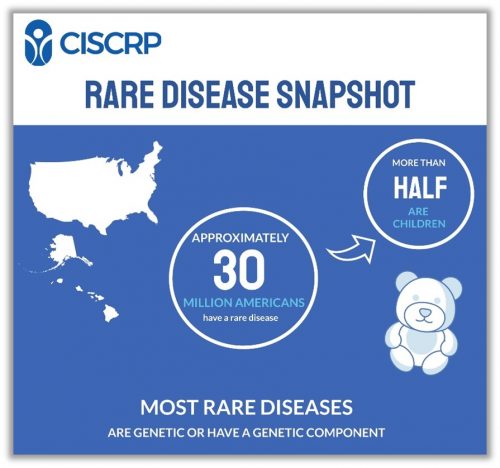
rare disease snapshot 1

The biggest difference between common disease and rare disease clinical trials is “…probably the amount of people that can be enrolled in the trial,” says Dr. Jahannaz Dastgir, Director of Clinical Research, Applied Therapeutics and Lead Physician at Atlantic Health System’s Pediatric Neuromuscular Program. “With conditions like diabetes or heart disease, for example, you could have very large numbers of patients. In rare diseases, you would have a much smaller number, because there might be 20 cases of the condition, worldwide. You have to work out the statistics to make sure you have the right amount of data over the right amount of time to get the study to be statistically significant so that the drug can be approved.”

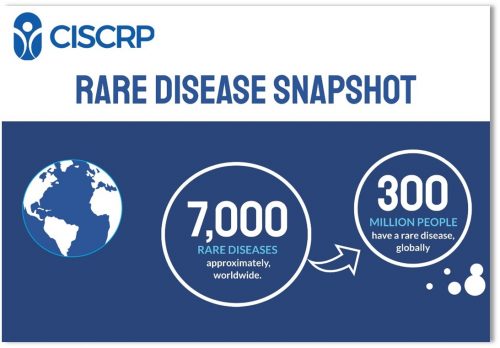
A disease or condition is classified as “rare” in the United States if it affects less than 200,000 individuals. This definition varies in other parts of the world. For example, in the European Union, a disease is defined as “rare” when less than 1 in 2,000 individuals are impacted. While there is no exact count, it’s estimated that there are approximately 7,000 rare disease effecting 25 to 30 million Americans (1) and over 300 million children and adults globally, roughly 3.5% to 5.9% of the population (2). Conducting clinical studies in the rare disease space to find safe and effective solutions is a collaborative effort by stakeholders in the clinical research enterprise including patients, patient advocates, product developers and medical research professionals.

“Our clinical trial journey really started with me having no knowledge of clinical trials,” recalls Jennifer McNary, a mother of four, rare disease patient advocate, educator and founder of One Rare, a nonprofit organization whose mission is to improve experiences for the rare disease community through education, mentoring and peer support. Jennifer’s connection to the rare disease community is particularly poignant.

“My three sons all live with rare diseases. My first two sons, are now 22 and 19, are living with Duchenne Muscular Dystrophy. I also have a third son living with 2 rare diseases, primary immune deficiency and congenital cholesteatoma. He is 13 years old. And I have a daughter who is healthy,” says Jennifer. When her two older sons were diagnosed as children, Jennifer was advised that “…there were no treatments, no therapies, there was nothing I could do and in fact, there were no clinical trials that we could think about enrolling in.” Jennifer took matters into her own hands and shares “I spent a lot of years raising money and funds for science and going to advocacy meetings.”

Jennifer also pursued clinical research as a healthcare option for her two older sons in hopes of changing the trajectory of their disease progression.

“Thankfully, when Max was 9 years old, and his brother, Austin was 12, we were allowed to participate in our first clinical trial. It was a lot of work to get to this point,” she recalls. Through personal connections, Jennifer learned about a clinical trial in Columbus, Ohio, at Nationwide Children’s Hospital. The clinical study was specific to a certain mutation in Duchenne Muscular Dystrophy.

rare disease snapshot 2

“I dug out my kids’ genetic report and I realized that my kids actually had this genetic mutation and could qualify for the study. When I called the (clinical research) site and asked them if my sons could be part of the study, they told me that there were a few things we had to do. The first thing was that we had to answer a few questions about the kids’ mobility and ability to walk. Unfortunately, because Austin was 12 and had lost the ability to walk at age 10, he was not able to enter the study or even be considered. But Max was the right age, has the right genetic mutation, and he was functionally the right kind of kid that they were looking for to bring into this 12-person study. And so, I packed up Max, and my newborn daughter at the time, Nora, and I left my three-year-old son and my 12-year-old non-ambulant son with some family and friends and we flew to Columbus, Ohio to meet with the doctors running the study,” says Jennifer.

At the time, Jennifer and her family lived in Vermont. Weekly travel to the clinical research center was required. “I didn’t have a lot of money and a lot of patients do not have the money to fly weekly, stay in hotels, get rental cars, so I wanted to make sure that this was all going to be reimbursed and that patients were not going to have to pay for their time in a study,” says Jennifer.

It’s important to ask questions about all aspects of the clinical study, so that you have a complete understanding of what it entails for both the participants and caregivers. Equally important, is that you feel comfortable and confident in asking questions to the research center staff- study coordinators and/or the Principal Investigator.

“One of the questions I asked when we were evaluating this study was what happens at the end of the study, if my child didn’t get the drug, do they continue to receive the study drug, (when the study is completed)? This is called an extension study. I always ask at the beginning of a clinical trial, is there an extension planned, and will all of these patients receive the active drug, if it works?” says Jennifer.

Melanie Havert is a patient advocate and project manager at Rare Patient Voice, which provides patients and caregivers with rare diseases an opportunity to voice their opinions through surveys and interviews to improve medical products and services. When she is discussing details with clinical research staff “A question I always like to ask is have any other people had this drug yet or are we going to be the first ones to try this? Of course, it’s tested extensively before it gets to people, but I like to know where we’re at, at that phase.”

“My instinct is to ask questions about the data that exists around this and why do they (clinical research staff) think it’s going to work. What do you know about this therapy that leads you to believe that it’s going to do something?” says Jennifer. She also advises that participants or caregivers need to ask about any lasting implications from participating in the study. “Ask that question because you don’t want to end up eliminating yourself from future clinical trials and from having flexibility to choose what therapies you want to take. Once you’re in a clinical trial, you often can’t change your current treatments.”

A common question that participants and caregivers ask is what the first day of a clinical trial is like.

“The first day can be pretty intense,” says Melanie. “In my experience, you get a stack of papers, and someone sits down with you and you spend a couple hours going over these papers, and they make sure that you completely understand what you’re about to do to participate in the clinical trial. They really walk you through the process.” (This is called Informed Consent and you can learn more about it here). There may also be blood draws and urine samples taken, along with other initial benchmark testing. “It really depends on the specific drug and how they are handling it that day. It’s pretty intense but it’s worth it.”

Dr. Dastgir adds “You will get additional testing that is part of the trial. And the results of these you may or may not be privy to. It’s really important to maintain the standard of care locally.” Dr. Dastgir says the care that a participant receives during a clinical study is “…an enhancement of care, better access to experts but not a substitution for the standard of care that you get back home with your local provider.”

Melanie observes that “Something that I’ve noticed is that when you go see your regular doctor, you can ask them questions and they have answers for you. When you’re in a clinical trial, it’s the doctors that are asking you questions, and you’re giving them the answers.” Participants can ask questions in a clinical trial, as well.

In the era of social media, patients and caregivers have unprecedented access to information sharing platforms. Dr. Dastgir says “Social media is the Wild Wild West in terms of what kind of information you’re receiving, and whether it’s correct or not. When people sign the consent form, there’s some level of discretion and confidentiality that exists, and whether or not that gets implemented is primarily good faith.”

Both common disease and rare disease clinical trials for children and adults are monitored by the FDA (Food and Drug Administration) the NIH (National Institute of Health) and IRBs (Institutional Review Boards). You can learn more about safety protocols in clinical research here.

“I do have a lot of faith in the safety of this system,” says Jennifer. “There are a lot of safety nets to capture adverse events and to protect children in studies. I am happy to report that this was a positive example of being in a clinical trial, because this therapy was approved based on the study that Max was in. We’re still on the hunt for the next best therapy, and we’re hoping to be accepted into another trial. I would give this experience a 10 out of 10.”

“Most rare diseases are genetic or have a genetic component and 75% of rare diseases are without a single FDA-approved treatment. On average, it takes an average of 7.3 years to receive an accurate diagnosis of a rare disease,” says Christian Rubio of Global Genes.  Clinical research is essential to addressing these disease states and indications in order to find treatments, therapies and cures.

You can view part-two of the series, “Rare Disease Clinical Trials: How to Prepare for When the Clinical Trial Ends” here and part-three, “Rare Disease Clinical Trials: After Participation, Paying It Forward” here.

To search for medical conditions in a specific location, visit our Search Clinical Trials page.

Access the companion infographics:

  • Clinical Research Participation Roadmap | Part-one here.
  • A Garden of Questions to Ask Before the Clinical Trial Ends | Part-two here.
  • Paying it Forward in Clinical Research | Part-three here.

To stay informed about clinical trials, visit our Resources page.

Sources
(1) https://rarediseases.info.nih.gov/diseases/pages/31/faqs-about-rare-diseases
(2) https://www.rarediseaseday.org/article/what-is-a-rare-disease

###