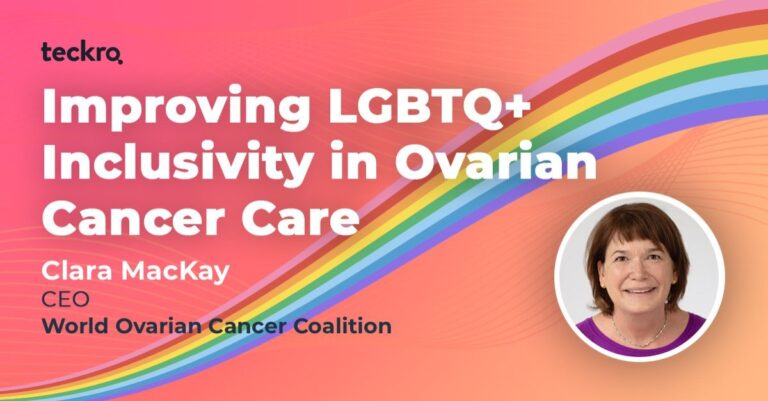
Improving LGBTQ+ Inclusivity in Ovarian Cancer Care

In 2021, when the World Ovarian Cancer Coalition surveyed our advocacy partner organizations about what topics they would like to see on the agenda for our inaugural Partner Meeting, LGBTQ+ inclusiveness was a frontrunner topic.

Many of the organizations that we work with do outstanding work in this area. However, and encouragingly so, there is increased recognition across the Coalition and within the global cancer community of the need to address the lack of diversity of data within cancer science. As well, there is a growing awareness of the need for relevant information, services and support to improve the experience of cancer care for those from the LGBTQ+ community.

From an ovarian cancer awareness perspective, there are specific messages for the LGBTQ+ community that need to be communicated. This includes busting myths, like the misconception that having your ovaries removed eliminates the risk of developing ovarian cancer. In addition, within the lesbian and bisexual communities, for example, fewer people take oral contraceptives, give birth, and breastfeed compared to heterosexual women – which are all factors that reduce the risk of developing ovarian cancer.

We also know that issues related to gender dysphoria, discrimination and adverse experiences with healthcare can impact a person’s willingness to trust or access health services.

Combating Barriers Facing LGBTQ+ Individuals

Our own work in this area started with a decision to run a LGBTQ+ focused awareness campaign during June under the banner of No Person Left Behind.

Our first step was to draw on the expertise within our partner organizations and stakeholders from the wider LGBTQ+ community. Noteworthy input came from Stewart O’Callaghan, founder of Live Through This and one of the Coalition’s partner organizations, Ovacome, and Tristan Bilash, a clinical oncology social worker, transgender man, and ovarian cancer suvivor.

I also participated in the LGBTQ+ focus group that Teckro sponsored, hosted by the non-profit organization CISCRP. Here, I listened to members of the LGBTQ+ community share their experiences with healthcare and clinical trials, and the steps that could be taken to improve these interactions.

The combination of all of these discussions has flagged-up some significant challenges that will take time to address, including:

  • Societal biases against the LGBTQ+ community
  • Mistrust by LGBTQ+ people towards healthcare providers and systems
  • Lack of awareness of ovarian cancer and the specific risks for those who are part of the LGBTQ+ community
  • The shocking lack of diversity that exists within cancer research, including clinical trials
    We need to work much, much harder to combat these barriers.

But I was also struck by some of the very simple and foundational ways we can make health services more welcoming and accessible to the LGBTQ+ community. We need to start with basic healthcare and then expand awareness and accessibility of clinical trials for this community.

Images and Words Matter

When it comes to something as personal as healthcare, people want to see themselves reflected back when they approach awareness information or a healthcare provider who will be privy to the most personal aspects of their lives.

Language is also key. Almost everyone we’ve listened to has shared a personal experience of completing medical forms that only offer male or female as gender options. They are not asked about preferred pronouns, or healthcare providers – either intentionally or unintentionally – use the patient’s “dead name.” (Deadnaming is the act of referring to a transgender or non-binary person by a name they used prior to transitioning, such as their birth name.)

Using the correct names and pronouns are meaningful ways to show respect, as they are wholly entwined with the concept of personal identity. Breaking the ice on this front can be as simple as health professionals sharing their own pronouns.

On a systemic level, it is also important to expand understanding that every person is a unique individual and should be approached as such. One of the most powerful stories we’ve heard is from from Tristan, a transgender man who is also an advanced ovarian cancer survivor. Tristan’s follow-up CA125 test was cancelled because the laboratory software restricted CA125 tests to female patients only. Tristan’s health card, and subsequent lab requisitions, reflect he is legally male so his test was automatically filtered out.

Everyone Deserves Best Quality of Life and
Chance of Survival

Many starting the journey into LGBTQ+ inclusivity worry about getting terms wrong or unintentionally offending people. One message that has come through quite clearly in our discussions is that mistakes will happen, and no one will get it right 100% of the time.

What is more important is that the conversations take place – and that they happen in good faith. Sincerity of purpose, genuine and honest dialogue, and being transparent about your limitations in knowledge and experience are the most important steps any person, organization, or company can take as they move towards building trust and a more inclusive future.

We can never truly know what it is like to be in someone else’s shoes, whether they be of a different economic status, live in another country, or identify a different way. As a Coalition, we acknowledge this and celebrate the diversity of our global community. And we are committed to our belief that every person with ovarian cancer deserves the best quality of life and best chance of survival – no matter where they live, who they love, or how they identify.

Written by Clara MacKay, CEO, World Ovarian Cancer Coalition

To read the original article and learn more, visit Teckro’s website here:  https://teckro.com/resources/blog/lgbtq-inclusivity-ovarian-cancer-care

To search for medical conditions in a specific location, visit our Search Clinical Trials page.

To stay informed about clinical trials, visit our Resources page.

Volunteer opportunities with CISCRP, visit our Volunteer page.


Put Your Customers in Focus With Patient Experience Mapping

Public health emergencies, staffing shortages, and disruptions to the global supply chain are just a few of the barriers the healthcare industry has encountered over the past several years. This environment has proven to be a challenge when delivering the high level of services that patients and customers have come to expect.

So what can healthcare organizations do to maintain resilience while ensuring their products make it to those who need them most? They must focus on their customer — the patient — and dedicate themselves to a patient-centric model. Experience mapping (sometimes referred to as journey mapping) allows organizations to build a competitive advantage by tapping into and thoroughly understanding their customers’ needs.

The techniques used in patient journey mapping can help companies identify opportunities to build trust and improve customer support while also enabling them to adapt to changing social, competitive, and geopolitical conditions. As the healthcare industry continues to evolve, it’s critical that organizations recognize patient experience mapping as more than just a tool to drive meaningful change — but a continuous practice required to remain competitive.

What is Patient Experience Mapping & Why Is It Important?

Research found that between 2010 and 2019, an average of 38 new drugs were approved each year — a 60 percent increase compared to the previous decade. With that number continuing to rise amidst increasingly volatile market conditions, organizations must understand where they fit into a patient’s journey if they want to improve productivity without sacrificing the value offered to patients. When deployed correctly, a patient journey map can organize and communicate information about how the company’s actions and customer interactions contribute to the success (or failure) of a patient’s treatment plan.     

What Patient Experience Mapping Does

Experience mapping explores what a person is thinking, feeling, and questioning during a defined period of time (for example, during a course of treatment). The results found during experience mapping make it easier to define a customer’s pain points, uncover growth opportunities, and re-align processes with desired business outcomes to benefit both the company and the patient.

Patient experience maps analyze the different stages of care and sort patient events into distinct categories. Below are a few examples of these categories:

  • Emotional — A patient who experiences needle anxiety may fail to adhere to the treatment schedule.
  • Medical — A patient’s pre-existing condition interacts with the treatment unexpectedly.
  • Practical — A patient who has difficulty getting to and from treatment centers due to a lack of transportation may opt to forgo treatment.

A clear picture of the patient’s experience makes it easier to design support services and resolve problems before they become significant issues or impact adherence. Furthermore, we can optimize patient programs more effectively by considering the patient’s well-being, loved ones, and journey during treatment. Patient experience mapping adds much-needed empathy to process optimization and can reaffirm a company as a leader in the mode of treatment and the service it offers.

Why Patient Experience Mapping Matters

Patient experience mapping is a crucial, proactive measure that can reveal ways to address process gaps or opportunities before beginning a new project or program. Whether the product is a surgical device that’s long been on the market or a prescription drug in its trial stage, patient support systems and change initiatives will benefit from a better understanding of the end-to-end patient experience.

Customer Service with Heightened EQ

Organizations looking to strengthen their patient-centric focus will explore implementing new care delivery models but may not recognize one of the most vital factors in customer care: emotional intelligence (EQ). Improving organizational EQ can help bridge the gap between distressed customers and a customer service team — and patient experience mapping can fast-track the emotional understanding teams need to de-escalate tensions with compassion.

Imagine a pharma company is rolling out a new drug and is preparing its customer service team to provide support for the product. By mapping out a patient experience prior to launch, a company can prepare its team to manage rightfully concerned customers with the sensitivity the situation necessitates.

Maintaining Adherence and Improving Outcomes

In the healthcare industry, ensuring patients can maintain their quality of life should be the first priority.

By concentrating on improving adherence rates and treatment outcomes, not only do patients benefit, but companies do as well. Patients following through with prescribed treatments drive refill rates and improved clinical outcomes, leading to stronger revenue and overall improvement in patient health. A patient experience map can serve as a great first step in identifying any barriers to adherence.

Patient journey maps may even help a company identify ways to support patients post-treatment, leading to product and service innovations that can bolster testimonials and garner trust from patients who may be considering other treatment methods.

To read the full article and learn more about SEI, click here.

Written by Kellie Duci and Alex VanderEls

Learn more about CISCRP’s Research Services here.

To search for medical conditions in a specific location, visit our Search Clinical Trials page.

To stay informed about clinical trials, visit our Resources page.

Volunteer opportunities with CISCRP, visit our Volunteer page.


Findings from a Long-Term Patient Engagement Model

Clinical Researcher: The Authority in Ethical, Responsible Clinical Research
August 2022 (Volume 36, Issue 4) | PEER REVIEWED

Government agencies, pharmaceutical companies, and patient advocacy groups increasingly involve patient and caregiver feedback at various checkpoints throughout the clinical trial process to develop research protocols with greater benefit and less burden to participants and their families.{1} Involving patients and their support network in the protocol development process can take several forms, including patient advisory boards, surveys, and interviews. However, best practices and standardized processes for developing patient-centric trials have not yet been widely established.{1,2}

In recent years, several organizations and initiatives have emerged with the intention of advancing patient engagement in drug development and/or research, including the Patient-Centered Outcomes Research Institute (PCORI),{3} the Clinical Trials Transformation Initiative (CTTI),{4} the U.S. Food and Drug Administration’s (FDA’s) Patient Engagement Collaborative with CTTI,{5} the FDA’s Patient-Focused Drug Development (PFDD) program,{6} and the not-for-profit Patient Focused Medicines Development (PFMD){7} organization. All seek to increase patient involvement across the lifecycle of medical product development, including through the phases of research, and to improve trials in terms of quality, efficiency, safety, and ethical conduct, as well as in engaging all stakeholders as equal partners. The current trajectory toward greater patient involvement represents an opportunity to develop and conduct more effective research via outcomes such as realistic inclusion and exclusion criteria, lower participant burden, and patient-relevant endpoints.{8}

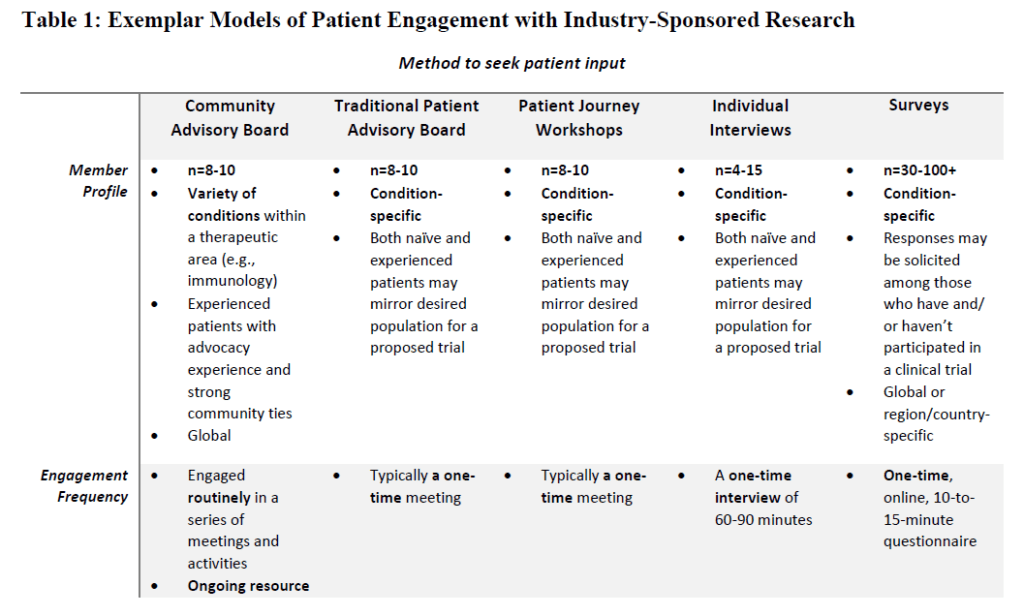
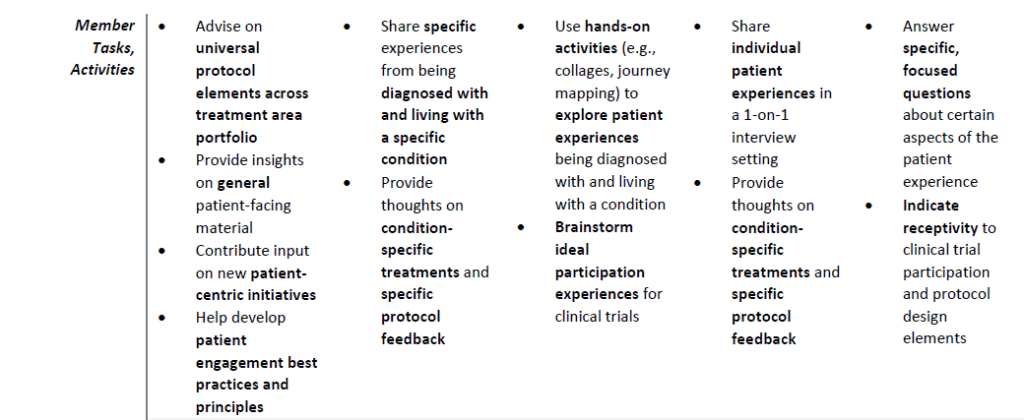
To create meaningful impacts, patient engagement strategies need to be put into place that result in substantive feedback and turn communication into actionable change.{9} Numerous types of patient engagement approaches exist, including community advisory boards, patient advisory boards, individual interviews, and surveys (see Table 1). Tools for implementing these models have been provided by the FDA, PFMD, the PARADIGM (Patients Active in Research And Dialogues for an Improved Generation of Medicines){10} initiative in Europe, and other organizations committed to furthering patient engagement across the lifecycle of medical product development.{11-14} For example, PFMD has published a series of toolkits, resources, and “how-to” guides for quality and effective patient engagement.{12,13}

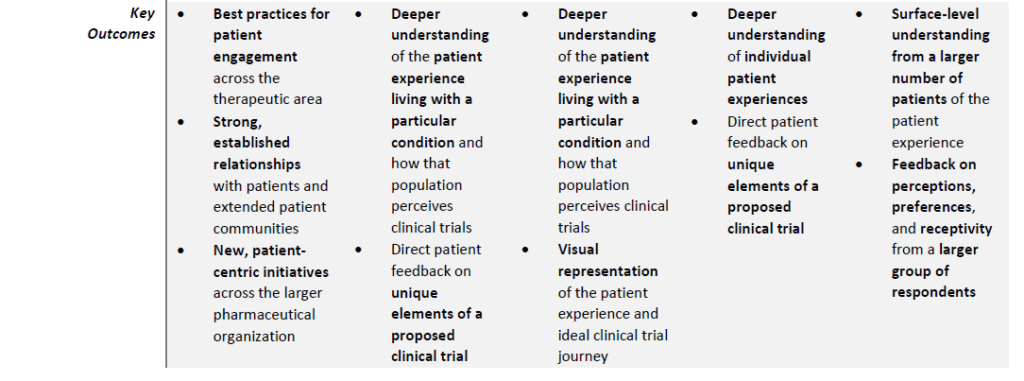
Among the wide range of available tools and engagement strategies, one approach Janssen utilized was to implement a long-term, recurring global community advisory board. While one-time market research activities such as interviews and surveys can and do yield actionable insights, single touchpoint projects can also limit the amount and type of data obtained and usually solicit patient feedback only on a single protocol. In contrast, the community advisory board model’s long-term focus provides the opportunity to establish a long-term partnership with patients based on trust, knowledge-building, and the reciprocity of true dialogue.

Through the Patient Voice in clinical trials program, Janssen routinely obtains patient and caregiver feedback into clinical trial design across all therapeutic areas.


Because many learnings apply to more than one clinical trial, and because of a desire to build on insights in an iterative manner, the Janssen Clinical Insights and Experience team collaborated with an independent third party—the nonprofit Center for Information and Study on Clinical Research Participation (CISCRP){15}—to create a standing Global Community Advisory Board (GCAB) for the immunology therapeutic area.


The GCAB consisted of patient advocates with a variety of immunological conditions. The main objectives of the GCAB were to obtain feedback on strategies and solutions intended for patients, with a primary focus on clinical trial design; establish a strong working relationship between patients and Janssen; establish lines of communication with the broader community of patients with immunologic conditions that Janssen could connect with, both regularly and on an ad hoc basis; and ensure that patient-centric practices and principles are incorporated into clinical trials sponsored by Janssen.

This approach to engaging with patients aligns with industry recommendations and frameworks. It was formed to be a standing, long-term advisory panel consisting mainly of patients from around the world, and was facilitated by an independent third party (both CISCRP and Janssen personnel were active panel members). This model focused on the broader therapeutic area of immunology to promote a long-term, more impactful engagement. Thus, the GCAB provided the opportunity to explore a host of questions about Janssen’s clinical trials development and engagement strategies with a group of patient advocates in an atmosphere intended to build openness, trust, and mutual respect. The transparency and sense of trust built over time through this model were found to benefit both sides of the patient-sponsor equation.

Patients and Methods

Formation of the Immunology GCAB

Through relationships with patient advocacy groups and its own participant community, CISCRP identified a group of 11 individuals (eight women and three men) with various immunological conditions who expressed a willingness to serve on the GCAB. Some, but not all patients were familiar with the clinical trial process. Because of their experience in community and patient support groups, even GCAB members who were mostly unfamiliar with clinical trials had some knowledge about clinical research. The decision to convene an international advisory board resulted in a population of patient-advocates from seven countries across three global regions: North America (United States), Europe (Czechia, Denmark, Estonia, United Kingdom), and Asia-Pacific (India, Taiwan). Each patient advocate had a keen understanding of the specific challenges of his or her country of origin. CISCRP and Janssen intended for the GCAB to be a standing, long-term advisory panel with greater flexibility than the traditional, single touchpoint patient advisory board model. The Janssen team consisted of members in clinical research and operations roles, as well as members in patient engagement roles. Additional personnel from across the business also joined certain GCAB meetings as needed.

GCAB Activities

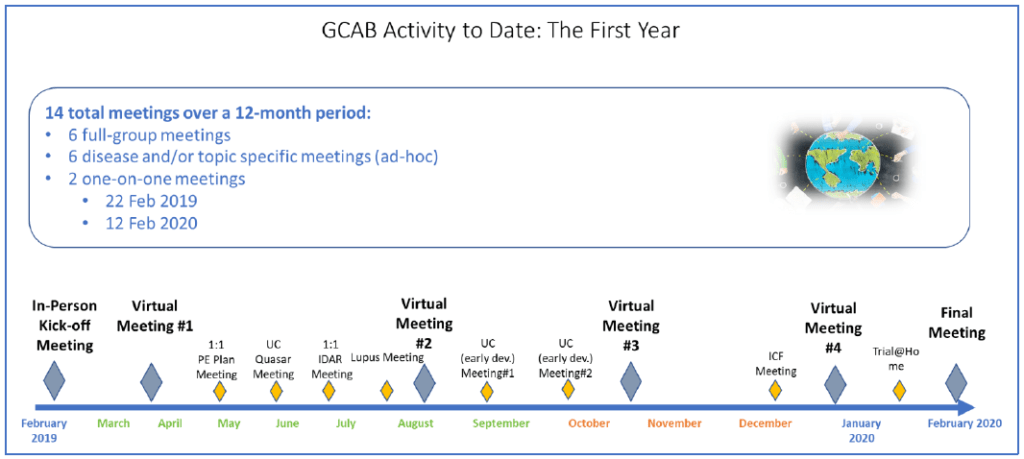
Over the course of one year, two in-person GCAB meetings were held: a kick-off meeting in February 2019 and a year-end review meeting in February 2020. In between, there were four GCAB virtual meetings held via an online platform. GCAB members also engaged in ad hoc communications throughout the year, both to provide feedback on questions that arose between meetings and as they desired to support one another.

In addition to the six full-group meetings, a further six virtual condition/topic-specific meetings were held. Furthermore, one-on-one feedback was solicited from GCAB members during in-person meetings (see Figure 1).

Figure 1: Immunology Global Community Advisory Board (GCAB) Meeting Schedule.

GCAB members also completed surveys and reflection exercises for Janssen to address areas of interest. These included general questions, such as the perception of clinical trials among patient groups, and specific questions that assessed the effectiveness of trial information materials, receptivity to trial-related technologies, inclusion/exclusion criteria, and planned clinical trial assessments that could increase or decrease participation.

Results

Impact on Janssen Programs

For Janssen, the opportunity to seek patient feedback on various projects over time resulted in several operational and protocol changes to clinical trial study designs that fulfilled the original aim of the GCAB. The willingness of GCAB members to respond to study materials in conversation with staff and researchers has changed some of the baseline assumptions of the trial design process. This enabled a greater focus on patient-relevant outcomes, which procedures are truly necessary to achieve the desired results, and how to inform and empower patients using materials that respect their experience of living with a condition. The decision to involve patients with a broad range of immunologic conditions—rather than any specific one—presented the opportunity to gather feedback and discuss problems consistently, without the need to pause a trial or to complete work based on a specific protocol’s schedule. This efficiency enabled changes to be implemented as quickly as possible, which further built trust among GCAB members.

Seeking feedback from GCAB members on proposed trials resulted in several straightforward actions intended to increase enrollment and retention. For example, a proposed trial involved regular trial visits for bloodwork and medical photography, as well as required patients to wear an actigraphy device to monitor adherence and physical activity. GCAB members highlighted the time burden involved in short repeat visits to a study site would limit participation by those with unreliable transportation and/or a long travel distance. Numerous concerns also arose regarding the invasiveness of the actigraphy device, as well as regarding data security (the latter particularly from European members). Ultimately, investigators chose to remove these requirements from the study.

GCAB Feedback Additionally Supported and Informed Patient Engagement Strategies

In addition to gathering and acting on clinical trial design feedback, Janssen obtained insights from GCAB members to help shape MyTrialCommunity, a website for engaging with patients enrolled in Janssen clinical trials. Member feedback was integral to the development of this initiative. They recommended the site name and suggested changing logos and adding testimonial videos from patients to explain the trial process in a non-threatening environment. In one example, a GCAB member shared personal experiences with the life-altering diagnosis of inflammatory bowel disease (IBD), as well as a video from a patient advocacy group about the day-to-day challenges of dealing with IBD. Janssen staff were moved by these patient stories and experiences and appreciated the opportunity for open dialogue about the impact of an IBD diagnosis, as well as the impact of living with the condition on people’s lives. The Research and Development team disseminated the video throughout the research group, to drive home the real-world impacts of their work.

Trust, Awareness, and Advocacy Strengthened among GCAB Members

This integration of GCAB feedback led GCAB members to feel empowered and enhanced their engagement in the advisory board process.

GCAB members expressed surprise that their input affected the trial design, as some previous patient engagement experiences had not resulted in the same level of transparency and change. As a result, GCAB members reported a resulting sense of empowerment and engagement in the advisory board process, as they could observe the impact of their feedback and how it was genuinely valued.

Overall, GCAB members reported having a positive engagement experience and gaining a greater understanding of clinical trials as well as pharmaceutical companies in general. Before joining the GCAB, some believed clinical trials to be a last-resort option where patients were treated as “just a statistic.” Their perceptions evolved as members learned more about how clinical trials work, the level of effort and care pharmaceutical companies use to implement responsible trials, and the role of clinical trials in finding new treatments for their condition. Thus, GCAB members now understood that not only were clinical trials a viable treatment option for a wide range of patients, but they were an essential component in advancing the causes and objectives of their patient community.

These paradigm shifts among GCAB members highlight the success of the GCAB model in providing a collaborative, supportive environment where GCAB members could become more engaged in and educated about clinical trials. This enhanced the quality and actionability of insights, as well as greater understanding of things that could not be changed in clinical trial design.

Consistent Communication and Transparency are Important

For many patients with chronic inflammatory conditions, barriers to research can be present from the onset of their condition journey, which can ultimately influence patients’ perception and willingness to participate or engage with clinical research. GCAB members reported difficulties obtaining a diagnosis, and once diagnosed, still dealt with feelings of shame and isolation brought on by their symptoms and the knowledge that they may never “get better.”

Outside the United States, patients reported greater difficulty obtaining information about clinical trials. This was particularly the case for smaller European countries without a robust patient organization network. Patients were frustrated by a lack of information about available trials on the part of their physicians and/or a perceived lack of interest from physicians who would not personally participate in the trial. Even when they searched online, barriers to information included a lack of clarity about where trials are available, limited country-specific public information about ongoing clinical trials, and engagement materials being available only in English.

Further barriers included an overuse of technical language by researchers.

The era of molecular diagnostics (e.g., biomarkers) and treatment has added new layers of complexity to the research process, and this area of research remains too difficult for many patients to understand. GCAB members requested an in-depth, accessible explanation of what biomarkers are and how targeted therapy works.

A lack of transparency about what data will be collected from patients, how it will be used, and the risks and benefits of experimental interventions was also cited frequently. Long lists of potential adverse events can intimidate potential trial participants, especially when not accompanied by clear explanations of their true risk and prevalence. Further, patients consistently mentioned their discomfort with joining trials where they would never find out the results, whether their own or the overall trial outcomes, including not knowing whether they had been randomized to the active treatment or placebo arm of a study. The need for trial documents in plain language was another item identified by GCAB patients as an important barrier to overcome in building trust and ensuring patients are truly informed before they consent to clinical trial participation.

Meaningful Communication is a Key Component of True Patient Engagement

Meaningful communication, as identified by the GCAB, was that which either resulted in actionable strategies (e.g., adjusting inclusion/exclusion criteria, changing ads to increase diversity/representation) or clarified the parts of a clinical trial that remain difficult for most patients to understand. One such opportunity is the regulatory and informed consent process—giving patients information about the importance and function of regulatory requirements in place to protect participant safety was repeatedly reported by the patients as increasing their sense of trust as well as their willingness to engage with a lengthy consent process. Additionally, many patients were unaware of the many “moving parts” of a clinical trial that are not patient-facing, so educating patients about the time constraints for things such as data analysis and regulatory approval can increase trust in the timeline of therapeutic development. Ensuring that patients will have access to results of a study—and thus an understanding of how their time and effort contributed to the study—is also advantageous to building trust.

One unexpected outcome of this engagement model was that, by educating and empowering patients, they become more comfortable with and supportive of the clinical trial process in general.

Several GCAB members reported that their new understanding of safety measures for Phase I and II trials removed their fear of being “lab rats.”

On the sponsor side, in response to GCAB member feedback, Janssen took steps in several areas. For example, a patient brochure was substantially modified to provide more comprehensive data about the purpose and conduct of clinical trials. A patient testimonial video was also modified to increase a sense of inclusivity by starting with definitive statements instead of questions.

A meeting addressing topics of digital health brought up questions about data collection and security. There was a division between GCAB members on this topic, with European GCAB members expressing greater skepticism about providing digital information about themselves than Asian and U.S. members. In response, Janssen put in place measures to increase transparency about what trial data would be collected and how the data would be stored and used. Discussion from yet another meeting spurred the development of patient educational materials to more clearly describe the benefits and purpose of early-stage clinical trials and the potential long-term benefits of these trials to patient health.

Best Practices and Learnings for Future Engagement Models

To ensure that meetings were structured, had pre-planned agendas and moderator guides, and were facilitated by an independent third party, Janssen partnered with CISCRP to implement the GCAB model. As a neutral party and liaison between patients and the pharmaceutical company, CISCRP helped establish a baseline of trust for both advisory board members and sponsor personnel. Because of its extensive experience in patient engagement initiatives such as community advisory boards, CISCRP was also able to manage the logistical coordination of GCAB meetings, ensure that the project progressed according to determined timelines, and accommodate GCAB member needs and questions in a timely manner.

Despite favorable responses about the GCAB and the approach taken, there were some limitations reported by GCAB members across several broad categories. These included: respect for patients’ time, organization of activities, information overload, burdens to patients caused by holding several meetings, a focus on English language, and a general U.S.-centric focus on materials. Although non-U.S. GCAB members had excellent English-language skills, several non-native speakers expressed discomfort with the speed of presentations, calling for a greater level of comfort with written communication to ensure that non-English native speakers are not excluded or discriminated against. Non-U.S. patients remarked that, especially in smaller countries, pathways to information about clinical trials are lacking. This presents an opportunity to explore enrollment opportunities via non-U.S. patient advocacy and physician networks.

Regardless of language of origin, patients reiterated the need for materials and presentations to be given in plain language and in easily digestible amounts.

Adequate discussion was a key factor leading to patient engagement and trust in the process. Patients frequently noted the need to keep meetings—both online and in-person—organized and on a schedule that respected patients’ time constraints.

Discussion

A growing focus on patient-centered outcomes by sponsors and regulatory agencies is an opportunity to establish practices that mutually benefit patients and pharmaceutical companies and other stakeholders. The year-long experience with the GCAB provided rich, actionable insights that could not have been obtained from other stakeholders, and demonstrated that a key component tying the GCAB’s feedback together was the sense of trust built by consistent, two-way dialogue.

Two overall themes became clear during the data review of the GCAB’s first year in operation. First, patients want more information and transparency. Throughout meeting sessions, patients wanted to know more about the purpose of clinical trials, the thinking behind different trial procedures, data collected, and inclusion/exclusion criteria. They wanted to know that results would be communicated to trial participants, and how their personal information would be used for the purposes of the clinical trial. To this end, Janssen has taken steps, such as creating educational materials about drug-development trials, with the aim of lessening the stigma of these studies as a “last resort.”

GCAB feedback highlights the importance of engaging patients in the clinical trial design process. Effective communication about how patients are centered in the conduct of a study can increase retention through trust and transparency. Patient engagement can allow researchers and sponsors to ask questions such as:

  • Are there opportunities to reduce the number of procedures, especially those which are highly burdensome for patients (for example, invasive and painful procedures like biopsies, endoscopies, and blood draws)?
  • How can visits and data collection be grouped to minimize travel and time burdens on participants and their support networks?
  • Which interventions, either additive (such as patient comfort kits for procedure days) or subtractive (for example, requiring fewer blood draws), have the greatest impact on the participant’s trial experience?

These types of practical questions can help researchers design protocols focused on greater efficiency, minimized invasiveness, and respect for the people taking part, while still enabling the collection of necessary evidence. The actions Janssen took in response to GCAB feedback resulted in increased engagement by both research teams and GCAB members.

It is beyond the scope of this article to delve into the financial metrics of this type of partnership, but involving patients as partners is a pragmatic strategy to increase transparency of the research process and overcome disparities in health research.{18} Other groups have assessed the financial benefit to sponsors and found significant potential for savings in terms of efficiency and retention.{19} One such potential is to troubleshoot trials before they even start. Not only does this potentially increase enrollment and retention, but it can prevent costly protocol amendments. The investment in time and educational materials in this new type of engagement model was well worth the outcomes in terms of engagement and trust.

Conclusions

A meaningful partnership among the various stakeholders in any clinical trial depends on defining goals, choosing the right partners, and investing the time to ensure that all voices are heard.{20} By engaging an advisory board consisting of knowledgeable patient advocates, we were able to present and receive valuable feedback on numerous projects and scenarios, including educational materials, inclusion/exclusion criteria and other protocol elements, and regulatory and consent documents.

In doing so, the sponsor received actionable takeaways, which resulted in changes to different elements of several protocols.

Engaging a neutral third party to serve as primary contact for patients, ensure well-planned meeting objectives and agendas, and collate feedback helped achieve quality engagements and effectively summarize feedback.

Further, the opportunity to make changes and demonstrate them to the GCAB was a powerful motivator for Janssen staff and researchers, as was the increased understanding of the real-world, daily experiences of patients living with immunological conditions. Because the GCAB was convened as a long-term advisory body, we were able to demonstrate to GCAB members the actions Janssen took in response to their recommendations. This investment in time and evidence proved to be key in the trust-building process and was cited by all GCAB members as a major factor in their overall positive reaction to this initiative and their views on clinical research in general.

Acknowledgements

GCAB members Nandan Baruah, Alicia Aiello, Jackie Zimmerman, Janek Kapper, Lucie Lastikova, Candace Lerman, Simon Stones, Jenni Lock, and Charlotta Norgaard critically reviewed and contributed to the contents of this article. Thanks also to Cynthia Wise, retired Global Development as Portfolio Delivery Operations Program Leader, Janssen Pharmaceutical Companies of Johnson & Johnson (Janssen), for her contributions.

Funding/Support: This work was funded by Janssen Pharmaceuticals.

Role of the Funders/Sponsors: Janssen Pharmaceuticals worked collaboratively with CISCRP to design and conduct this work. CISCRP was responsible for the coordination, management, and analysis of the data for this research. Janssen worked collaboratively with CISCRP to interpret the data as well as to prepare, review, and approve this manuscript, and on the decision to submit the manuscript for publication. Those currently active at Janssen Pharmaceuticals who were directly involved with the preparation of this manuscript are listed as its authors.

To search for medical conditions in a specific location, visit our Search Clinical Trials page.

To stay informed about clinical trials, visit our Resources page.

Volunteer opportunities with CISCRP, visit our Volunteer page.

Written by: Annick de Bruin, MBA; Shalome Sine, MPH; Lieven Van Vijnckt, PharmD; Alyson Gregg, MBA; Catherine Cole

Annick de Bruin, MBA
Senior Director of Research Services
CISCRP, Boston MA

Shalome Sine, MPH
Health Informatics and Reporting Analyst
The Center for Health Information and Analysis, Boston MA

Lieven Van Vijnckt 
PharmD Investigator and Patient Engagement as TA Head (IMM – ID&V)
Janssen Pharmaceutica NV, Beerse Belgium.

Alyson Gregg, MBA
Director of Patient Insights
Janssen Pharmaceutical Companies of Johnson & Johnson (Janssen), Titusville N.J.

Catherine Cole
PharmD Investigator and Patient Engagement as TA Head (IMM – ID&V)
Janssen Pharmaceutica NV, Beerse Belgium.

References:

1. Vat LE, Finlay T, Schuitmaker‐Warnaar TJ, et al. 2019. Evaluating the “Return on Patient Engagement Initiatives” in Medicines Research and Development: A Literature Review. Health Expectations 2019. https://www.ncbi.nlm.nih.gov/pmc/articles/PMC6978865/
2. Gregg A, Getz N, Benger J, Anderson A. 2019. A Novel Collaborative Approach to Building Better Clinical Trials: New Insights from a Patient Engagement Workshop to Propel Patient-Centricity Forward. Therapeutic Innovation & Regulatory Science 2168497019849875.
3. Fischer MA, Asch SM. 2019. The Future of the Patient-Centered Outcomes Research Institute (PCORI). Journal of General Internal Medicine 34(11):2291–2.
4. Bloom D, Beetsch J, Harker M, et al. 2018. The Rules of Engagement: CTTI Recommendations for Successful Collaborations Between Sponsors and Patient Groups Around Clinical Trials. Therapeutic Innovation & Regulatory Science 52(2):206–13.
5. https://www.fda.gov/patients/learn-about-fda-patient-engagement/patient-engagement-collaborative
6. https://www.fda.gov/drugs/development-approval-process-drugs/cder-patient-focused-drug-development
7. https://patientfocusedmedicine.org/
8. Tenaerts P, Madre, L, Landray M. 2018. A Decade of the Clinical Trials Transformation Initiative: What Have We Accomplished? What Have We Learned? Clinical Trials 15(S1):5–12.
9. Boutin M, Dewulf L, Hoos A, Geissler J, Todaro V, Schneider RF, et al. 2017. Culture and Process Change as a Priority for Patient Engagement in Medicines Development. Therapeutic Innovation & Regulatory Science 51(1):29–38.
10. https://www.imi.europa.eu/projects-results/project-factsheets/paradigm
11. Dewulf L. 2014. Patient Engagement by Pharma—Why and How? A Framework for Compliant Patient Engagement. Therapeutic Innovation & Regulatory Science 49(1):9–16.
12. How-to Guide on Patient Engagement in Clinical Trial Protocol Design. https://pemsuite.org/How-to-Guides/Patient-engagement-in-clinical-trial-protocol-design.pdf
13. Practical How-to Guides for Patient Engagement. https://pemsuite.org/how-to-guides/
14. Patients Active in Research and Dialogues for an Improved Generation of Medicine. PARADIGM Patient EngaRgement Toolbox. https://imi-paradigm.eu/petoolbox/
15. https://www.ciscrp.org
16. Center for Drug Evaluation and Research. FDA Patient-Focused Drug Development Guidance Series for Enhancing the Incorporation of the Patient’s Voice in Medical Product Development and Regulatory Decision Making. www.fda.gov/drugs/development-approval-process-drugs/fda-patient-focused-drug-development-guidance-series-enhancing-incorporation-patients-voice-medical
17. Jones CW, Braz VA, McBride SM, Roberts BW, Platts-Mills TF. 2016. Cross-Sectional Assessment of Patient Attitudes Towards Participation in Clinical Trials: Does Making Results Publicly Available Matter? BMJ Open 6:e013649.
18. Šolić I, Stipčić A, Pavličević I, Marušić A. 2017. Transparency and Public Accessibility of Clinical Trial Information in Croatia: How it Affects Patient Participation in Clinical Trials. Biochem Med (Zagreb) 27(2):259–69.
19. Fillon M. 2017. Strategies to Boost Minority Participation in Clinical Trials. J Natl Cancer Inst 109(4):10.1093/jnci/djx076.
20. Levitan B, Getz K, Eisenstein EL, Goldberg M, Harker M, Hesterlee S, Patrick-Lake B, Robers JN, DiMasi J. 2018. Assessing the Financial Value of Patient Engagement: A Quantitative Approach from CTTI’s Patient Groups and Clinical Trials Project. Therapeutic Innovation & Regulatory Science 52(2):220–9.

Patient Data Collection 101: Curebase FLASH Webinar Overview

There are a variety of ways in which patient data can be collected in clinical research. As such, it’s critical to keep patients informed on these methods as they progress through trials. In Episode One of Voices from Within: Humanizing Clinical Research Data, Curebase experts share a comprehensive overview of how patient data is collected and the safeguards in place. This 15-minute Flash Webinar was led by Vice President of Clinical Trial Innovation, Jane Myles, and Director of Data Management, Kim Andreasen.


“There are many existing myths and stories regarding data collection in clinical trials,” Jane notes. On a foundational level, there are two types of clinical trials: brick-and-mortar and decentralized clinical trials (DCTs). The traditional brick-and-mortar trial refers to in-person visits that take place in centralized hospitals and doctors’ offices with care teams. With technological advances, DCTs have become available to patients, making healthcare more accessible to a wider more diverse population. This format allows participants to participate in clinical trials from remote settings through technology-enabled services including telehealth appointments, at-home testing, mobile phlebotomists, and more. Some DCTs even utilize patients’ own local doctors to perform wellness checkups, biopsies, and other care procedures that require an in-person aspect. 


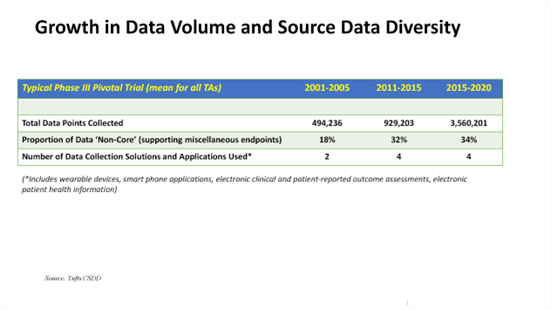
“Ultimately, the purpose of clinical trials continues to be the collection of clinical data to make decisions about the safety and efficacy of new treatments,” Jane explains. For research teams, data collection is the primary deliverable of clinical trials. A recent study by Tufts University concluded that the amount of data collected each year in clinical trials is increasing exponentially, likely caused by new technology, new research fields, and other variables.

Understanding the importance of data collection in clinical trials is critical. Understanding as a patient how your data is being collected, used, and protected is even more important. Kim, an expert in data management, breaks down the process of data collection. To begin, participants share information with their clinical trial care team or provide this data themselves through survey responses about their experiences, symptoms, and medical history. Further data is collected through medical testing, dependent on the type of treatment the participant is in a trial for.


Once this data is collected, it’s then digitized. Clinical data management systems assign numbers to patients, controlling who can see their personal information. “This process is called deidentification, where the actual data sent to government entities for drug approval cannot be linked back to individuals,” Kim explains. “This is set by global and national regulations in each country.” It’s important to note that although patient data collected cannot be traced back to individual people, physicians and study staff still have access in the case of medical intervention should a patient have a health risk or concern. This adds an additional layer of safety for patients.

As a participant, do I have the right to review my own data?

“As a patient in any medical situation we have the right to see our information. As a clinical trial participant, not all information will be available immediately unless there is an emergency regarding the health of the patient,” Kim notes. There are circumstances in clinical trials where studies require blinded data to ensure accurate results. If this is the case, that information will not be available to participants immediately. For example, if you were testing a diabetes drug and a lab value could give away which treatment group you were in, you would likely not be able to view that data until your participation had concluded.


“Clinical trials are all about collecting data in a rigorous way,” Jane summarizes. “That data is managed in a way that protects privacy and allows physicians appropriate medical oversight of the patient. Ultimately, the data is used to make decisions on the safety and effectiveness of new treatment options – we take immense care of the data to ensure its complete and accurate!”


Learn more about patient data collection by accessing the webinar recording here. View CISCRP’s library of webinars and podcasts here.

To search for medical conditions in a specific location, visit our Search Clinical Trials page.

To stay informed about clinical trials, visit our Resources page.

Volunteer opportunities with CISCRP, visit our Volunteer page.

The Importance of Telehealth for Rare Diseases

Healthcare must reflect all of the opportunities of telehealth, but especially so for those suffering from rare diseases.


Before the pandemic, telehealth made up less than 0.01% of healthcare visits across the United States. By mid-April of 2020, that number had skyrocketed to 69%. While the concept is not new, patients could not always access it. Then, as a result of patient advocacy efforts, the COVID-19 public health emergency declaration expanded access to telehealth. This was welcome news for patients, especially those living with rare diseases.

The importance of telehealth

Why is telehealth important for people with rare diseases? For the past year, the team at the National Organization for Rare Disorders (NORD) has been working to help the rare disease community safely navigate the pandemic. Patients and caregivers have joined us to advocate for expanded access to telehealth, and hundreds have told us about its positive effects.

 
These include helping them feel safer, eliminating days of travel to and from doctor visits, and moving forward with clinical trials that would have otherwise been delayed.


In the case of many rare diseases, there are only a handful of experts nationwide, or even worldwide, with expertise in certain conditions. In the absence of telehealth, patients travel long distances to access their treating provider, often experiencing long waits for appointments. Such travel can be costly, often results in missed work or school, and presents logistical challenges that can be overwhelming or insurmountable when there is severe burden of illness. Not least of all, travel can pose health risks because many patients with rare diseases are immune-compromised, putting them at greater risk for complications from COVID-19 and other illnesses.


Participation in clinical research is another important area to examine when looking at the role of telehealth. Clinical research is needed for rare diseases, as approximately 90% of the 7,000 rare diseases still do not yet have an FDA-approved treatment.


Clinical trials are essential to this process, yet many patients struggle to participate when the clinical trials take place far from home.

Knowing about the uphill challenges that exist, it is easy to understand how COVID-19 has had a significant impact for more than 25 million Americans living with rare diseases. During the pandemic, nearly 8 in 10 rare disease patients experienced canceled medical appointments.

A ray of hope

Despite disruptions to care, a ray of hope emerged with the rise of telehealth: 83% of rare disease patients were offered a telehealth visit by their provider, 92% of those who had a telehealth visit described it as a positive experience, and 70% would like the option for future medical appointments. These numbers show that the demand for telehealth among rare disease patients is strong. With continued information sharing and collaboration among experts, scientists, healthcare workers, and advocates, together we will come out stronger. 

Lisa P. Sarfaty, M.P.H., Director of Strategic Planning, National Organization for Rare Disorders (NORD)

Article from 2022 Clinical Trials Supplement, USA Today. View Supplement Here >

To search for medical conditions in a specific location, visit our Search Clinical Trials page.

To stay informed about clinical trials, visit our Resources page.

Volunteer opportunities with CISCRP, visit our Volunteer page.

Broadening the Lens of Diversity for More Inclusion in Clinical Research

Although there is still a “guinea pig” stigma associated with clinical research participation, for many, clinical trials offer free or low-cost access to testing, care, and cutting-edge treatments that are simply not accessible or available. Years ago, my own mother’s participation in an Alzheimer’s Disease study uncovered a life-threatening condition that she wouldn’t have known about, had she not been a participant. Thankfully, after a required surgery, she is still alive and well. Many other friends, family, and colleagues have shared stories with me about their chronically and terminally ill loved ones who extended their lives and improved their quality of life thanks to clinical trial participation. However inspiring, the commonality across these success stories is that the patients belong to an essentially homogenous population of white, insured patients living in or near urban areas.

As I have been attending industry events and watching the topic of diversity trend in our sector of the world, I see the emerging initiatives to impact racial and ethnic diversity in clinical research and ask myself whether the pharmaceutical and biotechnology sector can and should do more to leapfrog historic approaches to diversity. That is, instead of simply forcing statistical study populations to reflect traditional demographic categories, can we make trials truly inclusive and inviting to all people so that the resulting participant population is reflective of all facets of culture? If we do this one group at a time – race, ethnicity, religion, biological sex, socio-economic class, etc. – we risk leaving people without access to a valuable health care resource and our industry without access to important information.

Beyond the Binary

An important group for our industry to consider are those who identify as being part of the LGBTQ+ community. How one identifies is an integral part of traditional inclusion/exclusion from clinical research trials and limits access for people who do not self-identify in traditional categories.

recent survey conducted on Ipsos’ Global Advisor online platform among more than 19,000 individuals aged 16 (or 18, depending on the country), illustrated that on average, 80% of people identify as heterosexual, 3% as gay, lesbian or homosexual, 4% as bisexual, 1% as pansexual or omnisexual, 1% as asexual, 1% as “other,” and 11% don’t know or won’t say. On average, 1% of adults identify as transgender, nonbinary/nonconforming/gender in another way – rather than as male or female.

As the population of earth approaches 8 billion people, we must consider how to engage this important community in healthcare generally and clinical research specifically. Diversity is inherent, inclusion is a choice. This data underscores the need to put aside binary categories and move to criteria that include all eligible patients regardless of how they identify against the traditional paradigm of gender and sexuality.

Recently, our team partnered with the non-profit organization CISCRP to convene a group of patients who identified as being part of the LGBTQ+ community and explore their experience with the healthcare system generally and clinical research specifically. I had the privilege of participating in the conversation and was stunned by the feedback from the group.

Key Takeaways

Over the course of two, two-hour virtual sessions, there was a lot of really interesting discussion. For me, some of the key takeaways were:

  • The LGBTQ+ community is a broad category of communities so there is no one-size-fits-all approach
  • Trust is a key barrier to care for the LGBTQ+ community
  • Patients actively seek LGBTQ+ providers and those trained on LGBTQ+ issues
  • Representing the LGBTQ+ community in research as a driver for participation but diversity quotas are not enough to drive engagement

There are also considerations of what inclusivity of the full range of LGBTQ+ identities in all aspects of care mean, including:

  • Removing unnecessarily gendered language, imagery, and décor from forms, patient materials, and clinical areas
  • Creating inclusive options on multiple-choice forms to account for all LGBTQ+ identities
  • Refining approaches to clinical lines of questioning to ensure sensitivity to LGBTQ+ identities and focus on questions required for care and research
  • Including trusted LGBTQ+ advocacy organizations and local, community centers in health and research initiatives

Diversity is Inherent, Inclusion is a Choice

Including the LGBTQ+ community in diversity, equity, and inclusion initiatives is not only good for patients, but also valuable, important, and essential for the pharmaceutical and biotechnology industry. When discussing the value of clinical trial participation to the industry, the ratio we all talk about is 1 in 200 – meaning that one in 200 people, regardless of health status, need to participate in clinical research to enroll all the studies in clinical trials.gov at any given time. Allowing barriers to access for any population is not just unethical and bad for science, it’s also bad for business. Ensuring diversity, equity and inclusion means more study participants, thorough science, and predictable outcomes for all potential patients.

The path to inclusivity for the LGBTQ+ community is no different from those proposed for the inclusion of other populations underrepresented in clinical research. As Van Johnson suggested in a recent episode of the Totally Clinical podcast and echoed by our LGBTQ+ patient panel, the key to diversity, equity and inclusion is a holistic approach. The way to create a clinical trial environment that is inclusive is to ensure that community members have a seat at the table – LGBTQ+ patients, physicians, advocates, and others. In addition to promoting the diversity in today’s research community, this work will likely involve an expansion to include new investigators, sites and site networks that serve the LGBTQ+ community and enablement of those sites with tools, training, and technologies that can bring them onboard quickly and guide them with consistent, responsive and proactive content and communication.

As the global head of strategy at Teckro and daughter of a clinical trial participant, it is my intention to play an active role in supporting diversity, equity, and inclusion efforts so that clinical research is a care option available to all patients. If you are a sponsor, investigator, patient, or other stakeholder in clinical research and are advancing a DEI or CRAACO initiative, I invite you to join the conversation on our Totally Clinical industry podcast.

Written by Malia Lewin, Global Head of Strategy at Teckro | www.teckro.com

To read the original article and learn more, visit Teckro’s website here: https://teckro.com/resources/blog/lgbtq-inclusion-clinical-trials  

To search for medical conditions in a specific location, visit our Search Clinical Trials page.

To stay informed about clinical trials, visit our Resources page.

Volunteer opportunities with CISCRP, visit our Volunteer page.

New Data Reveals Decentralized Clinical Trials Yield Better Clinical Trial ROI

In a recent article published by Applied Clinical Trials, CISCRP Founder and Board Chair, Ken Getz, discusses decentralized clinical trials (DCTs) and how their value can be measured. During the pandemic, there became a need for DCTs, and a rapid adoption took place by many CROs. 

“DCT adoption has occurred without the normal phased adoption process that has time to unfold. Because it’s been so rapid, the industry has a lot of questions on how to manage the best DCT moving forward, how to allocate resources, and where to invest,” Ken shares. 

At the recent DIA Annual Meeting in June, Ken presented alongside Pam Tenaerts, MD, Chief Scientific Officer at Medable, providing an overview of their recent work aiming to understand whether DCTs live up to the expectations of better research. Tuft’s CSDD study with Medable on DCTs is the first study quantifying the return on investment of DCTs, an important metric to measure as it can inform decision-making on future projects. 

For this study, Tufts used data from a mixed sample of trials; 150 that used traditional in-person clinical trial methods, and 33 using DCT methodology. This model developed by Tufts and Medable focuses on the value drivers of clinical trials, calculating the overall ROI of a decentralized clinical trial based on value drivers such as cost, trial duration, and execution efficiency. 

The study shows evidence that DCT’s drive speed and efficiency in clinical studies as well as patient recruitment and retention. “Dropout rates appear to be lower in our comparative assessment,” Ken notes. “Second, the screen failure rates improved, and that may be because there is greater decentralized access to a trial. More people who may be eligible are willing to inquire about participating in a study, essentially self-selecting because it appears to be more accessible to join, either because it’s conducted locally or there are more opportunities to participate from home.” 

To read the full article visit Applied Clinical Trials website here: https://www.appliedclinicaltrialsonline.com/view/new-data-reveals-dcts-yield-better-clinical-trial-roi  

To search for medical conditions in a specific location, visit our Search Clinical Trials page.

To stay informed about clinical trials, visit our Resources page.

Medical Hero Spotlight: Marc Yale, Mucous Membrane Pemphigoid Advocate

marc yale
Pemphigoid Diagnosis

In 2007, Marc Yale visited his optometrist for a case of what he thought was conjunctivitis (pink eye). After running some tests, his doctor could not determine the cause of his symptoms. Within days, Marc broke out in blisters across his skin, mouth, nasal cavity, and throat. The blisters, especially those in his mouth and throat began causing other problems, including jaw clenching and difficulty swallowing. “In the beginning, I didn’t realize my eye symptoms and the blisters had any relation,” Marc recalls. “I visited the dentist who thought the jaw clenching was from impacted wisdom teeth. I went ahead and had those teeth removed, but then the hole wouldn’t heal and began to blister.”

After several months of pain and discomfort and multiple visits with specialists, Marc saw his General Physician, desperate for answers. “At this point, the blisters were so painful I couldn’t shower, I had lost 40 pounds from struggling to eat, and was losing vision in one of my eyes as it began to swell and close,” Marc shares.

Marc’s doctor referred him to a dermatologist who referenced a medical textbook, believing Marc may have an autoimmune condition he had never seen in real life. One biopsy later, the dermatologist’s suspicion was confirmed, and Marc was finally diagnosed with a chronic condition, Mucous Membrane Pemphigoid.

“Finally receiving a diagnosis was such a relief,” Marc remembers. “I’ve learned since then, that this process of delayed diagnosis is common with rare diseases. Most individuals with Pemphigoid see 5-10 doctors before learning what condition they have and their treatment options.”

Treatment for Pemphigoid: Pandora’s Box

Although Marc was excited to finally have answers for his painful symptoms, reviewing treatment options for this condition opened a “Pandora’s Box” of new challenges. The mainstay therapy for Pemphigoid is corticosteroids given in very high dosages, which can cause many side effects. Other popular treatments include immunosuppressant medications, which can help suppress the autoimmune condition, but come at the risk of making patients vulnerable to secondary infections. Marc’s doctors recommended he begin treatment using a “stairstep approach”; trying the drugs that work the fastest in hopes that they would be effective. In Marc’s case this meant beginning a combination of corticosteroids combined with the immunosuppressant medication.

Although these treatment options may be the fastest, they still take 6-8 weeks to work. “While I waited to see if this treatment plan would be effective, my condition began to progress,” Marc notes. “My blisters caused constant bleeding, making tasks like sleeping and getting dressed challenging. The blisters in my mouth and throat felt like I was swallowing razor blades all day long. Eventually, my drooping eye fused close and I lost my vision permanently. I couldn’t see, so I couldn’t work or drive.”

Finding a Clinical Trial

During this time, Marc began to research if there was anything new available for patients beyond his current treatment plan. While there were very few clinical trials being held for Pemphigoid 15 years ago, there was one drug trial Marc found in France. “I knew getting into a trial was my best chance of remission and figured I would be a great candidate. My wife and I were ready to move to France for this opportunity,” Marc shares.
Unfortunately, Marc was not eligible for the trial and had to continue with standard care until another option was found. Eventually, when his doctors had exhausted their resources, Marc was sent to see eye and dermatologist specialists in Boston, who suggested he go on therapy for a trial happening for an off-label drug, not yet approved by the FDA. Marc was able to find a doctor who would prescribe this drug to him at home and began the new therapy. In the meantime, he continued his research online to find a community of other people experiencing this disease.

Barriers to Accessing Clinical Trials

In Marc’s case, as with many other patients, one major barrier for treatment and clinical trial access is a delay in diagnosis. “Our healthcare system is set up in a way that makes it difficult for patients to access the specialists who can diagnosis them with these conditions. Additionally, this is not a common condition, so many doctors have never seen it and can’t readily diagnose it,” Marc notes.

Another barrier for the Pemphigus and Pemphigoid community is the lack of standardized guidelines regarding treatment for this disease in the US. Treatment is up to the individual doctor and can vary greatly. Marc advocates for consensus guidelines for all patients and doctors to follow. Patients also must consider the financial burden of treatment, as the price for these medications is astronomically high.

“Anyone with a rare or debilitating disease will feel a loss of control in their life. Treatment should be made simpler and more available for patients,” Marc explains.
Patient Advocacy with the International Pemphigus and Pemphigoid Foundation

After looking around online, Marc found the International Pemphigus and Pemphigoid Foundation (IPPF), a site dedicated to spreading awareness and sharing resources for patients. After reaching out, the organization asked Marc to join and offered volunteer and advocacy work. Marc took on an outreach project to find doctors who specialized in these conditions across the country, as the site currently only had 30 doctors listed. Marc also helped form a peer health coach program, where patients were available to help other patients with managing the disease. These peer health coaches could help navigate newly diagnosed individuals through challenges, such as finding the right doctors, choosing a treatment, possible symptoms, and how to get involved in clinical research.

“I was happy to volunteer at IPPF because I found it rewarding to help others so they wouldn’t have to go through the diagnosis and treatment process alone like I did. I found mentoring very cathartic and used it as a coping mechanism to manage my own disease. During this time, I became passionate about advocating for the Pemphigus and Pemphigoid community,” Marc shares.

Although Marc was working part time as a volunteer at IPPF to start, after two years his condition went into remission and he was able to dedicate his time fully as a coach, and later as the Executive Director of IPPF from 2016-2020. Marc spent his time as a director building educational resources for medical professionals, students, and policymakers in Washington, DC. After he experienced a flare up, Marc made the decision to step down from his role and work on a volunteer-basis again, this time focusing on advocacy for the foundation.

Marc remains a coach in the peer health coach program today, staying in contact with others he has coached or met through his advocacy work. “It’s the best and worst part of my job. I love having the opportunity to build those relationships and help others, but it’s hard because I know what these people are going through. This is a truly devastating disease,” Marc reflects.


Marc’s advocacy has not only impacted the lives of others in his community but also his own. “Even with a support system, only someone who has your disease really knows what you’re going through which is why patient networks are so important.”

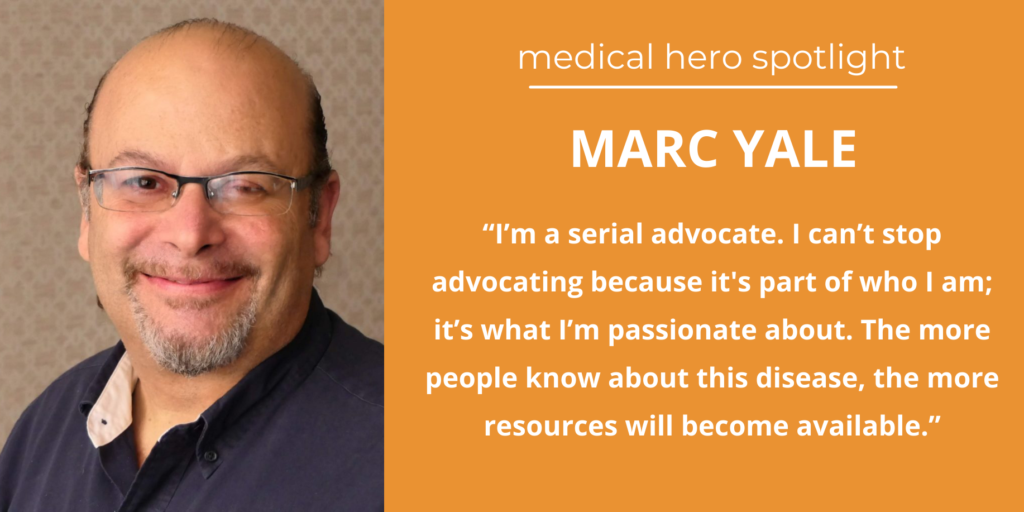
“I’m a serial advocate,” Marc jokes, “I can’t stop advocating because it’s part of who I am; it’s what I’m passionate about. The more people know about this disease, the more resources will become available.”

Today, with the help of Marc and many other volunteers, IPPF has increased their list of specialty doctors from 30 to 400, opened sister organizations internationally, and increased awareness and funding for the disease. Currently, there are 10 Pemphigus clinical trials running and 4 for Pemphigoid, a major jump from the single trial Marc found available decades ago.

Marc’s advice to patient advocates just starting out is to “Never take no for an answer. Be committed, persistent, and keep trying. Whether you’re a small organization, a newly diagnosed patient, or an advocate, you’re never alone. There are so many others out there wanting to make a change or difference just like you.”

To search for medical conditions in a specific location, visit our Search Clinical Trials page.

To stay informed about clinical trials, visit our Resources page.

Sources: https://www.pemphigus.org/

Written by Lindsey Elliott, Marketing & Communications Manager, CISCRP | lelliott@ciscrp.org

Addressing Barriers to Clinical Trial Enrollment

Clinical trials offer patients with difficult-to-treat forms of cancer a chance to receive the most up-to-date and promising care available with the prospects of improved health outcomes and the benefit of advancing medical research. Most patients express a willingness to participate in clinical research, yet only a small fraction ultimately end up enrolling in a trial due to barriers that make participation difficult or even impossible. Consequently, approximately 20% of cancer clinical trials fail due to insufficient patient enrollment.

Barriers to treatment
One of the most common barriers to trial participation is location. Most cancer trials are concentrated at large academic centers that have the resources to dedicate to research, yet most cancer patients receive their care at small, local oncology practices. According to a 2018 American Cancer Society Cancer Action Network (ACS CAN) report, Barriers to Patient Enrollment in Therapeutic Clinical Trials for Cancer, only about 1 in 4 patients has access to clinical trials where they are being treated. Yet, if asked to enroll in an available trial, more than half of eligible patients typically agree to do so.

Another barrier is cost. While private health insurance as well as Medicaid and Medicare are required to cover the routine medical costs of trial participation, there is no such coverage for other non-medical out-of-pocket expenses patients may incur.

Trial participants are often required to see their doctors more frequently, which can mean more money spent on things like gas, parking, food, and lodging. Those costs add up, especially for low-income patients. Research has shown financial burdens can lead to a nearly 30% lower trial participation rate among individuals with annual family income of less than $50,000.

Cancer care inequity
Unfortunately, these barriers and others often contribute to long-standing inequities in cancer clinical trials. Despite having an increased burden of disease, racial and ethnic minority groups, older adults, rural residents, and those with lower socioeconomic status are consistently underrepresented in cancer clinical trials.

This underrepresentation hampers research and, without deliberate efforts to rectify these disparities, research may miss why cancer outcomes are often worse for patients with limited access to care, lower incomes, and other factors.

No one should be disadvantaged in their fight against cancer because of how much money they make, the color of their skin, their sexual orientation, their gender identity, their disability status, or where they live.

ACS CAN has prioritized health equity to ensure that cancer patients are provided with equitable care based on social determinants of health. This is why ACS CAN is working hard to remove these barriers and ensure every patient has equitable access to clinical trials.

Reducing disparities
In 2018, ACS CAN began analyzing common barriers to patient enrollment and provided stakeholders in the research ecosystem with over 20 recommendations that should be taken to make trial enrollment easier for patients. Earlier this year, ACS CAN issued another report targeted specifically at reducing disparities in clinical trials.

Right now, ACS CAN is working to help pass the bipartisan DIVERSE Trials Act through both chambers of Congress. The legislation would help address health equity and disparities by allowing clinical trial sponsors to reimburse patients for non-medical costs associated with their trial participation — such as travel, parking, food, or lodging — and would allow trial sponsors to provide patients with the technology necessary to facilitate remote participation in clinical trials.

The goal of cancer research is to generate new knowledge that can be used to improve survival rates and quality of life for all patients with cancer. But to achieve that goal, it’s crucial that clinical trials reflect the broad diversity of cancer patients they’re hoping to treat. ACS CAN is dedicated to working with patients, survivors, and their loved ones to ensure that happens and to make cancer clinical trials accessible and available to all interested patients. Together, we can improve access and address healthcare disparities for a world with less cancer.

Lisa A. Lacasse, M.B.A., President, American Cancer Society Cancer Action Network (ACS CAN)

Article from 2022 Clinical Trials Supplement, USA Today. View Supplement Here >

To search for medical conditions in a specific location, visit our Search Clinical Trials page.

To stay informed about clinical trials, visit our Resources page.

The Extraordinary Gift of Clinical Trial Participation

Medical heroes can be found everywhere. They are mothers and fathers, siblings, children, friends, colleagues, and everyday people who have chosen to give the extraordinary gift of participation in clinical research.

Their decision to participate is an altruistic gift that always carries risk, usually offers no direct personal benefit, yet contributes profoundly to collective knowledge about the nature of disease, its progression, and how to better treat it. Ultimately, future generations are the direct recipients of this gift.

Most people know very little about clinical trials until they face the sudden and often unexpected prospect of a serious and debilitating illness for which no medication is available or adequate. Typically, patients, their families, their friends, and their healthcare providers must gather information quickly to make decisions about whether to participate. This rush to navigate the unfamiliar terrain of clinical trials invariably feels overwhelming and confusing.

Appreciating medical heroes
In 2004, the Center for Information and Study on Clinical Research Participation (CISCRP) was founded to provide outreach and education to those individuals and their support network considering participation in clinical trials. Based in the Boston area, this nonprofit organization focuses its energy and resources on raising general awareness, on educating patients and the public, and on enhancing study volunteer experiences during and after clinical trial participation.

Our many events and services are designed to improve public and patient literacy, to engender feelings of empowerment and control, to ensure more informed decision-making, and to recognize and appreciate medical heroes.

This special supplement also plays an important part in raising awareness and literacy. It is a reference resource
offering an introduction to clinical trials and thanking the millions of people and the clinical research professional community who, together, help advance medical knowledge.

At the present time, nearly 4,000 experimental drugs and therapies are in active clinical trials, and that number continues to grow as improvements are made in detecting disease, in discovering new medical innovations, and in understanding and addressing the root cause of acute and chronic illnesses.

 
At the very heart of all this promising clinical trial activity are medical heroes to whom we owe our deepest appreciation for their profound
gift of participation.

Written by: Ken Getz | Founder and Chairman, CISCRP

Article from 2022 Clinical Trials Supplement, USA Today. View Supplement Here >

To search for medical conditions in a specific location, visit our Search Clinical Trials page.

To stay informed about clinical trials, visit our Resources page.