Clinical Trial Care and Compensation

From "The Gift of Participation" by Ken Getz, Founder & Board Chair, CISCRP

Payment for participation is considered compensation for your time and commitment to comply with the protocol. Healthy volunteers in phase I studies of a new treatment or device are usually paid for their participation. Study volunteers in phase IV studies of drugs already on the market often receive compensation. And payments in clinical trials are often given to study volunteers when the health benefits of an experimental treatment or new device are not known or are remote.

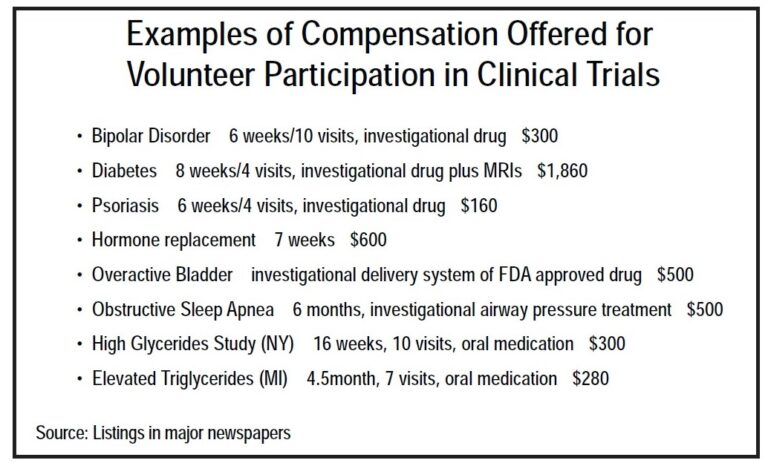
The compensation amount varies widely and depends on many factors including the length of the clinical trial, the number of visits that you’ll need to make during the study and the number and types of procedures that will be performed. Compensation can range from a hundred dollars to several thousand dollars. Partial payments are made over the course of participation. The amount and schedule of payments is proposed by the sponsor of the clinical trial to the IRB overseeing the study. The IRB will review, and in some cases revise, the proposal to ensure that it does not coerce or influence someone to agree to participate. Patient recruitment advertisements usually list compensation amounts. The informed consent document lists compensation amounts and payment schedules. You can also ask whether a trial is offering compensation and the amount when calling a research center to inquire about participation.

Once participation begins, the research center typically writes each volunteer a check as the study progresses—usually on a per-visit basis. A small bonus may also be paid to volunteers who complete the entire study. In some cases, study doctors may dispense approved medication samples and provide additional care free of charge after the trial to show their appreciation to study volunteers.
Any financial compensation paid to study participants is considered taxable income by the Internal Revenue Service (IRS). However, research centers are obliged to report to the IRS only payments to individuals that total $600 or more for the year. These Form 1099s for “Miscellaneous Income” are generally sent out to participants in January, the same month employers are shipping out W-2 forms to their employees.

If a volunteer decides to withdraw from the study before completing the trial, the research center will usually provide partial compensation.
For more information on clinical trials and making informed decisions about volunteering for clinical research, read “The Gift of Participation” by Ken Getz, Founder and Board Chair, CISCRP.

You can find the book here.

To search for medical conditions in a specific location, visit our Search Clinical Trials page.

To stay informed about clinical trials, visit our Resources page.
Improving Representation in Breast Cancer Clinical Trials & Developing Better Medicines for All

Article from CISCRP's Patient Diversity Campaign

Article from our 2021 May Patient Diversity Campaign

The devastating impact of the COVID-19 pandemic, particularly on communities of color, has been a painful reminder of the racial and ethnic disparities that have long existed in our country. In the United States, Black people tend to have higher rates of chronic and progressive conditions, such as high blood pressure, diabetes, and cancer and face greater obstacles when it comes to prevention, detection, and treatment. This is especially true in the breast cancer space. 

  • Black women are often diagnosed at later stages and can often have a worse prognosis [1];
  • Black women face a 20% to 40% higher mortality rate despite overall rates of breast cancer in Black and white women being about the same [2];
  • Black women have a 39% recurrence rate and a 52% higher relative risk of death compared to white women [3]; and
  • Historically, Black women have been under-represented as participants in breast cancer clinical research [4].
 
Through allyship with community partners and leaders in communities of color, Pfizer is focused on continuing to improve diverse representation in breast cancer clinical trials.

Most recently, Pfizer partnered with the Tigerlily Foundation to launch Health Equity, Advocacy and Leadership (HEAL) sessions to advance education around clinical trials for Black women with cancer. The program focused on:

  • Shedding light on the breast cancer journey for women of color.
  • Improving access to breast cancer clinical trials for women of color.
  • Building trust and enhancing the relationship between breast cancer patients and their care partners.
  • Educating women of color on clinical trials and strengthening their capacity to increase awareness and participation in breast cancer clinical trials. 
  • Identifying barriers and determining solutions that can improve access to breast cancer clinical trials, with the hope of sharing these learnings in other treatment areas.

“Race, literacy, financial barriers, access, social, systemic and hereditary backgrounds should not be determinants of life and health equity,” said Maimah Karmo, President, Tigerlily Foundation.

“There are significant opportunities to strengthen engagement among the Black community, healthcare providers, and medical organizations, toward improving health and health outcomes. In order to bring about change, we have banded together with colleagues and friends to advocate for increased access and awareness of breast cancer research for women of color.”

“We are excited to transform systems globally – with one vision – to champion Black breast cancer as a social justice issue and eradicate as many barriers as possible that lead to loss of life for Black women.” 

Race, ethnicity, age, and sex can all impact how different people respond to the same medicine or vaccine. This is why diversity among clinical trial participants is so important. The more diverse a group of clinical trial participants, the more we can learn about safety and efficacy of a potential medicine or vaccine for people who have characteristics like those of the participants. Participation is entirely voluntary and for those in a position to give it, it is a gift.

As a leading global pharmaceutical company, Pfizer is committed to working with Tigerlily Foundation and communities of color to help reduce health disparities. The HEAL sessions provided an inspiring forum that reinforced old and uncovered new commonalities, obstacles, unique experiences of Black patients, and the gaps in access to clinical trials as an option to consider. Each session allowed Pfizer and patient advocates from the Tigerlily Foundation to have open and honest dialogues on the disparities for Black women living with breast cancer, and un-cover potential solutions and tools for patients, caregivers, healthcare professionals, and clinical site staff. 

Carmen White, Pfizer Director, Multicultural Participant Experience said, “I’m so thrilled that the Tigerlily patient advocates, also known as ANGEL Advocates, are among our partners to improve the overall trial experience for future patients. I left each HEAL session moved and motivated.”

Equity is one of Pfizer’s four core values. From medical grants aimed at actively reducing the disparities in care, to resources for patients, caregivers, and healthcare professionals to navigate their unique cancer journeys and treatment decisions, Pfizer has made it a priority to be inclusive, act with integrity, and ensure every person is seen, heard, and cared for. 

Representation matters in clinical research because it ensures that medicines and vaccines in development benefit all.

The HEAL project demonstrates one way Pfizer is doing its part in ensuring women of color are represented in clinical trials. To learn more about joining a clinical trial, please visit pfizerclinicaltrials.com/learnmore. With your help, breakthroughs for all are possible.

References
1. ACS, American Cancer Society (2016) Breast can-
Society, Atlanta
2. Breast Cancer Screening in Women at High-er-Than-Average Risk: Recommendations From the ACR. Monticciolo, Debra L. et al. Journal of the Ameri-can College of Radiology, Volume 15, Issue 3, 408 – 414
3. Black Women Have Higher Risk of Recurrence Than Other Ethnicities, Oncology Times: January 5, 2019 – Volume 41 – Issue 1 – p 24 doi: 10.1097/01. COT.0000552839.22529.72
4. Bonner D, Cragun D, Reynolds M, Vadaparampil ST, Pal T. Recruitment of a Population-Based Sample of Young Black Women with Breast Cancer through a State Cancer Registry. Breast J. 2016 Mar-Apr;22(2):166-72. doi: 10.1111/tbj.12545. Epub 2015 Dec 14. PMID: 26661631; PMCID: PMC4775403. Accessed April 15, 2022

Community Advisory Board Helps Biogen Promote Diversity in Clinical Research

Article from our 2021 May Patient Diversity Campaign

Fifteen years ago, at the age of 42, Israel Robledo was diagnosed with Parkinson’s disease. Shocked, he spent the next nine months coming to terms with his diagnosis. “I was married. I had three girls at home. I was working as a schoolteacher. And I was thinking, ‘Oh my gosh, my life is over,’” he says. “I only knew about older people having Parkinson’s.”

But, after that first nine months, Robledo realized that being a victim didn’t suit him. So, he decided to be proactive and became a patient advocate for those with Parkinson’s disease, working to ensure transparency and diversity in clinical research. Robledo, who is Hispanic, is one of 18 members from underrepresented communities offering their experience to biotechnology company Biogen.

Community Feedback

The Community Advisory Board (CAB) was established to serve as a bridge between Biogen team members and communities that have encountered a lack of education, awareness and access to clinical trials. This includes those who identify as Black or African American and Hispanic and/or Latino, and it has recently expanded to include Native Americans, Indigenous People, Asian Americans and Pacific Islanders. Further compounding these issues is the distrust of clinical trials due to historical events and injustices.

“Let’s face it, pharmaceutical companies don’t have the best reputation,” Robledo observes. “But Biogen is building trust. They realize people of different races and ethnicities react differently to medical issues and to clinical trials.”

The Board was set up in partnership with the Center for Information and Study on Clinical Research Participation (CISCRP), a nonprofit dedicated to educating patients and the public on clinical research participation.

The CAB’s role is two-fold: Help inform Biogen team members on issues regarding race, ethnicity, associated health disparities and awareness initiatives, as well as help Biogen to better communicate with underrepresented communities on points of concern and barriers to accessing clinical trials.
“In forming a Community Advisory Board that is really diverse in membership – representing not just different races and communities, but also individuals who identify with living with conditions and disease areas that Biogen researches – we have the opportunity to listen and learn,” explains Kate Wilson, Biogen’s Head of Health Equity in the Patient Engagement, Equity and Transparency team.

Clear Messaging
Through ongoing conversations on messaging, tone and images, Biogen and CAB members have worked together to create honest and transparent communications geared toward underrepresented communities, their healthcare practitioners and their caregivers. “CAB members were co developers of these materials,” notes
Wilson. “They had seats at the table, and had direct input and feedback. That is how we built our messaging.”

CAB members have provided hundreds of points of feedback on sharing information to patients, ranging from trial descriptions to logistics (such as whether a patient is reimbursed for their travel expenses or paid for their time) to whether a person needs to reveal their immigration status – a real concern for many people and something that Biogen now addresses in its assets. “In all of our materials, we make sure that patients know that information about immigration status will not be collected in any Biogen clinical trial,” says Wilson.

Robledo credits the company for its approach of making direct, immediate changes to communication
materials based on CAB members’ input. “I’ve been a patient advocate with many pharmaceutical
companies, but none have been like Biogen,” he says.


“When other companies ask for patient input, they say, ‘This is what we’ve done. Tell us if you like it or not.’ But Biogen says, ‘Tell us what we need to change so that it
impacts the patient community the way it needs to.’”


The final products are, as Robledo says, “pretty darn good. I take pride in saying these materials are something that we came up with. Providing a voice is why I became a patient advocate.”

Looking to the Future
The CAB and Biogen’s work towards building diversity, equity and inclusion into its clinical research is garnering industry attention, winning the 2021 Global Pharma Patient Champion Award. And Biogen’s recent addition of voices from other underrepresented communities points toward its continued efforts to better understand the
needs and challenges among various populations. The end goal: to better develop potential medicines that are safe and effective for all.

“It’s our way of ensuring that a diverse voice is heard and built into our clinical development and the way we approach drug development,” Wilson says.


“When we look at the work ahead of us to really improve representation in our clinical trials, it’s so critical that we’re involving the diverse communities and voices in that process.”

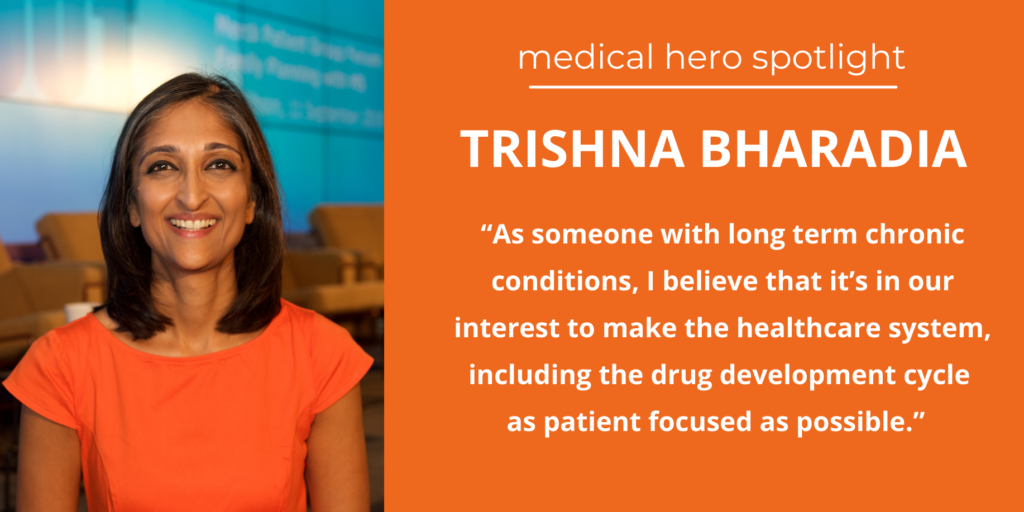
Medical Hero Spotlight: Trishna Bharadia, Advocate for MS & Other Chronic Conditions

Written by Lindsey Elliott, Marketing & Communications Manager, CISCRP | lelliott@ciscrp.org

Living With Multiple Chronic Conditions
“As someone with long term chronic conditions, I believe that it’s in our interest to make the healthcare system, including the drug development cycle as patient focused as possible,” says Trishna Bharadia, advocate for Multiple Sclerosis and many other conditions. “At the end of the day, nearly everyone will be a patient or care partner at some point in their lives. We should be working to make the system more patient-focused.”

Trishna works as a Spanish-English translator for a business intelligence company in the UK, but her self-employed work, including her advocacy initiatives and patient engagement consulting are what she is most passionate about. Trishna lives with several chronic conditions, including Multiple Sclerosis, Obsessive Compulsive Disorder, Irritable Bowel Syndrome, Urticaria, and Angioedema.

Multiple Sclerosis (MS) Diagnosis

Trishna was diagnosed with MS in 2008 at 28 years old. She began showing symptoms three years prior to this diagnosis, beginning with the loss of strength in her hands, and progressing to the loss of feeling on one side of her body. These symptoms triggered Trishna’s journey into the MS diagnostic pathway. She was first referred to a neurologist and underwent testing before receiving her diagnosis of relapsing MS.

“An important fact to keep in mind about MS treatment is that no people experience the disease in the same way,” Trishna explains. Different patients may have different combinations of symptoms and the progression of the disease can also vary. A prime example of this occurrence can be seen within Trishna’s own family. Diagnosed in 2011, Trishna’s twin sister also lives with MS but experiences some different symptoms and has opted for different treatment options.

In Trishna’s case, the standard treatment for her relapsing MS differs from progressive MS. “With my MS, disease modifying therapies are the most common form of treatment. I have been on two of these therapies but unfortunately had issues both times. With the first medication I was on, I developed neutralizing antibodies and became immune to the treatment. The second time, I had adverse side effects including the urticaria and angioedema which then became chronic conditions,” she recalls.

Obsessive Compulsive Disorder (OCD) & Irritable Bowel Syndrome (IBS)

Trishna’s other conditions were not diagnosed until several years after her MS diagnosis. “I lived with symptoms of OCD throughout my childhood and adult life but was not diagnosed until my early 30s,” she explains. “My journey with IBS began around that time as well. Although I had been experiencing some symptoms since a bout of food poisoning many years ago, it was in 2018 that I had a flare-up while travelling abroad for advocacy work and felt so sick I barely ate for several days. When I returned home, I was tested for various conditions, including inflammatory bowel disease which my younger sister lives with, and by process of elimination was eventually diagnosed with IBS,” Trishna shares.

Urticaria & Angioedema

Trishna also works to manage two chronic conditions called Urticaria and Angioedema, both of which began for her in 2013, likely as a result of one of her MS treatments. Urticaria causes chronic hives and angioedema causes deep tissue swelling, often in the face. Although Trishna is currently in remission for both conditions, she notes that it took about 4 years to get the symptoms under control through medication, identifying triggers, and altering her diet. 

“I was having symptoms every day and had to be put on a high dose of steroids and antihistamines to control it,” Trishna recalls. “At one point, these conditions were distressing me more and actually having a greater impact on my life than MS was,” she remarks. “During my first episode of angioedema I could hardly open my eyes, they were so swollen. I looked as though I had been in a boxing match. It was very damaging for my confidence and self-image.”

Clinical Trial Participation

Trishna has been involved in a variety of different types of research studies for MS, including giving biological samples such as blood or saliva for genetic testing, filling out surveys or questionnaires for organizations she is a part of, and even partaking in an exercise intervention study to research what type of fitness routine is most effective for MS patients.

“I am a part of the UK MS register as well as the Twins UK register, so I fill out a lot of surveys for both groups to help drive research for these communities. During the beginning of the pandemic, I participated in a COVID-19 antibody study involving twins through this register by submitting a blood sample,” Trishna explains.

Trishna’s decision to participate in research stems from her belief that clinical trials are vital to the understanding of MS and for the improvement of treatments and access to care for patient communities. “If I can help in some way, then I will. I want to provide a better future for those of us who are living with these conditions and for the people who are yet to be diagnosed.”

Although Trishna has participated in multiple research studies, she has not chosen to join any drug therapy clinical trials. Although having been offered the opportunity, Trishna shares, “I turned them down for different reasons. When consulting with pharmaceutical organizations or CROs to help drive patient engagement, I often remind companies that it is just as important to find out why someone may have turned down a trial as it is to find out the experiences of those who chose to participate.”

In Trishna’s case, there were several reasons why she decided participation wasn’t the best choice for her, including considerations of travel, time involvement, and alternative treatments that were already available to her.

Advocacy Work

Although Trishna lives with multiple conditions, her path to becoming an advocate began the moment she was diagnosed with MS. “I was handed a list of 4 medications by my neurologist and told to come back in a month with a decision of which treatment I wanted to start. There was no help offered in terms of resources or support and it left me feeling lost,” she reflects. “I realized while I was having this experience that there were likely many other people with MS feeling just as alone and as uncertain as I felt.”

From there, Trishna stepped into the world of patient advocacy by joining different national MS organizations in the UK. She began working to raise awareness about MS through campaigning and speaking at different events. “I got involved because I wanted to bring the patient voice into the healthcare system in a way that was louder and more effective than present. I hoped to raise awareness about what it is like living with a chronic illness to try and reduce the stigma I could see happening to people living with these conditions, especially within my South Asian community,” Trishna says.

After speaking at several events, Trishna was approached by larger pharmaceutical companies, clinical research organizations, and healthcare industry professionals who wanted her consultation on their own work in patient engagement. Trishna’s consultancy work began then, focusing on advising companies on good patient engagement practices, health literacy, and improving diversity in clinical trials.

“There are many issues in the healthcare system that affect multiple patient communities. My consultancy work now spans to include a variety of different diseases and I have the opportunity to work nationally and internationally with different stakeholders,” Trishna says.

Trishna has worked on a variety of projects, with the goal to make each step of the clinical trial process more accessible and easier to understand for patients. These include designing clinical trials, advising companies on designing trial protocols, reviewing informed consent forms and other patient materials, advising vendors that are providing tools and solutions to be used during a trial, and helping to develop materials for patients when a trial has ended such as plain language summaries of clinical trial results.

“As advocates we do so many different things like campaigning, driving policy, fundraising, speaking to the media, and working with different stakeholders. I prefer to refer to myself as an advocate, not a patient advocate because I feel that term puts my condition before my work. We are people and advocates first, patients second,” Trishna explains.
National Recognition

Early on in her work, Trishna didn’t realize what she was doing was considered advocacy, noting, “I was just doing what I felt needed to be done.” The impact of her work hit home for Trishna in 2013 when she was awarded the MS Society Volunteer of the Year Award. Since then, Trishna has received many other awards for her work, including a Points of Light Award in 2018, an Honorary Membership of the Faculty of Pharmaceutical Medicine, a Faculty of the Royal Colleges of Physicians of the UK in 2021, and the opportunity to participate in a special 4-part edition of the hit TV series, Strictly Come Dancing, the UK equivalent of Dancing with the Stars.

After the show aired, Trishna recalls being inundated with messages of gratitude and support on social media from viewers who shared that her story had helped begin conversations among friends, family members, and in communities.

“It was such an amazing experience and opportunity for my advocacy work. I got to go on national TV as an Asian person living with MS, an invisible disability, and spread awareness among people who may have known nothing about the disease previously,” Trishna notes. “The legacy has been that we were able to educate so many people as a result.”

To search for medical conditions in a specific location, visit our Search Clinical Trials page.

To stay informed about clinical trials, visit our Resources page.

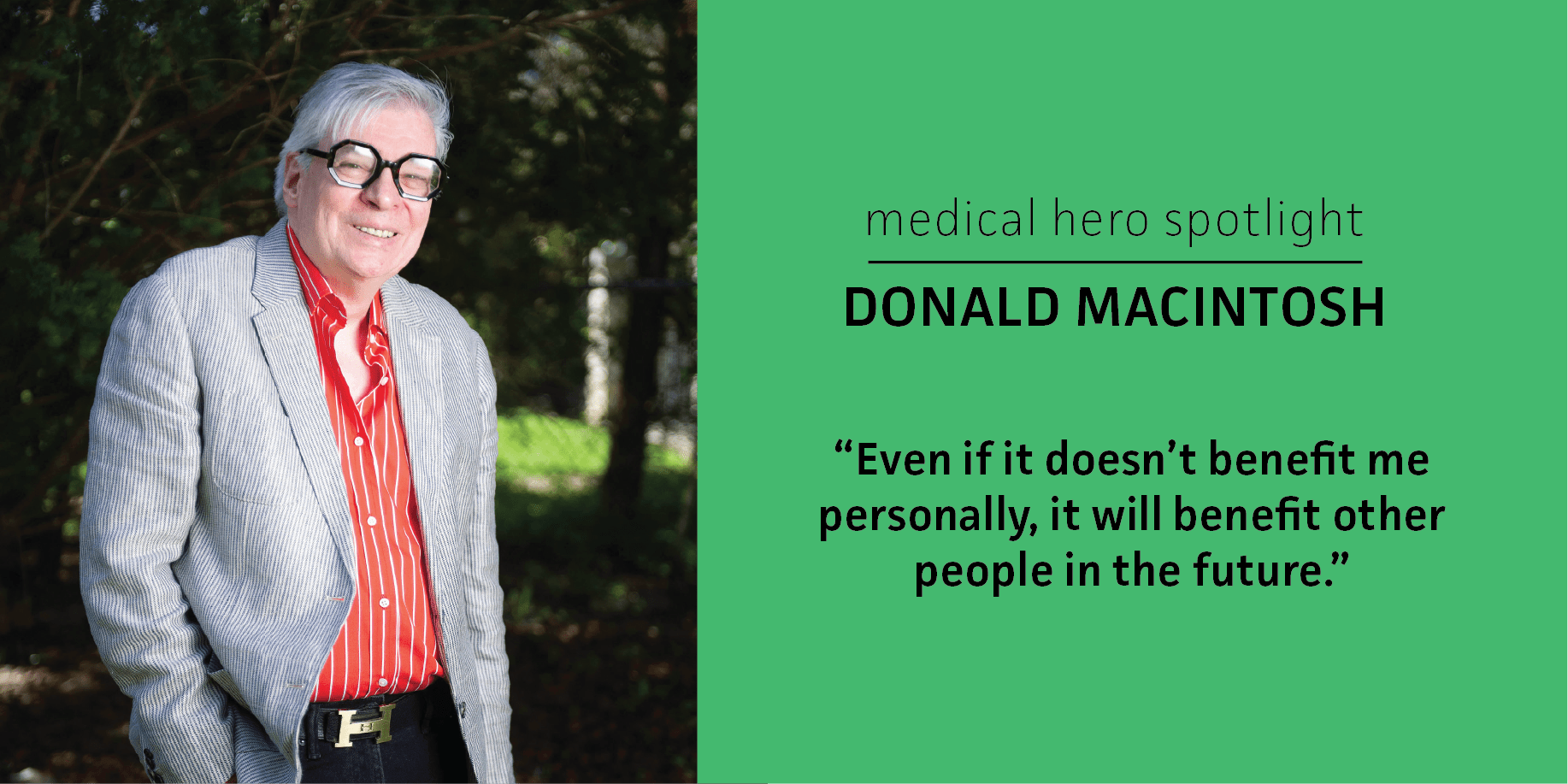
Medical Hero Story: Donald MacIntosh, Alzheimer’s Advocate

Donald MacIntosh had a 25-year career working as an attorney for the Canadian Department of Justice. Smart and with a great memory, he could argue a case referring to just a few pieces of paper. But nowadays, the 69-year-old forgets how to make coffee and can’t remember what he had for lunch.

Shortly after he retired five years ago, MacIntosh, who lives in Toronto, noticed he was having memory problems. He went to his personal doctor, followed by a few specialists. On a cognition test with 10 questions, he was only able to answer two correctly.

After additional tests, doctors diagnosed him with early-onset Alzheimer’s disease (AD), a form of dementia that affects memory, thinking, and behavior.

The National Institute on Aging says more than 6 million Americans, most over age 65, may have dementia caused by AD.

Gobsmacked
MacIntosh couldn’t believe the diagnosis.

“I was gobsmacked,” he says, noting his AD might be inherited. His mother lived with it for 14 years before she died, and his father had a gene linked to the disease as well.

While he still retains long-term memories, his short-term memory fades fast. Nowadays, if he wants to water his plants, he has to turn on a light as a reminder to turn off the hose. Minutes after he starts watching a TV show, he can’t recall what he’s watching. That’s why he was so excited to participate in a clinical trial for a drug being tested to slow the progress of the disease.

“It is a privilege,” says MacIntosh. “Not everyone is in such a trial because either they don’t know about it or they don’t meet the requirements.”

He started the clinical trial in 2016 but recently had to stop participating after he experienced some side effects, including three instances of temporary brain swelling known as ARIA-E.

He credits his wife, Jasmin, with helping him stay as healthy as possible. The couple has been married for 12 years and he’s a stepfather to her three children.“

He is so passionate about getting better. He is very disciplined. In fact, he’s more disciplined now than he’s ever been,” Jasmin says. “He gets up, works out, and reads.

He gets involved in discussions with friends. He’s very positive about the whole thing, which is wonderful.”

Prior to the pandemic, the couple traveled a lot, including cruising a few times a year and going to the theater. MacIntosh still enjoys gardening, socializing with friends, and reading books. He exercises daily, eats healthy, and is focused on maximizing his brain health and cognition.

Jasmin MacIntosh encourages other caregivers to show, “lots of love, support, and encouragement,” to their loved ones with AD.

Advocate
Donald MacIntosh does AD awareness outreach with the Center for Information and Study on Clinical Research Participation (CISCRP), a nonprofit dedicated to educating the public, patients, and medical communities about clinical research.

“People who are afflicted with Alzheimer’s and their loved ones are desperately waiting for a drug to come along that not only is efficacious from a safety point of view, but that also has an effect in terms of slowing down the progression of the disease,” MacIntosh says.

MacIntosh, who remains optimistic, is looking forward to potentially participating in other clinical trials in the future. He encourages other patients to participate, too, explaining there are many benefits including regular exams, free medication, and MRIs.

He has no regrets about participating in a clinical trial. “Even if it doesn’t benefit me personally, it will benefit other people in the future.”
Written by: Kristen Castillo

Article from our June 2022 Clinical Trials Supplement, USA Today. Read more articles from the supplement here.

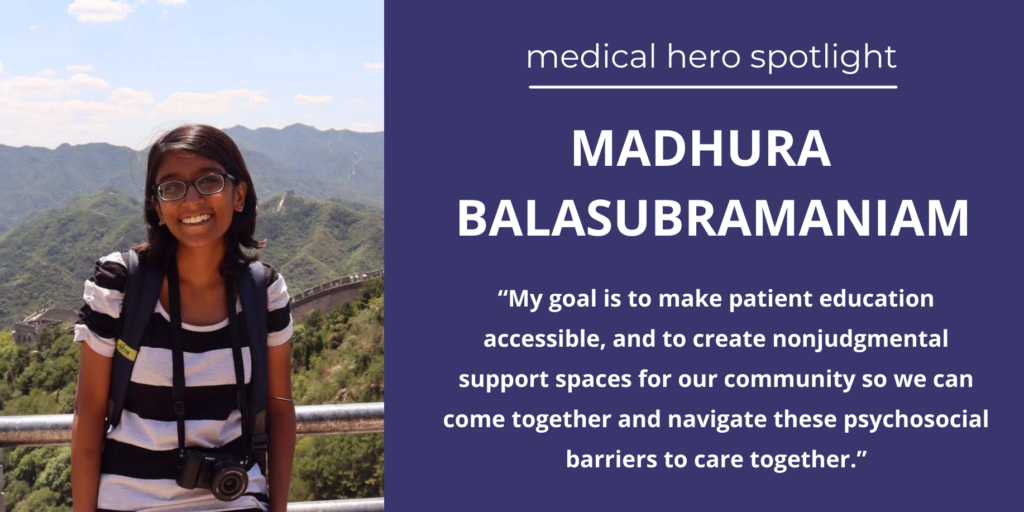
Medical Hero Spotlight: Madhura Balasubramaniam, IBD Crohn’s Advocate

Madhura Balasubramaniam

Written by Lindsey Elliott, Marketing & Communications Manager, CISCRP | lelliott@ciscrp.org

Living With Crohn’s Disease

Although she was only diagnosed with Crohn’s disease in 2019, Madhura Balasubramaniam has been struggling with Inflammatory Bowel Disease (IBD) for most of her life. After a tentative diagnosis of celiac disease in 2005, Madhura opted for a gluten- free diet, hoping to manage her daily symptoms. It wasn’t until her Crohn’s diagnosis years later, that Madhura began her journey towards patient advocacy for the South Asian IBD community. 

Crohn’s disease is part of a series of diseases that fall under the umbrella of inflammatory bowel disease. Crohn’s is a chronic autoimmune condition, progressive in its nature, with the ability to remit and relapse. Crohn’s and other forms of IBD can be treated with a variety of different medications, ranging from immunomodulators to biologics as well as surgery.  

As Madhura notes, “The goal of IBD treatment and care is to ensure that patients enjoy the best quality of life possible, despite the chronic nature of the condition.”

South Asian Culture & IBD Treatment

Madhura lives in Chennai, India, where cultural beliefs and stigma play a significant role in the way South Asian patients with IBD view their disease and seek treatment. Madhura explains, “There is a prevalent belief in the South Asian community and across the diaspora that chronic digestive conditions are induced by a patient’s diet or lifestyle choices, but that’s not the case. All IBD patients may struggle with this stigma, but it is especially difficult for South Asian patients. There is nothing we did as individuals to cause our IBD.” This cultural belief can make patients feel unfairly responsible for their disease.

“There’s the expectation that you should be trying to cure yourself through diet or lifestyle changes, when IBD has no cure. When this ultimately fails, patients may be accused of not trying hard enough. This condition doesn’t respond to those types of modifications and needs long-term medical management,” Madhura says.

Another important factor to note regarding South Asian culture, when considering conditions like IBD is the avoidance and fear of taking medication that exists among its community members. Madhura reflects, “There is a deeply rooted mistrust of medicine, reinforced by poor treatment in the western medical system for minority communities. This is in part why South Asians avoid taking medication, viewing it as a last resort. Additionally, many believe that medication is only a ‘band-aid’; it addresses the symptoms of the illness but does not provide a cure.”

With a pervasive stigma surrounding medication, complimentary or alternative medicine is revered and very popular for South Asian community members. “Practices like Ayurveda and Homeopathy are popular because they profess to treat the whole patient, claim to have no side effects, and promise ‘cures’,” Madhura notes.

“While alternative therapies can, in some contexts, serve as an excellent supplement, I don’t believe they can fully manage a disease like Crohn’s, and they should certainly not be used as a means to justify blaming patients who are struggling with their symptoms.”
Journey to Patient Advocacy

When reflecting on becoming a patient advocate, Madhura explains that her path to advocacy was gradual, and not without overcoming her own internalized beliefs and stigma.

“Throughout my childhood, I felt like I was the only one with my symptoms. I knew no one who had IBD. It was only after my diagnosis that I started speaking about it with others, that other people in my life spoke up about having IBD or knowing someone else who has it. That’s because IBD is so stigmatized in the South Asian community. Talking about chronic bowel symptoms is considered unsavory. I had internalized these norms, so I never shared that I had these conditions. Growing up, I rarely spoke about having a gluten-free diet and never said why. I grew to be ashamed of my symptoms.”

When she was finally diagnosed with Crohn’s in 2019, Madhura describes the feeling of a weight being lifted off her shoulders. “I was so relieved to have answers, but I continued to struggle with the stigma that exists in my culture. I thought I wasn’t sick enough to warrant a biologic treatment.”

After rapidly losing weight and experiencing malnutrition, Madhura’s GI recommended a feeding tube placement. Reaching that point changed Madhura’s perspective on her condition. “This moment is where my IBD advocacy began because it is where my personal advocacy began for my own care. I realized I needed to ask for help to overcome these internalized beliefs and begin to accept medicine. I also started seeking out other South Asian patients with IBD for support.”
Forming Patient Support Networks

Through social media, Madhura found other patients like herself. She met Tina Aswani Omprakash and others. Together with Sharan Kaur and Surakhsha Soond, they founded IBDesis “This is a platform created by a team of South Asians from South Asia and the diaspora, dedicated to uniting and empowering South Asians living with inflammatory bowel disease across the globe.” The creation of IBDesis, which began as a private patient support group on Facebook, has helped bring South Asian individuals living with IBD together, creating a non-judgmental space for members to seek encouragement or ask for advice.

Madhura shares, “We wanted to identify the unmet needs of the South Asian IBD community and find solutions to address these problems. As our community grew, we recognized the importance of including clinicians together to push for change for patients. This was the foundation for forming the South Asian IBD Alliance (SAIA), the first patient-clinician collaborative organization in the IBD space.”

Through the formation of SAIA, Madhura and her co-founders hope to create more accessible educational resources for patients and healthcare providers, minimize disparities the South Asian community faces, improve access to treatment for patients, and increase the participation of South Asian patients in clinical trials. IBDesis is the patient advocacy arm of SAIA.

“My goal is to make patient education accessible, and to create nonjudgmental support spaces for our community so we can come together and navigate these psychosocial barriers to care together.”
Clinical Research & Advice for Advocacy

Although Madhura has not participated in a clinical trial herself, she believes they are incredibly important for the IBD community. “My current diagnosis and treatment are only possible because of the patients who came before me and participated in trials. I am deeply grateful for these IBD patients and the trials available in the IBD space because it makes me feel like I have resources and options in my toolkit,” she says.

When it comes to being a patient advocate, Madhura shares some of her own advice and lessons learned: “Two things that have helped me are employing empathy and active listening for other patients. It’s critical in advocacy that we understand another person’s perspective and value their experiences. There is diversity in experience even in patient communities. Be willing to constantly learn and grow from patients and providers. The more education you have, the more knowledge you can share with your community and the more gaps and unmet needs you can identify and work to solve.”

“I never set out to be an IBD patient advocate. I saw incredible courage from other patients, and they helped me find my voice. The work I do now is to help pay that experience forward.”

To search for medical conditions in a specific location, visit our Search Clinical Trials page.

To stay informed about clinical trials, visit our Resources page.

Sources:

https://ownyourcrohns.com/ibdesis/

https://www.southasianibd.org/

IBDesis Private Support Group: https://www.facebook.com/groups/ibdesis

IBDesis social media handles: @ibdesis


SAIA social media handles: @southasianIBD

Press Release: Center for Information and Study on Clinical Research Participation Receives National Award from Health Industry Leaders

Healthcare Leadership Council Honors CISCRP for Promoting Engagement and Partnership Between Clinical Research Professionals, Patients, and the Public

CAMBRIDGE, MA – The Healthcare Leadership Council (HLC) honored the Center for Information and Study on Clinical Research Participation (CISCRP) with its Redefining American Healthcare Award at a ceremony in Cambridge on Monday, June 6. The event was hosted by BMS, a collaborator of CISCRP’s.


The Center for Information and Study on Clinical Research Participation is a non-profit organization dedicated to educating and informing the public, patients, medical/research communities, the media, and policy makers about clinical research and the role each party plays in the process. Its vision is to educate and empower patients and the public to be viewed and engaged as partners in clinical research.


Healthcare Leadership Council executive vice president, Michael Freeman, praised CISCRP for its impact on clinical trial diversity. “Having a deep understanding of what information influences the decision to participate in a clinical trial has enabled CISCRP to address concerns and make the public feel heard. The multi-pronged approach this group has taken to strategically improve health literacy in targeted communities while working to build trust in the process, has resulted in greater diversity in participation of clinical research trials.”


“CISCRP is truly a pioneer and a leader, bringing together stakeholders across the clinical trial universe to help us improve the accessibility and experience for patients. You have been at the forefront of promoting the importance of diversity. When the pandemic hit, it was CISCRP who was the very first organization to reach out about what this means from the diversity perspective,” stated Richard Campbell, Vice President of Global Clinical Trial Planning & Alliance Management at BMS,


“We are thrilled to be receiving this award,” said Ken Getz, CISCRP Founder and Board Chair. “It is an honor to join such a notable community of past awardees, each of them passionate and committed to educating patients and the public, improving access to care, and engaging with patients and their families as valued partners in clinical research and clinical care.”


Assistant Speaker of the House Katherine Clark, provided a recording to congratulate CISCRP for receiving the award. “CISCRP is improving outcomes for individual patients as well as research and participation for years to come….Your dedication to patient outreach and education has improved countless lives, and on behalf of my colleagues in Congress, I thank you for your contribution to our nation’s health.”


Another collaborator of CISCRP, Jonathan Jackson, Executive Director of the CARE Research Center at Massachusetts General Hospital and Harvard Medical School, shared with the audience, “The best group in town for healthcare education and patient engagement is also the best group in the nation when it comes to this work….The secret to this approach is ensuring that every patient and participant irrespective of their background or history with clinical research has an opportunity to be fully empowered in navigating clinical trials….To Ken and to CISCRP, congratulations on recognition of your decades of engagement work.”


The Healthcare Leadership Council created the Redefining American Healthcare Award to recognize best practices and programs in communities and organizations across the nation that optimize care for vulnerable patients. Award recipients are organizations developing and activating cost-effective, measurable community programs promoting a patient-centered approach to care that considers outside social factors to achieve the best outcomes.

A link to the recording of the ceremony can be found here: https://vimeo.com/user38481162/review/717969368/393f250f1f

Recognizing the Gift of Participation

From "The Gift of Participation" by Ken Getz, Founder & Board Chair, CISCRP

Behind every medicine and treatment are people who gave the gift of participation in clinical trials. Without people to volunteer for clinical trials, the world would be a far different place. New diseases would flourish. Well-known diseases—many of which are managed today with medication and lifestyle changes—would instead cripple, disfigure or kill. Flu epidemics would rage unchecked. Many adults and children stricken with cancer would be buried or facing the end of life as opposed to fighting the disease and living longer and productive lives.

Doctors would have no scientific basis for advising patients to lower their blood pressure or cholesterol, for example. Doctors would have no knowledge helping them determine what medication, diet, or exercise plan to prescribe.

Without the gift of participation in clinical trials, medicine and public health would be reduced to folklore.

Around the world, people are living longer, healthier, and happier lives because people they never met volunteered for clinical trials. Volunteers help researchers explore a promising lead for targeting the cause of illness; for relieving the symptoms of disease; for improving the human condition. Even when researchers find that they are pursuing false leads, study participants play an important role because their experiences redirect researchers to better paths. The gift of participation helps researchers and doctors learn about what works and what doesn’t work in treating illnesses and conditions.

The impact of clinical trial participation is both immediate and ongoing as it continues long after participation has ended, and researchers and medical professionals build on the knowledge gained from that clinical trial. There are innumerous examples of the profound impact that the gift of participation contributes to public health. Here are several well-known examples that capture the enormous value of information and knowledge that comes from volunteers in clinical trials.

For more information on clinical trials and making informed decisions about volunteering for clinical research, read “The Gift of Participation” by Ken Getz, Founder and Board Chair, CISCRP.

You can find the book here.

To search for medical conditions in a specific location, visit our Search Clinical Trials page.

To stay informed about clinical trials, visit our Resources page.

Jeh Jeh Pruitt, A New Advocate for Clinical Trials: CISCRP’s AWARE for All Program Featured by CSL Behring 

In March, CISCRP’s Journey to Better Health | AWARE for All program kicked off its 2022 series of events, with a first stop in Birmingham, Alabama. The event promoted clinical research education and shared resources with the Birmingham community, bringing together local study participants, healthcare professionals, and a combination of local and national exhibiting organizations. 

The AWARE for All – Birmingham event featured special guest Jeh Jeh Pruitt, Sports Anchor & Reporter at FOX 6 News, and co-founder of The Dannon Project, a non-profit dedicated to helping local unemployed at-risk youth and non-violent offenders reentering society.  

In a recent interview with CSL Behring, Jeh Jeh shares his experience as a kidney donor, his growing involvement in clinical trial advocacy, and his experience learning more about the importance of clinical research at the AWARE for All – Birmingham event. 


Read the full article on CSL Behring’s website here. 

Visit the 2022 AWARE for All page to learn more about this program and upcoming events. 

To search for medical conditions in a specific location, visit our Search Clinical Trials page. 

To stay informed about clinical trials, visit our Resources page. 


Press Release: From Subject to Partner Publication

CISCRP Launches New Publication Marking the 20th Anniversary of TIME Magazine’s Clinical Research Issue and Commemorating the Patient Engagement Movement

BOSTON, MA, April 25, 2022 – The Center for Information and Study on Clinical Research Participation (CISCRP), announces that it has produced and launched a special publication – ‘How Clinical Research is Engaging with Millions of us as Partners in Advancing Medicine.’ The publication marks the 20th anniversary of TIME Magazine’s article How Medical Testing has Turned Millions of Us into HUMAN GUINEA PIGS, and celebrates progress made by patient communities and the public through two decades of engagement with the clinical research community. 

The April 2002 TIME magazine issue was an inflection point denoting more rapid adoption of patientcentric practices in clinical research,” said Ken Getz, Founder of CISCRP and Executive Director and Professor at Tufts University School of Medicine. “It was also the impetus for CISCRP, a unique nonprofit education and advocacy organization whose mission is to inform and engage patients and the public around the world as partners in clinical research.” 

The main story in the commemorative publication, written by an award-winning journalist, spotlights a variety of initiatives that have been implemented to amplify patient voices and needs, educate the public, improve transparency and disclosure, enrich the clinical trial participation experience, and promote collaboration between patients and clinical research professionals. Among the initiatives spotlighted: virtual and remote technologies improving participation convenience and data collection, the return of plain language clinical trial results, and patient input panels informing protocol design. The publication also unveils a new cover graphic designed by the creative team at global agency RAPP and is intended to replace and rebrand the image of patients and the public as central and essential collaborators in the clinical research process. 

“You can’t speak for someone with a rare disease unless you’ve really been with them through it and been a part of it,” noted Julie Breneiser, who was diagnosed with Gorlin Syndrome (a rare genetic disorder) and serves as Executive Director of the Gorlin Syndrome Alliance. 

“The burden of a clinical trial has to be balanced against the patient’s experience living with a disease or condition,” explained Kim Down, National Institute for Health Research (NIHR). 

The commemorative publication is available for download free of charge at www.from-subject-to-partner.org  and print copies are available upon request.