The Couple That’s Empowering Communities of Color to Participate in Parkinson’s Disease Clinical Trials

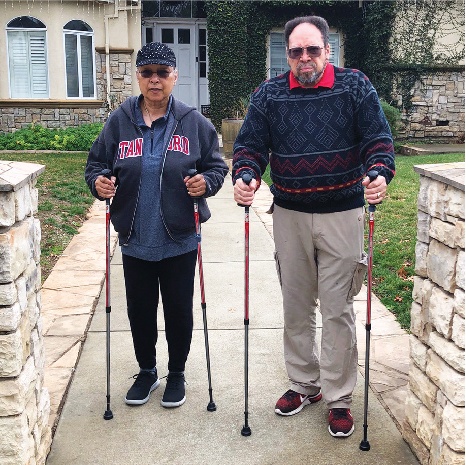
When Denise Coley started shaking one Thanksgiving, her family became concerned. What followed was a Parkinson’s disease diagnosis that spurred an empowering journey she’s still on today.

Parkinson’s disease (PD) is a chronic, progressive movement disorder that occurs when nerve cells in the brain don’t make enough dopamine, a chemical that typically helps the body to move easily and with coordination.

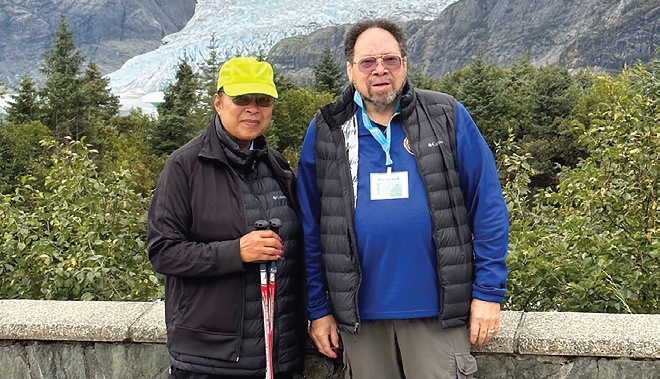
Denise Coley, 70 years old and a grandmother of four, was diagnosed in January 2018. She thought her life was over. She had balance issues, trouble walking, stiffness, problems with motor skills, insomnia, and fatigue. She had a “pity party” for herself but didn’t let the disease, which doesn’t have a cure, keep her down for long. Instead, after a long career in supplier diversity consulting and community outreach, she decided to commit to pro-viding education and support to others with PD.

“I just had to take everything that I had from the past — my education, my resources, my experience giving back — and become an advocate to bring awareness to this disease,” Coley said.

Cultural awareness

“Denise got the diagnosis, but the fam-ily got Parkinson’s disease,” explained Denise’s husband and care partner, Bernard. “Parkinson’s affects not just the patient, but all those around the patient, and especially the immediate family.

Denise has resources to manage her disease, as well as the support of her family, but she knows not everyone with PD is as fortunate. She and Bernard are PD research advocates, especially for Black PD patients and other people of color. They took courses from a learning institute and got empowered as PD patient, caregiver, and now, advocates. They know there are disparities in health that people of color experience, including lack of access, late diagnosis, and lack of cultural awareness in service providers.

The Parkinson’s and Movement Disorder Alliance (PMD Alliance) says Black patients have a higher risk of death from PD compared to white patients. A delayed diagnosis is a significant cause of this, with patients often being further along in disease progression. Further, PMD Alliance says more clinical trials need to report their participants’ racial composition, since current data shows that less than 2% are Black.

That’s why the Coleys, who have been married for 46 years, spent two years assisting the compiling of, “The PD Movers, We Keep Moving: Living and Thriving with Parkinson’s Disease in our Black and African American Communities,” a culturally sensitive e-book for outreach to the Black com-munity. They say the community needs to get engaged and increase awareness about PD, and stories in the e-book highlight the challenges and opportunities someone with the condition faces in a culturally sensitive way.

Clinical research

Denise, who’s participated in many clinical trials, wants to live her best life. For her, it means being able to engage with her grandchildren. She does Rock Steady Boxing and tai chi, which help improve her balance and motor symptoms.

The couple wants clinical trials to recruit more people of diverse back-grounds, and to get people of diverse backgrounds to help design and review the clinical studies as well.

“We are one diverse patient away from solutions to various medical conditions that are out there in the world,” said Bernard.

Next, the Coleys are doing a Black learning initiative with community outreach and engagement. They are sharing stories of people with Parkin-son’s disease to help engage the com-munity. They say without engaging and addressing culture, it will be difficult to recruit people from the community to participate in clinical trials. 

Their work is having an impact: “We’re putting a pebble in the water, and all those concentric circles are getting more and more people involved and educated,” says Denise.

Written by Kristen Castillo
To search for medical conditions in a specific location, visit our Search Clinical Trials page.

To stay informed about clinical trials, visit our Resources page.

Volunteer opportunities with CISCRP, visit our Volunteer page.

Improving Health Outcomes Through Equity and Access

Better access to healthcare equals better health outcomes. Oftentimes, health outcomes depend on factors beyond the control of patients and their doctors. Disparities across age, gender, race, ethnicity, and socioeconomic level are some examples. Biogen’s approach toward health equity involves researching and understanding these issues as well as their compounding factors, such as, inadequate representation in
clinical trials and limitations to accessing care. Overall, the goal is clear: improve health outcomes for Black, African American, Hispanic, Latino, and other underserved communities in Biogen’s main disease areas.

Issues of culture awareness and mistrust remain prevalent alongside a host of other considerations prior to enrollment in a clinical trial. To address these issues, Biogen uses a multi-channeled health equity strategy
which includes incorporating diverse community perspectives and insights into our drug development and
engaging with communities by partnering with organizations to educate, build awareness, establish trust, and drive health equity.

When recruiting for clinical trials, Biogen teams are building patient engagement strategies including setting race and ethnicity recruitment targets for their trials that reflect the patient populations they intend to treat.
These targets are supported by robust DE&I and patient-focused drug development strategies. The results are
clear with 2021 having 100% of studies in the U.S. including a plan to recruit participants from underrepresented communities to ensure the study population is representative of the intended treatment population.

Biogen has also fostered employee collaboration to increase awareness of health equity needs cross-functionally.
In 2021, they introduced a Health Equity Ideas Cafe Series to deepen organization-wide understanding of Biogen’s commitment, including representation in clinical trials and equitable access.

Biogen’s approach to health equity is guided by the motivation to help those who have historically been underserved. Concretely, this commitment to health equity looks like: clinical trial diversity, empowering underrepresented groups, engaging employees, and launching new tools to improve accessibility.

To learn more, visit, biogentriallink.com

Written by Biogen

To search for medical conditions in a specific location, visit our Search Clinical Trials page.

To stay informed about clinical trials, visit our Resources page.

Volunteer opportunities with CISCRP, visit our Volunteer page.

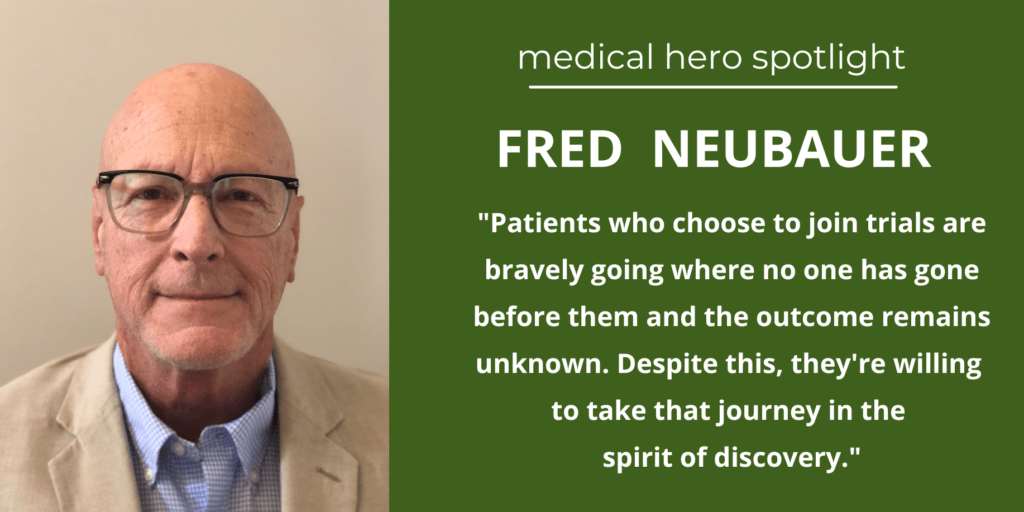
Medical Hero Spotlight: Fred Neubauer, Cholangiocarcinoma Patient Advocate

Cholangiocarcinoma Diagnosis

In 2019, Fred Neubauer was seen by his doctors for a kidney stone, a somewhat regular problem he had every few years. When the stone passed, Fred noticed abnormal effects, including an excess amount of blood in his urine. As a precaution, his doctor ordered an MRI scan and coincidentally found a large mass on his liver. Fred was immediately referred to a hepatologist who diagnosed him with Stage IV Intrahepatic Cholangiocarcinoma, a rare form of cancer that forms in the bile duct of the liver.

“This was news to me. I had no symptoms at all of cancer, although this is common for people with cholangiocarcinoma,” Fred recalls. By the time it was discovered, Fred’s cancer had metastasized to his vertebrae, ribs, and one side of his hips. His doctors began treatment by installing a port and beginning chemotherapy, which Fred remained on for a year. However, the chemo took a toll on Fred physically, causing his platelet count to drop significantly so he could no longer withstand treatment. 

“The chemo was keeping my cancer from growing, but it wasn’t shrinking the masses at all. It was too much to keep up with,” Fred recalls.
Treating Cholangiocarcinoma

As with every type of cancer, there are many treatment options available for patients, depending on their health and how advanced their cancer is when diagnosed. For Stage I and Stage II Cholangiocarcinoma patients, the cancer is confined to the liver. If the tumor is not near the hepatic vein, doctors can cut out that portion of the liver in a process called a hepatectomy or perform a liver transplant. For more advanced stages of Cholangiocarcinoma, transplants and hepatectomies are not possible.


After his initial round of chemotherapy, Fred realized he needed a more specialized care team to help treat his cancer. He transferred his records to MD Anderson where he was advised to recover from chemo for a couple of months. After this, he began three weeks of radiation, focusing on destroying the large tumor in his liver, while preserving the rest of the organ. “Early on in my treatment I had a biopsy done which was sent off for bio-marker testing to determine which cancer mutation I have and what medications I would be eligible to take,” Fred shares. After radiation, Fred started taking a targeted therapy medication approved by the FDA that wipes out only cancerous cells. The combined treatment has been largely successful. However, Fred’s care team is considering taking him off the medication, since they worry his cancer could eventually mutate to render the drug ineffective if used for too long.

The Cholangiocarcinoma Foundation (CCF)

Fred found the Cholangiocarcinoma Foundation (CCF) first as a patient looking for resources about his cancer and for a community of other patients to connect with. Since then, he’s joined CholangioConnect, a mentor program that allows for peer-to-peer connection among Cholangiocarcinoma patients. “This program is unique because it matches mentors with patients not only based on their cancer but based on their interests and preferences so a more personal connection can be made, and hopefully a friendship,” Fred shares. “They surveyed me when I applied to learn about me and the type of support I can provide and do the same with other patients.”

 
Through the CCF, Fred has taken on the role of a research advocate, attending conferences to become educated about Cholangiocarcinoma and the new drugs available to treat this cancer. Recently, Fred has begun to apply for several clinical trials he’s found through CCF as his next treatment option.

Clinical Trial Enrollment
“There’s only 5,000 to 8,000 Cholangiocarcinoma patients diagnosed each year in the United States. The prognosis of a Stage IV diagnosis has been estimated as 4 months survival. I’ve been living with this cancer for 3 years, which tells you a lot about the advances in treatment and improvements in quality of life for patients,” Fred notes. “For such a small group, we are light years ahead in terms of clinical trial participation, which I am lucky for.”

Through CCF, Fred was connected to ciitizen.com, a free service that provides medical storage of all his imaging, bloodwork, and other documentation digitally. As a patient, Fred can easily allow access of his records to family members, new doctors, and even research teams of trials he is applying to join. Additionally, Ciitizen stores genetic testing from blood samples and biopsies submitted by Cholangiocarcinoma patients. When new clinical trials are available that Fred would be eligible for, her is sent a message through the platform, streamlining the process.

Fred shared that he is fortunate to have only experienced minor side effects from his treatment, allowing him to continue leading an active lifestyle. For many cancer patients, this is not the case, as extreme fatigue is common when treatment takes a physical toll on those battling Cholangiocarcinoma. “Physically I have the energy and mentally I’m prepared to participate in a study,” Fred says. However, to be eligible for clinical studies, Fred’s kidney function, liver function, and blood chemistry testing will have to meet a certain threshold. Fred is awaiting results from several studies he’s applied to, hopeful that he has qualified.

“This type of cancer is very aggressive, it’s scary. Anything I can do while I’m still able to expand and improve treatment like clinical trials, I’m all for,” Fred shares.

Although battling Cholangiocarcinoma has been challenging, Fred’s family, friends, and church community have been incredibly supportive of his journey as a patient advocate and his decision to enroll in clinical trials. “My wife is 100% on board and even works with the CCF foundation now. If I’m selected for a study, I know she’ll support me,” Fred says.

Fred’s desire to enroll in a clinical trial stems not only from the need for a new treatment option, but is also rooted in his hope to help the Cholangiocarcinoma community and contribute to medical advancement.

“I compare this process to being an astronaut. There’s a lot of brilliant people who could be astronauts, but you’re selected based on your commitment and bravery. Patients who choose to join trials are bravely going where no one has gone before them and the outcome remains unknown. Despite this, they’re willing to take that journey in the spirit of discovery,” Fred says.

To those considering enrolling in a clinical trial, Fred advises patients to educate themselves, review all their options, and get a second opinion if they’re not sure. He also encourages patients to assess themselves physically and mentally first, before speaking with a doctor. “Meeting certain medical criteria is important, but research teams need to look beyond blood work and assess individuals as a whole. If you’re thinking of joining a clinical trial, consider other factors such as your passion, mental fortitude, and the time commitment you are willing to give to a study,” Fred advises. “Make sure you are fully aware of all the risks, benefits, and what the process involves.”

Additional Resources:

https://cholangiocarcinoma.org/

https://www.ciitizen.com/

To search for medical conditions in a specific location, visit our Search Clinical Trials page.

To stay informed about clinical trials, visit our Resources page.

Volunteer opportunities with CISCRP, visit our Volunteer page.

Written by Lindsey Elliott, Marketing & Communications Manager, CISCRP | lelliott@ciscrp.org

Press Release: CISCRP Receives Innovation Award from FDA’s Office of Minority Health and Health Equity for Research Project on Pilot Mobile Community Engagement Initiative

Initiative Aims to Bring Clinical Research Education and Resources to Medically Underserved Communities

BOSTON, MA — The Center for Information and Study on Clinical Research Participation (CISCRP), a nonprofit organization dedicated to educating and informing the public about the clinical research process, has received a new award from the Food and Drug Administration’s Office of Minority Health and Health Equity (FDA OMHHE).  The OMHHE innovation award will fund a grassroots pilot research project titled “Evaluating Impact of Mobile Community Education Engagement Initiative on Perceptions and Behaviors Related to Clinical Research Among Underserved Populations,”  designed to offer and integrate educational programming and resources about clinical research into the heart of select underserved communities nationwide.

“We are excited to collaborate with CISCRP on this important pilot research project that meets communities where they are, so that everyone has an opportunity to learn and become more informed about clinical research,” said RDML Richardae Araojo, FDA Associate Commissioner for Minority Health and OMHHE Director.

Empirical research in peer-reviewed literature indicates that there has been underrepresentation of racial and ethnic minority populations in clinical trials conducted during the past two decades. Research also shows that low levels of awareness, lack of trust, and poor access to clinical trials are among the top causes of these disparities.

The research project hopes to identify practices that address these issues of underrepresentation through a coordinated, grassroots mobile community education and engagement campaign. CISCRP – in partnership with patient communities and health literacy experts – will develop an educational exhibit within a mobile RV, train local community liaisons and educators, and visit health and cultural activities in select urban centers in the U.S. Throughout the initiative, CISCRP will assess and report on the program’s impact and lessons learned.

“Our mission is to educate and engage with the public and patient communities where they live and learn, and to do so in collaboration with key individuals who reflect the communities,” said Ken Getz, CISCRP Founder and Board Chair. “We are very excited about this pilot project and, at its conclusion, hope to expand its scope nationwide.”

CISCRP has 20 years of experience developing and bringing award-winning grassroots clinical research education through the Journey to Better Health | AWARE for All program, and provides accessible, high-quality education and advocacy to the public and to patient communities.

About CISCRP

The Center for Information and Study on Clinical Research Participation (CISCRP) is a 501(c)(3) nonprofit organization dedicated to educating and engaging the public and patients as partners in the clinical research process. CISCRP provides free education, resources, and advocacy services to patients and the public. Visit www.ciscrp.org for more information. For additional questions about the mobile community engagement initiative, please contact Joan Chambers, jchambers@ciscrp.org, or Lindsey Elliott, lelliott@ciscrp.org.


To search for medical conditions in a specific location, visit our Search Clinical Trials page.

To stay informed about clinical trials, visit our Resources page.

Volunteer opportunities with CISCRP, visit our Volunteer page

Improving Health Outcomes through Equity and Access

Article from our 2022 October Patient Diversity Campaign

Better access to healthcare equals better health outcomes. Biogen strives to increase access and address the barriers that patient populations face. Oftentimes, health outcomes depend on factors beyond the control of patients and their doctors. Disparities across age, gender, race, ethnicity and socioeconomic level are some examples. One of the key parts to Biogen’s approach involves researching and understanding these issues as well as their compounding factors, such as, inadequate representation in clinical trials and limitations to accessing care. Overall, the goal is clear: improve health outcomes for Black, African American, Hispanic, Latino and other underserved communities in Biogen’s main disease areas.

Research and Collaboration

Issues of culture awareness and mistrust remain prevalent alongside a host of other considerations prior to enrollment in a clinical trial. To address these issues, Biogen uses a multi-channeled health equity strategy which includes incorporating diverse community perspectives and insights into our drug development and engaging with the community by partnering with organizations to educate, build awareness, establish trust, and drive health equity.

In partnership with the Center for Information and Study on Clinical Research Participation (CISCRP), Biogen formed a Community Advisory Board (CAB) of patient advocates from underserved and underrepresented communities who co-develop honest and transparent educational assets for patients, HCPs and clinical trial sites to discuss the importance of diversity in clinical trials. The CAB has also advised on various program and study designs as well as the development of Biogen Trial Link, a publicly facing website to learn more about and find clinical trials.

In collaboration with the National Minority Quality Forum (NMQF), Biogen launched the Clinical Trial Index and Clinical Trial Learning Community (CTLC) which uses U.S. heat maps of Medicare/Medicaid beneficiary data by patient demographics and maps them against clinical trial site locations. This information seeks to identify the right sites in the right locations to meet patient needs. The CTLC launched as a virtual space for local stakeholders and subject matter experts to integrate routines in local care networks to increase underrepresented and underserved population participation in clinical trials.

Clinical Recruitment and Specific Disease Areas

As the clinical study recruitment begins, Biogen teams track and report their progress toward the study targets that represent the epidemiology of their respective disease. Given this commitment, 2021 had 100% of Phase 1–4 studies in the U.S. including a plan to recruit participants from underrepresented communities to ensure the study population is representative of the intended treatment population. They also launched an Internal Participant Demographic Distribution Dashboard to track and measure the demographic distribution of participants across programs and studies, and to compare directly to epidemiology targets. Within certain disease areas, Biogen has built community and faith-based outreach and education programs for disease awareness and general clinical trial education with trusted organizations such as HEAL Collaborative and Proximity Health Solutions.

In Alzheimer’s specifically, they have sponsored the Bright Focus Foundation’s Virtual Community Outreach Series, bringing sustained Alzheimer’s disease and clinical trial education and access to communities with an underrepresented focus. Additionally, Biogen co-developed a paper with the NMQF titled “A Roadmap for Real-World Evidence Generation in Alzheimer’s Disease.” It highlights how real-world evidence can include larger patient populations that are historically underrepresented in randomized controlled trials.

In Lupus, Biogen collaborated with Saira Z. Sheikh, M.D., Director of University of North Carolina (UNC) Rheumatology Lupus Clinic and Director of the Clinical Trials Program at UNC’s Thurston Arthritis Research Center, to gather insights on barriers to clinical trial enrollment among underrepresented groups. These insights are being used to inform Biogen’s clinical development programs in lupus and address equity in study participation. For the Phase 3 studies in systemic lupus erythematosus (SLE), Biogen set enrollment targets that reflect the prevalence of SLE in Black or African American and Hispanic and/or Latino communities to achieve appropriate representation. Through partnerships with community-based Proximity Health Solutions and faith-based HEAL Collaborative, along with expert panels of community leaders, HCPs and patient advocates, they participated in seven events across the U.S. in 2021 to educate communities about lupus and clinical trial research.

A Holistic Approach to Inclusion and Equity

Beyond this commitment to the patients and their specific needs, Biogen also focuses on the workers involved in clinical trials. In 2021, they joined the Association of Clinical Research Professionals (ACRP) as part of ACRP Partners in Workforce Advancement™, which works to expand the diversity of the clinical research workforce and to set and support standards for workforce competence.

Additionally, Biogen has fostered employee collaboration to increase awareness of health equity needs cross-functionally. In 2021, they introduced a Health Equity Ideas Cafe Series to deepen organization-wide understanding of Biogen’s commitment, including representation in our clinical trials and equitable access. The three-part series engaged internal and external guest speakers on themes of lupus awareness, patient voices and community partnerships, and equitable access to healthcare. In addition, Biogen hosted an event with John Sawyer, Ph.D., ABPP-CN and a board-certified clinical neuropsychologist of the Ochsner Neuroscience Institute; and Donnie Batie, M.D., on successful approaches to caring for underrepresented patients.

From their research into healthcare disparities and patients’ needs, Biogen’s approach to health equity is guided by the motivation to help those who have historically been underserved. Concretely, this commitment to health equity looks like: clinical trial diversity, empowering underrepresented groups, engaging employees, and launching new tools to improve accessibility.

Visit Biogen Trial Link to learn more about clinical trials and how you can support equity and access efforts such as these.


To search for medical conditions in a specific location, visit our Search Clinical Trials page.

To stay informed about clinical trials, visit our Resources page.

Volunteer opportunities with CISCRP, visit our Volunteer page

Learn more about our Patient Diversity Campaign Here

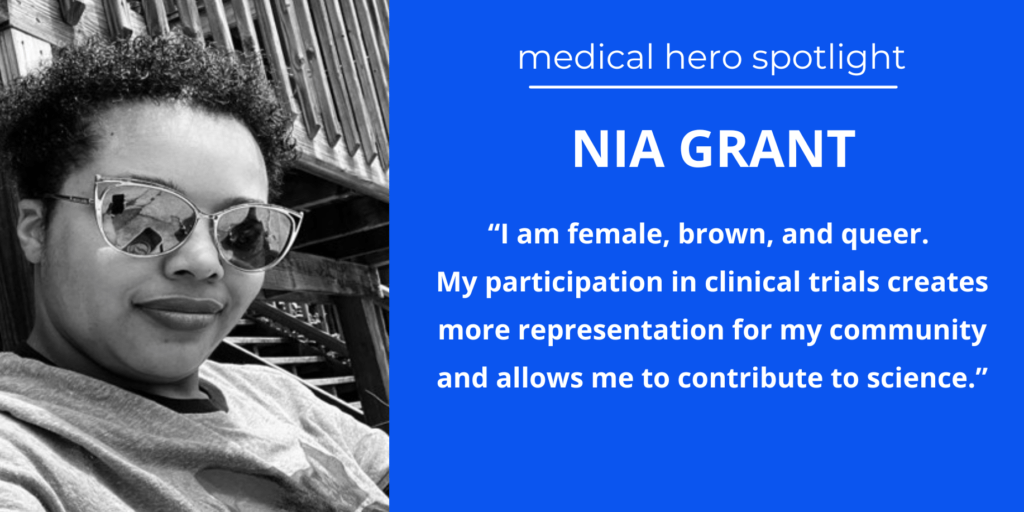
Medical Hero Spotlight: Nia Grant, Type 1 Diabetes Clinical Trial Participant

Type 1 Diabetes Diagnosis

In 2007, Nia Grant was a senior at Spelman College, anxiously awaiting spring break so she could go on a trip to visit family in Florida. In the weeks leading up to the trip, Nia found herself struggling to sleep through the night and making frequent bathroom trips, which she attributed to the stress of midterms season as a college student.

 
On the 6-hour drive to Orlando, Nia’s symptoms only increased. “The longer we were in Florida, the worse I felt. We visited Disney, and I had to go to the bathroom constantly,” Nia recalls. It was in the middle of the night when Nia became nauseous and sick, and she and her family began to worry. The next morning, Nia’s sister drove her to the Emergency Room to be checked. “The nurse handed me a clipboard with intake forms to fill out and it was then that I realized I couldn’t see well enough to read the page,” Nia notes.

Assuming she had perhaps contracted food poisoning or another virus, Nia was tested and awaited results with her sister and friends. Eventually, Nia’s doctor visited her room and asked, “How long have you been diabetic?”

“That’s how I found out I had Type 1 Diabetes,” Nia explains. “I was so shocked. I called my mom on the phone and had the doctor tell her my diagnosis because I knew she wouldn’t believe me. She flew down to Orlando the next day.”

 
Nia remained in the ICU for a week recovering. There, she learned how to use insulin by first practicing on an orange before trying her own body. When she was released, she flew back to Atlanta to finish her senior year and began the journey of living with diabetes.

Finding Treatment

While the standard treatment for Type 1 Diabetes (T1D) is insulin, this is only one aspect of how Nia manages her condition. Food, exercise, and lifestyle choices are also important components that people living with Type 1 Diabetes must consider. “I’m lucky that I have such a strong support system and people in my life who have educated themselves about diabetes or who have it themselves. When I say, ‘I’m low’, I don’t have to explain to my friends what that means, which is nice,” Nia reflects. As with many chronic conditions, there are no days off from T1D and individuals living with the disease must be vigilant and make important choices to maintain their health. “I think it’s critical to remember the people behind the disease,” Nia advises. When Nia was first diagnosed, she sought out resources and support online, looking to existing diabetes advocacy and support groups. There, she made close friends and found a community that understood her condition and offered support and advice.

Getting Involved in Clinical Trials

Nia has been in several clinical trials, the first for an insulin pump four years ago. “I love clinical trials,” Nia gushed. “They are an opportunity for the average person to be involved in complex medicine.” Nia is a proponent of participating in clinical trials because of the need for diverse representation in these studies.

“A lot of times in clinical trials, you don’t see people who look like me. There’s a well-documented history of mistreatment of African American people in medicine. I am female, brown, and queer. My participation in trials helps to make the process more transparent and creates more representation for my community,” Nia explains.

Nia shares the important reminder that the more diversity in a trial, the better data can be collected and the better chance for treatments to be developed that are effective for all communities.

Although there are many important reasons Nia recommends participating in a clinical trial, she also acknowledges some of the barriers that can make participating difficult. “I live in Baltimore with a lot of great research institutions but was assigned to a hospital site in Virginia, 3 hours away from me. If a trial requires you to have visits in-person, that can take an entire day of driving and requires transportation, time off work, and in some cases childcare,” Nia notes. Another barrier for African Americans and other members of minority communities is the lingering fear and mistrust that still exists from past medical mistreatments. Nia admits that this fear still lingered in the back of her mind, but she pushed herself to take the step to participate and is glad she did. “It’s important to know that if you’re thinking about joining a trial, you have the right to ask as many questions as you’d like, in fact it’s encouraged. Clinical trial care teams want you to understand the process and make an informed decision,” Nia explains.


For anyone considering participating in a clinical trial, Nia advises, “Do it! I know that participating can sound scary or overwhelming, but this is your chance to contribute to science. The more data researchers have, the better data it is for the development of treatments and cures for you and members of your community. How cool is that?”

To search for medical conditions in a specific location, visit our Search Clinical Trials page.

To stay informed about clinical trials, visit our Resources page.

Volunteer opportunities with CISCRP, visit our Volunteer page

Written by Lindsey Elliott, Marketing & Communications Manager, CISCRP | lelliott@ciscrp.org

Wondering How to Take Charge of Your Health? Clinical Research Can Play a Key Role

For most of us, medication is a staple in our daily lives. Whether you’re taking Ibuprofen for a headache, Zyrtec for allergies, or picking up a prescription at the pharmacy to treat a more chronic condition, you are ultimately benefiting from the clinical research that made these treatments possible.

Clinical research plays an important role in the development of new treatments and the advancement of medicine, yet its role is not widely understood. That’s why CISCRP, a nonprofit organization dedicated to informing and sharing resources with the public, created our free health and wellness program, Journey to Better Health | AWARE for All.

Traveling to communities across the country, the Journey to Better Health Program’s next stop is in San Diego, where CISCRP will be hosting a free community health event on Oct. 6. This event will be held from 5-8 p.m. at the Scottish Rite Event Center.

Here’s why San Diegans should attend this upcoming health event:

  • Meet with 20+ local exhibiting organizations.

If you’re looking for specific resources for yourself or a loved one relating to a medical condition, our exhibit hall presents the perfect opportunity to make local connections and access free resources. Our exhibitors include a variety of organizations, including Alzheimer’s Association, The Scleroderma Foundation of California, American Liver Foundation, VA San Diego Medical Center, Pacific Research Network, and many more.

  • Receive free health screenings – no health insurance needed.

In addition to the resources offered by our exhibiting organizations, this event offers opportunities to receive free health screenings. Stop by the Sharp Research Institute’s table to learn more about their services and take a memory screening, or receive blood pressure and glucose screenings from Velocity Clinical Research. Rapid Hb1AC tests will also be available.

  • Hear what to expect when joining a clinical trial and how they are conducted.

If you’ve never been in a clinical trial, you may not know how the process works, what to expect, or even how to find a study you’d like to be a part of. Listen to an overview presentation that shares the basics of the clinical trial process, how they have been made safe for patients, the importance of diverse representation in clinical research, and how to decide if participating is right for you.

  • Listen to San Diegans share their experiences participating in clinical trials.

Without study volunteers and the healthcare professionals who oversee these studies, clinical research would not be possible. Hear from local community members who share their experiences participating in a trial in a panel discussion. Our panelists will share why participation is important to them, ways clinical research can be made more inclusive, and will take time to answer any questions attendees have.

  • Education is power.

When it comes to our health, the more knowledge we have about our options, the better choices we can make for ourselves or loved ones. Attending Journey to Better Health | AWARE for All – San Diego will provide attendees with vital informational knowledge about the health and wellness resources available to them, including clinical research participation.

Written by Lindsey Elliott | Marketing and Communications Manager, CISCRP

View this article published by Times of San Diego, here.

Learn more about CISCRP’s AWARE for All program and upcoming events here.

To search for medical conditions in a specific location, visit our Search Clinical Trials page.

To stay informed about clinical trials, visit our Resources page.

Volunteer opportunities with CISCRP, visit our Volunteer page

DEI Series — Educating Clinical Research Practitioners Through Video

Recently, CISCRP partnered with WCG to create a video for researchers and study staff that emphasizes the importance of diversity in clinical trials. In addition to educating the public, raising awareness among research professionals about the importance of Diversity, Equity, and Inclusivity (DEI) is critical to increasing cultural competence and understanding of participants’ needs.

You may have read our post about how videos are becoming a key tool of health literacy, and how clinical research could benefit from more videos communicating information in an accessible way. In this post, we dive into our creative process for producing a video with that objective in mind.

We were delighted to collaborate with WCG on this video. WCG partnered with CISCRP to produce this video because of our expertise in educating the public and clinical research professionals about the importance of diversity in clinical research. Like CISCRP, WCG is committed to helping ensure that the public gets the most effective and safe treatment possible. 

Because of that urgent need, WCG were very excited to work with CISCRP on addressing this topic. We know this engaging video collaboration will help energize researchers, and especially site staff, to bring more diversity into their trials.

To see the video, click here.

Research and Creative Planning

As with any complex project, whether you’re writing a novel or baking a cake, it’s important to plan every step in advance. However, for this project, assessing our audience’s needs, perceptions, and general level of cultural competency would determine how we structured the tasks ahead – so we started there.

The purpose of this video was simple: to encourage clinical research professionals to take tangible actions to ensure their trials had diverse populations. Given our experience developing educational materials on diversity in clinical research by collaborating with patients, their communities, and the public to understand their concerns and needs, we knew the key messages researchers needed to see and hear. Delivering that message in a way that will have an impact was the challenge.

Clinical research professionals may already know about the importance of diversity in clinical research and may even know about the available tools and practices to improve their trial’s diversity. So, how could we convince them to make more of an effort to invest in and implement these tools and practices?

We certainly didn’t want to bore them with information they already knew. Instead, we decided to focus on an impactful narrative to give them that extra push and reinvigorated perspective. And we had to do it in under 3 minutes.

Script

We decided on an animated video that portrayed a realistic scenario: patients from a diverse background whose prescribed treatments were not as effective or tolerable as demonstrated in the less diverse study populations during clinical trials. The storyline focuses on one patient to begin with, then shifts to a larger patient population who all realize that the clinical trials for the treatment they needed did not include patients from their respective communities.

As each patient asks their doctor some tough questions, treatments disappear from the shelves of the pharmacy shown in the animation:

“Could my race affect how this drug works?”

“Was the drug tested on women like me?”

“Could my weight be why this drug didn’t work?”

Then in the final scene of this part of the video, the problem is summed up by a disappointed patient:

“I think I understand. They didn’t test this for people like us.”

After the scenario, the narrator addresses this problem directly to the audience. It was important that the messages were not received as a critique of researchers—as we say in the video, there’s already so much good work they’re doing. Rather, we wanted to bring this subject to the top of their minds and say that by taking steps to ensure diversity in their trials, we can avoid situations like the one they just watched.

The script went through several drafts which included reviews from CISCRP’s team, our WCG collaborators, and subject matter experts on DEI in clinical research.  Each round of feedback included more voices and perspectives from folks in the clinical research world. As a result, each draft became more engaging, appropriate, and relatable to our intended audience.

For example, the original plan was to follow one patient. In the final script, we decided to combine the stories of five diverse participants. Then we realized that our characters’ names were not diverse. At first, they were named common names, which likely wouldn’t represent the diverse groups that are underrepresented in clinical research. We also ensured we represented the doctor, a “Dr. Smith,” from a white man to a black woman.

Key Learnings

In early drafts of the video animations, while the characters had different skin tones, they didn’t have other aspects that represented diversity. Something important we all have to keep in mind is that diversity comes in many different forms—from some of the more obvious things, like race, ethnicity, sex, and gender, to more specific details like health conditions, weight, and even lifestyle. So, we made a few subtle tweaks to represent diverse bodies, appearances, and cultural appearances.

Also, in choosing the voice-over actor, we settled on someone who represented a diverse population to add credibility to the messaging.

Some of the considerations went beyond diversity. We wanted our video to feel real, because the scenario we crafted is something that unfortunately happens too often. Given the prevalence of this issue, we also wanted the video to demonstrate sensitivity towards the difficult situations participants often face.

For example, in early drafts of the video, the doctor was smiling throughout, even as she learned that her patients were suffering. Not only is this not realistic, it appeared insensitive and even offensive. Still, we had to find the balance between making character emotion powerful while making sure they didn’t act like children’s cartoon characters.

Finally, once we were done tweaking the thematic elements of the video, we polished the presentation to a fine, professional gloss. Over the course of three drafts, spread out over weeks of review, we gave feedback on the timing of edits, the tone and speed of the voice actors through specific sections, and the subtle connotations of the animated characters’ movements. All of this was to ensure that this video was produced to the highest standards.

Never call it a day

As we’ve mentioned in other posts, the health literacy process does not stop here. We want to learn how effective this video is, and what we can do to improve our communication and education in future projects. Whether we’re making content for a professional audience or for the general public, the insights we gain on any given project accumulate and inform the production of future projects.

Written by Scott Finger, Senior Editor – Health Literacy, CISCRP

To search for medical conditions in a specific location, visit our Search Clinical Trials page.

To stay informed about clinical trials, visit our Resources page.

Volunteer opportunities with CISCRP, visit our Volunteer page

Considerations for LGBTQ+ Inclusion in Clinical Research

Diversity, equity, and inclusion in clinical research starts with awareness of the perceptions of different communities. Repairing and reducing mistrust within underrepresented communities means learning how to recognize the obstacles and increase sensitivity for inclusion.

This Report:

  • Shares healthcare experiences of individuals in the LGTBQ+ community, as well as relationships and interactions with healthcare providers
  • An assessment of awareness of clinical research and drivers for participation and retention, as well as highlights and lowlights of past trial experiences
  • Identifies ways to raise awareness among and better engage the LGBTQ+ community in clinical research

About the Report:

CISCRP and Teckro partnered to organize and facilitate a virtual advisory meeting among LGBTQ+ patients and community members. The purpose of this initiative was primarily to help inform clinical study staff and industry on considerations and best practices when engaging with the LGTBQ+ community, ultimately optimizing clinical trial experiences in the future. This article was originally written and published by Teckro, available here.

Additional Resources:

Read Broadening the Lens of Diversity for More Inclusion in Clinical Research | Written by Malia Lewin, Teckro

Read Improving LGBTQ+ Inclusivity in Ovarian Cancer Care | Written by Clara MacKay, World Ovarian Cancer Coalition

Download CISCRP’s infographic: Healthcare Provider Best Practices to Improve Experiences for LGBTQ+ Patients

To search for medical conditions in a specific location, visit our Search Clinical Trials page.

To stay informed about clinical trials, visit our Resources page.

Volunteer opportunities with CISCRP, visit our Volunteer page.

Inclusive Clinical Trials Could Improve Health Outcomes

In the U.S., Black people are twice as likely than white people to get Alzheimer’s disease, according to data from the National Institute on Aging. Yet one study that began in 2016 to develop a drug to treat Alzheimer’s had almost no Black participants.

This is not unique to Alzheimer’s research. While 30% of all U.S. prostate cancer deaths are among Black men, they make up only 3% of participants in cancer clinical trials.

Health experts say this lack of representation leads to widening health disparities and ballooning health care costs. An upcoming event in Indianapolis aims to increase awareness about the importance of diversity in clinical research. 

Journey to Better Health | AWARE for All – Indianapolis will take place from 5-8 p.m. Sept. 14 at the Ivy Tech Community College Culinary and Conference Center. The event is free and organized by the nonprofit Center for Information and Study on Clinical Research Participation.

Panelists will answer questions like what to expect as a clinical trial participant and the benefits and risks of participation.

One of the panelists will be Lena Harvey, a 37-year-old Indianapolis woman who lives with sickle cell disease. Harvey will discuss her experience as a participant in clinical trials.

While there are many reasons for lack of representation in clinical trials, Harvey said trust in the medical community is a big one.

Many of her older family members and friends do not interact with the health care system outside of emergencies or urgent problems because of the history of medical abuse. But she thinks that’s changing, as Black community members, especially young people like her, have access to more information than ever before.

“We are more connected than ever,” she said. “The Internet absolutely changed everything. It offered us a more level playing field in terms of access to information.”

This includes access to support groups, patient advocates as well as information about clinical trials and specific doctors.

Harvey said she has taken a proactive approach to her health, empowering herself with information to make sure she got the care she needed. She participated in two clinical trials on drugs and procedures for sickle cell disease. Plenty of internet research and conversations with her husband and trusted sickle cell physicians helped her come to the decision to enroll. She understood that even if the trials did not help her personally, the results of the studies could help others down the road.

“Because sometimes it takes several years, decades for people working on something to get it to where it really needs to be. None of that work is in vain,” she said.

Why Representation Matters

Clinical trials are typically initiated by a research question from community organizations or scientists at academic centers or industry labs.

Then, funding flows in from federal agencies, the private sector or charitable foundations. The clinical trial team then recruits participants through social networks or primary care settings. This is where more than half of the trials fail.

According to a report from the National Academies of Sciences, Engineering and Medicine, 55% of clinical trials stop because they were not able to recruit the participants needed to complete the study. This happens even after money and resources have been flowing into the trial for months or even years.

The financial fallout from lack of representation in clinical trials extends to individuals and their communities.

Disparities for some health and quality-of-life outcomes, including life expectancy and years in the labor force due to physical ability, could be mitigated if clinical trials were more inclusive.

“Of course, better representation in clinical research will not completely alleviate these disparities—after all, they have many interconnected and interdependent causes. However, to the extent that representation in clinical research may improve generalizability of scientific findings across a range of clinical studies for these important health states … representative clinical research may play a role in alleviating these inequities,” according to the NASEM report.

If better representation in clinical trials would alleviate just 1% of health disparities, it would result in economic gains of as much as $40 billion for diabetes and $60 billion for heart disease alone, the report explains.

Treatment and Prevention Depends on Studies

Experts refer to a drug called warfarin as a cautionary tale of how lack of representation can be detrimental to patients’ outcomes. Warfarin is used to prevent clots in blood vessels and is crucial to prevent deadly conditions like strokes and pulmonary embolisms. It is also a leading cause of adverse drug events in the U.S. because the wrong dose of warfarin can result in complications like excessive bleeding and even death.

Patients require different doses of warfarin, and that’s largely because of genetic factors. For example, patients of African ancestry require a higher average daily dose of the drug than patients of Asian ancestry. But most of the trials studying warfarin involved white people of European ancestry. Warfarin was approved for human use in 1951, but it took 62 years for scientists to learn that genotype-guided dosing is important for patient outcomes.

But it is not just the development and utilization of drugs that is affected by lack of representation in clinical trials. Preventative measures such as screening for certain diseases is also at stake.
One example that the NASEM report gives is screening for colorectal cancer in Black adults. The U.S. Preventive Services Task Force, which informs screening recommendations for different diseases, was not able to “make a separate, specific recommendation on colorectal cancer screening in Black adults” because of the lack of representative studies on Black adults. But data show that Black adults in the U.S. have the highest rates of being diagnosed with and dying from colorectal cancer. Other national guidelines suggest that they can benefit from earlier screenings.

This story comes from a reporting collaboration that includes the Indianapolis Recorder and Side Effects Public Media, a public health news initiative based at WFYI. Contact Farah at fyousry@wfyi.org. Follow on Twitter: @Farah_Yousrym.

To read the original article and learn more, visit here: https://indianapolisrecorder.com/inclusive-clinical-trials-could-improve-health-outcomes/ 

To search for medical conditions in a specific location, visit our Search Clinical Trials page.
To stay informed about clinical trials, visit our Resources page.

Volunteer opportunities with CISCRP, visit our Volunteer page.