Letter From the Editor

Written by: Scott Finger | sfinger@ciscrp.org

Dear readers,

If you have been following CISCRP and our newsletter, you know about some of the exciting and innovative changes we have made over the last year and a half. While we understand it can be tiring to hear so much about the pandemic and the “new normal,” we can’t overstate how important it is to continually address disparities in health care and clinical research. In this issue, we cover some of the changes we have been making and what you can expect from us in the coming months.

One of CISCRP’s biggest initiatives has been to address the inequity of participation in clinical trials. In other words, we want to turn underrepresented communities into represented communities. Our Health Literacy team is collaborating with members of these communities to learn how we and clinical trial professionals can bridge the gap. We will add this knowledge to our library of educational brochures, so stay tuned for the finalized publications. Also in this issue, we discuss how our AWARE for All live educational series focuses on diversity and inclusion. Our next event is happening October 21, and our final AWARE event of the year will be held on November 18.

Our efforts would not be possible without our Research Services team having important conversations with the community. The results of our Perceptions & Insights Study, conducted every two years, will be available this fall! Read here for a sneak peek of some of the key findings, including responses from members of ethnically and racially underrepresented communities.

In our Supporter Spotlight article, Luther T. Clark, MD, Deputy Chief Patient Officer of Merck, explains some of the other issues surrounding healthcare disparity. These issues include the pandemic, social and economic factors, and certain groups’ lack of access to technology (known as the “digital divide”). With in-person interactions becoming rarer, it is important now more than ever to help communities without the proper resources.

CISCRP is also taking steps to make research results more accessible. The results of clinical trials and other scientific studies are incredibly complex, and there is a large demand for plain language information. In response, we have partnered with sponsors and other experts to create “plain language summaries of publications” (PLSPs), which turn hard-to-understand articles into easy-to-understand summaries. This new offering expands our plain language portfolio to include not only trial results summaries, but all types of scientific and medical articles.

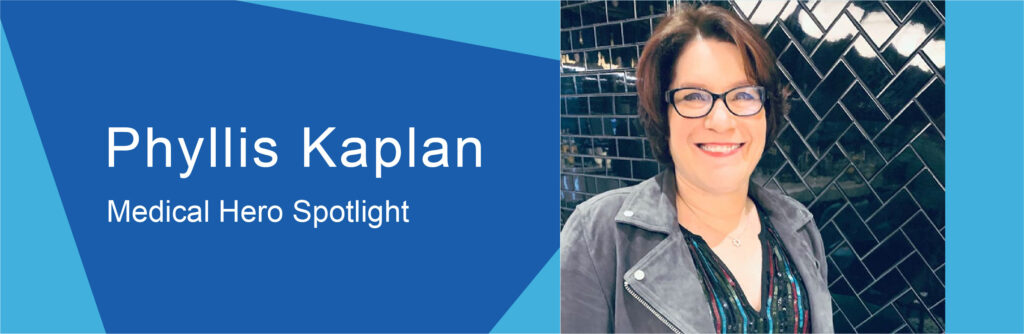
It takes a community to make change, and that is absolutely true when it comes to clinical research. In this issue, we highlight the efforts and the experience of CISCRP’s own Phyllis Kaplan in our ongoing Medical Hero Spotlight series. Read here to learn more about Phyllis’ journey from patient and advocate to clinical research participant to Senior Manager of Events & Community Engagement at CISCRP.

While the clinical research community has become more aware of the disparity in representation, clinical trials are still not as diverse as they should be. We still have much work to do to address the knowledge gaps that exist within the general public. Whether you are a health professional or member of the community trying to do your part, we encourage you to learn as much as you can about clinical trials and the important issues we need to address. As a team, we can make a difference to ensure that all voices are heard, and that research accounts for people of all backgrounds.

Take care, and stay safe,
Scott Finger
Editor, Health Literacy


Go Back to the Newsletter >

Medical Hero Spotlight: Phyllis Kaplan & Type 1 Diabetes

Written by: Melissa E. Daley, Communications & Marketing Manager, CISCRP

Phyllis has a vague recollection of waking up in a hospital with tubes attached to her body, and a distinct memory of saying, “Take the tubes out!” At the age of two, she was diagnosed with type 1 diabetes, an autoimmune disease, typically diagnosed in childhood, but can manifest at any age. Diabetes has led Phyllis on a path from patient to advocate to clinical research participant.

“I have been an advocate since I was 12 years old. It started in junior high school, in a gym class when the teacher made me take off my medical alert bracelet, due to a ‘no jewelry in gym class’ rule,” says Phyllis. When she went to retrieve the medical bracelet from the gym locker after class, she discovered it had been stolen. This incident spurred Phyllis to write a letter to the town superintendent of schools, demanding its replacement and a change in the rule to allow medical-related items to be worn. By the time the letter had been delivered, the bracelet had been anonymously returned to the school’s lost & found box. Phyllis was allowed to wear the bracelet moving forward.

The most important thing to understand about type 1 diabetes, says Phyllis, is, “The patient or caregiver has to make so many decisions about the disease, every day with no break. With diabetes, every day is different.”

Type 1 diabetes develops quickly. The body’s immune system attacks and destroys beta cells in the pancreas that create insulin. The body cannot produce insulin without these beta cells. Insulin is a peptide hormone that helps your body metabolize fats, proteins and carbohydrates through glucose (a type of sugar) that is released into the bloodstream when you eat food. The glucose is then absorbed from the blood in the liver, fat and skeletal muscle cells. Type 2 diabetes develops more slowly, over time. The body produces insulin, but cannot use it effectively.

Decisions about how much medication to take are based on many variables including food, exercise, change in weather, change in personal schedule, and stress.

“That’s why education is so important,” says Phyllis. “If I am going to exercise, I have to plan ahead, at least a couple of hours before, as exercise impacts blood sugar. There are so many hidden things to know about diabetes that impact your decisions.”


Phyllis has participated in four clinical trials: two for rescue medications for severe hypoglycemia and one for a medical device.


“As a longtime advocate, I felt that participating in a clinical trial was the ultimate form of advocacy,” Phyllis explains.

“The trials were very different from each other,” says Phyllis. “Two of the three were very easy. One involved two full days in clinic, and that was really hard, with nine hours of ongoing blood tests. Those were physically difficult days, but worth it. The other two clinical trials were less invasive.”

When considering the two-day, in-clinic trial, Phyllis and her husband reviewed the protocol together. “I wouldn’t participate without consulting him,” says Phyllis. He accompanied her to the two in-clinic days, to be with her during the nine hours of ongoing tests and to lend additional support.

When asked if she faced any concerns from family or friends about her clinical research participation, Phyllis says, “No, quite the opposite. People were really interested in the ‘why’ of what I was doing and what the outcomes were.” Phyllis didn’t seek any advice from patient advocacy organizations, because of her own experience as an advocate. She is a brand ambassador with Medtronic Diabetes to share her experience with their medical device, and also volunteers with JDRF (Juvenile Diabetes Research Foundation) and ADA (American Diabetes Association).


Phyllis advises individuals considering clinical research participation to “Ask all the questions you have when meeting with the nurse/study lead. No question is too silly.

Read the protocol and informed consent, which can be confusing. Use a highlighter to mark items in the protocol or use Post-its to make notes. Keep asking questions throughout the course of the study. At times the research staff may not always be patient-centric, and if you’re not getting the answers to your questions, ask to speak with someone else on the study team. Be your own best advocate and keep pushing. Researchers are not always prepared to answer patients’ questions. If something doesn’t sit well with you, voice it.”

Her experience as a clinical trial participant has strengthened Phyllis’ commitment in sharing information about the importance of clinical trials to everyone. Phyllis is adamant and passionate about participating in clinical research again if the opportunity presents itself, reiterating,


“Absolutely. Without clinical trials, new treatments can’t happen, and without clinical trial participants, clinical trials can’t happen.”

To search for medical conditions in a specific location, visit our Search Clinical Trials page.

To stay informed about clinical trials, visit our Resources page.


Go Back to the Newsletter >

Why Clinical Trial Diversity Is Key To Increasing Access To Routine Care And Innovative Treatment Options

By: Luther T. Clark, MD, Deputy Chief Patient Officer, Merck

The COVID-19 pandemic has shone a light on longstanding health care disparities and amplified the importance of clinical trial diversity, especially participation of those patients and communities disproportionately impacted by the disease being studied. Since clinical trials function as the gatekeeper to bringing new medicines safely to patients and communities, it has become increasingly important that diverse communities be represented in our research efforts.

Clinical trial participation provides access to possible new and innovative treatment options for patients, an especially important benefit for those who have conditions with limited treatment options – such as some forms of advanced cancer.  It is important to note that, while not all clinical trial participants will receive the investigational treatment being evaluated in the clinical trial, all patients receive high quality standard-of-care, which is the standard treatment that is used for the health condition.

During the COVID-19 pandemic many patients have delayed or avoided routine medical care for underlying conditions – a hidden harm that has further amplified its already enormous health toll. While pandemic associated medical care delays and avoidance may be understandable, safely returning to essential care is imperative for improving patient outcomes and reducing disparities as well as increasing patient access and ability to participate in clinical research. 

Pandemic Associated Medical Care Delays and Avoidance
During the COVID-19 pandemic, delays and/or avoidance of medical care for both routine and serious conditions have been widely reported. According to one recent analysis (1) an estimated 41% of adults in the U.S. delayed or avoided medical care because of concerns about COVID-19 – including both routine care (31.5%) and urgent or emergency care (12.0%).  Avoidance of urgent or emergency care was more prevalent among individuals with underlying medical conditions, Black adults, Hispanic adults, young adults, persons with disabilities and unpaid adult caregivers. When patients delay or avoid medical care, they increase both their morbidity and mortality risks. For example, 

  • Vaccines play an important role in helping to protect people from preventable diseases, but data show concerning decreases in vaccination rates since the onset of the COVID-19 pandemic. A recent international poll revealed that 73% experienced disruptions in vaccine demand.
  • Similarly, while routine cancer screenings have contributed to important cancer survival gains, screening rates have dropped during the pandemic. In the U.S. alone, approximately 285,000 breast cancer screenings, 95,000 colon cancer screenings and 40,000 cervical exams were missed between March 15 and June 16, 2020.

Cancer is a particularly powerful example of how longstanding inequities in care coupled with the pandemic’s impact on reduced access/utilization of routine health care can converge and create an even more devastating impact on patients, families and communities. Cancer incidence is known to be disproportionately higher in under-represented minorities compared to other groups, and access — to timely diagnosis, quality care and to clinical trials of promising therapies — is suboptimal among people of color. Furthermore, cancer and its treatment predispose to many other health outcome disparities, as demonstrated by the disproportionate impact of COVID-19 on morbidity and mortality rates among people with cancer.   

Social Determinants of Health (SDOH)
Social and economic factors, referred to as social determinants of health (i.e., education, economic stability, neighborhood, health and health care access, social and community context) not only contribute to healthcare disparities but may also negatively impact the decision and the ability of patients to participate in clinical research (2-4).  By recognizing and understanding the SDOH, we can help accelerate return to medical care, overcome barriers to minority participation in research, and ultimately improve patient outcomes. Effective and meaningful community engagement, collaborations, and partnerships are critically important for addressing all of the SDOH, and especially helpful for increasing awareness, education and building trust.

Bridging the Digital Divide
Digital technologies have many potential benefits for improving healthcare, including the potential to improve healthcare quality, patient safety and reduce disparities (5).  However, inequities in access to virtual technologies do exist and may lead to or exacerbate disparities. Often referred to as the “digital divide”, there is a considerable difference between those patients/communities that have access to digital technologies and the ability to understand and use them effectively (digital literacy) and those who do not.  For example, access and utilization of digital health care technologies are known to be significantly lower among older Black and Hispanic patients than their white or Asian counterparts.  In addition to differences in access and digital literacy, structural inequities (i.e., lack of broadband internet availability) impact disproportionately some groups and communities – racial and ethnic minorities, rural communities and individuals of lower socioeconomic status (6). Without recognition and action, the digital divide will only widen.

Summary and Conclusions
It is important for the medical and public health community, policymakers, employers and health advocates around the world to come together to encourage people within our communities to get the care they need.

  • As we join the multi-sector effort to combat COVID-19, we must also focus on helping people in our communities get the routine care they need to protect their long-term health.
  • It’s vital to support individuals and patients in returning to care because delays or cancellations are associated with significant health risks.
  • While the COVID-19 pandemic has caused unprecedented disruption to the healthcare system, it has also led us to identify opportunities to strengthen it for the future. We are committed to working with stakeholders to enact solutions that will improve patient care and help protect public health over the long term.


This article was also featured in our Patient Diversity Campaign. See Campaign Here.

Go Back to the Newsletter >

References:

  1. Czeisler MÉ, Marynak K, Clarke KE, et al. Delay or Avoidance of Medical Care Because of COVID-19–Related Concerns — United States, June 2020. MMWR Morb Mortal Wkly Rep 2020;69:1250–1257. DOI: http://dx. doi.org/10.15585/mmwr.mm6936a4
  2. Clark LT, Watkins L, Pina IL, Elmer M, Akinboboye O, Gorham M, Jamerson B, McCullough C, Pierre C, Polis AB, Puckrein G, Regnante JM. Increasing Diversity in Clinical Trials: Overcoming Critical Barriers. Curr Probl Cardiol 2019; 44:148-172
  3. Asare M, Flannery M, Kamen C. Social Determinants of Health: A Framework for Studying Cancer Health Disparities and Minority Participation in Research. Oncol Nurs Forum. 2017 January 02; 44(1): 20–23.  https://www.ncbi.nlm.nih.gov/pmc/articles/PMC5583708/pdf/nihms893015.pdf
  4. Weinstein JN, Geller A, Negussie Y, Baciu A. Communities in Action: Pathways to Health Equity. Report of the National Academies of Sciences Engineering Medicine (2017). https://www.ncbi.nlm.nih.gov/books/NBK425848/pdf/Book-shelf_NBK425848.pdf
  5. Lopez L, Green AR, Tan-McGrory A, King R, Betancourt JR. Bridging the digital divide in health care: the role of health information technology in addressing racial and ethnic disparities. Jt Comm J Qual Patient Saf 2011 Oct;37(10):437-45. doi: 10.1016/s1553-7250(11)37055-9.
  6. Campos-Castillo C, Anthony D. Racial and ethnic differences in self-reported telehealth use during the COVID-19 pandemic: a secondary analysis of a US survey of internet users from late March. Journal of the American Medical Informatics Association, 28(1), 2021, 119–125. doi: 10.1093/jamia/ocaa221

Results From The 2021 CISCRP Perceptions & Insights Study Coming Soon

By: Jessica Cronin | jcronin@ciscrp.org

CISCRP is excited to announce that the full results of the 2021 global Perceptions & Insights Study will be available this fall! This latest study contains insights from nearly 12,000 individuals around the world on various aspects of clinical research — including the impact of the COVID-19 pandemic on awareness and perceptions, as well as thoughts on and experiences with clinical trials that require fewer visits (decentralized trials). These results uncover significant new findings on patient engagement preferences and ways to increase access, particularly among underrepresented communities.  

Our 2021 study captured the experiences of over 5,500 trial participants across diverse therapeutic areas, which was nearly 2,000 more participants than in previous years!  

Key findings from the 2021 Perceptions & Insights Study include:

  • Most respondents (75%) noted that the COVID-19 pandemic increased their overall awareness of clinical research, particularly among those from ethnically and racially underrepresented communities.
  • Individuals from ethnically and racially underrepresented communities were significantly more likely to cite that knowing pharmaceutical companies employed diverse staff would help to increase their trust in pharmaceutical companies.
  • While most (82%) said that they were willing to participate in clinical research, about one third of individuals (36%) cited being more willing to participate as a result of the COVID-19 pandemic.
  • Of those who participated in a clinical trial during the pandemic, top changes reported included a shift from in-person visits to virtual clinic visits (over the telephone or computer), and an increase in the use of telemedicine and home trial drug delivery. Only 20% reported that their clinical trial was temporarily stopped. Consistent with prior studies, most clinical trial participants (92%) noted that their trial met or exceeded their expectations, with a significant percentage (95%) willing to participate in another trial in the future — a strong indicator of overall satisfaction.

Since 2013, CISCRP has conducted the Perceptions & Insights Study every other year to monitor trends and identify opportunities to better inform and engage the public and patients as partners in the clinical research enterprise.

To review these findings and more from the 2021 Perceptions & Insights Study, CISCRP will be hosting a webinar in October, as well as posting reports on the CISCRP website. If you would like to register for the webinar – please go to here.


Go Back to the Newsletter >

PLSP: The Results Of The DESTINY-Breast Cancer01 Clinical Trial Published In Future Oncology

Written by: Joan Chambers | jchambers@ciscrp.org

CISCRP and Oxford PharmaGenesis collaborated with Daiichi Sankyo, AstraZeneca, and Dr. Shanu Modi of the Memorial Sloan Kettering Cancer Center in New York to write a plain language summary publication (PLSP) of the results of the DESTINY-Breast01 clinical trial.

The demand from the public, patient, and health care communities for plain language information on results of clinical trials is extremely high. For more than ten years, CISCRP has been translating scientific clinical trial results information into plain, easy-to-understand language for patients and the public around the world to be communicated in print and digital formats.

This PLSP provides important information about HER2-positive breast cancer to patients, their family members or caregivers, and patient advocates. In a simple format, the PLSP highlights and addresses: what HER2 positive breast cancer is, why the clinical trial was conducted, the most common adverse events, and the overall trial results.

Over 253 women aged 18 and older participated in the trial. This PLSP answers the main questions researchers had in the DESTINY-Breast01 trial:

  • Did the participants’ tumors shrink or disappear after receiving the T-DXd treatment?
  • For how long did the participants’ tumors shrink or disappear before growing again?
  • For how long did the participants live with their cancer before it got worse?
  • What were the most common adverse events during treatment with T-DXd?

The PLSP team worked to ensure the PLSP was easy to read by adding creative visuals, tables, and answers to key questions about the DESTINY-Breast01 clinical trial. The PLSP was reviewed by an editorial panel of patients, patient advocates, members of the public, and healthcare professionals to evaluate and confirm that a “patient-first” approach was taken. The panel reviewed the writing, design, and layout to help patients, family members, and caregivers understand the trial results.

Read the full published PLSP on Future Oncology here.

CISCRP collaborates with industry organizations to create documents from scientific manuscripts that are accessible for patients, patient advocacy groups, and the public. Visit Health Communication Services for more information. 

Go Back to the Newsletter >

AWARE for All Fall Updates

Written by: Hope Ventricelli | hventricelli@ciscrp.org

At the beginning of 2020, the CISCRP Events team had their work cut out. We had to adapt our live educational event (AWARE for All) model to a completely virtual program while remaining accessible to the patient and public communities. And, we had to do so while affording CISCRP the opportunity to engage the public in a new and meaningful way.

AWARE for All-Southwest will be a live webinar stream via the virtual platform on October 21. With it, we aim to continue spreading awareness about the essential role that trial participants play in clinical research and how the research community can engage them as partners in the clinical research process.

Unlike our previous AWARE webinars, AWARE for All-Southwest will be condensed to just one hour and focus heavily on the panel discussion—a favorite segment among audience members. This discussion between trial participants, researchers, and industry stakeholders will give attendees a well-rounded view of the clinical trials process from varying perspectives.

Diversity and inclusion is at the heart of all the AWARE For All events. The importance of representation in healthcare is pivotal to comprehensive treatments, and the need is often misunderstood by the public.

“People can experience differences in response to a treatment as well as different side effects,” explains Dr. Lok, who participated in the recent Midwest panel. “This is why clinical trials need people from all communities representing all stages of a disease to find an effective treatment.”

As part of these efforts, CISCRP collaborated with trial volunteers and researchers to share their unique experiences with clinical research to help the audience better understand the importance of participation. As Desiree De-Luca-Johnson, a Breast Cancer Trial patient, shared at a recent event, “I felt safer in a clinical trial because I had a better relationship with my research oncologist and oncology nurse in Boston. I was able to feel safe for a year—it gave me some time to breathe and research my options.”

At the end of this summer, the events team was hoping to be in person for the final program of the season. CISCRP selected Atlanta for our first face-to-face event since 2019 due to the robust clinical research community, demographic diversity, and already established connection with the city. However, due to the Delta variant and public safety concerns, we have decided to remain virtual and proceed with an Atlanta-based event. Keeping virtual fatigue in mind we look forward to developing a fresh take on the webinar for  AWARE for All – Atlanta with local involvement and an exciting new agenda.

This flagship CISCRP initiative is a longstanding, internationally recognized program with a goal to address health disparities and low levels of clinical research literacy. Since 2003, CISCRP has been developing elements of the AWARE for All program to keep up with current health concerns and community needs while maintaining the need for diversity in research. Be sure to follow us for the latest updates on both programs and local opportunities to be involved.

To learn more about supporting as a sponsor, participating as a speaker or exhibitor, please email Hope Ventricelli, Manager of Events and Community Engagement, at hventricelli@ciscp.org.


Go Back to the Newsletter >

CISCRP’s Newly Launched Educational Brochure Initiative

Written by: Makenzie Michel | mmichel@ciscrp.org

At CISCRP’s Health Communications Services team, we develop educational materials to engage and empower patients and the public, including communities that are typically underrepresented in clinical trials. As an independent, non-profit organization, our unbiased deliverables are non-promotional. We offer many of these materials (which can be found in our online Education Center) free of charge to the public and patients.

Our materials are written in easy-to-understand language—sometimes referred to as “lay” or “plain” language—to ensure that we are communicating complex issues in simple terms. We also write our content to be engaging and culturally appropriate, and to address the key concerns of the audiences we hope to reach. Using strategic graphic design, we reinforce key messages through careful use of layout, colors, icons, images, charts, and other graphics.

Since being founded in 2003, we have developed brochures and other materials about the critical role of clinical research and trial participants in public health. One of our long-standing goals has been to reach communities that have been underrepresented in clinical trials. During our brochure reevaluation this year, we have collaborated with key stakeholders and community members to get significant input from these people we hope to reach. With the increased awareness and greater emphasis on social and health equity, we are focusing on connecting with underrepresented communities to make sure we appropriately address the concerns and barriers they face.

We are continuously partnering with medical writers, subject matter experts, and community members. We believe that this method of co-development will allow for the most educational and highest quality content. An editorial panel of patients, public, and professional representatives reviews each deliverable and provides their feedback before we finalize any publication. Additionally, we utilize Feedback Forums to acquire more detailed information about certain topics. In these forums, we speak directly with members of the communities we hope to reach and/or those who have expertise in communicating and working with those communities. They help to ensure the materials are effective, easy-to-understand, unbiased, and culturally appropriate. As always, all CISCRP educational materials are reviewed and approved by an IRB (Institutional Review Board), and are available in multiple languages.

Research professionals, sponsors, and other members of the clinical research community are able to license and co-brand these updated materials. Our brochures can be used by research centers, academic institutions, pharmaceutical companies, health care professionals, and advocacy groups to provide education about clinical research and clinical trial participation.

Keep an eye out for upcoming newly launched educational brochures!  

Visit CISCRP’s Education Center for more information about the newest brochures, to learn about the topics we are working on, and to share ideas that help close other gaps in clinical research.

As we continue to update our portfolio of educational materials, please reach out to Joan Chambers at jchambers@ciscrp.org to discuss purchasing and licensing opportunities. You can also visit CISCRP’s online store to purchase these deliverables.


Go Back to the Newsletter >

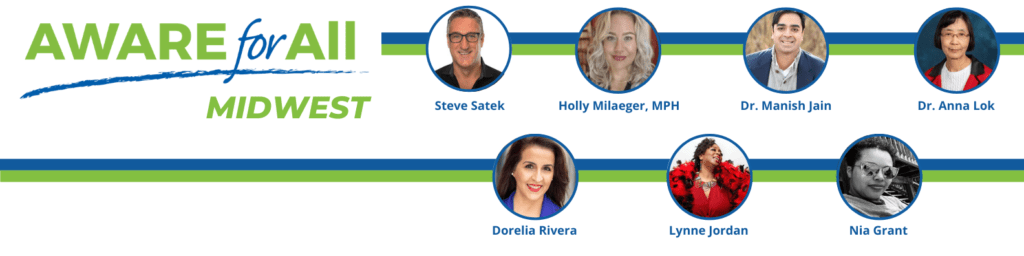
AWARE for All – Midwest Event Overview

On July 22nd, attendees logged on to view the AWARE for All – Midwest virtual event. The third event in a sequence of five running throughout 2021, AWARE for All – Midwest aimed to break down the clinical trial process, share a variety of perspectives from trial participants and healthcare professionals, and answer common questions and misconceptions many have about clinical trials.

The event started with an overview presentation about how clinical trials work and the important role trial participants play in the process. The presentation was led by Steve Satek, Founder & President at Great Lakes Clinical Trials, who explained the importance of informed consent, how to decide if a clinical trial is right for you, and why clinical research is so important to the advancement of medicine.

As Steve noted, “It could have been five, ten, or even twenty years ago that people chose to participate in clinical trials that paved the way for the medication you take today.”

The next segment of the webinar featured a panel discussion, led by a group of clinical trial participants and healthcare professionals who shared their stories and perspectives. Among the clinical trial participants were Nia Grant, a Type 1 Diabetes trial participant, Lynne Jordan, a talented performer and COVID-19 vaccine trial participant, and Dorie Rivera, a mother, caregiver, and rare disease advocate.

There are many different reasons someone might choose to join a clinical trial. For Nia, participating in clinical research gave her a chance to represent her community and ensure diverse populations were included. Nia said, “Representation in research is important. If there are no trial participants who look like me, how can a doctor be sure a treatment is effective?”

For Lynne, joining a clinical trial gave her the chance to be a part of the effort to tackle the COVID-19 public health crisis, making a difference for her community and around the world. As Lynne recalled, “As a member of a community disproportionately affected by COVID-19, I wanted to be a part of the solution to this crisis.”

For Dorie, enrolling her daughter in a clinical trial gave her access to new treatments and gave her family the hope they needed. After being referred by other parents, Dorie decided to give the trial a try, stating “It was either joining a trial or facing complete hopelessness.”

The AWARE – Midwest panel discussion also featured several healthcare professionals who shared their experiences, including Dr. Anna Lok, Holly Milaeger, MPH, and Dr. Manish Jain. Together, the panelists tackled issues related to clinical trials such as the importance of diversity, how barriers to participation can be overcome, and the best ways to educate and inform about clinical trials, starting at a community level.

After the webinar concluded, viewers were able to navigate to the Informational Exhibit Center, a virtual exhibit hall that offers resources and information from over 40 health and wellness organizations in the Midwest region and across the country. A quick ‘click’ connects visitors with local advocacy organizations like Latino Union of Chicago, Indigenous Peoples Task Force, and The Chrysalis Initiative. The Informational Exhibit Center also features a Health and Wellness Pavilion where visitors can watch health exercises and tips, and a theater with short educational videos about clinical trials.

If you missed the AWARE for All – Midwest event or would like to tune in again, the recorded webinar and Informational Exhibit Center remain accessible here.

View more 2021 AWARE for All events here.

Women in Clinical Trials

From “The Gift of Participation” by Ken Getz, Founder & Board Chair, CISCRP

Gender mix in clinical trials, overall, appears to be relatively balanced. Research conducted by the Center for the Study of Drug Development at the Tufts University School of Medicine found that, in clinical trials conducted in support of drugs submitted to the FDA, 52% of all patients who participated were men and 48% were women.

There is no question, however, that protocol designs have historically addressed disease as it manifests in adult males. Beginning in the early 1990s, public pressures fueled stricter government requirements for the presentation of data by gender in market applications to the FDA and valid analysis by gender at the NIH. In 2000, the FDA further specified that a clinical trial excluding persons having reproductive potential could be placed “on hold,” preventing further product development. This requirement helped ensure that women of childbearing potential were included in studies.

Pharmaceutical and biotechnology companies have also sought ways to increase the market potential for new and existing drugs by gathering clinical data to make specific claims about drug safety and effectiveness among women. As a result, clinical trials are increasingly being designed to assess the safety and efficacy of gender-specific medical treatment, and medical treatments are being “personalized” for gender differences in response.

Many diseases behave differently in women than in men. Risk factors, symptoms, the clinical course, and response to treatment can all be gender-specific. Among a long list of differences, men and women vary by:

  • body size, composition, and metabolism
  • the ways their bodies change during the aging process, e.g., puberty and midlife
  • endogenous hormones
  • exogenous hormones

Due to these differences and to other factors researchers have discovered that:

  • Lung cancer kills more women than any other cancer.
  • Alzheimer’s disease is twice as prevalent in women.
  • Men and women experience pain differently.
  • Women are two to three times more likely to experience depression, due to less serotonin uptake in the brain.
  • About 75% of autoimmune diseases occur in women, most frequently during childbearing years.
  • Urinary incontinence and dysfunction are more common in women and often have an entirely different cause than the same conditions in men.
  • Cardiovascular disease kills approximately 250,000 more women each year than all forms of cancer combined, accounting for 58% of all deaths. Within a year of the first myocardial infarction, 44% of women die, compared to 27% of men. Hormone-replacement therapy does not prevent heart disease, as was previously assumed.
  • The initial HIV viral load may be significantly lower in women, who represent an estimated 30% of new infections, but both sexes develop AIDS at the same rate

Although the FDA recommended in 1993 that clinical studies include enough women to understand the unique ways in which their bodies respond to drugs, women are still underrepresented in small, phase I trials. And when eligibility is restricted by age, older women are disproportionately excluded from studies of diseases that are more common in women at older ages. Although regulations prohibit the explicit exclusion of women of childbearing potential, the possibility of becoming pregnant can result in women in their childbearing years not being included in studies.

Generally, a woman capable of conceiving a child won’t be considered for a clinical trial unless she’s not pregnant and agrees to use birth control. Some studies require that women of childbearing age use two forms of contraception to participate in a study. Pharmaceutical companies don’t want their drugs tested among women who are—or might get—pregnant, mostly because the risk of exposure or a lawsuit by the mother is too high. Even in normal pregnancies, 1% to 2% end with an abnormal birth. Many parents are quick to blame poor birth outcomes on drugs. Some doctors erroneously believe that certain drugs cause fetal abnormalities. But genes and chromosomes are the primary culprits, according to Marilynn C. Frederiksen, M.D., associate professor of obstetrics and gynecology at Northwestern University Medical School.

“All of this presents a major barrier to clinical trial participation by women who don’t want, can’t afford, or are religiously opposed to contraception,” says Frederiksen.

Things aren’t bound to change unless the NIH comes up with the funds to conduct special dosing studies in pregnant women. And that probably won’t happen quickly or easily.

The NIH has an Office of Research on Women’s Health to help strengthen policies requiring inclusion of women in clinical research and to help translate new knowledge into clinical practice, but it doesn’t have any institutes that devote research dollars specifically to female health issues. As a direct result of the 1993 NIH Revitalization Act, NIH-sponsored clinical research now routinely includes sufficient numbers of non-pregnant women. In 2001, additional protections were given to pregnant women (as well as human fetuses and neonates) that spell out the conditions under which they can be involved in federally funded research— if earlier studies provide data on the potential risks, for example, and the risk to the fetus is caused solely by interventions that could directly benefit either the women or the fetus. Participation of women in NIH-funded studies, overall, is proportional to the percentage of women in the general population when sex-specific studies are excluded.

The participation of women in clinical trials is essential. The exclusion of women from early-phase studies, in particular, delays the discovery of sex-specific dosing requirements and the identification of gender-specific side effects, limiting the identification of drugs that are useful just for women. The problem is compounded by the fact that animal studies, when scientists learn about many of a drug’s potential adverse reactions, also tend to exclude females. Limiting studies to a single gender requires fewer study subjects (animal or human) and, thus, shorter and less costly studies.

There are many hopeful signs of change. Pharmaceutical companies are devoting a tremendous amount of money to trials focusing on diseases and conditions that only affect women.

For more information on clinical trials and making informed decisions about volunteering for clinical research, read “The Gift of Participation” by Ken Getz, Founder and Board Chair, CISCRP.

You can find the book here.

To search for medical conditions in a specific location, visit our Search Clinical Trials page.

To stay informed about clinical trials, visit our Resources page.

Clinical Trials: Improving Patient & Physician Education

CISCRP Perceptions & Insight Study Data Cited in Clinical Leader

A large and diverse pool of clinical trial participants scales the successful development of medications, therapies and treatments. Making trustworthy information about clinical research readily available to the public and physicians can serve to reduce mistrust of clinical studies. Clinical Leader addresses this topic in an article titled “3 Key Ways to Improve Patient & Physician Education on Clinical Trials”, citing data from CISCRP’s Perceptions & Insights Study. You can learn more about clinical research here.