CISCRP & Partners’ PLSP on Breast Cancer Study Published in Future Oncology

CISCRP (Center for Information and Study on Clinical Research Participation) and Oxford PharmaGenesis worked together with Daiichi Sankyo, AstraZeneca and Dr. Shanu Modi of Memorial Sloan Kettering Cancer Center in New York to write a plain language summary publication (PLSP) of the results of the DESTINY-Breast01 clinical study.

The participants in the study received a treatment called trastuzumab deruxtecan, also known as T-DXd. T-DXd consists of a chemotherapy drug linked to a manmade antibody. The antibody in T-DXd is a protein that specifically targets and attaches to the HER2 protein on tumor cells.

The PLSP was recently published in Future Oncology with the title “Trastuzumab Deruxtecan in Previously Treated HER2-Positive Metastatic Breast Cancer: Plain Language Summary of the DESTINY-Breast01 Study”. View the article here.

Why Clinical Trials Are Conducted

From “The Gift of Participation” by Ken Getz, Founder & Board Chair, CISCRP

Close up of African American physician listening to heart and lungs of patient

People want and expect their doctors to use treatments that work well and to stop using those that do not. Long ago, trial and error was the primary way that physicians and medical care providers learned how to recognize treatment alternatives. Later, through rigorous approaches that use clinical trials, physicians and researchers were able to gather far more meaningful information about diseases and how best to treat them.

For thousands of years, healers, shamans, and medical care providers have been administering treatments and remedies. One of the earliest known medical treatments dates back more than 3,500 years to ancient Egypt. Some ancient remedies, such as those used for simple fractures and minor injuries, are effective even today. However, many ancient medical treatments did not work and were actually harmful and even fatal. Two hundred years ago, cutting open a vein to drain a pint or more of blood and giving toxic substances to force vomiting or diarrhea were common remedies. And only a century ago, along with mention of some useful drugs such as aspirin and digitalis, the Merck Manual— one of the most respected sources for information on medical treatments then as well as now mentioned cocaine as a treatment for alcoholism; arsenic and tobacco smoke as treatments for asthma; and sulfuric acid nasal spray as a treatment for the common cold. Today these approaches are known to be very dangerous.

There are many reasons that doctors recommended ineffective and harmful treatments and that people accepted them. In many cases there were no alternatives. Doctors and patients usually prefer doing something to doing nothing. Patients also find comfort in sharing their problems and ailments with an authority figure. And doctors feel compelled to provide attention, support, and reassurance.

The primary reason doctors recommended ineffective and harmful treatments is that doctors couldn’t tell what worked from what didn’t. Doctors relied on cause-and-effect to identify potential treatments. For example, if an ill person’s fever broke after the doctor drained a pint of blood or after the shaman chanted a certain spell, then people naturally assumed those actions must have been what caused the fever to break. To the person desperately seeking relief, getting better was all the proof necessary. Unfortunately, these apparent causal relationships observed in early medicine were rarely correct. Still, they were enough to promulgate centuries of ineffective remedies. Of course, people had to be getting better in order to reassure doctors that a given treatment was working. Indeed, this is exactly what often happens. People do get better spontaneously. Sick people often get well on their own—and despite their doctor’s care—when the body heals itself or the disease runs its course. Colds are gone in a week; stomach flu passes within hours; migraine headaches typically last a day or two; and food poisoning symptoms may end in 12 hours. Many people even recover from life-threatening disorders, such as a heart attack or pneumonia, without treatment. Symptoms of chronic diseases (such as asthma or sickle-cell disease) come and go. Many treatments may seem to be effective if given enough time. And any treatment given near the time of spontaneous recovery may seem dramatically effective.

Belief in the power of a treatment or remedy is often enough to make people feel better. Belief cannot cause an underlying disorder—such as a broken bone, heart disease, or diabetes—to disappear. But people who believe they are receiving a strong, effective treatment very often feel better. Pain, nausea, fatigue, and many other symptoms can diminish. This happens even when the drug contains no active ingredients and can be of no possible benefit, such as a sugar pill or an inactive substance called a placebo. An ineffective (or even harmful) treatment prescribed by a confident doctor to a trusting, hopeful person often results in remarkable improvement of symptoms. This improvement is termed the placebo effect. People may see an actual (not simply misperceived) benefit from a treatment that has no real effect on the disease itself.

Some people argue that the only matter of importance is whether a treatment or remedy makes people feel better. Whether it works or not is of little consequence. This argument may be reasonable when the symptom is the problem, such as in many day-to-day aches and pains, or in illnesses such as colds, which always go away on their own. In such cases, doctors do sometimes prescribe treatments for their placebo effect. However, in any dangerous or potentially serious disorder, or when the treatment itself may cause side effects, it is critically important for doctors not to miss an opportunity to prescribe a treatment that really does work.

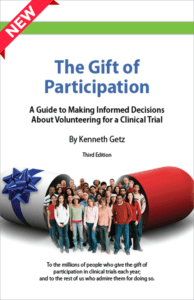
For more information on clinical trials and making informed decisions about volunteering for clinical research, read “The Gift of Participation” by Ken Getz, Founder and Board Chair, CISCRP.

You can find the book here.

To search for medical conditions in a specific location, visit our Search Clinical Trials page.

To stay informed about clinical trials, visit our Resources page.

Pros & Cons of DCTs & Virtual Clinical Trials

From "The Gift of Participation" by Ken Getz, Founder & Board Chair, CISCRP

They are known by different names: DCTs (decentralized clinical trials), remote, direct-to-patient, virtual, digital, site-less or simply patient centric clinical trials. All of these approaches share the common goal of making it easier to participate in research by reducing—or eliminating altogether—the number of study visits patients must make to conventional investigative sites or labs and allowing for more flexibility in carrying out study-related activities. Many of these approaches use smartphones, mobile devices, and wearable sensors to collect and evaluate patient data during the study.

Study volunteers often need to travel long distances to medical facilities, many need to stay overnight in a hotel, and take time off work to participate in a conventional clinical trial. Research from CISCRP shows that about one-fifth of study volunteers find clinical trial participation stressful and report the investigative site location and time-consuming study visits are among the least-liked aspects of the experience. Half of volunteers also feel that participation causes disruption to their daily routine. New, more convenient approaches are especially valuable for patients who may be too sick to travel or for those who rely on caregivers for support. Study volunteers who find it difficult to fit additional medical appointments into an already busy schedule or those who live far from the investigative site and wouldn’t otherwise be able to participate in the trial also benefit.

Not every clinical trial currently offers study volunteers an in-home or remote option, and it will take quite some time for a large number of trials to be done this way, but use of these approaches is expected to increase as pharmaceutical and biotechnology companies invest more widely in efforts to improve the clinical trial experience for patients. Research sponsors and regulators are working on initiatives that better take patient needs into account and could eventually allow patients to participate in clinical research wherever and whenever they want, whether it be their own primary-care doctor’s office, home, workplace, school, or anywhere else.

You shouldn’t feel forced to participate in a remote or at home study if you live near an investigative site and would prefer to have a face-to-face relationship with the study staff.

Pros:

  • You won’t need to travel and make frequent visits to an investigative site.
  • You’ll spend less time in a medical office.
  • You can participate in telemedicine visits at a time convenient for you, perhaps in the evening or on weekends.
  • You can contact someone on the research team 24 hours a day.
  • You may feel empowered by being able to participate whenever it is convenient to do so.

Cons:

  • You won’t have the same number of face-to-face interactions with study staff.
  • If you have a technical problem, you have to reach someone on your own to resolve the issue.
  • You’ll need to make sure you’re home to sign for clinical trial-related deliveries.
  • You may be asked to take your own vital signs or perform tests several times a day.
  • You may need to travel to a lab or medical facility for lab work or exams.
  • You may be asked to collect samples and arrange for them to be picked up.
  • You’ll likely need to send back all of the loaned devices and monitors at the end of the trial.
  • Not all wearable technologies have been validated, so you may need to repeat tests or travel to the research center for a special assessment.

When deciding whether a home-based or remote clinical trial is right for you, after you’ve learned as much as you can about the study visits and what activities you’ll need to perform on your own, discuss the pros and cons with your family, friends and primary care physician. It’s best to ask for input from people you know and trust and to involve your support network in your decision-making process.

For more information on decentralized clinical trials and making informed decisions about volunteering for clinical research, read “The Gift of Participation” by Ken Getz, Founder and Board Chair, CISCRP.

You can find the book here.

To search for medical conditions in a specific location, visit our Search Clinical Trials page.

To stay informed about clinical trials, visit our Resources page.

Out of the Dark: A Journey Through Postpartum Depression, Part 2

Authored by Melissa E. Daley, Communications & Marketing Manager, CISCRP

& Emma Kane, Senior Clinical Research Coordinator, Clinical Operations & Development, Sage Therapeutics

NOTE: CISCRP hosted a 2-part webinar series on postpartum depression (PPD), in collaboration with Sage Therapeutics, Inc. This is Part 2 of a 2-part article series, providing an overview of the second webinar, which focused on PPD, clinical research, and shared perspectives from a PPD survivor/patient ambassador, medical professionals, and a patient advocate. You can access Part 1 of this article series here (link to be created).

“The best-planned life can turn as quickly as a rainstorm on a summer’s day,” shares Chelsie, a PPD (postpartum depression) awareness ambassador and moreover, a survivor. Married to her high school sweetheart, she had accomplished many goals on her way to starting her family: she loved her job as an elementary school teacher, had purchased a home and was financially stable. “Everything fell into place according to plan. Teaching students was my passion, but motherhood was my calling,” explains Chelsie. Three years into their marriage, she and her husband were delighted to learn that Chelsie was expecting. Her pregnancy was typical until her 36th week, when she was diagnosed with pre-eclampsia and put on bedrest until her delivery.

Chelsie gave birth during a storm, “…amid tornado sirens and pounding rain,” she recalls. “Even more miraculous, the sun broke through and created a glorious rainbow just minutes after our son Weston was born.”

But almost immediately, Chelsie felt that something was wrong.

She did not feel an instant connection to Weston and she realized her maternal instinct was not taking over. Instead, Chelsie’s mind was swirling with questions about her baby’s welfare, as well as her own. Her anxiety escalated when her first attempts to nurse Weston were unsuccessful.

Chelsie did not know it yet, but she was beginning her journey with PPD.

A few days later Chelsie returned home with Weston. “I was physically weak and emotionally drained.” Everyday tasks were overwhelming. She was nervous, and her baby could feel her tension. “I was wracked with anxiety. I didn’t feel like I could even hold him,” says Chelsie.

A week after returning home, Chelsie was rushed to the emergency room with a racing heart and unresolved pre-eclampsia. Recognizing that Chelsie needed sleep, her OB/GYN prescribed a sleeping pill. Chelsie and her mother hoped rest would help. Still, she felt that her mind would not rest. “The next night would prove to be the start of the worst time of my entire life. I cried until I couldn’t cry anymore, and what came next was an utter lack of emotion. I knew I wasn’t myself, and I spoke up,” Chelsie shares.

“With my mom, dad, and husband in the living room, I explained I felt no connection to Weston. I felt like a terrible person and mother,” says Chelsie. Her family consoled her as best they could and suggested she speak with a cousin who had suffered with PPD. Her cousin advised Chelsie to call her OB/GYN. Chelsie’s OB/GYN had never treated anyone with PPD, and recommended a psychiatric facility.

“I felt nothing,” Chelsie says, as she left her six-day old son in her mother’s care. After an evaluation at the hospital, she voluntarily checked herself into a psychiatric hospital where she was officially diagnosed with PPD. She was prescribed medications to help with anxiety, depression, and insomnia.

“The longer I stayed (in the hospital), the worse I got,” says Chelsie. She was transferred to a second hospital.

In the span of 30 days, Chelsie had given birth, been diagnosed with PPD and had been a patient in two psychiatric hospitals. But there were glimmers of hope. “Even when PPD broke me down, I was gently reminded of a higher purpose for my life,” recalls Chelsie. Her parents found the right help for Chelsie, and eventually, with an adjustment of medication and the assistance of a mental health professional, Chelsie began to recover.

“I opened up to my doctors and therapists and we built a relationship where I could tell them anything. They helped me find solutions for whatever I was dealing with,” says Chelsie. Her recovery was challenging, but with assistance from her family, she began to focus on the victories she was starting to have as a mother. Returning to teaching scaled Chelsie’s confidence as well. She joined a local PPD support group and met other mothers navigating the same issues.

“Power in community is so precious. The key to my recovery was not a simple one. I needed the right therapy, medication, and family and friends to support me. Recovery takes time. I love my son more than I can put into words. PPD is nothing to be ashamed of or embarrassed about,” says Chelsie.

Chelsie is active in a non-profit organization focused on serving and building community with moms along with providing them with resources for PPD, regardless of their ability to pay.

There is an unmet need in treating PPD. Dr. Bassem Maximos, OB/GYN, explains that “A lot of physicians don’t recognize it (PPD) and even if we do recognize it, it’s difficult to find resources to point our patients to get the treatment they need.”

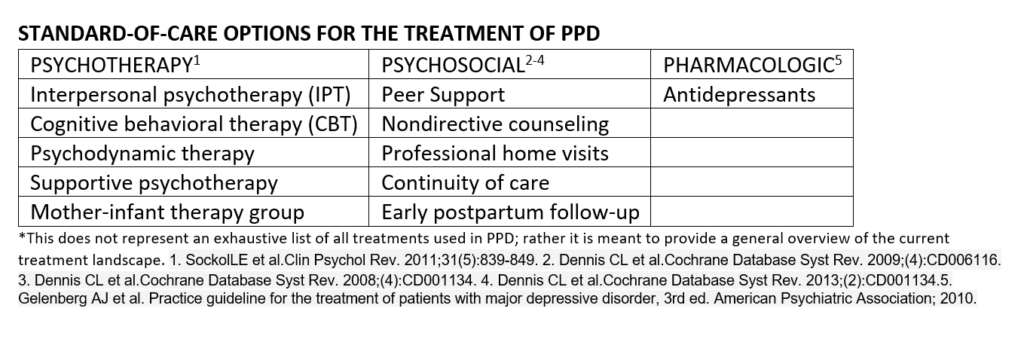
 Standard-of-care options for the treatment of PPD can be outlined in three categories.

“It takes a long time to find that therapist that you can trust, work with, and open your heart and mind to allow them to help you in your journey,” says Dr. Maximos. “It’s an ongoing treatment,” he adds, “and also sometimes you need other supportive therapies with it.” He also explained that unfortunately, it can be challenging to find a therapist, depending upon the community where you live and the resources that are available. In some regions, there are not many mental health professionals, and the few that are in the area may have so many patients that they are not able to assist new ones.

While it may be challenging to find these groups, Dr. Maximos stresses the importance of supportive psychotherapy and mother-infant therapy groups. “We’ve found in our practice if we get moms to see other moms that have gone through the same experience she’s going through, or have experienced PPD, they are more willing to open up and talk about their experiences – it takes away the fear or stigma.”

Peer support can also be found through groups active on social media when it’s difficult to find professional support. The COVID-19 pandemic has scaled the importance of this channel, with the need for social distancing measures to limit the spread of the virus.

“We’re still not screening our moms enough,” says Dr. Maximos. “The American College of Obstetricians and Gynecologists has been putting a lot of effort into encouraging obstetricians and gynecologists to screen for postpartum depression during the pregnancy and afterwards by giving them screening tools.” But there is still progress to be made.

There are organizations working to escalate access to support mothers suffering with PPD.

Tonya Fulwider, Associate Director for Mental Health America of Ohio and Program Director for POEM (Perinatal Outreach & Encouragement for Moms), says “We work with frontline providers, OB/GYNs, pediatricians and home health professionals. We have a team of certified peer support specialists who work as care navigators. We serve as that single-entry point of care for any birthing person who is struggling with a mental or emotional health complication.” The healthcare provider can reach out to the POEM team and directly connect the patient to receive assistance from a care navigator or peer

support specialist. They can offer a menu of options to address their needs, “…recognizing that she is the expert in her life,” says Tonya.

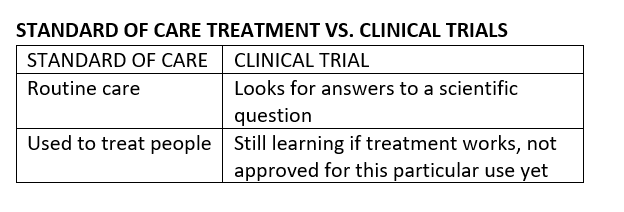
Sage Therapeutics has conducted multiple clinical trials in PPD over the past several years, and is currently conducting a trial studying an investigational oral tablet to treat PPD. A full listing of clinical trials for women with PPD is available at clinicaltrials.gov.

If you’re considering participating in a clinical trial, Dr. Gus Alva, a psychiatrist focusing on neuropsychiatric conditions with over 27 years of clinical trial experience, advises “Always be informed.” He explains that in his practice, they provide patients with a consent form, a standard clinical trial document which explains the trial in detail and confirms a patient’s willingness to take part in the study, and have them  take it home with them. They encourage patients to discuss it with their primary care doctor or other professionals in the medical field. “The consenting process,” he adds, “entails pros, cons, alternatives, and being well-educated.”

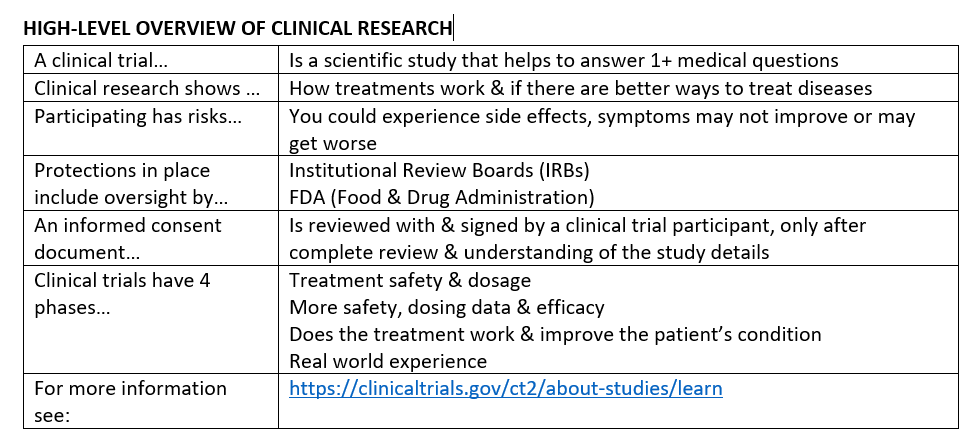
There is a regulated process that takes place in not just PPD clinical research, but in all clinical trials.

“There are several inclusion and exclusion criteria that are tied to all studies,” explains Dr. Alva. Inclusion and exclusion criteria are requirements that must be met in order to take part in the study. “Going in and getting screened would certainly be a good option.” He adds, “the nice thing about being involved in a clinical trial is that it’s not binding. There’s no penalty to withdrawing consent at any point. It’s a matter of trying to figure out whether this is a good fit or not, but not necessarily feeling that you are now bound to it.”

Individuals considering clinical research should consult the medical professionals involved in their care.

Dr. Maximos explains that before signing up for a clinical trial, “patients should speak to their physician, whether it’s their OB or psychiatrist.” Clinical research sites also conduct outreach efforts to community healthcare providers to raise awareness about clinical research participation opportunities.

“Be a question-asker,” advises Tonya Fulwider, saying that the care navigators she works with often encourage patients to write questions down as they come up so they can address them with their health care providers, whether it’s their OB/GYN, mental health professional or someone on the clinical trial team.

COVID-19 has impacted clinical trials across the board. Very strict guidelines have been put in place at all clinical trial sites, such as taking temperature readings, requiring masks, social distancing, and disinfecting of surfaces continually.

“Individuals that do come in know that we’ve placed into play a lot of different modalities to ensure that there is appropriate disinfecting, minimal touching of door handles or other objects, and that if they’re coming in, there’s a very specific purpose,” Dr. Alva explains. “We take every precaution possible to keep patients safe,” Dr. Maximos adds, including that his entire staff is now vaccinated in addition to the other precautions they’ve put into place over the course of the pandemic.

“Of course, COVID-19 has impacted everything about everyone’s lives, and it certainly has impacted mothers,” says Tonya. “Being able to continue to converse with them and talk about their concerns –   that’s really the most important thing.”

To learn more about postpartum depression, access the webinar series, “Postpartum Depression & Being Informed” here. You can also learn more about the Skylark study for PPD here, or access resources from Sage Therapeutics here.

ABOUT SAGE THERAPEUTICS

Sage Therapeutics is a biopharmaceutical company committed to developing novel therapies with the potential to transform the lives of people with debilitating disorders of the brain. We are pursuing new pathways with the goal of improving brain health, and our depression, neurology and neuropsychiatry franchise programs aim to change how brain disorders are thought about and treated. Our mission is to make medicines that matter so people can get better, sooner.

ABOUT CISCRP

CISCRP (Center for Information and Study on Clinical Research Participation) is a Boston-based, globally focused, non-profit 501(c)(3) organization providing public and patient education and advocacy.  CISCRP’s mission is to inform patients and the public about clinical research and the important role that it plays in advancing public health and to help stakeholders in drug development engage with patients and the public as clinical research partners (www.CISCRP.org)

Out of the Dark: A Journey Through Postpartum Depression, Part 1

Authored by Melissa E. Daley, Communications & Marketing Manager, CISCRP

& Emma Kane, Senior Clinical Research Coordinator, Clinical Operations & Development, Sage Therapeutics

NOTE: CISCRP hosted a 2-part webinar series on postpartum depression (PPD), in collaboration with Sage Therapeutics, Inc. This is Part 1 of a 2-part article series, providing an overview of the first webinar, which focused on PPD, and shared perspectives from a PPD survivor, medical professionals, and a patient advocate. You can access Part 2 of this article series here (link to be created).

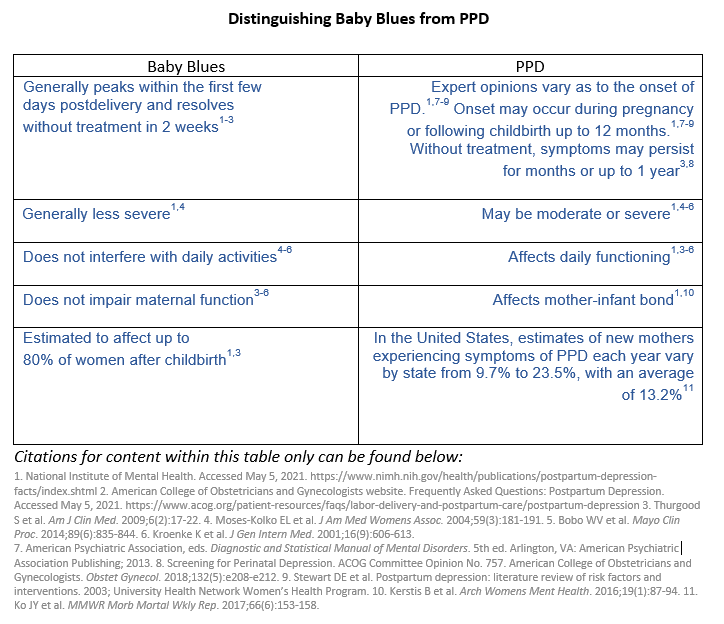
“I did not want to move. I did not want to breathe. And I did not want anyone to know,” explained Alexis, about her experience with postpartum depression (PPD). PPD is one of the most common medical complications during and after pregnancy[i]. PPD is more severe in scope than the “baby blues” that many mothers experience, which generally occur within the first few days of delivery and resolve without treatment in 2 weeks[ii].

Symptoms of PPD may vary, but can include:

  • Changes in mood, including sadness, emptiness, hopelessness, irritability, persistent doubt, feeling overly anxious and thoughts of suicide
  • Changes in the body including fatigue, difficulty sleeping or sleeping too much, aches and pains, and changes in appetite
  • Changes such as trouble concentrating, remembering details or making decisions
  • Social differences, such as withdrawing from family and friends, and distress or impaired ability to functional in social or work settings[iii]

“Clinically, we basically say that if someone has had an episode of depression during pregnancy or the postpartum year, we’re going to call it postpartum depression,” explains Dr. Constance Guille, Associate Professor, Department of Psychiatry & Behavior Sciences; Director of the Women’s Reproductive & Behavioral Health Program, MUSC. “Postpartum depression and baby blues are two very distinct entities.”

It’s estimated that about 50-80% of woman are affected by the “baby blues” after childbirth[iv].

“The symptoms are not severe, and they do not impact activities of functioning in any way,” explains Dr. Guille about the baby blues.

Alexis had an unexpectedly difficult delivery, but her daughter was healthy. From the outset, she had problems bonding with her baby. “I looked at her like I was holding an alien from another planet,” Alexis recalls. Initially, she blamed it on exhaustion, but it quickly became apparent to her that there was something more serious happening. With the support of her husband and parents, Alexis sought medical assistance. She ended up switching psychiatrists and medications many times, and nothing seemed to be working. Alexis voluntarily admitted herself to a psychiatric hospital where she remained for a month.

“At one point, I was sitting and waiting to see the doctor, when I overheard the social worker telling the counselor that I was faking it,” says Alexis. “I slid even further into the abyss. If they did not believe me, who would?”

After she left the hospital, her depression deepened.

“I struggled with thoughts of not wanting to be alive anymore,” says Alexis.

The stigma around experiencing PPD is real. However, there are healthcare providers who are working to change attitudes and perceptions around postpartum depression and individuals suffering with it. One approach adopted by medical professionals is to routinely ask about a patient’s mental wellness, both before and after delivery.

“You see a patient during her pregnancy about 20 times,” says Dr. Jason James, OBGYN, Private Practice in Miami. “For me to ask how she’s doing, how is she coping, is she feeling down or depressed, is she feeling anxious or guilty, all the kind of non-judgmental questions – if I ask it all the time and get lots of “No’s”, it normalizes the situation.” Routinely checking in with a patient about her mental health can reinforce her comfort level about transparently sharing any changes she may be experiencing.

“The more that people can share their stories, the more that other people can look at that person and say, ‘Oh gosh, I’m just like them!’, the better off we’ll be,” says Dr. Guille.

Providing a robust familial and social support system to postpartum mothers is key to assisting them in their recovery.  “Having a baby is emotionally, psychologically, physically and financially depleting,” says Dr. Guille.  Finding time to relax, getting enough sleep, and ensuring proper nutrition is essential.

Heather Dopp is a patient advocate and Mom Ambassador with 2020 Mom, a national organization with a mission to close gaps in maternal mental health care. She is a mother to two children. Her advocacy work is spurred by her own experience as a survivor of perinatal anxiety, depression, and suicidal ideation during her second pregnancy. Heather’s advocacy has taken her from the halls of the Utah State Capitol to the United States Capitol, with the purpose of improving awareness and increasing resources available to mothers facing maternal mental illness within the United States.

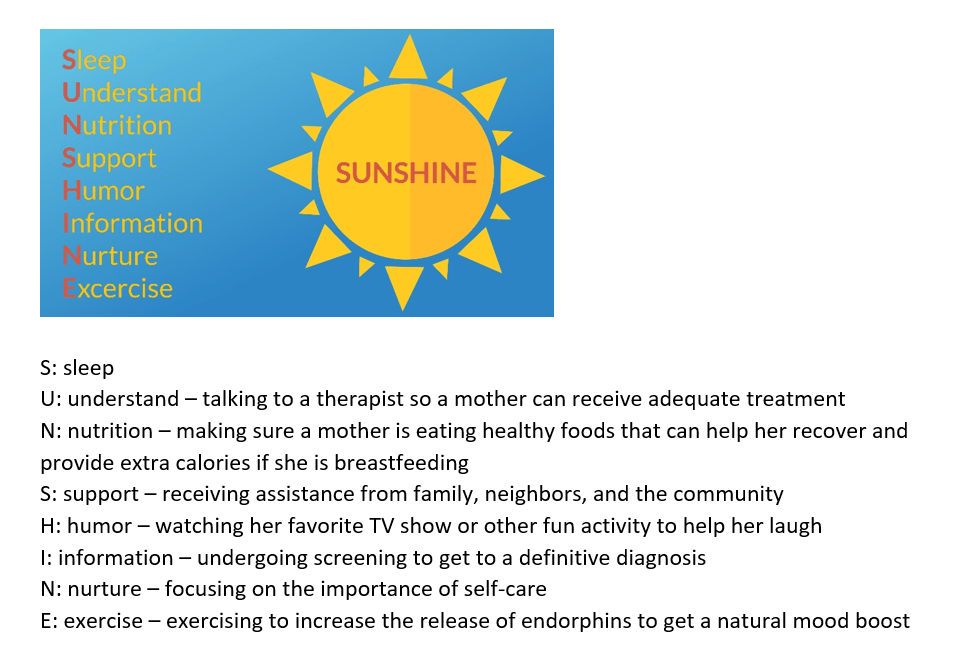
“From a non-clinical point of view, I have an acronym we like to use with maternal mental health. It’s SUNSHINE, and it’s a great way to remember the basic things you can help with for the mother struggling, so she can manage everything she is going through and hopefully try to thrive,” says Heather.

“For many women that I have talked to across the United States, we don’t know about postpartum and perinatal mental disorders in the first place. When it happens to us, we’re already experiencing ‘mom guilt’, and we don’t want to own up to it, because maybe we’re the only ones… we haven’t heard our friends talk about it, and we haven’t heard our providers mention anything about it.” says Heather.

Other patient barriers to discussing symptoms include:

  • Mistrust and fear of being judged
  • Lack of insurance coverage
  • Time constraints
  • Access to childcare during postpartum visits
  • Lack of awareness regarding impact on own health and infant health
  • Lack of information regarding where to seek treatmentv

Alexis changed physicians and treatments many times and took the time to do research and learn everything she could about PPD given there were very few medical professionals specializing in PPD in her location. Eventually, Alexis found a counselor and psychiatrist who supported her. They developed a treatment plan to best address her symptoms and over the next year, she was able to begin the healing process.

“I began to truly laugh and smile again. Life became brighter, more colorful and the darkness began to drift away,” Alexis recounts. Her daughter has no recollection of Alexis’ struggle with PPD, and they are very close.

Alexis says that PPD has taught her five important lessons:

  1. Never give up; postpartum depression doesn’t last forever.
  2. Don’t be embarrassed. Reach out and find a support system.
  3. Self-care is essential and it doesn’t have to cost money. It can be as simple as reading a book or taking a bubble bath.
  4. Do your best not to feel guilty.
  5. Tell your story, when the time is right, because it can help you heal, and also help others.

“I did not give up. I made it out of the darkness. And through the pain, I found a strength and courage that was always there, but needed some prompting to come out,” says Alexis.

To learn more about postpartum depression, access the webinar series, “Postpartum Depression & Being Informed” here. You can also access resources from Sage Therapeutics here and from 2020Mom here. Your healthcare provider should always be your primary source of information about diseases or disorders and treatment options. Please contact your healthcare provider with any questions pertaining to a medical condition.

ABOUT SAGE THERAPEUTICS

Sage Therapeutics is a biopharmaceutical company committed to developing novel therapies with the potential to transform the lives of people with debilitating disorders of the brain. We are pursuing new pathways with the goal of improving brain health, and our depression, neurology and neuropsychiatry franchise programs aim to change how brain disorders are thought about and treated. Our mission is to make medicines that matter so people can get better, sooner.

ABOUT CISCRP

CISCRP (Center for Information and Study on Clinical Research Participation) is a Boston-based, globally focused, non-profit 501(c)(3) organization providing public and patient education and advocacy.  CISCRP’s mission is to inform patients and the public about clinical research and the important role that it plays in advancing public health and to help stakeholders in drug development engage with patients and the public as clinical research partners (www.CISCRP.org)

Sources:

[1] Ko JY et al. MMWR Morb Mortal Wkly Rep. 2017;66(6):153-158.;  Martin JA et al. National Vital Statistics Reports; vol 68 no 13. Hyattsville, MD: National Center for Health Statistics. 2019.;  DeSisto CL et al. Prev Chronic Dis. 2014;11:E10.; Centers for Disease Control and Prevention. Updated June 12, 2018. Accessed May 5, 2021 https://www.cdc.gov/reproductivehealth/maternalinfanthealth/diabetes-during-pregnancy.htm; Centers for Disease Control and Prevention. Updated February 28, 2019. Accessed May 5, 2021 https://www.cdc.gov/reproductivehealth/maternalinfanthealth/pregnancy-complications-data.htm; Roberts JM et al. American College of Obstetricians and Gynecologists Task Force on Hypertension in Pregnancy. Obstet Gynecol. 2013;122(5):1122-1131.; Callaghan WM et al. Am J Obstet Gynecol. 2010;202(4):353.e1-e6.

[1] 1. National Institute of Mental Health. Accessed May 5, 2021. https://www.nimh.nih.gov/health/publications/postpartum-depression-facts/index.shtml; American College of Obstetricians and Gynecologists website. Frequently Asked Questions: Postpartum Depression. Accessed May 5, 2021. https://www.acog.org/patient-resources/faqs/labor-delivery-and-postpartum-care/postpartum-depression; Thurgood S et al. Am J Clin Med. 2009;6(2):17-22)

[1] American Psychiatric Association: Diagnostic and Statistical Manual of Mental Disorders, Fifth Edition. Arlington, VA: American Psychiatric Association, 2013.; National Institute of Mental Health. Accessed May 5, 2021 https://www.nimh.nih.gov/health/publications/postpartum-depression-facts/index.shtml)

[1] Thurgood S et al. Am J Clin Med. 2009;6(2):17-22)

v Prevatt BS et al. Matern Child Health J. 2018;22(1):120-129.; Byatt N et al. Arch Womens Ment Health. 2013;16:429-432.; Santora K et al. NIHCM Issue Brief. 2010. Accessed May 5, 2021 https://www.nihcm.org/pdf/FINAL_MaternalDepression6-7.pdf; Goodman JH. Birth. 2009;36(1):60-69.

Medical Hero Spotlight: Phyllis Kaplan & Type 1 Diabetes

Phyllis has a vague recollection of waking up in a hospital with tubes attached to her body, and a distinct memory of saying “Take the tubes out!”. At the age of two, she was diagnosed with type 1 diabetes, an autoimmune disease, typically diagnosed in childhood, but can manifest at any age. Diabetes has led Phyllis on a path from patient to advocate, to clinical research participant.

“I have been an advocate since I was 12 years old. It started in junior high school, in a gym class when the teacher made me take off my medical alert bracelet, due to a ‘no jewelry in gym class’ rule,” says Phyllis. When she went to retrieve the medical bracelet from the gym locker after class, she discovered it had been stolen. This incident spurred Phyllis to write a letter to the town Superintendent of Schools, demanding its replacement and a change in the rule to allow medical-related items to be worn. By the time the letter had been delivered, the bracelet had been anonymously returned to the school’s Lost & Found box. Phyllis was allowed to wear the bracelet moving forward.

The most important thing to understand about type 1 diabetes, says Phyllis, is “The patient or caregiver has to make so many decisions about the disease, every day with no break. With diabetes, every day is different.”

Type 1 diabetes develops quickly. The body’s immune system attacks and destroys beta cells in the pancreas that create insulin. The body cannot produce insulin without these beta cells. A peptide hormone, insulin helps your body metabolize fats, proteins and carbohydrates through glucose (a type of sugar) that is released into the bloodstream when you eat food. The glucose is then absorbed from the blood in the liver, fat and skeletal muscle cells. Type 2 diabetes develops more slowly, over time. The body produces insulin, but cannot use it effectively. (1)

Decisions about how much medication to take is based on many variables including food, exercise, change in weather, change in personal schedule and stress.

“That’s why education is so important,” says Phyllis. “If I am going to exercise, I have to plan ahead, at least a couple of hours before, as exercise impacts blood sugar. There are so many hidden things to know about diabetes that impact your decisions.”

Phyllis has participated in three clinical trials, two for rescue medications for severe hypoglycemia and one for a medical device. “As a longtime advocate, I felt that participating in a clinical trial was the ultimate form of advocacy,” Phyllis explains.

“The trials were very different from each other,” says Phyllis. “Two of the three were very easy. One involved two full days in clinic, and that was really hard, with 9 hours of ongoing blood tests. Those were physically difficult days, but worth it. The other two clinical trials were less invasive.”

When considering the 2-day in-clinic trial, Phyllis and her husband reviewed the protocol together. “I wouldn’t participate without consulting him,” says Phyllis. He accompanied her to the two in-clinic days, to be with her during the 9 hours of ongoing tests and to lend additional support.

When asked if she faced any concerns from family or friends about her clinical research participation, Phyllis says “No, quite the opposite. People were really interested in the ‘why’ of what I was doing and what the outcomes were.” Phyllis didn’t seek any advice from patient advocacy organizations, because of her own experience as an advocate. She is a brand ambassador with Medtronic Diabetes to share her experience with their medical device and  also volunteers with JDRF (Juvenile Diabetes Research Foundation), and ADA (American Diabetes Association)

Phyllis advises individuals considering clinical research participation to “Ask all the questions you have when meeting with the nurse/study lead. No question is too silly. Read the protocol and informed consent, which can be confusing. Use a highlighter to mark items in the protocol or use Post-Its to make notes. Keep asking questions throughout the course of the study. At times the research staff may not always be patient-centric, and if you’re not getting the answers to your questions, ask to speak with someone else on the study team. Be your own best advocate and keep pushing. Researchers are not always prepared to answer patients’ questions. If something doesn’t sit well with you, voice it.”

Phyllis’ advocacy work has also led her to CISCRP, where she is Senior Manager, Events & Community Engagement. CISCRP’s mission to informing and engaging patients and the public about the importance of clinical research resonated with her. Phyllis leads CISCRP’s Aware for All free clinical research educational programs, which have pivoted from in-person, city-specific events to regional, virtual programs with the advent of the pandemic. You can learn more about AWARE for All here.

Her experience as a clinical trial participant has strengthened Phyllis’ commitment in sharing information about the importance of clinical trials to everyone. Phyllis is adamant and passionate about participating in clinical research again if the opportunity presents itself, reiterating, “Absolutely. Without clinical trials new treatments can’t happen and without clinical trial participants, clinical trials can’t happen.”

To search for medical conditions in a specific location visit our Search Clinical Trials page.

To stay informed about clinical trials, visit our Resources page.

Sources:
https://www.cdc.gov/diabetes/about/

Medical Hero Spotlight: Tina Aswani Omprakash and Crohn’s Disease

Written by Melissa E. Daley, Communications & Marketing Manager, CISCRP

Her tone serious and earnest, Tina says “I had an epiphany. I can do a lot of good by participating in clinical research, and good could come out of this terrible experience.”

As a recent college graduate in 2005, Tina felt like the world was just opening up. She was excited about starting her career on Wall Street as a compliance professional in investment banking. This beginning was an entirely different universe from the one she inhabits now, as a globally recognized health and disability advocate for Crohn’s disease, a form of inflammatory bowel disease (IBD). Tina’s own diagnosis with Crohn’s was far from straightforward, testing her physical and emotional stamina. “I realized my case was very severe, and a bit of an anomaly and I should be in clinical research,” Tina says.

Initially, Tina was mis-diagnosed in her early twenties with ulcerative colitis, another form of IBD. Her father’s life had been claimed at the age of 39, from Crohn’s that had morphed into colorectal cancer, so Tina was particularly aware about being proactive when it came to health issues. Tina describes her initial symptoms as “…kind of an on again, off again. Some flare-ups were bad, and some were not so bad.”

Tina worked to make accommodations for her symptoms and kept living life as usual. After a vacation in Mexico, she became very ill with food poisoning. Physician-prescribed antibiotics made Tina develop c. difficile, an infection caused by the overuse of antibiotics. Tina’s weight plunged from 135 pounds to 85 pounds over a six-month period in 2008.

Her experience with the disease was compounded by socio-cultural influences. Being of South Asian descent, Tina says “I felt like a failure,” because many community members view gastrointestinal disorders as a disease fueled by poor personal diet choices. “My culture and many families are oftentimes against medications to treat IBD,” Tina explains. “By the time I tried biologics (whatever was available at that time to treat the Crohn’s), it was too late.”

In 2008, Tina underwent life-saving surgery to remove her colon, but her health issues were far from over. But that was a challenge in and of itself. Her family and elders within the community were against ostomy surgery. Tina  felt looked at as an outcast but went ahead with the ostomy surgery.

Six months post-surgery, Tina was navigating life with a stoma (a surgically created opening in the abdomen that connects to the digestive system to allow urine of feces to be diverted out of the body) and was slowly recovering. Due to the stigma around ostomies in her culture, at 25, Tina underwent a procedure to create a j-shaped pouch from her small intestine, that would enable her to defecate similar to how she did pre-surgery, and the stoma was reversed. She quickly developed pouchitis, inflammation of the j-pouch, which escalated into symptoms of bloody diarrhea. Tina combatted the symptoms for a few years with antibiotics, but the pouch began to burrow holes into other organs (abscesses developed and fistulae broke through). At this time, her diagnosis was changed from ulcerative colitis to Crohn’s disease.

It turned out that Tina had developed multiple fistulae that further impacted her quality of life.  After living with the j-pouch for 6 years, it had to be removed. Tina, this time, received a permanent ostomy. The wound from the j-pouch was not healing correctly, and a second medical opinion and MRI confirmed that pieces of the j-pouch and rectum were still inside Tina’s body, causing a pelvic fistula that could potentially impact her spine, causing paralysis.

“It was a really hellish period,” Tina recalls. “I had seven surgeries over eight months to correct the botched surgery that resulted in a chronic rectal wound and caused the large abscess and fistula. At the end of this whole process, another fistula had developed and I had had it. I decided to go into a clinical trial for (another) biologic.”

The results were encouraging.

“It took a good six months, but the fistula closed, and I was declared to be in remission,” said Tina.

Tina has had multiple complications from the many surgeries she has endured. “It’s complicated – it’s not cut and dry,” says Tina. “I have multiple diagnoses of other diseases that I continue to manage, but Crohn’s has really been the beast in my journey.”

There were several factors that motivated Tina to investigate clinical research as a health care option.

“I was like ‘Just get me on something!’ I am sick and tired of this disease and the surgeries and I needed to do something to make it stop,” says Tina. The physicians and staff of the clinical trial explained the details thoroughly. “I did a lot of thinking and research, and I decided I couldn’t keep living my life in and out of the hospital. Initially, my family was hesitant but they too were sick of seeing me suffer. My husband was on board with my decision.”

Tina’s experience underscored the importance of an accurate initial diagnosis and proactive disease monitoring and treatment. Between that and her experiences with cultural stigma and shame, Tina decided to shift her focus to patient advocacy.

“I learned a lot on my own through the research I did. I had become pretty savvy at reading technical science journal articles. I learned a lot from the doctors I met when we were discussing how to treat my disease,” said Tina.

Tina’s journey as a patient with Crohn’s disease has impacted her personal and professional life in profound ways.

“This has become a coming-of-age story – I realized I didn’t have to be ashamed of having this disease. I wasn’t disrespecting my elders because I was treating this disease. This is my body and this is my life and I have to pay that respect to myself as well. I don’t want anyone else to suffer, and that’s why I talk about clinical research and educate others on its importance.”

Tina started her advocacy work by launching a website, OwnYourCrohn’s.com, in 2018. Tina is now a well-known and respected voice in the Crohn’s community, regularly speaking at medical conferences and acclaimed academic research hospitals, as well as being widely quoted in the media. Tina is currently pursuing her Masters in Public Health at Mount Sinai. Tina also recently co-founded a community called IBDesis in conjunction with 5 fellow South Asians  who don’t want stigma and fear of medications to overshadow diagnosis and treatment of IBD.

When asked if she recommends clinical research participation to others, Tina says “Hands down, no question about it. I particularly want people of color, who may be skeptical of clinical trials, to know that every iteration is robustly managed in a clinical trial. You know you’re going to get the best care possible. It was honestly a no-brainer for me and I’d do it again in a heartbeat.”

To search for medical conditions in a specific location visit our Search Clinical Trials page.

To stay informed about clinical trials, visit our Resources page.

Sources

  1. https://www.bladderandbowel.org/bowel/stoma/what-is-a-stoma/

      2. https://ownyourcrohns.com/honoredhero/

The Importance of Clinical Research in Underserved Communities

The importance of clinical research is widely recognized, and while many decide to participate in clinical trials, there is a lack of representation of individuals from underserved communities.

In 2019 alone, 46,391 individuals participated in clinical trials that resulted in the approval of 48 new drugs. However, a limited number of study volunteers identified as Black/African American, Asian, and/or Hispanic.

Current efforts to address this lack of representation include a guidance document released by the FDA encouraging pharmaceutical companies to broaden their eligibility criteria. While these efforts are critical in increasing diversity and inclusion in clinical trials, it is equally important to understand how clinical research is viewed from a broad audience.

Every two years, the Center for Information and Study on Clinical Research Participation (CISCRP) conducts a global online study to gather insights on the public and patients’ perceptions and experience with clinical research. Responses from over 12,450 individuals were collected, with representation from many communities, including Black (6 percent), Asian (10 percent), and Hispanic (13 percent) communities.

Importance of clinical research
Individuals across many races and ethnicities acknowledge the value of clinical research studies. Many consider clinical trials to be “somewhat” or “very important” to the discovery and development of new medicines. Additionally, the greatest benefits of participation in clinical research include helping to advance science and the treatment of patient’s disease/condition (26 percent) and the possibility of improving or saving the lives of others with the same condition (21 percent). This highlights how individuals perceive and understand the positive impact participation can have. However, few individuals had recently seen or heard about a clinical trial opportunity.

Where do we look?
Many would begin looking for a clinical trial opportunity by asking their healthcare provider or by using an online resource. For example, over half of Black individuals (52 percent) would use an online clinical trial registry, such as clinicaltrials.gov, and 42 percent of Asian individuals would use an internet search engine like Google. Recommendations from family members are also important to underserved populations in their search for clinical trials.

The relationship between healthcare providers and their patients can be leveraged to increase awareness of and participation in clinical trials. It is important to many that their healthcare provider be aware of ongoing clinical trials in their local communities. Pharmaceutical companies can take an important first step by informing healthcare providers about new clinical trial opportunities in underserved communities. 

Article from our 2020 Clinical Trials Supplement, USA Today. Read more articles here >

Medical Hero Spotlight: T.J. Sharpe, Melanoma Advocate

Why One Cancer Survivor Wants All Patients to Consider Clinical Trials

When melanoma unex­pectedly returned after a successful surgery twelve years prior, T.J. Sharpe was both a husband and a father. Second, third and fourth opinions later, Sharpe was finally offered a life-chang­ing option.

“I wanted a chance to see my children grow up and be the husband and father I could be,” says Sharpe. With the first few doctors, Sharpe’s predicted life expectancy was under two years, which he was determined to extend. “I wanted the best chance at a long-term response.”

Seizing an opportunity
Sharpe was on his fourth oncol­ogist when he was offered his first clinical trial. It was for a new treatment in the form of a pill, and Sharpe was the first patient in the trial. Because it was so new, he ran into bureau­cratic barriers. “I was the first patient to try it, so there were a few stakeholder companies and pharmaceutical companies that I had to wait for over a month to get the contract approved.”

After contacting the stakehold­ers himself to push the paperwork through, Sharpe started the trial. “When you have a family and you are facing mortality, I wasn’t going to miss the chance to see these kids grow up because I was missing part of a signature.”

An incredible recovery
After months on the pill treat­ment, Sharpe’s tumors weren’t responding. But with determi­nation came plan B, and Sharpe started on his second trial. After twelve weeks, he saw a 46 percent reduction in his tumors. Four years later, Sharpe’s only signs of cancer are small spots that have stabi­lized for over two years. Today, he remains in the trial to continue monitoring his response and over­all system.

The results of the clinical trial have so far doubled his life expec­tancy, an accomplishment Sharpe does not take lightly. “Clinical trials should be considered as an option for care in every single case,” he says. For Sharpe, the norm should be to hear your stan­dard care options, but in conjunc­tion with the clinical trial options.

At that point, let the patient and their doctor make the most informed decision. “When it comes down to it, we are all patients at some point, so we should know what all of our options are before making decisions.” 


Article from 2017 Clinical Trials Supplement, USA Today. Read full Supplement here >

Clinical Studies Are Building a Brighter Future for People With Deafness

A mother and son share their experiences at the forefront of cochlear implant clinical research.

We’ve all seen the viral videos online of children born deaf hearing their parent’s voice for the first time and lighting up with glee or breaking into sobs at the foreign sensation of audibility. But what many of us do not realize is that behind that technology, be it a common hearing aid or a cochlear implant, were ambitious researchers and a brave group of patients willing to give it a shot in a clinical trial.

Today, hundreds of thousands of clinical trials and studies are ongoing, and they may lead to the next big advancement in restoring lost hearing or improving the quality of life for those individuals living with it.

Living proof
Years ago, Sonia Morreale didn’t hesitate to sign her son, Justin, then 8, up for a clinical study on how children who grow up with cochlear implants tend to fare in language and comprehension. “I wanted to know that information,” she shares. “And I knew that it would help not just my own child, but that [the researchers] would be giving this information to other parents.”

As the results suggest, and as Justin demonstrates, growing up with cochlear implants isn’t as limiting as many may suspect. Now age 16 and living with two cochlear implants to correct the genetic profound deafness he was born with, Justin has over a 4.0 GPA, is enrolled in AP and honors classes and is in the process of getting his driver’s license.

From the moment she heard Justin cry at the sound of her voice after receiving his first cochlear implant at age 2, Sonia knew the future held big things for her teen-age son. “It gave me a lot of hope.”

Selfless motivation
Dr. Laurie Eisenberg, professor of research otolaryngology at the Keck School of Medicine of USC, which conducts the study, says the Morreales’ inspiring story is one of many she’s seen in the 41 years she has worked in the field.

“Seeing a patient hear for the first time is always an emotional experience,” Eisenberg explains. She notes that while some patients may be hesitant to enroll in trials due to safety concerns or feeling inconvenienced about travel, those who do enroll are carrying out a selfless act.

“Many adults feel like, ‘If I can help a child, then maybe it is worth it,’” Eisenberg says. “It’s an intrinsic motivation that, ‘My experience and involvement in science can help others.’”

Sonia put it simply: “I just think that, as a parent, I don’t see any cons — I see only the opportunity for gain.” 


Article from our 2017 Clinical Trials Supplement, USA Today. Read more articles here >