Adolescents in Clinical Trials & the RACE for Children Act

Authored by Melissa E. Daley, Communications & Marketing Manager, CISCRP

Clinical trials are standard common practice in cancer treatment for children, adolescents and young adults (AYA). The RACE (Research to Accelerate Cures and Equity) for Children Act requires that medications that are used to treat adult cancers also be assessed for use in pediatric populations, if certain criteria are met. SMEs from ICON, a global provider of consulting, and outsourced development and commercialization services to pharmaceutical, biotechnology, medical device and government and public health organizations, and Children’s Minnesota shared their experiences treating adolescent and young adult populations in light of the RACE for Children Act in a 15-minute Flash Webinar.

“Pediatric cancer is quite a different clinical area. When a child to young adult is newly diagnosed or has relapsed or refractory cancer, providers first look to clinical trials for recommended treatment,” says Missy Hansen, MSN, APRN, CPNP, CPHON, Pediatric Strategy Liaison, Center for Pediatric Clinical Development, ICON a former nurse practitioner now working in pediatric clinical development. “Even if there isn’t an open trial for the child to be enrolled on, providers will often recommend treatment according to a trial, if that trial is what we know to be the best treatment option for that child’s disease.”

It’s important to provide clear and complete information about clinical research participation to parents, caregivers, and pediatric/AYA patients.

“We have to educate families on what a clinical trial is. A lot of times, when a parent hears the word ‘trial’, they think it’s experimental. It’s really looking at what can give you the best quality of life and event-free survival,” says Lori Ranney, DNP, APRN, CPNP, CPHON, Children’s Minnesota, a nurse practitioner. “We look at the family as a whole, and if it’s appropriate, involve children and AYA populations in the discussion.”

Hospitals and other treatment facilities may also include their child-family-life interdisciplinary teams and social workers to provide additional support and resources.

Children’s Minnesota is a large pediatric oncology institution that also has a well-known referral center. About 90% of eligible patients are treated through participation in clinical trials. Children’s Minnesota works to partner with the four surrounding states – Wisconsin, North Dakota, South Dakota, and Iowa – with the goal of bringing care closer to home for patients.

“The RACE for Children Act is updated legislation that went into effect in the summer of 2020. It specifically targets pediatric cancer. The intent is to get more cancer drugs studied in children, thereby ultimately getting new and improved and aid-proof drugs to the children,” says Missy. The RACE for Children Act expands prior legislation and policies designed to increase the development of pediatric drugs, treatments and therapies and eliminates the orphan exemption for pediatric studies for cancer drugs directed at relevant molecular targets (1).

One way to provide medications and treatments to children, particularly in a rare disease space, where there is a limited number of patients, is to consider that some adolescents may be able to receive similar dosages that adults receive, particularly older adolescents, due to their underlying organ maturation. Taking a patient’s physical maturation into account allows for more adolescents to participate in clinical research, even if they are not yet 18 years old. Minor children (under the age of 18 years old) cannot legally provide informed consent to participate in clinical research. They are asked to provide “assent” or “dissent”, meaning they agree or do not agree to take part. To participate in this process, the child must be mature enough to understand the trial and what it entails. (2)

Children’s Minnesota’s AYA Center tailors care to adolescent’s and young adults’ distinct needs, which can significantly impact outcomes. “We strive to make our AYAs feel individualized,” explains Lori. “We have formed a team of physicians, nurse practitioners, and nurses that focus on AYA patients and their individual needs. The AYA population is a unique one. We want to make sure we are helping them gain independence, by looking at what is important to them, such as friends, school and socialization. We have also formed an AYA support group, where patients go out and do fun activities together, so they can see that there are other people living like them, that can connect to in ways that they can’t necessarily connect to their other friends.”

You can learn more by accessing the webinar recording here. View CISCRP’s library of webinars and podcasts here.

To search for medical conditions in a specific location, visit our Search Clinical Trials page.

To stay informed about clinical trials, visit our Resources page.

(1) https://acrpnet.org/2020/08/19/race-for-children-act-opens-new-avenues-for-pediatric-oncology-drug-development/

(2) https://www.cancer.gov/about-cancer/treatment/clinical-trials/patient-safety/childrens-assent
Rare Disease Clinical Trials: Being Informed about Clinical Research

Authored by Melissa E. Daley, Communications & Marketing Manager, CISCRP

CISCRP hosted a 3-part webinar series titled “Navigating Rare Disease and Clinical Research: Every Patient Matters”. This article brief is based on the first episode, “Rare Disease Clinical Trials: Being Informed”. Moderated by Christian Rubio of Global Genes, panelists included Dr. Jahannaz Dastgir of Goreyeb Children’s Hospital of Morristown, New Jersey, Melanie Havert of Rare Patient Voice, Jenn McNary, Founder of One Rare, and Stephanie Loomer, Project Manager, CISCRP. You can access the webinar recording here.

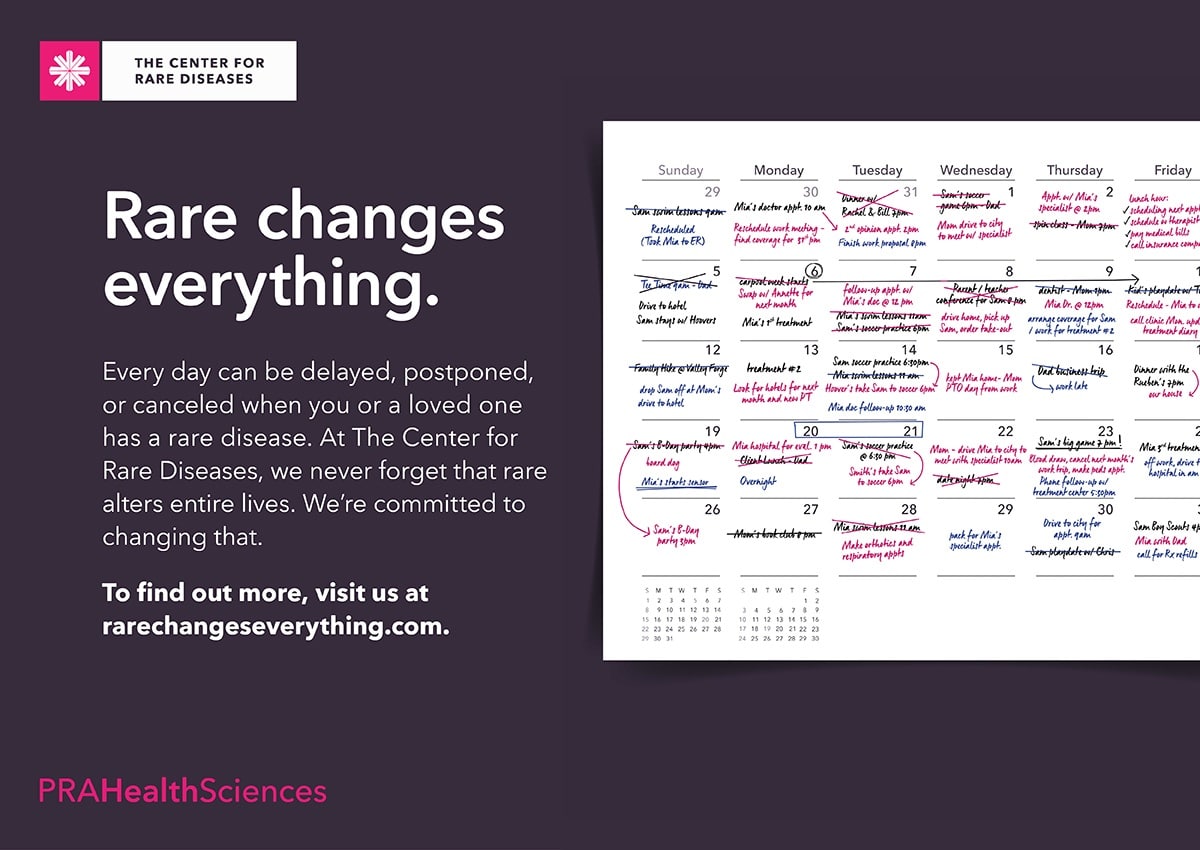
rare disease snapshot 1

The biggest difference between common disease and rare disease clinical trials is “…probably the amount of people that can be enrolled in the trial,” says Dr. Jahannaz Dastgir, Director of Clinical Research, Applied Therapeutics and Lead Physician at Atlantic Health System’s Pediatric Neuromuscular Program. “With conditions like diabetes or heart disease, for example, you could have very large numbers of patients. In rare diseases, you would have a much smaller number, because there might be 20 cases of the condition, worldwide. You have to work out the statistics to make sure you have the right amount of data over the right amount of time to get the study to be statistically significant so that the drug can be approved.”

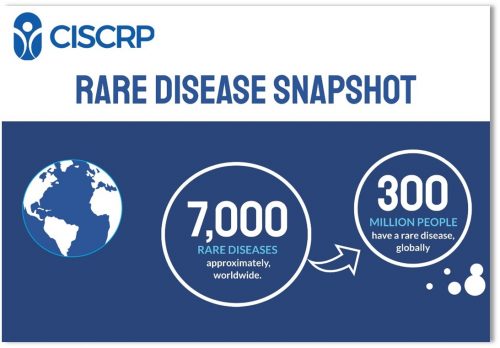
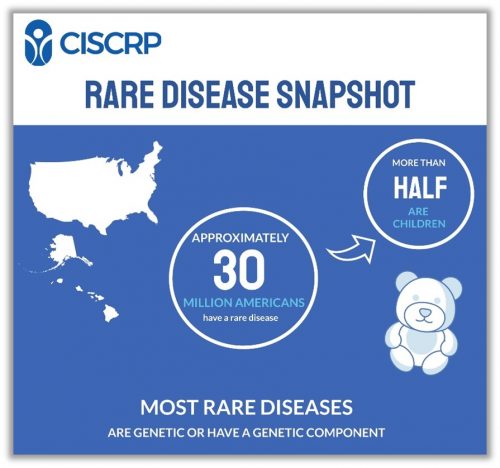
A disease or condition is classified as “rare” in the United States if it affects less than 200,000 individuals. This definition varies in other parts of the world. For example, in the European Union, a disease is defined as “rare” when less than 1 in 2,000 individuals are impacted. While there is no exact count, it’s estimated that there are approximately 7,000 rare disease effecting 25 to 30 million Americans (1) and over 300 million children and adults globally, roughly 3.5% to 5.9% of the population (2). Conducting clinical studies in the rare disease space to find safe and effective solutions is a collaborative effort by stakeholders in the clinical research enterprise including patients, patient advocates, product developers and medical research professionals.

“Our clinical trial journey really started with me having no knowledge of clinical trials,” recalls Jennifer McNary, a mother of four, rare disease patient advocate, educator and founder of One Rare, a nonprofit organization whose mission is to improve experiences for the rare disease community through education, mentoring and peer support. Jennifer’s connection to the rare disease community is particularly poignant.

“My three sons all live with rare diseases. My first two sons, are now 22 and 19, are living with Duchenne Muscular Dystrophy. I also have a third son living with 2 rare diseases, primary immune deficiency and congenital cholesteatoma. He is 13 years old. And I have a daughter who is healthy,” says Jennifer. When her two older sons were diagnosed as children, Jennifer was advised that “…there were no treatments, no therapies, there was nothing I could do and in fact, there were no clinical trials that we could think about enrolling in.” Jennifer took matters into her own hands and shares “I spent a lot of years raising money and funds for science and going to advocacy meetings.”

Jennifer also pursued clinical research as a healthcare option for her two older sons in hopes of changing the trajectory of their disease progression.

“Thankfully, when Max was 9 years old, and his brother, Austin was 12, we were allowed to participate in our first clinical trial. It was a lot of work to get to this point,” she recalls. Through personal connections, Jennifer learned about a clinical trial in Columbus, Ohio, at Nationwide Children’s Hospital. The clinical study was specific to a certain mutation in Duchenne Muscular Dystrophy.

rare disease snapshot 2

“I dug out my kids’ genetic report and I realized that my kids actually had this genetic mutation and could qualify for the study. When I called the (clinical research) site and asked them if my sons could be part of the study, they told me that there were a few things we had to do. The first thing was that we had to answer a few questions about the kids’ mobility and ability to walk. Unfortunately, because Austin was 12 and had lost the ability to walk at age 10, he was not able to enter the study or even be considered. But Max was the right age, has the right genetic mutation, and he was functionally the right kind of kid that they were looking for to bring into this 12-person study. And so, I packed up Max, and my newborn daughter at the time, Nora, and I left my three-year-old son and my 12-year-old non-ambulant son with some family and friends and we flew to Columbus, Ohio to meet with the doctors running the study,” says Jennifer.

At the time, Jennifer and her family lived in Vermont. Weekly travel to the clinical research center was required. “I didn’t have a lot of money and a lot of patients do not have the money to fly weekly, stay in hotels, get rental cars, so I wanted to make sure that this was all going to be reimbursed and that patients were not going to have to pay for their time in a study,” says Jennifer.

It’s important to ask questions about all aspects of the clinical study, so that you have a complete understanding of what it entails for both the participants and caregivers. Equally important, is that you feel comfortable and confident in asking questions to the research center staff- study coordinators and/or the Principal Investigator.

“One of the questions I asked when we were evaluating this study was what happens at the end of the study, if my child didn’t get the drug, do they continue to receive the study drug, (when the study is completed)? This is called an extension study. I always ask at the beginning of a clinical trial, is there an extension planned, and will all of these patients receive the active drug, if it works?” says Jennifer.

Melanie Havert is a patient advocate and project manager at Rare Patient Voice, which provides patients and caregivers with rare diseases an opportunity to voice their opinions through surveys and interviews to improve medical products and services. When she is discussing details with clinical research staff “A question I always like to ask is have any other people had this drug yet or are we going to be the first ones to try this? Of course, it’s tested extensively before it gets to people, but I like to know where we’re at, at that phase.”

“My instinct is to ask questions about the data that exists around this and why do they (clinical research staff) think it’s going to work. What do you know about this therapy that leads you to believe that it’s going to do something?” says Jennifer. She also advises that participants or caregivers need to ask about any lasting implications from participating in the study. “Ask that question because you don’t want to end up eliminating yourself from future clinical trials and from having flexibility to choose what therapies you want to take. Once you’re in a clinical trial, you often can’t change your current treatments.”

A common question that participants and caregivers ask is what the first day of a clinical trial is like.

“The first day can be pretty intense,” says Melanie. “In my experience, you get a stack of papers, and someone sits down with you and you spend a couple hours going over these papers, and they make sure that you completely understand what you’re about to do to participate in the clinical trial. They really walk you through the process.” (This is called Informed Consent and you can learn more about it here). There may also be blood draws and urine samples taken, along with other initial benchmark testing. “It really depends on the specific drug and how they are handling it that day. It’s pretty intense but it’s worth it.”

Dr. Dastgir adds “You will get additional testing that is part of the trial. And the results of these you may or may not be privy to. It’s really important to maintain the standard of care locally.” Dr. Dastgir says the care that a participant receives during a clinical study is “…an enhancement of care, better access to experts but not a substitution for the standard of care that you get back home with your local provider.”

Melanie observes that “Something that I’ve noticed is that when you go see your regular doctor, you can ask them questions and they have answers for you. When you’re in a clinical trial, it’s the doctors that are asking you questions, and you’re giving them the answers.” Participants can ask questions in a clinical trial, as well.

In the era of social media, patients and caregivers have unprecedented access to information sharing platforms. Dr. Dastgir says “Social media is the Wild Wild West in terms of what kind of information you’re receiving, and whether it’s correct or not. When people sign the consent form, there’s some level of discretion and confidentiality that exists, and whether or not that gets implemented is primarily good faith.”

Both common disease and rare disease clinical trials for children and adults are monitored by the FDA (Food and Drug Administration) the NIH (National Institute of Health) and IRBs (Institutional Review Boards). You can learn more about safety protocols in clinical research here.

“I do have a lot of faith in the safety of this system,” says Jennifer. “There are a lot of safety nets to capture adverse events and to protect children in studies. I am happy to report that this was a positive example of being in a clinical trial, because this therapy was approved based on the study that Max was in. We’re still on the hunt for the next best therapy, and we’re hoping to be accepted into another trial. I would give this experience a 10 out of 10.”

“Most rare diseases are genetic or have a genetic component and 75% of rare diseases are without a single FDA-approved treatment. On average, it takes an average of 7.3 years to receive an accurate diagnosis of a rare disease,” says Christian Rubio of Global Genes.  Clinical research is essential to addressing these disease states and indications in order to find treatments, therapies and cures.

You can view part-two of the series, “Rare Disease Clinical Trials: How to Prepare for When the Clinical Trial Ends” here and part-three, “Rare Disease Clinical Trials: After Participation, Paying It Forward” here.

To search for medical conditions in a specific location, visit our Search Clinical Trials page.

Access the companion infographics:

  • Clinical Research Participation Roadmap | Part-one here.
  • A Garden of Questions to Ask Before the Clinical Trial Ends | Part-two here.
  • Paying it Forward in Clinical Research | Part-three here.

To stay informed about clinical trials, visit our Resources page.

Sources
(1) https://rarediseases.info.nih.gov/diseases/pages/31/faqs-about-rare-diseases
(2) https://www.rarediseaseday.org/article/what-is-a-rare-disease

###

Clinical Research Participation Basics: What Should I Ask of, and Know About, the Study Staff?

From "The Gift of Participation" by Ken Getz, Founder & Board Chair, CISCRP

Principal investigators, the people who supervise clinical trials, may only meet with you briefly to do a physical exam and required medical procedures. With the exception of dental studies, principal investigators are usually medical doctors. Research visits with physicians can seem like a routine doctor visit with added paperwork. But principal investigators do a great deal of behind-the-scenes work that study participants rarely see, including trial design and monitoring of results. Protocols that pharmaceutical companies and research consultants develop can be hard to qualify for and grueling to be in. Some principal investigators spend a significant amount of time reworking these trials to be more patient-friendly. Sub-investigators, including other doctors, graduate students, residents, and lab staff, may conduct study-related procedures under the supervision of the principal investigator.

With few exceptions, the professional with whom you will interact directly and frequently is the research nurse—called a study coordinator. Study coordinators are frequently registered nurses. They essentially run the clinical trial. Among their long list of duties are recruiting and screening patients, obtaining your written consent to participate in a study, monitoring your progress at home, and reporting any adverse drug reactions. Study coordinators are the individuals with whom you likely will first meet to discuss what you can expect during a clinical trial and the potential risks and benefits of the investigational therapy. Coordinators can, in many ways, make or break the clinical trial experience for you.

Both study investigators and coordinators usually make themselves available 24 hours a day to answer questions about the study and any unexpected reaction—or non-reaction– to the investigational medication. This also allows them to respond quickly to any adverse event that occurs. Many research centers will go to great lengths to assist you in feeling comfortable and well-cared-for. A number of studies have shown that the vast majority of study volunteers highly rate the level of professionalism and the quality of care that they received during their participation. The center may provide transportation services, onsite day care, after-hour appointment times, waiting rooms stocked with refreshments, friendly administrative staff, special dinners, and birthday cards. Some research centers even offer valet parking. Patients who repeatedly volunteer for drug trials targeting their particular illness are sometimes even supplied with free medications and treatments between studies.

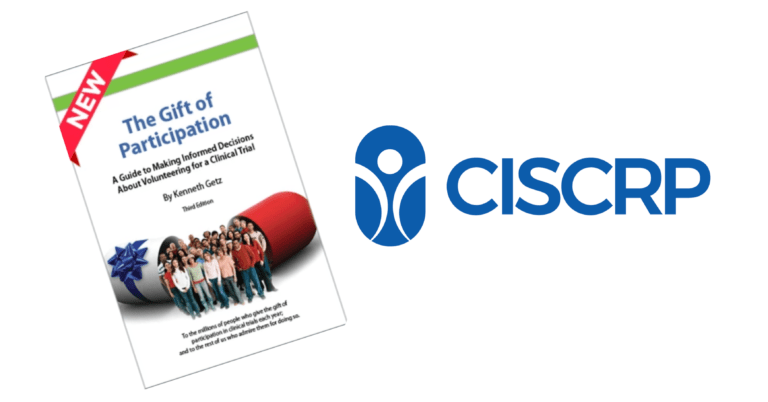
For more information on clinical trials and making informed decisions about volunteering for clinical research, read “The Gift of Participation” by Ken Getz, Founder and Board Chair, CISCRP.

You can find the book here.

To search for medical conditions in a specific location, visit our Search Clinical Trials page.

To stay informed about clinical trials, visit our Resources page.

Clinical Trial Participants Are Changing Lives

Study volunteers in clinical trials are essential to advances in medicine yet their own medical condition may not benefit by their participation.

Every year, millions of people take part in clinical trials and become partners in the process of developing new medical treatments. We call these individuals medical heroes.


Participation in a clinical trial is a brave and selfless act because it always carries some risk. The trial may bring some hope for a treatment and even a cure; but it is unlikely to personally benefit a participant. Through their participation, medical heroes contribute valuable knowledge about the nature of a disease, its progression, and how and how not to treat it. Ultimately, future generations benefit from medical advances gained through clinical trials.

One last hope
For most people, clinical trials are an abstract concept with no personal relevance. They take a hard look at clinical trials for the first time when facing the prospect of a serious and debilitating illness for which no medication is available or adequate. 

Patients, their families, friends, and healthcare providers must gather information quickly to understand how the clinical trial process works, the requirements of participation as defined by the study protocol, and whether participation is appropriate. This rush to navigate and master the unfamiliar terrain of clinical trials invariably feels overwhelming and confusing.

Learning the ropes
In 2003, the Center for Information and Study on Clinical Research Participation (CISCRP) was founded to provide outreach and education to those individuals and their support network considering participation in clinical trials. Based in the Boston area, this nonprofit organization focuses its energy and resources on educating patients and the public about the clinical trial process and on enhancing study volunteer experiences during and after participation. Many events and services are designed to improve public and patient literacy, to engender feelings of empowerment and control, to ensure more informed decision-making, and to recognize and appreciate the medical heroes that inspire us.

Today, nearly 4,000 experimental drugs and therapies are in active clinical trials and that number continues to grow as improvements are made in detecting dis-ease, in discovering new medical innovations, and in understanding and addressing the root cause of acute and chronic illnesses. At the very heart of all of this promising, life-saving and life-altering activity are medical heroes to whom we owe our deepest appreciation for their profound gift of participation. n

Article from 2020 Clinical Trials Supplement, USA Today. View Supplement Here >

Clinical Trials: Every Person Can Play A Powerful Role

The global race to combat the current pandemic has put medicine development
in the spotlight and made clinical trials front page news. To go beyond the headlines, we spoke with
Marie-Pierre Hellio La Graverand, M.D., Ph.D, a leader in drug development for Pfizer, and asked her for
three takeaways she’d want people to have about clinical trials, what they are and why they matter.

We all need clinical trials to develop new medicines. And clinical trials need us too.

Marie-Pierre’s training as both a physician and scientist has provided her with a unique perspective on what it takes to translate insights from the laboratory into life-changing new medicines.

It’s a perspective that makes her especially grateful to the thousands of people who volunteer each year to participate in clinical trials.

“One of the big reasons I chose to devote my career to drug development was that it’s an opportunity to bring new medicines and vaccines to help people across the world,” she says. “New medicines have the potential to change and save lives. And those new medicines would not be possible without the thousands of people who participate in clinical trials.”

As Marie-Pierre explains, every prescription medicine we depend upon today was first tested in a clinical trial. And every medicine we hope to develop for tomorrow depends on the people that continue to participate in these clinical trials.

Clinical trials are always safety-first.
Advancing science and helping develop new medicines is the goal of each clinical trial.

But as Marie-Pierre explains, it’s the people who join clinical trials who are always the priority.

“It starts with careful safety planning, long before a single person joins,” she says. Potential participants are carefully evaluated to be sure it’s the right trial for them, and each trial site is run by a specialized team of doctors and medical staff, with oversight provided through continuous monitoring. “The focus is always on the participants, keeping people’s safety top of mind,” Marie-Pierre says. “Their health and well-being is always our top priority.“

We all have a part to play.
Medicines being studied to help one patient population or age group require volunteers from that specific population. “But most new medicines and vaccines also depend on the participation of healthy volunteers,” Marie-Pierre says.

“The medicines we rely on today benefited from the help of thousands of healthy people, representing all our global diversity.

“In order to ensure that new medicines and vaccines can help everybody, everybody has to be represented in these studies,” she explains. “We all have something we can contribute to making the world a healthier place.” 

Article from 2020 Clinical Trials Supplement, USA Today. View Supplement Here >

The Priceless Gift of Clinical Trial Participation

Written by: Ken Getz
Founder and Board Chair, CISCRP
Professor, Tufts University School of Medicine

Many clinical trial participants don’t directly benefit from the study. However,
their participation is an invaluable gift to future generations.

New medical discoveries made during the past decade — fueled by improvements in detecting disease, and new understanding about the root causes of diseases and how to treat them — have moved more than 4,000 experimental drugs and interventions into active clinical trials globally.
In the past several months alone, the world has seen the public and private sectors collaborate at unprecedented levels and speed to develop several hundred new vaccines and treatments in response to the COVID-19 pandemic.
But the ultimate success of all of these innovations depends entirely on the millions of people who volunteer to participate in clinical trials.

These are everyday people who choose to give the extraordinary gift of participation in clinical research.
Their decision to participate is a selfless act — an altruistic gift — because it always carries risk and is unlikely to bring any direct personal benefit. Through their participation and partnership with clinical research professionals, study volunteers profoundly contribute to society’s collective knowledge about the nature of disease, its progression, and how to treat it. Ultimately, future generations are the direct recipients of the gift of each clinical trial volunteer’s participation.

Unfamiliar territory
Although there has been a lot of news coverage about treatments and vaccines in clinical testing for COVID-19, the vast majority of people know very little about actually participating in clinical trials. Most people stumble upon clinical trials when faced with the sudden and often unexpected prospect of a serious and debilitating illness for which no medication is available or adequate.
Typically patients, their families, their friends, and their healthcare providers must gather information quickly to identify an appropriate clinical trial, and to determine whether to participate. This rush to navigate the unfamiliar terrain of clinical trials can be over-whelming and confusing.

A valuable resource
In 2003, the Center for Information and Study on Clinical Research Participation (CISCRP) was founded to provide outreach and education to people considering participating in clinical trials. Based in Boston, but with global reach, our nonprofit organization focuses its energy and resources on raising awareness, educating patients and the public, and enhancing study volunteer experiences during and after clinical trial participation.
This special supplement is part of CISCRP’s ongoing effort to raise public awareness about the importance of clinical research, and to increase public recognition of the millions of study volunteers and clinical research professionals who, together, help advance medical knowledge. We hope you find this campaign informative and inspiring.
At the very heart of successfully developing new life-saving and life-changing treatments and vaccines lies the clinical trial volunteers to whom we owe our deepest appreciation for the profound gift of their participation. 

Article from 2020 Clinical Trials Supplement, USA Today. View Supplement Here >

Understanding DCTs: Decentralized Clinical Trials

Authored by: Melissa E. Daley, Communications & Marketing Manager, CISCRP

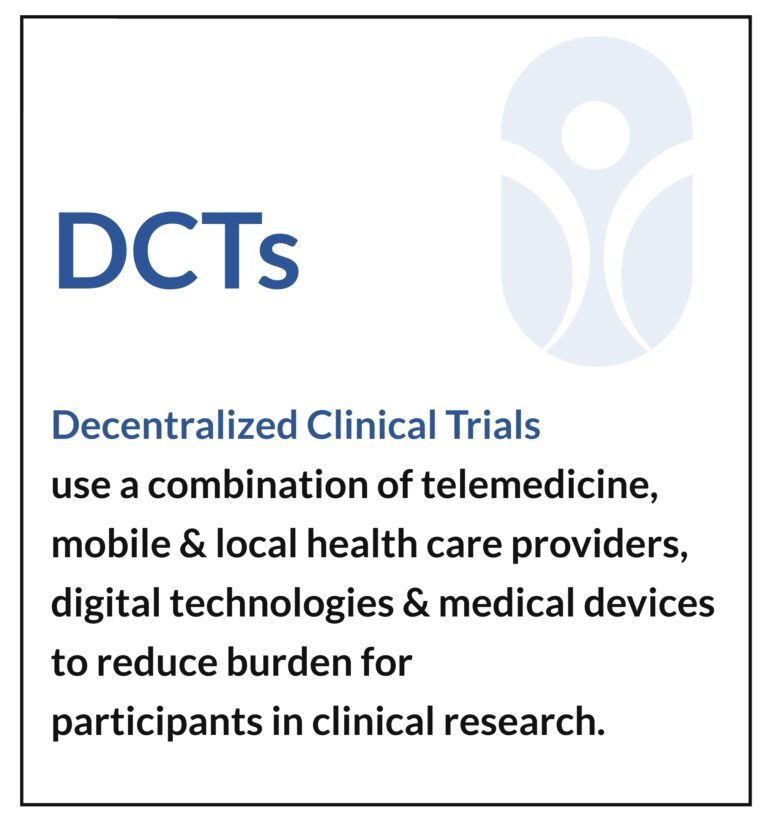
The advent of the COVID-19 pandemic has scaled public interest in clinical research, and has increased the implementation of DCTs, decentralized clinical trials. SMEs from Curebase, a software and services provider specializing in DCTs, shared what DCTs are, how they work and differ from the traditional model of clinical conduct, and the importance of diverse participation in a 15-minute Flash Webinar. Arsheen Ali, Clinical Project Manager, began by outlining the conventional approach to clinical trials.

“Traditionally, clinical research activity occurs in person, at a designated physical location, which is generally referred to as a research site,” explains Arsheen. “A doctor, called a PI or Physician Investigator, along with other clinical research staff including nurses and clinical research coordinators, facilitate participant care and the collection of data around the clinical study so that the data can be analyzed.” Participating in a clinical study introduces many moving parts for patients and caregivers, including issues around travel to and from the study center, taking time off from work, coordinating childcare and other personal impacts.

To gain better understanding of how DCTs provide an added level of convenience for participants, Myra Lane, Lead Virtual Research Coordinator shared that 

“Decentralized clinical trials help promote a more patient-centric approach, addressing participants needs that go unmet in traditional clinical trial models. DCTs typically incorporate the use of technology and digital tools that give the participant convenient options to provide information that’s needed for the trial, to interact with research staff, and to complete study activities.” The use of technology allows participants to complete part of, or in some cases, all the study activities remotely.

If there are parts of the study that cannot be completed remotely, an alternative location can be selected. This may include the participant’s home, workplace or their own doctor’s office. One example is when a mobile phlebotomist is sent to where a patient lives to conduct a blood draw.

“A decentralized clinical trial does not necessarily mean that a participant will never interact in person with a member of the research staff,” adds Adam Samson, Senior Director of Clinical Operations and Customer Success. Decentralized clinical trials can use a combination of approaches to coordinate patient care and study conduct. As in telemedicine, different communication forms are employed including phone calls, video calls and text messaging.

DCTs greatly scale the convenience factor for participants and caregivers. Traditional clinical trials often required long distance travel to the closest research site, hotel stays and time off from work. Removing geographic barriers and eliminating time constraints means that a greater diversity of patients are able to participate. For study data to represent a universal population, diverse participation is essential.  DCTs are paving the way to opening clinical trials to populations that historically faced barriers to participation, including minorities and residents of rural communities.

“The term decentralized clinical trials does not refer to just one thing. It might be that everything is done from the participant’s home, or it could be that the participant chooses to go in for certain things. When it comes to the use of technology, it’s important for participants to understand what the details are around the devices and technology, in order to decide whether it’s something they’d be comfortable with,” says Adam.

Patients’ bodies react differently to medications based on characteristics including age, gender, race and ethnicity. By reducing burdens to participating in a clinical trial, DCTs increase access to clinical research to a diverse pool of participants. In turn, the length of time it takes to develop new treatments and therapies can be decreased.

“Participating remotely is just as important as participating in person,” says Arsheen. “Your participation makes a really big difference in moving science forward.”

Learn more about DCTs by accessing the webinar recording here. View CISCRP’s library of webinars and podcasts here.

To search for medical conditions in a specific location, visit our Search Clinical Trials page.

To stay informed about clinical trials, visit our Resources page.

Key Insights Into Clinical Research Perceptions Among Parents and Children

Written by: Shalome Sine
Project Manager
CISCRP Research Services

The findings of a recent pediatric survey illustrate perceptions and insights on what matters most to patients and their parents. It also offers ways to best support and inform prospective pediatric volunteers and their guardians before, during, and after the clinical research process.

During the month of April 2020, the Center for Information and Study on Clinical Research Participation (CISCRP) conducted an online United States-based survey among 500 parents and their children. The goal of this survey was to gain insight into general perceptions of pediatric trials, preferred channels of communication, key information parents and their children would want about pediatric clinical trials, as well as past or current experiences participating in pediatric clinical trials.

Awareness & Understanding
Parents generally self-report high levels of understanding about clinical research, and generally high willingness to have their child participate in a clinical research study. Awareness, understanding, and willingness to have their child participate was greatest among parents whose children have previously participated in clinical research.

Among children, levels of awareness of clinical research vary by a child’s age, as older children were more likely to have heard of clinical research compared to younger children. Overall, few reported that they understood clinical research “very well.” Though many were not sure whether they would want to participate, 50 percent reported that they would be willing. The top motivation to participate was altruistic, as children wanted to advance science through their participation.

Participation Experiences
During participation, parents reported highly burdensome experiences and high levels of disruption to their daily routine. Top burdens included traveling to the study clinic and having their child complete lab work like blood draws and urine tests. However, the majority of parents said that they received updates or study results once their child finished participation.

Results also indicate that children generally received adequate information about their participation. Ninety-two percent remembered getting information about the clinical trial before they joined, and 85 percent found this information “kind of” or “very easy” to understand. Despite these expectation-set-ting measures, children reported some study requirements as difficult to complete, most notably taking the study medication and undergoing blood draws. However, though children report burdensome study experiences, most indicate that the study exceeded their expectations, and that they would be willing to participate again.
Doctors are Key

A consistent theme throughout the survey findings was the critically important role that healthcare professionals play along the journey toward participation. For example, parents discuss clinical research with their child’s doctors often and cite their child’s doctors as the top way they learn about participation opportunities. Children would also most prefer to learn about clinical research through their doctor. Doctor recommendations were ultimately the top reason that parents decided to have their child participate. 

Article from 2020 Clinical Trials Supplement, USA Today. View Supplement Here >

Why Clinical Trial Participants Are Medical Heroes

Written by: Ken Getz
Founder and Board Chair, CISCRP
Professor, Tufts University School of Medicine

During this pandemic, we hear news every day about the many promising therapies and vaccines in development for COVID-19. Wide coverage in the media has made us all more aware of the important role that clinical trials play in protecting and advancing public health.

The success of these medical innovations and the availability of the thousands of drugs and interventions for all types of diseases depends entirely on people who participate in clinical trials. We call these brave participants medical heroes, and they can be found everywhere.

True heroes

Medical heroes are people like you and me who have chosen to give the extraordinary gift of their participation in research studies to find new treatments and cures for diseases. Their decision to be a clinical trial volunteer is a selfless act because it always carries risk, but it may not result in any direct personal benefit.

Even with higher media attention on clinical trials, the majority of people know very little about what it means to be a study volunteer. Most people only look at clinical trials in earnest when they are faced with the sudden and often unexpected prospect of a serious and debilitating illness for which no medication is available or adequate.

Raising awareness

At that moment, patients, their families, friends, and their healthcare providers must gather information quickly to make decisions about whether to participate in a clinical trial. This rush to navigate the unfamiliar terrain of clinical trials feels overwhelming and confusing. Seventeen years ago, the Center for Information and Study on Clinical Research Participation (CISCRP) was founded to provide outreach and education to all people and their support networks considering participation in clinical trials.

It is true that participation may bring hope to clinical trial volunteers and their loved ones. But ultimately, future generations are the direct recipients of the gift of participation. Medical heroes, in partnership with clinical research professionals, contribute profoundly to our collective knowledge about the nature of disease, its progression, and how and how not to treat it. 

Article from 2020 Clinical Trials Supplement, USA Today. View Supplement Here >

Press Release – AWARE for All – Southwest

CISCRP Announces - AWARE For All - Southwest- A Free Health Education Forum On Clinical Research This October

Healthcare Consortium Steps Up Efforts to Reduce Health Disparities in Clinical Trials and Increase Demographic Diversity to Aid Research, Treatments in the Wake of COVID-19.

BOSTON, MA, September 27, 2021 – The Center for Information and Study on Clinical Research Participation (CISCRP), a nonprofit organization dedicated to engaging the public and patients as partners in the clinical research process, announced today its AWARE for All – Southwest Forum. This is a free virtual event that is open to the public and will be held Thursday, October 21st from 6-7pm MDT. The forum is tailored for the Southwest region, including Arizona, California, Colorado, Nevada, and Texas via a secure online platform.

In an effort to reduce health disparities and increase demographic diversity in clinical trials, the forum brings together a unique consortium of health educators, health experts, and trial participants who will share the benefits, research and  urgent need in the development of treatments in healthcare. To register for the October 21st Southwest event visit: https://www.ciscrp.org/event/aware-for-all-southwest-virtual-event/. 

The COVID-19 pandemic and the disproportionate impacts to communities of racial and ethnic minorities, combined with decades of distrust and misinformation about clinical research and its role in the development of treatments and healthcare, has raised the urgency to broaden outreach to reach more participants in clinical trials. The AWARE for All forum aims to increase participation by historically marginalized communities that have long been absent from research on treatments, vaccines, devices, and therapeutic drugs.

“Today, participation by Hispanic communities in clinical trials is less than one percent nationally. Our goal is to increase the participation of patients of Hispanic heritage nationally in clinical trials to find new cures and innovative strategies in treatment. That’s why collaboration, outreach, and participation in the October event to learn more is so vitally important,” said Lisa Treviño, PhD, Vice President, DHR Health Institute for Research and Development.

AWARE for All – Southwest is supported by local research teams, advocacy groups, and a consortium of biopharmaceutical and service provider companies. The program will answer key questions about the clinical trials process, what to expect as a study volunteer, and the benefits and risks of participation. The panel discussion will be moderated by Ken Getz, founder and board chair at CISCRP and includes perspectives from clinical trial participants and healthcare professionals featuring:

  •  Charlene Upshaw, Breast Cancer clinical trial participant, La Porte, Texas
  •  Carmen White, Director, Multi-Cultural Participant Experience Lead, Pfizer
  • Lisa Treviño, PhD, Vice President, DHR Health Institute for Research and Development
  •  Al-Malik Edwards, Recruitment Specialist, Excell Research
  •  Becky Johnson, Director, Global Diversity & Inclusion in Clinical Trials, IQVIA

The AWARE for All event series has been crucial in driving attention to clinical research via locally common conditions and therapeutic areas, with a goal of reaching a diverse population to advance research and quality of care. It is the fourth of five AWARE for All programs running nationally in 2021.

“We believe that clinical trials are extremely important for moving science and medicine forward, and that they cannot be done without the dedication and commitment of the research participants. This is why it is so important that people interested in participating in a trial know that they have rights as participants and that clinical trials are always voluntary, because we could not do our work without their help,” said Michelle Stocker, Clinical Trial Research and Communications Professional, University of Colorado Alzheimer’s and Cognition Center.

As part of the virtual event, an informational exhibit will feature over 30 organizations sharing resources, a Health & Wellness pavilion, and a theater with short educational videos about clinical trials. Exhibitors include: Pfizer, Biogen, Janssen, Otsuka, IQVIA, CSL Behring, EMD Serono, WCG, Novartis, and Genentech. Visitors can connect with Southwestern and national advocacy organizations such as Alzheimer’s LA, The Chrysalis Initiative, National Ovarian Cancer Coalition, Candlelighters Childhood Cancer Foundation, BreastCancerTrials.org, and many more.

“Without clinical trials, we continue to lag behind in solutions for rare diseases like sickle cell and other diseases. We are grateful to CISCRP for hosting free programs like this to educate our community about clinical studies and their importance. Clinical studies are vital to advance research and quality of care, and we are excited to be a part of the Southwest program,” said Gina Glass, Executive Director Dreamsickle Kids Foundation, SCDAA Nevada Chapter.

To access recorded webinars and Informational Exhibit Centers, including AWARE for All events in 2021 visit www.awareforall.org.


About CISCRP

The Center for Information and Study on Clinical Research Participation (CISCRP) is a 501(c)(3) non-profit organization dedicated to engaging the public and patients as partners in the clinical research process. CISCRP provides free education and outreach to the general public and patient communities. Visit www.CISCRP.org for more information or to participate in CISCRP’s educational initiatives. For additional questions about AWARE for All, contact awareforall@ciscrp.org or call 877-633-4376.