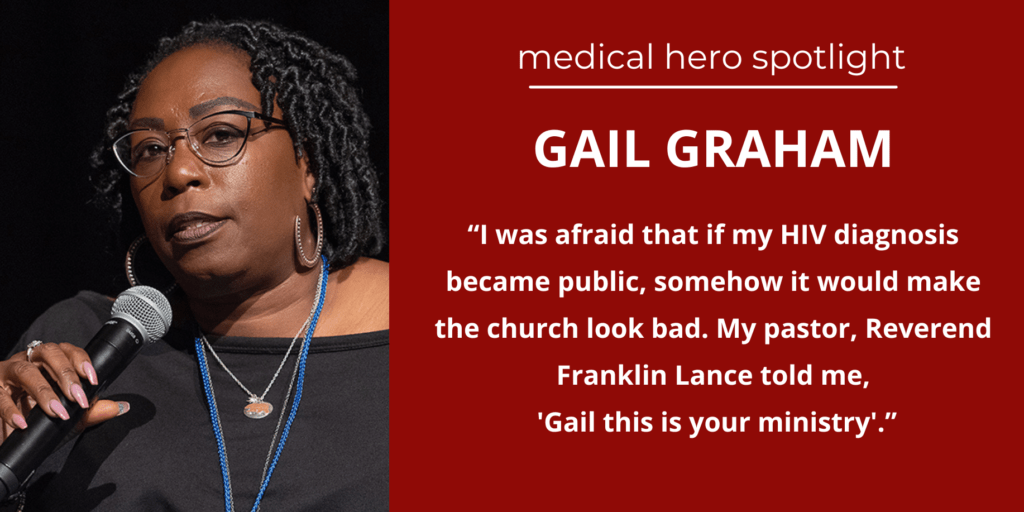
Medical Hero Spotlight: Gail Graham, Providing Hope for the HIV/AIDS Community in Baltimore

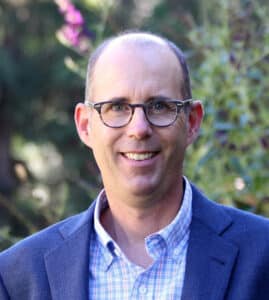
Most of us are familiar with the anxiety following a medical test; having to wait days, sometimes weeks for the results. In 1997 Gail Graham went to the doctors for a routine HIV screening and on April 29, 1997 her results came back positive. She was shaken to say the least. As a mother of two young boys, her first thought was, “I just want to live long enough to see them graduate.”

The stigma of having HIV is something that has affected Gail’s life in many ways. Following her diagnosis, she reveals how some of her family members began treating her differently – even going as far as forcing her to use paper plates and cups. However, she also shares her gratitude for her family and friends who chose to educate themselves about HIV. She proudly notes how her two sons speak openly with their peers about HIV.

Gail also explains how her religious faith has changed over the years. She was raised a Jehovah’s Witness but had since stopped practicing. However, in 2006, with the encouragement of her best friend, she attended a church service at Mt. Lebanon, a Baptist church in Baltimore, Maryland. After the service, Gail was interested but hesitant in joining the church. “I was afraid that if my diagnosis became public, somehow it would make the church look bad,” she explains. Gail made a request to speak with the church’s pastor, Reverend Franklin Lance. She recalls Pastor Lance’s heartfelt and welcoming words: “’Gail this is your ministry.’” In the years since that conversation, with the support of her pastor, Gail has taken an active role at church. As the Director of HIV/AIDS Outreach Services and Ministry, she has created a much-needed safe haven for community members to receive free confidential HIV screening and counseling.

Gail’s role at Mt. Lebabon has enabled her to connect with various local churches and organizations. She stresses the need for services in her community, due to the high rates of HIV/AIDS in Baltimore. But, she also shares her initial hesitancy in working with all groups saying, “We had a lot of people coming to our community and not giving anything back.” So, when Gail was invited to an event held by the PATIENTS Program at the University of Maryland School of Pharmacy, she was reluctant. However, due to their persistence in collaborating, she invited members of the program to exhibit at Mt. Lebanon’s World Aids Day event. Gail shares her surprise upon witnessing the way they engaged with community members. She notes, “They were not only talking to people, but holding their hands.” This simple gesture is something that she says professionals often lack when counseling individuals who are HIV positive.

Gail’s journey also led her to become involved in clinical research. In March of 2014 she joined an HIV/AIDS clinical trials group at Johns Hopkins University. This gave her an opportunity to learn more about ongoing research, but she had a desire to do more. “How can I be on this board but not be a part of research?” She spoke with her doctor who recommended a trial at the National Institutes of Health. Gail recalls her experience as a very positive one and how the research staff made her feel valuable. In addition, she learned many new things about her disease from the study findings. Although the trial ended early because the medication was not effective, Gail says, “I would gladly do it again.”

Today, thanks to advances in medical research, Gail is happy to report that her disease is undetectable and untransmittable. To others diagnosed with HIV she stresses, “It’s just a diagnosis; it’s not you. You can still live a long and healthy life.” To learn more about Mt. Lebanon’s HIV/AIDS ministry click here


To search for medical conditions in a specific location, visit our Search Clinical Trials page.

To stay informed about clinical trials, visit our Resources page.

Written by Leslie Perez, Marketing and Communications Coordinator

Journey to Better Health Mobile Exhibit Continues on its National Tour

The next generation of The Journey to Better Health mobile exhibit is en route to Atlanta, Charlotte, and New York City this summer and fall, with national support from the Janssen Pharmaceutical Companies of Johnson & Johnson (Janssen). This exhibit is traveling to community events and health fairs, is highly interactive, and is custom-tailored to the communities that it visits.

A growing body of research shows that there are significant disparities in clinical research literacy among minority and underserved communities. Research also shows that the way to reach these communities is to meet them where they live, with local ambassadors to guide them to appropriate educational resources.

In 2018, CISCRP and Janssen tested a new grass-roots outreach program in Los Angeles and brought a traveling exhibit to large community events. Our Journey to Better Health RV contained interactive, educational displays about the clinical research process and its advances in medical knowledge. The RV also provided information for individuals interested in learning more about the clinical research process and participation. Multi-lingual clinical research “navigators” traveled with the RV to answer questions and guide visitors. This engagement campaign culminated in a live AWARE for All: Clinical Research Educational Event with free health screenings, resources, and speakers.

Throughout the process, CISCRP gathered impact measures and continues to learn more about the importance of bringing customized education directly to diverse communities. The RV helped to spread awareness and encourage attendance. CISCRP saw significantly higher numbers of attendees at the AWARE – LA Event and we continue to receive positive feedback from our visitors and requests to bring this traveling educational exhibit to new communities. CISCRP received media coverage that extended our reach and has garnered recognition by the health education community, and we were honored by clinical research professionals at the SCOPE conference as the winner of the Participant Engagement Award.

Building upon momentum generated in 2018 and 2019, CISCRP is establishing a consortium of 7 – 10 companies to support the Journey to Better Health engagement campaign over a five-year period (2020 – 2025). We’re hopeful that an educational grant from this consortium will enable CISCRP to produce and implement five AWARE for All: Clinical Research Education Events supported by the Journey to Better Health mobile exhibit per year. Companies participating in this educational consortium will receive prominent visibility and exposure. They will also participate in a steering committee to help identify target cities, monitor progress, and help continuously improve the campaign.

Three companies have already committed to joining the consortium. We invite other companies interested in playing a leadership role in providing education and increasing clinical research literacy among minority and underserved communities to contact us. Please email ellyngetz@ciscrp.org to learn more about how to participate as a sponsor, navigator, or visitor!

Written by Ellyn Getz, Associate Director of Development & Community Engagement

CISCRP Establishes Health Communication Services

For the past eight years, CISCRP has been assisting more than several dozen pharmaceutical and biotechnology companies in preparing and disseminating plain language clinical trial results summaries. During that period, a growing number of companies, government agencies, institutions, foundations and patient advocacy groups have asked CISCRP to assist them in developing a variety of clinical research and health-related communications in plain language. In recognition of this expanded activity, CISCRP announces that all of its plain language projects and editorial activities will be subsumed under the newly created Health Communication Service department.

CISCRP is well positioned to meet this growing demand given its deep knowledge of the clinical research process and nearly 20 years of experience educating and engaging patients and the public. Global interest and momentum supporting plain language communications has also increased. The European Union Clinical Trials Regulation 536/2014, for example, now encourages sponsors to support lay language communications to ensure that patient and public needs are best met. And the Food and Drug Administration now requires informed consent documents to be written in plain language.

CISCRP’s Health Communications Services team assists organizations with not only plain language clinical trial results summaries but also informed consent documents; risk management communications; marketing and promotional messages; print, digital and web-based content; legal agreements; journal and publication abstracts and manuscript. As part of its plain language development process, all materials are reviewed and edited by the CISCRP team followed by review and modification from an Editorial Panel made up of patients, the lay public and other clinical research and health communication professionals.

We are truly excited about, and grateful for the growing role and impact of our Health Communications Services department. If you have any questions or would like to discuss a potential project, please contact Jay Matthews at jmatthews@ciscrp.org.

Written by Jay Matthews, Business Development Executive

USA Today Supplement on Clinical Trials

CISCRP recently published another informative and educational clinical research supplement in the USA Today newspaper on June 7th. Running routine digital and print national media outreach across major newspaper outlets like USA Today, while simultaneously hosting our local events and community engagement efforts, allows CISCRP to have a maximum impact through frequent and consistent public awareness-building and educational messaging surrounding the topic of clinical research.

With ever-increasing interest in our “National Clinical Trial Outreach and Awareness Initiative” from key organizations and thought leaders in the industry, this particular insert grew beyond its usual 8-page spread to a 12-page spread to accommodate additional content. Reaching an audience of approximately 1.75 million people, with print markets in New York, Chicago, Philadelphia, Los Angeles, Phoenix, and Houston, as well as a digital publication, this biannually occurring campaign promotes greater public awareness of clinical research and reshapes perceptions surrounding participation in trials.

Contributions from Janssen, Pfizer, WCG, Eli Lilly, Bristol-Myers Squibb, Biogen, and Merck made for a well-rounded collection of articles and advertisements covering various topics relevant to clinical research. CISCRP’s founder, Ken Getz, dedicated his foreword to “Medical Heroes”, acknowledging their investment in medical science and the future of public health. Additionally, we worked with our publisher, Media Planet, to create a helpful infographic, “What to Expect From Your First Clinical Trial,” to guide patients who are considering participation in a trial but don’t quite know what to anticipate. Another article that CISCRP included in the supplement explored the alternative options, specifically compassionate use and right to try, for patients who do not meet the requirements and are therefore ineligible for enrollment in an available clinical trial. On the back cover of the insert, CISCRP placed a newly designed “Thank You to Medical Heroes” advertisement, supported by all of the campaign sponsors as well as Allergan, PMG Research, Segal Trials, and Praxis. Our cover story focused on Jillian McNulty, a 43-year-old exemplary clinical trials volunteer and determined advocate for cystic fibrosis.

We will be publishing our next clinical trials supplement in December of 2019. There will be opportunities for sponsoring companies to contribute advertisements and/or editorial content. Contact Kat Marriott, kmarriott@ciscrp.org, for sponsorship options and for the chance to partake in the development of the next educational supplement.

Written by Kat Marriott, Marketing and Communications Coordinator

From the Editor—June 2019

June was a big month for us here at CISCRP. Not only did we exhibit and present at the DIA Global Meeting in San Diego, but we also underwent some changes to our organizational branding. We are proud to roll out some new service names, logos, and a remodeled website to present a look and feel that best represents everything we do at CISCRP.
In this issue, you’ll read about how our Communicating Trial Results team has become Health Communication Services to reflect their ever-expanding programs and offerings. We also now refer to our Events team as Community Engagement—events are only a part of all the amazing work they do.

You’ll also begin to notice something we call our International Education & Awareness program. This department is responsible for our groundbreaking insertions in USA Today that raise awareness about clinical trials. In addition, we are also launching a new minority media channel to raise clinical research literacy within underserved communities. International Education & Awareness also includes our Education Center media, Content Licensing, and Mass Media Consulting programs.

The most noticeable visual change you’ll see is with our CISCRP website. The design, look, and feel have been renovated to reflect our new branding. Moreover, visitors will have a much cleaner user experience navigating through our site. We encourage you to send us your feedback.

New branding isn’t worth anything, however, without real substance behind it. That’s why, at CISCRP, we continue to provide valuable programs to help engage the public and patients as partners in the clinical research process. We also strive every day to come up with innovative ways to reach and help more people. You’ll read about some of these services in this issue of our newsletter—from our Patient Advisory Board conducted in Taiwan, to our 2nd Annual User Group Meeting, to the exciting national tour of our next-generation Journey to Better Health mobile exhibit.

Finally, please be sure to read our Medical Hero Spotlight about an extraordinary woman serving those in the HIV/AIDS community of Baltimore. Her story is inspiring. It reminds us why we go to work, and why our mission is so important.

Written by Jim Keen, Associate Director of Marketing, Promotion, and Outreach

Building Bridges Between Health Care Providers and Clinical Research

Health Care Professionals (HCPs) have direct access to thousands of patients who they see on a regular basis. Patients often report having a high level of trust in their HCPs and a recent CISCRP study found 64% of the public believes people should learn about clinical research through discussions with their doctor and nurse…

English
View Brochure

Purchase Single/Quantity Brochures at our Store

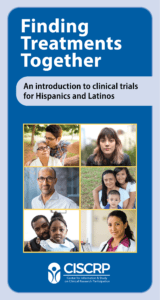
Clinical Trials for Hispanics and Latinos

Educational brochure about clinical research for Hispanic and Latino communities.

Purchase Single/Quantity Brochures at our Store

Topics include:

  • Why are clinical trials important?
  • Why should clinical trials have diverse participants?
  • Why have Hispanics and Latinos not been represented in clinical trials?
  • How trial participants are protected
  • Risks and benefits of participating in clinical trials
  • Other ways to be involved in clinical research

About the brochure:

CISCRP is committed to engaging and informing communities that have not been well represented in clinical trials by providing clear, unbiased, and culturally appropriate educational materials.

We developed this brochure together with members of Hispanic and Latino communities, as well as subject matter experts who have experience working with these communities. This included receiving feedback from 500 members of Hispanic and Latino communities through an anonymous survey.

They all helped make sure the topics, language, images, and design are appropriate and engaging. We also received feedback on how effective our brochure was for raising awareness about the importance of Hispanic and Latino participation in clinical research. This process allowed us to confirm that we are addressing the key concerns and barriers that prevent better diversity, equity, and inclusion in clinical research.

This brochure was also reviewed by an Institutional Review Board (IRB), which is also known as an independent ethics committee. The IRB review ensures the brochure follows ethical guidelines for providing information about clinical research to patients and the public. The alternative text and accessibility features in this brochure were added after IRB review.

How Can You Find More Information?

The following resources provide more information in Spanish and English:

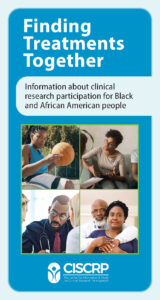
Clinical Research for Black and African American People

Educational brochure about clinical research for Black and African American communities.

Purchase Single/Quantity Brochures at our Store

About the brochure:

CISCRP is committed to providing clear, unbiased, and culturally appropriate educational materials to engage and inform communities that have not been well represented in clinical trials.


We developed this brochure together with members of Black and African American communities, as well as subject matter experts who have experience working with these communities. This included receiving feedback from 500 members of Black and African American communities through an anonymous survey. They all helped make sure the topics, language, images, and design are appropriate and engaging. We also received feedback on how effective our brochure was for raising awareness about the importance of Black and African American participation in clinical research.


This process allowed us to confirm that we are addressing the key concerns and barriers that prevent better diversity, equity, and inclusion in clinical research. This brochure was also reviewed by an Institutional Review Board (IRB), which is also known as an independent ethics committee. The IRB review ensures the brochure follows ethical guidelines for providing information about clinical research to patients and the public. The alternative text and accessibility features in this brochure were added after IRB review.


Topics include:

  • What is a Clinical Research Project?
  • Why Black and African American Volunteers are Needed
  • Clinical Research Then and Now
  • How Black and African American Participants are Protected
  • Things to Consider Before Volunteering
  • What You Need to Know
  • Questions to Ask Before Participating in a Clinical Research Project
  • Learn More About Clinical Research

The following sources were referenced to create this brochure, and may have other useful information about clinical research, diversity, equity and inclusivity.

2020 Drug Trials Snapshots Summary Report | The Tuskegee Legacy Project: Willingness of Minorities to Participate in Biomedical ResearchThe Facts About COVID-19 Vaccine Clinical Trials Infographic CISCRP FAQ’sTuskegee University USPHS Syphilis StudyThe U.S. Public Health Service Tuskegee StudyThe Tuskegee Legacy Project | Research Participants’ Bill of RightsCISCRP Medical Hero Stories – Jameisha CISCRP Medical Hero Stories – Shauna

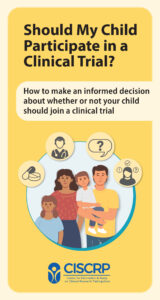
Should My Child Participate

Deciding whether to enroll your child in a clinical trial can be complicated. CISCRP is dedicated to helping people of all backgrounds and experiences navigate these decisions for themselves and their families. We created this brochure to guide parents and guardians of potential participants through that decision-making process.

Purchase Single/Quantity Brochures at our Store

Topics include:

  • What are pediatric clinical trials?
  • How your child is protected
  • Potential risks and benefits
  • Questions to ask a healthcare professional
  • Questions to ask your child
  • Deciding if participation is right for your child
  • What should you do next?
  • Where to find more information

About the brochure:

We developed this brochure with feedback from members of the public, as well as experts in child and adolescent health. They all helped make sure the topics, language, images, and design are appropriate and engaging.

This brochure includes information and questions you can ask to help you and your child understand what being in a trial might mean for you. This includes questions to ask your child or dependent, healthcare professionals, friends, family, and even questions to ask of themselves. It also explains the importance of making an informed decision.

This brochure was also reviewed by an Institutional Review Board (IRB), which is also known as an independent ethics committee. The IRB review ensures the brochure follows ethical guidelines for providing information about clinical research to patients and the public.

Building Patient-Centric Trials, Putting the Patient First

CISCRP and the Medical Research Network (MRN) are collaborating to host an upcoming webinar, “Building Patient-Centric Trials, Putting the Patient First,” to share important information about the clinical trial process and ways to improve the trial participant experience.

Attendees will hear presentations from expert speakers Annick Anderson, Director of Research Services at CISCRP and Helena Baker, Vice President of Clinical Strategy at MRN. Annick Anderson’s presentation will include data and key takeaways from CISCRP’s Perceptions and Insights study, highlighting patient feedback and reflecting on participant needs in the clinical trial process. Helena Baker will explore patient-centric trial design and solutions available to clinical trial sites to increase efficiencies and ease the patient burden.

Annick Anderson
Director of Research Services at CISCRP

As the Director of Research Services at CISCRP, Annick Anderson manages the design, implementation, analysis and reporting of a variety of CISCRP research studies. She has more than 15 years of experience conducting primary and secondary research studies in the healthcare, life sciences and consumer goods industries. Prior to CISCRP, she worked at Colgate-Palmolive as a research manager. Annick holds an MBA from the Graduate School of Management at Boston University and a Bachelor of Science degree from Bryant University.

Helena Baker
Vice President of Clinical Strategy at MRN

Helena Baker is the Vice President of Clinical Strategy at Medical Research Network. She has over 34 years’ experience in nursing and healthcare. She previously worked at Healthcare at Home, the Royal London Hospital in Whitechapel, Ferring Pharmaceuticals Ltd and St Bartholomew’s Hospital as well as acting as a healthcare analyst to the pharmaceutical industry. Helena has experience in setting up and running nursing services, working internationally across healthcare sectors and owning and running her own business.