Medical Hero Spotlight: Alicia Dellario, Ovarian Cancer Clinical Trial Participant

Ovarian Cancer Diagnosis

In 2014, Alicia had been struggling with increased urination for several months and assumed she had a UTI. She visited her gynecologist and asked for antibiotics and a urine analysis just to make sure. However, the urine analysis came back negative for a UTI, leaving Alicia and her doctor without answers for her symptoms. She was then referred to a urologist for further evaluation and testing.

Alicia credits her urologist with saving her life. “She decided to do a scan and then within an hour, called and told me I needed to see a gynecologic oncologist immediately. I had masses on my ovaries,” Alicia says. The next week, Alicia was referred to an oncologist near her in Philadelphia who scheduled her for surgery to remove all the tumors and perform a hysterectomy.

Alicia, who had just turned fifty with a seven-year-old daughter at home, was a candidate for a more intense and toxic form of chemotherapy treatment, due to her younger age and higher level of physical health she was in prior to her diagnosis.

“My oncologist had originally estimated I had about a 4-5 year life expectancy with this type of cancer and that chemotherapy would give me another 18 months of time,” Alicia remembers. “I was willing to start this chemo even if it just gave me 18 more minutes with my daughter.”
Treatment & Cancer Recurrence

The chemotherapy treatment Alicia was put on involved being pumped with chemicals through ports in her abdomen and her chest over the course of eight hours. The chemo left Alicia feeling incredibly sick and bloated while her stomach worked overtime to absorb the poison intended to destroy the cancer cells. Unfortunately, 17 months after Alicia finished this treatment, she experienced a cancer recurrence and needed a second surgery to remove new tumors. This time, Alicia received a different kind of treatment, which prevented the cancer for about a year until it returned. 

“Entering my third round of treatment for cancer, I was incredibly weak and had been through multiple doctors and care teams,” Alicia says. “I started off on a new medication and had terrible side effects, before making the decision to switch healthcare systems and doctors.” Alicia’s new oncologist recognized the toll chemotherapy had taken on her body and quality of life. He explained that she was living in a chronic disease phase with her cancer and told her to spend some time off medication recovering and enjoying life.

Finding a Clinical Trial

Six months after stopping the medication, Alicia’s cancer recurred for the fourth time in 2018. This time, her doctor recommended she participate in a clinical trial treatment specifically for ovarian cancer.

“Up until then, my chemotherapy had been standard of care treatment, but not specifically designed for ovarian cancer patients. The trial was also specifically for patients with my type of tumor mutation, BRCA negative and HRD positive. I was thrilled to be on a treatment that was targeted for me,” Alicia shares. 

Prior to her diagnosis, Alicia worked in healthcare for a pharmaceutical company, so she was familiar with how clinical trials worked and didn’t feel the fear that some people have about participating. Alicia started the trial medication on November 26, 2018. Now four years later, she remains a part of the trial and has had no cancer recurrences.

The trial Alicia joined is still ongoing, now tracking her progress in remission to see how long this medication effectively treats her cancer. Even four years later, Alicia receives blood work monthly and is closely monitored by her doctors. Because her oncologist is about an hour away, she receives a stipend for travel and her medication is free.

“I’m incredibly lucky! The only long-term side effect I have from this medication is chronic fatigue which is something I’ve adapted to over time. I’ll take being tired if it means I’m alive,” Alicia says.

When deciding to participate in the clinical trial, Alicia was heavily supported by her close friends and family. “We all knew I had run out of standard of care options and the trial was my best chance for survival,” Alicia notes. However, there were some acquaintances in her life who didn’t understand clinical research and made negative comments about her participation. “Ultimately, for cancer, there isn’t a treatment out there that doesn’t have some sort of side effect. For me, I had peace of mind knowing my care team was watching me closely,” Alicia says.

Raising Awareness for Ovarian Cancer

Prior to her diagnosis, Alicia knew nothing about ovarian cancer. When she went to her gynecologist about having increased urination, she was never told it was a potential symptom and screened for the other symptoms she already had. Like Alicia, many ovarian cancer patients have increased urination, bloating, back pain, and stomach pain. “In my mind, there were separate reasons for all these symptoms and didn’t think to tie them together. I was angry after being diagnosed that I wasn’t informed about the warning signs for ovarian cancer by my doctors,” Alicia recalls.

Alicia’s advocacy work began with researching her own medical journey, focusing on the chemotherapy treatment she was starting. She hoped to find other patients online who she could learn from to prepare for this experience.

“I made a promise to myself, that once I had made it through chemotherapy, I was going to work to raise awareness and education to give back,” Alicia says.

After finishing chemotherapy, Alicia got involved with the National Ovarian Cancer Coalition (NOCC) and the hospital network she was with. She began speaking with gynecologists in that network, encouraging them to share information and education early on with patients. 

“I view clinical trials as an opportunity and not something to fear,” Alicia says. Today, there are new cancer treatments now in clinical trial phases that are less toxic on the body and have fewer side effects. The medication Alicia takes has allowed her to keep her hair, something that most medicines and chemo will cause to fall out.

“There’s also the opportunity to help others and improve treatments for everyone living with cancer. In my opinion, the benefits outweighed any fear I had. I would not be here without clinical trials and I’m forever grateful to the pharmaceutical companies, oncologists, and care teams who have given me this opportunity.”

Additional Resources:

https://ovarian.org/

To search for medical conditions in a specific location, visit our Search Clinical Trials page.

To stay informed about clinical trials, visit our Resources page.

Volunteer opportunities with CISCRP, visit our Volunteer page.

Written by Lindsey Elliott, Marketing & Communications Manager, CISCRP | lelliott@ciscrp.org

Medical Heroes Appreci-a-thon: Learn About the Importance of Clinical Research

With the New Year underway, many of us are setting new fitness resolutions, heading back to the gym, or looking for new ways to stay active with family and friends. As we make our new year’s resolutions, this season also serves as an ideal time to recognize and honor those who have volunteered, provided care, and helped make new treatments and vaccines possible. CISCRP, a nonprofit organization dedicated to educating and engaging the public in clinical research, invites you to register for the 5th annual Medical Heroes Appreci-a-thon event.

At CISCRP, Medical Heroes are clinical trial study volunteers, healthcare professionals, researchers, and those on the front lines treating and caring for the public. During the 2023 Medical Heroes Appreci-a-thon, we honor these heroes by sharing their stories and raising awareness about participation in clinical research.

“Recognizing and honoring all the medical heroes who make our work possible is immensely important to us, and the ability to do so while encouraging healthy living and a little company and industry-wide friendly competition. It just felt like a perfect fit.” – Jennifer Byrne, CEO of Javara.

The Medical Heroes Appreci-a-thon is the perfect opportunity to stay active with family and friends while supporting those who help make new treatments possible. This is a fun team-building event in a virtual fitness challenge style. Throughout the month of February, participants can log any physical activity they complete through our race portal. The logging activity will move racers along this year’s French Riviera virtual course. Racers can see Google street views of their location and track themselves, their team, and other racers along the map.

Along the way, racers will see mile marker pop-ups along the course, receive emails that spotlight different Medical Heroes, and share educational facts and resources about clinical trials. Weekly challenges will be throughout the month to keep things exciting, promote fun competitions, and allow dedicated racers to win prizes.

The event is open to everyone — you don’t have to be an athlete to participate! Racers can log their workouts, sports, or any intentional activities done throughout the day, such as dog walking, grocery shopping, or household chores.

Appreci-a-thon racers and sponsoring organizations have shared the following:

“Appreci-a-thon is a fun way to give back, learn about clinical research, and honor Medical Heroes.” – Racer

“This challenge is a great way to stay connected with friends, family, and colleagues!” – Racer

“As someone in their late twenties, clinical research was not really on my radar until working at CISCRP. The importance of research, and all the medical heroes who help make new treatments possible, affects everyone every day without us even realizing it. I think this event is a way to reach a demographic of people who may not be joining educational webinars, reading articles related to clinical research, or attending seminars or things like that. It meets people where they are in an exciting and engaging way while also exposing them to important information and inspiring stories.” – Justine Holleran, Senior Coordinator, Community Events & Programs, CISCRP

The Medical Heroes Appreci-a-thon begins February 1st, so invite your friends, family members, and colleagues to participate in this exciting challenge. Participants can learn more information and register here.

Article published by USA Wire here.

To search for medical conditions in a specific location, visit our Search Clinical Trials page.

To stay informed about clinical trials, visit our Resources page.

Volunteer opportunities with CISCRP, visit our Volunteer page

Black Women’s Expo Provides Transformational Experience

The much-anticipated premier event for Black Women in cities around the country just made it’s Atlanta and Southeast regional stop at the Georgia International Convention center near Atlanta’s Hartsfield airport on Dec. 17 and 18.

Pitch Black and JP Morgan Chase joined the two-day event which brought out scores of industry leaders and game changers such as Keke Wyatt, Yandy Smith-Harris, Lisa Nicole Cloud and “Married to Medicine’s” Dr. Contessa.

Powerful exchanges between women in a range of fields and stations in life dominated the 2022 Black Women’s expo and participants were privy to an impressive series of panel discussions to underscore challenges to the wellbeing of Black women and their families, along with strategies for reducing the impact of health disparities and improving access to quality care.

CISCRP panel experts included (right to left): Ashley Nealy, COVID-19 Clinical Trial Participant; Melissa Hardman, Founder and CEO, Faces of Research, LLC; Dr. Lisa Lake, Executive Director of Telic Empowerment; Dr. Frita McRae Fisher, Founder and President of Midtown Atlanta Nephrology, P.C.

Pitch Black and JP Morgan Chase joined forces and collaboratively sponsored an important and comprehensive discussion of women’s health issues, disparities in health care and the importance of people of color participating in clinical trials. The expo also hosted a number of other powerful panel discussions between women in a range of fields who are making a difference in their professions and their communities.

Pitch Black media in concert with CISCRP provided a highly informative discussion panel of some of the region’s top leaders in health and medicine for Black people, emphasizing the disparities in health care and the need for Black people and other people of color to participate in clinical trials which are vital to developing new or improved treatments to eliminate or decrease infection and death rates along with quality-of-life issues for Black People.

The Center for Information and Study on Clinical Research Participation’s (CISCRP) core mission is to provide accessible, relevant, useful, high quality educational resources, programs, and services that increase awareness and understanding of the clinical research process is a vital organization for enhancing and enriching the participation experience for patients and their families; and promote engagement and partnership between clinical research professionals, patients, and the public.

Dr. Frita Fisher author of Under Pressure – A Guide to Controlling High Blood Pressure lead the health care panel discussion at Black Women’s Expo on Saturday, Dec. 17.

Dr. Frita, as she is affectionately known by patients and peers, lent her considerable expertise and commentary to Black Women’s Expo patrons and participants Saturday’s, CISCRP at the Georgia International Convention Center in Atlanta. This compelling and comprehensive discussion featured leading medical experts and health advocates to address health concerns and spotlight disparities in diagnosis, treatment and outcomes for women of color and Black women in particular.

Written by Roz Edward, Atlanta Daily World 

To search for medical conditions in a specific location, visit our Search Clinical Trials page.

To stay informed about clinical trials, visit our Resources page.

Volunteer opportunities with CISCRP, visit our Volunteer page

Medical Hero Spotlight: Kim Zukerberg, Ovarian Cancer Clinical Trial Participant

Ovarian Cancer Diagnosis

In the spring of 2013, Kim Zukerberg visited her primary care physician and her gynecologist for routine physicals, leaving with a clean bill of health. Shortly after those appointments, Kim found herself experiencing what she thought might be symptoms of menopause, including painful stomach aches. Her doctors didn’t believe the symptoms were urgent, so Kim waited several weeks for an appointment. When she was finally examined, her doctor ordered a vaginal ultrasound, and the scans came back with a mass. Rather than waiting for a CAT scan scheduled a week later, Kim made the decision to go to the ER, where she knew they would see her immediately.

“They scheduled me for explorative surgery to find out what was happening on a Saturday. When I woke up on Sunday, I was told I had an advanced stage of Ovarian Cancer 3C,” Kim recalls.
Beginning Chemotherapy Treatment

After her diagnosis, doctors rushed to stop the cancer from spreading further. Kim had a bowel resection, hysterectomy, and both ovaries removed. While recovering in the hospital from surgery, Kim began to prepare for chemotherapy treatment with a port installation in her stomach. While most cancer patients receive chemo as a standard treatment, Kim’s case was a bit unusual. Only about 5% of those who have such an advanced stage of ovarian cancer receive this type of treatment since it is so physically grueling on the body. “My surgeon would only give this chemo to patients who she thought could withstand the medicine. I was 52, about 10 years younger than the average patient at the time, and physically fit, so they decided I was a good candidate,” Kim explains.

Kim received chemotherapy in her stomach and chest over the course of six months. “It was the hardest thing I’ve ever had to go through,” she recalls. Her treatment involved spending several days inpatient at the hospital for stomach chemotherapy, going home for a couple of days to recover, and then receiving outpatient chemotherapy treatment in her chest. 

It was a demanding schedule, but Kim has an incredible circle of friends who helped her during this time. “Someone always picked me up and brought me to my appointments and sat with me. They created a schedule to make sure someone was always there with me, which I wasn’t even aware of until after,” Kim remembers.

When her treatment concluded, Kim remained cancer free for about a year before having a recurrence in 2015. She then began her second round of chemo treatment. “With my recurrence, came ascites, which is when extra fluid builds up inside of the abdomen. Having ascites can cause a lot of additional uncomfortable symptoms like stomach pain, nausea, and bloating,” Kim explains. To treat this, Kim’s doctors had to drain the ascites fluid and eventually the chemotherapy kicked in and kept the symptoms from returning.

“Around this time, my oncologist told me that once a patient’s cancer recurs like mine had, they will continue to recur twice as fast. She told me I should start getting my affairs in order and that my life expectancy would not be long.”
Clinical Trial Opportunities

Several months after her cancer recurrence, Kim’s doctor let her know there was an opening in a clinical trial she was eligible for. Knowing nothing about clinical research, Kim decided to trust her oncologist and give it a try. 

“I was nervous but also excited about joining the trial. I figured nothing could be worse than what I’d already gone through, after having major surgery and getting beat up by chemo,” Kim says. All the studies at the time indicated that the trial drug would only extend Kim’s life expectancy by 7 months.

“I joined the clinical trial in December 2015, unsure if I was actually on the trial drug or a placebo,” Kim notes. Every two weeks, Kim had lab work so her oncologists could review her cancer antigen test to gauge how she was responding to the treatment. At first, there was a worry Kim might have a recurrence with cancer for the third time. But by March, Kim’s lab results showed a drastic decrease, a sign that the medication was working to keep the cancer away. Since then, Kim has been able to live a cancer-free life.

Life After Cancer

The clinical trial Kim was a part of concluded in 2021 and the drug is now FDA approved. Kim remains on the medication, now provided by her regular pharmacy.

 “For me, my cancer feels like a lifetime ago. I was so incredibly sick, to the point that my family members and I believed I would die within a year. Now I’m back to working full time and I just took out a 30-year mortgage,” she reflects.
kim

Kim and her granddaughter, Emma

Kim attributes beating cancer and the many new medications that exist today to clinical research. In 2013 when she was diagnosed, there were far less treatment options and the life expectancy for someone with ovarian cancer was very low. Now, there are more treatments available and women like herself can go on to live for decades after their diagnosis. One barrier to treatment that remains for ovarian cancer patients is the timeframe in which they are diagnosed. “Unfortunately, most people with ovarian cancer find out in a later stage of the disease because the symptoms they experience so similar to daily pains women have for most of their lives,” Kim says.

Advocacy Work

Once she started feeling healthier, Kim started looking for advocacy groups and community organizations online. This eventually led her to the National Ovarian Cancer Coalition (NOCC) where she has since served as a patient advocate and mentor to others with ovarian cancer. 

“When I was in the hospital, I found so much information online for breast cancer, and it left me wondering, where are all the ovarian cancer advocates? I realized that this community is smaller because fewer women survive this disease. As a survivor, it’s my obligation to be vocal and spread awareness when I can,” Kim says.

Through mentor programs with the NOCC and OCRA, Kim has had the chance to connect with other ovarian cancer patients, give them encouragement, and share advice. “Most women I’ve spoken with have had to look up trials online by themselves. I can’t even imagine having that additional burden when you’re already sick and fighting for your life,” Kim says.

One of the hardest conversations Kim has had through the mentoring program was with a cancer patient living in Canada. Living 2 hours away from a hospital, she hadn’t even received a port for medicine in her chest, which is crucial for cancer patients because arm veins can’t withstand constant use. “This patient was only in her 40s and was told she would only have about 5 years by her doctor and there was nothing she could do. Unlike me, she didn’t have the option to travel or try out different hospitals because of how Canada’s healthcare system functions. She’s had to research clinical trials on her own and it breaks my heart,” Kim shares.

Advice for Others

Kim is a very vocal advocate for clinical research awareness, education, and participation. She shares that if her current medication stopped working tomorrow and a new trial was available, she would join in a heartbeat. “As someone who has been through a trial that saved my life, I remind friends and family that clinical research is a viable healthcare option they should always consider,” Kim notes.

“I think most ovarian cancer patients who say no to joining a trial are tired of spending time in the hospital and want to move on with their lives. I always say to them, ‘You’ve done the hard part already. Clinical trials are just the icing on the cake and could ensure you become or remain cancer free. Don’t quit before you finish.’”

Additional Resources:

https://ovarian.org/

https://ocrahope.org/

To search for medical conditions in a specific location, visit our Search Clinical Trials page.

To stay informed about clinical trials, visit our Resources page.

Volunteer opportunities with CISCRP, visit our Volunteer page.

Written by Lindsey Elliott, Marketing & Communications Manager, CISCRP | lelliott@ciscrp.org

Boosting Clinical Trial Appeal in Patient Communities Part 2: Rare Patient Voice FLASH Webinar Overview

Clinical research is critical to progress towards new treatments and cures for all diseases. However, engaging patients in clinical trial participation is often an uphill battle. In September, Rare Patient Voice (RPV) surveyed 1,989 patients and caregivers in the U.S. about their preferences regarding clinical trials. This 15-minute Flash Webinar, the second in a two-part series, was led by Rare Patient Voice President Wes Michael, and Amy Gietzen, a Scleroderma patient advocate, columnist, and public speaker. They shared and discussed highlights from the RPV survey results, including what factors may help encourage patient participation in trials.

In part one of this series, preferences regarding location, compensation, and reimbursement were discussed by Pam Cusick and Grace Charrier.

Another factor highlighted as important by patients when considering enrollment in a clinical trial was communication.

Wes noted, “For patients enrolling in a clinical trial, this can often be the start of a long-term commitment and a long-term relationship they build with their research team. The key to a successful relationship is communication.”

When surveyed, 96% of patients said that receiving information on the goals of the trial prior to beginning was moderately to extremely appealing.

“We’re always looking to understand what’s going on with our bodies and what treatments are best for us,” Amy shared. In her own trial experience, Amy found that information about the study was not accessible to patients and was not easy to understand once received. Often, the documents that patients do receive about their treatment contain complex medical terminology, which can prevent them from fully understanding the scope and commitment of the study they’ve signed up for. For a better trial experience, patients are looking for clear communication regarding the goal of the study, how their participation plays a part in this, and what their participation will involve.

Additionally, 96% of patients also said that they found receiving results after trial completion important.

Beyond the need for research teams to disseminate study information to participants, there is a second important aspect to improving patient communication: health literacy. Receiving information about their study is only beneficial if patients can easily understand the information. “I think a key part of improving patients’ understanding of clinical trial results is including patients in the process of creating the educational materials that share findings,” Amy explained. “In the beginning when I was diagnosed with Scleroderma, I couldn’t understand any of the information shared with me for clinical trials. Over the years, I’ve learned the language and what to look for. However, communication like this needs to be accessible to all patients, whether you’re two years into your diagnosis or twenty.”

Wes shared his agreement with Amy, citing the growing trend in the healthcare industry among pharmaceutical companies who are working on creating trials and bringing patients into the process. “It’s important to have their feedback regarding what they would like to see, what would be helpful, and how their needs can be met,” Wes said.

Within her own network of patient advocates, Amy has found that the more researchers can help patients understand a study’s goal and what this process involves, the more likely patients are to share their positive clinical trial experiences with other people and encourage their community to participate.

Patients also shared feedback regarding improvements in communication they thought could be beneficial during clinical trial participation, Some responses included:

  • Getting an understanding of the treatment under development
  • Being fully informed about the trial before the start of the screening
  • Having a full understanding of what the trial hopes to discover
  • A 24/7 contact for emergencies or concerns relating to the trial
  • Access to a communication app or platform to use during the trial
  • The ability to be in contact with other people in the trial

Inevitably, side effects and concerns from medications don’t stay within a 9-5-time range. “I have never experienced 24/7 contact availability with my own clinical trial participation, but I think that’s a great idea,” Amy said. “For many patients, this experience is so new. Having someone available to answer your questions or discuss your symptoms would be great.”

Ultimately, no one wants to feel alone during their clinical trial experience. To increase the appeal of participation, researchers should make transparency and clear communication with patients a top priority.

Learn more about clinical trial participation preferences by accessing the webinar recording hereView CISCRP’s library of webinars and podcasts here.

To search for medical conditions in a specific location, visit our Search Clinical Trials page.

To stay informed about clinical trials, visit our Resources page.

Volunteer opportunities with CISCRP, visit our Volunteer page.

To join Rare Patient Voice to take part in research studies, sign up here.

Cooking up Fresh Treatments for Food Allergy Patients

We are in the midst of a food allergy epidemic.

In the United States, an estimated 32 million have a serious, potentially life-threatening food allergy. The number of emergency claims for treating anaphylaxis to food increased by 377% from 2007 to 2016.

There are no approved treatments for food allergy. Allergists advise patients to avoid problem foods and always carry epinephrine to treat dangerous symptoms. However, according to a recent survey of food allergy patients, more than half reported mental health concerns related to anxiety because of this.

The good news is that hope is on the horizon. Prospects for food allergy treatment are at various stages of development.

Allergen immunotherapies 
Many allergy treatments involve giving patients the food proteins they’re allergic to, starting with tiny amounts, and raising the dose over time to increase tolerance. For some, immunotherapy successfully retrains their immune system — they can tolerate the food they were allergic to even after stopping treatment. Others can still tolerate allergens as long as they eat the food each day after completing oral immunotherapy. Some patients remain sensitive to their allergen and some leave treatment due to adverse reactions including hives, swelling, and vomiting.

Methods for food allergen immunotherapies can include eating the problem food, placing dissolved food protein under the tongue, and absorbing food protein from a patch on the skin. Nasal spray food protein vaccines are being studied in mice. Researchers have also safety tested a vaccine containing peanut DNA in adults. Two peanut protein immunotherapies have completed clinical trials and another is being reviewed by the U.S. Food and Drug Administration for approval.

Other developments
Researchers have made remarkable progress recently in developing anti-allergy drugs created from immune proteins called antibodies. These biologic drugs specifically block the chain of events that cause allergy symptoms. Some are already approved to treat other allergic diseases like asthma and eczema, and they are now being tested to treat food allergies, both as standalone treatments and in combination with food-allergen immunotherapies. This is a pivotal moment in food allergy research. We have never been closer to offering effective treatments, and the need for those treatments has never been greater. Investing in innovative therapies, diagnostics, and prevention will pay dividends in protecting public health.

Written by:
Thomas Casale, M.D.,
Chief Medical Advisor for Operations, Food Allergy Research & Education (FARE)

To search for medical conditions in a specific location, visit our Search Clinical Trials page.

To stay informed about clinical trials, visit our Resources page.

Volunteer opportunities with CISCRP, visit our Volunteer page.

Boosting Clinical Trial Appeal in Patient Communities Part 1: Rare Patient Voice FLASH Webinar Overview

Clinical research is critical to progress towards new treatments and cures for all diseases. However, engaging patients in clinical trial participation is often an uphill battle. In September, Rare Patient Voice surveyed 1989 patients and caregivers in the U.S. about their preferences regarding clinical trials. This 15-minute Flash Webinar, the first in a two-part series, was led by Rare Patient Voice Senior Vice President Pam Cusick, and Grace Charrier, cancer patient advocate and host of Cancer Convos with Grace B. They shared and discussed highlights from the RPV survey results, including what factors may help encourage patient participation in trials.

Two factors that were highlighted as important by patients when considering enrolling in a clinical trial were compensation/support and trial location.

The survey found that 95% of patients surveyed were interested in being compensated for participating in a trial.

Within her own network of patient advocates, Grace shares that compensation factors highly into decision-making. For many, the offer of compensation can be the catalyst that led them to ultimately participate in a trial they were considering. “There are a lot of costs associated with healthcare and many patients who are struggling financially would welcome this assistance,” Grace explains. “For me, compensation is a reward for the risk involved in participation.”

The survey also revealed that 93% of patients would like a point of contact to help arrange travel to research sites.

Although clinical trials can be located at a local hospital, it is not uncommon for studies to be conducted in other cities, states, or even internationally. Navigating travel logistics like airfare, hotels, language barriers, and finding the research site can add complexity for patients. For these reasons, having a guide who can help coordinate these pieces was viewed as important to many patients.

“When joining a clinical trial, the time required to arrange travel to and from the study site is an added burden for patients, especially when already dealing with their own health conditions,” Grace notes. Travel logistics can be considered a barrier to participation if assistance is not on the table. “Ultimately, the patient’s convenience and well-being should be prioritized,” Grace says.

Beyond general compensation for participating, 97% of patients surveyed also said that being reimbursed for meals and travel would appeal to them.

As Pam notes, parking and eating at the hospitals where studies are held can be quite expensive, and for patients spending multiple days on-site to complete a study, this can be a big out-of-pocket expense. For many patients considering participating in a clinical trial, there are often questions regarding the difference between compensation vs. reimbursement and what expenses are covered. Compensation refers to payment to patients based on their participation in a research study. Reimbursement refers to money that is given to the patient to offset their expenses like parking and meals.

“Within my community, I know several patients who have received reimbursement, but I’ve also spoken with others who said that it was not on the table,” Grace shares. “I think the most important part of reimbursement is that prior to participation, what costs will be covered should be reviewed with patients because so many of them do not know.”

The survey also examined preference for on-site vs. decentralized clinical trials. Results showed that 95% of surveyed patients were interested in decentralized clinical trials.

The top reasons for preferring a decentralized clinical trial shared by patients included:

  • Comfort and convenience of remaining at home
  • Patients have children and pets to care for
  • Minimizes disruption of job and daily life schedule
  • Travel can be costly and difficult
  •  Less exposure to others if immunocompromised

Although decentralized trials have been growing in popularity in recent years, there are still patients who prefer on-site clinical trial participation.

The top reasons for preferring an on-site clinical trial shared by patients included:

  • Access to professionals and medical equipment
  • Greater ability to ask questions
  • Less room for patient error
  • Opportunity to get out of the home

“For me, on-site clinical trials offer more human connection,” Grace explains. “I feel more comfortable asking questions, getting feedback, and I know that I’m in a controlled environment with professionals.”

Learn more about clinical trial participation preferences by accessing the webinar recording hereView CISCRP’s library of webinars and podcasts here.

To search for medical conditions in a specific location, visit our Search Clinical Trials page.

To stay informed about clinical trials, visit our Resources page.

Volunteer opportunities with CISCRP, visit our Volunteer page.

To join Rare Patient Voice to take part in research studies, sign up here.

Why Participation in Clinical Trials Is a Must for Hispanics

According to UnidosUS, the largest national Hispanic civil rights and advocacy organization in the United States, less than 1% of Latinos participate in NIH funded health research.

Without clinical trials, “we’ll never push forward,” said Gigi Lozano, Ph.D., a professor and chair of the department of genetics at The University of Texas MD Anderson Cancer Center.

Dr. Lozano spends every day in a science lab conducting tumor studies on mice. She’s confident these studies and other medical research will lead to breakthroughs in cancer.

The value in diversity

Clinical trials need ethnically diverse participants so scientists and doctors can develop a greater understanding of how diseases like cancer impact different people of different backgrounds.

“It’s critical people of all backgrounds participate in these trials because what works for one won’t work for another,” said Dr. Lozano, a longstanding member of the Stand Up to Cancer Scientific Advisory Committee, helping guide the non-profit’s science portfolio and reviewing its research grants.

The impact of genetics

Dr. Lozano knows genetics play a significant role in whether or not cancer cells develop.

“Culture and environment are two big factors that impact how tumors develop and how they grow,” she said, noting some families have an inherited predisposition to a particular disease.

“In the Mexican American population, they have some genetic predisposition… there’s a propensity for diabetes and also a propensity for liver cancer, and we don’t understand that,” she said.

Hispanic participation in clinical trials can help researchers figure out how to track, treat, and ultimately prevent these illnesses.

“[If] we can identify the drivers of the disease,” Dr. Lozano said, “then we can understand [how] to undermine their activities [in order] to kill the tumor cell.”

She says many clinical trials are now based on understanding the genetics of a tumor, picking drugs that fit those genetics, and then seeing what changes happen.

Helping Hispanics

Lack of awareness and hesitation to get involved may be barriers to Latino participation in clinical trials. Language can play a role, too, since most clinical trials are in English.

Still, Dr. Lozano encourages Hispanics to participate in clinical trials for themselves and for the next generation.

“It’s going to help your people. It’s going to help others in your situation,” she said. “It might be your neighbor or a child in your community.”

Written by Kristen Castillo

To search for medical conditions in a specific location, visit our Search Clinical Trials page.

To stay informed about clinical trials, visit our Resources page.

Volunteer opportunities with CISCRP, visit our Volunteer page.

Why Participate in Clinical Research? Hear From Those Who Already Have

At the heart of all medical treatment, advancement, and the development of cures for devastating diseases is research. Before a new drug can be put on pharmacy shelves, it must first undergo the clinical research process. Every year, thousands of individuals make the decision to become a part of this research process by participating in a study. If you have never considered or participated in a clinical trial, you may wonder why someone would choose to participate. There are many reasons why someone may choose clinical research to meet their healthcare needs.

  • They are a parent or caregiver to a loved one who would benefit.

For Jenn McNary, a mother of two children with Duchenne Muscular Dystrophy, a genetic degenerative disorder, enrolling her boys in clinical trials was a decision she made as a mother to ensure a better quality of life for her sons. “I decided Austin and Max were going to be in any clinical trial they were eligible for when they were five and two years old. It was never a question in my mind because I was told my sons would not live into adulthood. There were no care options,” Jenn shares.

  • Clinical studies can offer access to new treatments unavailable through standard care options.

This was the case for Marc Yale, who lives with a skin condition called Mucous Membrane Pemphigoid. When Marc was diagnosed in 2007, there were very few treatment options for his condition, and he had become resistant to the medication he had been prescribed. “A specialist in Boston recommended I join a trial happening for a new off-label drug. I was finally able to treat my condition and finally went into remission,” Marc says.

  • Clinical studies provide a higher level of medical monitoring and an attentive care team.

Desiree DeLuca-Johnson, a breast cancer clinical trial participant, struggled with constant anxiety before joining a clinical trial. She reflects, “Every single day, my first thought was, ‘how will I know if my cancer has returned?’ Now I wake up and feel free. I felt safer in a clinical trial because I had a better relationship with my research oncologist and oncology nurse in Boston, and they constantly monitored my cancer.”

  • Participating in a clinical study provides valuable information that can help patient communities and advance treatments.

Trishna Bharadia, a clinical trial participant with Multiple Sclerosis, wanted not only to improve her health, but to further researchers’ understanding of MS to help others in her community. “If I can help in some way, then I will. I want to provide a better future for those of us who are living with these conditions and for the people who are yet to be diagnosed,” she shares.

  • Clinical studies can provide life-saving medical treatment and a better quality of life for patients with rare or advanced stage conditions.

This is the case for Melvin Mann, a clinical trial participant who is now the world’s longest living Chronic Myelogenous Leukemia survivor. When the treatment Melvin was initially prescribed stopped working, he took a chance on a clinical trial in the hopes that it would save his life. “Taking Imatinib was a game-changer for me. Just nine months after starting the trial, I was healthy enough to run a marathon,” Melvin recalls.

Participating in clinical research may not be the right choice for everyone, but it is lifesaving for many. CISCRP offers educational services and resources that increase awareness and understanding of the clinical research process, including a Medical Hero library of articles sharing experiences and insights from clinical trial participants like Jenn, Marc, Desiree, Trishna, and Melvin.

To search for medical conditions in a specific location, visit our Search Clinical Trials page.

To stay informed about clinical trials, visit our Resources page.

Volunteer opportunities with CISCRP, visit our Volunteer page.

Clinical Trial Participants’ Selfless Gift to Medicine

Each year, millions of people make the courageous decision to participate in clinical research and become partners in the process of developing new medical treatments. We call these brave individuals “medical heroes” because they have given the extraordinary gift of their participation in the ongoing battle to understand, fight, and cure disease.

Medical heroes can be found everywhere. They are parents, grandparents, siblings, children, friends, colleagues, and ordinary people who have chosen to give the extraordinary gift of participation in clinical research. Their decision to participate is a selfless act, an altruistic gift; there are always risks but no guarantee that an investigational treatment will work. Still, medical heroes help us as a society gain valuable knowledge about the nature of disease, its progression, and how — and how not — to treat it. Future generations are ultimately the direct recipients of this gift. 

Most people — particularly those in underserved communities — are not aware of, and may not have easy access to, clinical research. Most stumble upon clinical trials when faced with the sudden and often unexpected prospect of a serious and debilitating illness for which no medication is available or adequate. Typically, patients, their families, friends, and their healthcare providers must gather information quickly to make decisions about whether and where to participate. This rush to navigate the unfamiliar terrain of clinical research can be overwhelming and confusing.

Raising awareness

In 2004, the Center for Information and Study on Clinical Research Participation (CISCRP) was founded to provide outreach and education to those individuals considering participation in clinical trials. This special nonprofit organization focuses its energy and resources on raising general awareness, on educating patients and the public, and on enhancing study volunteer experiences during and after clinical trial participation. 

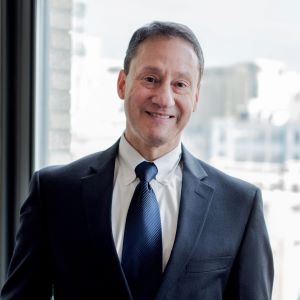
Ken Getz

Founder and
Chairman, CISCRP

Our many events and services are designed to improve public and patient literacy, to engender feelings of empowerment and control, to ensure more informed decision-making, to recognize and appreciate medical heroes, and to engage them as partners in the clinical research process.

 At the present time, nearly 4,000 experimental drugs and therapies are in active clinical trials, and that number continues to grow as improvements are made in detecting disease, in discovering new medical innovations, and in understanding and addressing the root causes of acute and chronic illnesses. At the very heart of all this promising activity are medical heroes to whom we owe our deepest appreciation for their profound gift of participation.

To search for medical conditions in a specific location, visit our Search Clinical Trials page.

To stay informed about clinical trials, visit our Resources page.

Volunteer opportunities with CISCRP, visit our Volunteer page.