Women in Clinical Trials

From “The Gift of Participation” by Ken Getz, Founder & Board Chair, CISCRP

Gender mix in clinical trials, overall, appears to be relatively balanced. Research conducted by the Center for the Study of Drug Development at the Tufts University School of Medicine found that, in clinical trials conducted in support of drugs submitted to the FDA, 52% of all patients who participated were men and 48% were women.

There is no question, however, that protocol designs have historically addressed disease as it manifests in adult males. Beginning in the early 1990s, public pressures fueled stricter government requirements for the presentation of data by gender in market applications to the FDA and valid analysis by gender at the NIH. In 2000, the FDA further specified that a clinical trial excluding persons having reproductive potential could be placed “on hold,” preventing further product development. This requirement helped ensure that women of childbearing potential were included in studies.

Pharmaceutical and biotechnology companies have also sought ways to increase the market potential for new and existing drugs by gathering clinical data to make specific claims about drug safety and effectiveness among women. As a result, clinical trials are increasingly being designed to assess the safety and efficacy of gender-specific medical treatment, and medical treatments are being “personalized” for gender differences in response.

Many diseases behave differently in women than in men. Risk factors, symptoms, the clinical course, and response to treatment can all be gender-specific. Among a long list of differences, men and women vary by:

  • body size, composition, and metabolism
  • the ways their bodies change during the aging process, e.g., puberty and midlife
  • endogenous hormones
  • exogenous hormones

Due to these differences and to other factors researchers have discovered that:

  • Lung cancer kills more women than any other cancer.
  • Alzheimer’s disease is twice as prevalent in women.
  • Men and women experience pain differently.
  • Women are two to three times more likely to experience depression, due to less serotonin uptake in the brain.
  • About 75% of autoimmune diseases occur in women, most frequently during childbearing years.
  • Urinary incontinence and dysfunction are more common in women and often have an entirely different cause than the same conditions in men.
  • Cardiovascular disease kills approximately 250,000 more women each year than all forms of cancer combined, accounting for 58% of all deaths. Within a year of the first myocardial infarction, 44% of women die, compared to 27% of men. Hormone-replacement therapy does not prevent heart disease, as was previously assumed.
  • The initial HIV viral load may be significantly lower in women, who represent an estimated 30% of new infections, but both sexes develop AIDS at the same rate

Although the FDA recommended in 1993 that clinical studies include enough women to understand the unique ways in which their bodies respond to drugs, women are still underrepresented in small, phase I trials. And when eligibility is restricted by age, older women are disproportionately excluded from studies of diseases that are more common in women at older ages. Although regulations prohibit the explicit exclusion of women of childbearing potential, the possibility of becoming pregnant can result in women in their childbearing years not being included in studies.

Generally, a woman capable of conceiving a child won’t be considered for a clinical trial unless she’s not pregnant and agrees to use birth control. Some studies require that women of childbearing age use two forms of contraception to participate in a study. Pharmaceutical companies don’t want their drugs tested among women who are—or might get—pregnant, mostly because the risk of exposure or a lawsuit by the mother is too high. Even in normal pregnancies, 1% to 2% end with an abnormal birth. Many parents are quick to blame poor birth outcomes on drugs. Some doctors erroneously believe that certain drugs cause fetal abnormalities. But genes and chromosomes are the primary culprits, according to Marilynn C. Frederiksen, M.D., associate professor of obstetrics and gynecology at Northwestern University Medical School.

“All of this presents a major barrier to clinical trial participation by women who don’t want, can’t afford, or are religiously opposed to contraception,” says Frederiksen.

Things aren’t bound to change unless the NIH comes up with the funds to conduct special dosing studies in pregnant women. And that probably won’t happen quickly or easily.

The NIH has an Office of Research on Women’s Health to help strengthen policies requiring inclusion of women in clinical research and to help translate new knowledge into clinical practice, but it doesn’t have any institutes that devote research dollars specifically to female health issues. As a direct result of the 1993 NIH Revitalization Act, NIH-sponsored clinical research now routinely includes sufficient numbers of non-pregnant women. In 2001, additional protections were given to pregnant women (as well as human fetuses and neonates) that spell out the conditions under which they can be involved in federally funded research— if earlier studies provide data on the potential risks, for example, and the risk to the fetus is caused solely by interventions that could directly benefit either the women or the fetus. Participation of women in NIH-funded studies, overall, is proportional to the percentage of women in the general population when sex-specific studies are excluded.

The participation of women in clinical trials is essential. The exclusion of women from early-phase studies, in particular, delays the discovery of sex-specific dosing requirements and the identification of gender-specific side effects, limiting the identification of drugs that are useful just for women. The problem is compounded by the fact that animal studies, when scientists learn about many of a drug’s potential adverse reactions, also tend to exclude females. Limiting studies to a single gender requires fewer study subjects (animal or human) and, thus, shorter and less costly studies.

There are many hopeful signs of change. Pharmaceutical companies are devoting a tremendous amount of money to trials focusing on diseases and conditions that only affect women.

For more information on clinical trials and making informed decisions about volunteering for clinical research, read “The Gift of Participation” by Ken Getz, Founder and Board Chair, CISCRP.

You can find the book here.

To search for medical conditions in a specific location, visit our Search Clinical Trials page.

To stay informed about clinical trials, visit our Resources page.
Clinical Trials: Improving Patient & Physician Education

CISCRP Perceptions & Insight Study Data Cited in Clinical Leader

A large and diverse pool of clinical trial participants scales the successful development of medications, therapies and treatments. Making trustworthy information about clinical research readily available to the public and physicians can serve to reduce mistrust of clinical studies. Clinical Leader addresses this topic in an article titled “3 Key Ways to Improve Patient & Physician Education on Clinical Trials”, citing data from CISCRP’s Perceptions & Insights Study. You can learn more about clinical research here.

CISCRP & Partners’ PLSP on Breast Cancer Study Published in Future Oncology

CISCRP (Center for Information and Study on Clinical Research Participation) and Oxford PharmaGenesis worked together with Daiichi Sankyo, AstraZeneca and Dr. Shanu Modi of Memorial Sloan Kettering Cancer Center in New York to write a plain language summary publication (PLSP) of the results of the DESTINY-Breast01 clinical study.

The participants in the study received a treatment called trastuzumab deruxtecan, also known as T-DXd. T-DXd consists of a chemotherapy drug linked to a manmade antibody. The antibody in T-DXd is a protein that specifically targets and attaches to the HER2 protein on tumor cells.

The PLSP was recently published in Future Oncology with the title “Trastuzumab Deruxtecan in Previously Treated HER2-Positive Metastatic Breast Cancer: Plain Language Summary of the DESTINY-Breast01 Study”. View the article here.

Why Clinical Trials Are Conducted

From “The Gift of Participation” by Ken Getz, Founder & Board Chair, CISCRP

Close up of African American physician listening to heart and lungs of patient

People want and expect their doctors to use treatments that work well and to stop using those that do not. Long ago, trial and error was the primary way that physicians and medical care providers learned how to recognize treatment alternatives. Later, through rigorous approaches that use clinical trials, physicians and researchers were able to gather far more meaningful information about diseases and how best to treat them.

For thousands of years, healers, shamans, and medical care providers have been administering treatments and remedies. One of the earliest known medical treatments dates back more than 3,500 years to ancient Egypt. Some ancient remedies, such as those used for simple fractures and minor injuries, are effective even today. However, many ancient medical treatments did not work and were actually harmful and even fatal. Two hundred years ago, cutting open a vein to drain a pint or more of blood and giving toxic substances to force vomiting or diarrhea were common remedies. And only a century ago, along with mention of some useful drugs such as aspirin and digitalis, the Merck Manual— one of the most respected sources for information on medical treatments then as well as now mentioned cocaine as a treatment for alcoholism; arsenic and tobacco smoke as treatments for asthma; and sulfuric acid nasal spray as a treatment for the common cold. Today these approaches are known to be very dangerous.

There are many reasons that doctors recommended ineffective and harmful treatments and that people accepted them. In many cases there were no alternatives. Doctors and patients usually prefer doing something to doing nothing. Patients also find comfort in sharing their problems and ailments with an authority figure. And doctors feel compelled to provide attention, support, and reassurance.

The primary reason doctors recommended ineffective and harmful treatments is that doctors couldn’t tell what worked from what didn’t. Doctors relied on cause-and-effect to identify potential treatments. For example, if an ill person’s fever broke after the doctor drained a pint of blood or after the shaman chanted a certain spell, then people naturally assumed those actions must have been what caused the fever to break. To the person desperately seeking relief, getting better was all the proof necessary. Unfortunately, these apparent causal relationships observed in early medicine were rarely correct. Still, they were enough to promulgate centuries of ineffective remedies. Of course, people had to be getting better in order to reassure doctors that a given treatment was working. Indeed, this is exactly what often happens. People do get better spontaneously. Sick people often get well on their own—and despite their doctor’s care—when the body heals itself or the disease runs its course. Colds are gone in a week; stomach flu passes within hours; migraine headaches typically last a day or two; and food poisoning symptoms may end in 12 hours. Many people even recover from life-threatening disorders, such as a heart attack or pneumonia, without treatment. Symptoms of chronic diseases (such as asthma or sickle-cell disease) come and go. Many treatments may seem to be effective if given enough time. And any treatment given near the time of spontaneous recovery may seem dramatically effective.

Belief in the power of a treatment or remedy is often enough to make people feel better. Belief cannot cause an underlying disorder—such as a broken bone, heart disease, or diabetes—to disappear. But people who believe they are receiving a strong, effective treatment very often feel better. Pain, nausea, fatigue, and many other symptoms can diminish. This happens even when the drug contains no active ingredients and can be of no possible benefit, such as a sugar pill or an inactive substance called a placebo. An ineffective (or even harmful) treatment prescribed by a confident doctor to a trusting, hopeful person often results in remarkable improvement of symptoms. This improvement is termed the placebo effect. People may see an actual (not simply misperceived) benefit from a treatment that has no real effect on the disease itself.

Some people argue that the only matter of importance is whether a treatment or remedy makes people feel better. Whether it works or not is of little consequence. This argument may be reasonable when the symptom is the problem, such as in many day-to-day aches and pains, or in illnesses such as colds, which always go away on their own. In such cases, doctors do sometimes prescribe treatments for their placebo effect. However, in any dangerous or potentially serious disorder, or when the treatment itself may cause side effects, it is critically important for doctors not to miss an opportunity to prescribe a treatment that really does work.

For more information on clinical trials and making informed decisions about volunteering for clinical research, read “The Gift of Participation” by Ken Getz, Founder and Board Chair, CISCRP.

You can find the book here.

To search for medical conditions in a specific location, visit our Search Clinical Trials page.

To stay informed about clinical trials, visit our Resources page.

Pros & Cons of DCTs & Virtual Clinical Trials

From "The Gift of Participation" by Ken Getz, Founder & Board Chair, CISCRP

They are known by different names: DCTs (decentralized clinical trials), remote, direct-to-patient, virtual, digital, site-less or simply patient centric clinical trials. All of these approaches share the common goal of making it easier to participate in research by reducing—or eliminating altogether—the number of study visits patients must make to conventional investigative sites or labs and allowing for more flexibility in carrying out study-related activities. Many of these approaches use smartphones, mobile devices, and wearable sensors to collect and evaluate patient data during the study.

Study volunteers often need to travel long distances to medical facilities, many need to stay overnight in a hotel, and take time off work to participate in a conventional clinical trial. Research from CISCRP shows that about one-fifth of study volunteers find clinical trial participation stressful and report the investigative site location and time-consuming study visits are among the least-liked aspects of the experience. Half of volunteers also feel that participation causes disruption to their daily routine. New, more convenient approaches are especially valuable for patients who may be too sick to travel or for those who rely on caregivers for support. Study volunteers who find it difficult to fit additional medical appointments into an already busy schedule or those who live far from the investigative site and wouldn’t otherwise be able to participate in the trial also benefit.

Not every clinical trial currently offers study volunteers an in-home or remote option, and it will take quite some time for a large number of trials to be done this way, but use of these approaches is expected to increase as pharmaceutical and biotechnology companies invest more widely in efforts to improve the clinical trial experience for patients. Research sponsors and regulators are working on initiatives that better take patient needs into account and could eventually allow patients to participate in clinical research wherever and whenever they want, whether it be their own primary-care doctor’s office, home, workplace, school, or anywhere else.

You shouldn’t feel forced to participate in a remote or at home study if you live near an investigative site and would prefer to have a face-to-face relationship with the study staff.

Pros:

  • You won’t need to travel and make frequent visits to an investigative site.
  • You’ll spend less time in a medical office.
  • You can participate in telemedicine visits at a time convenient for you, perhaps in the evening or on weekends.
  • You can contact someone on the research team 24 hours a day.
  • You may feel empowered by being able to participate whenever it is convenient to do so.

Cons:

  • You won’t have the same number of face-to-face interactions with study staff.
  • If you have a technical problem, you have to reach someone on your own to resolve the issue.
  • You’ll need to make sure you’re home to sign for clinical trial-related deliveries.
  • You may be asked to take your own vital signs or perform tests several times a day.
  • You may need to travel to a lab or medical facility for lab work or exams.
  • You may be asked to collect samples and arrange for them to be picked up.
  • You’ll likely need to send back all of the loaned devices and monitors at the end of the trial.
  • Not all wearable technologies have been validated, so you may need to repeat tests or travel to the research center for a special assessment.

When deciding whether a home-based or remote clinical trial is right for you, after you’ve learned as much as you can about the study visits and what activities you’ll need to perform on your own, discuss the pros and cons with your family, friends and primary care physician. It’s best to ask for input from people you know and trust and to involve your support network in your decision-making process.

For more information on decentralized clinical trials and making informed decisions about volunteering for clinical research, read “The Gift of Participation” by Ken Getz, Founder and Board Chair, CISCRP.

You can find the book here.

To search for medical conditions in a specific location, visit our Search Clinical Trials page.

To stay informed about clinical trials, visit our Resources page.

2021 June Edition

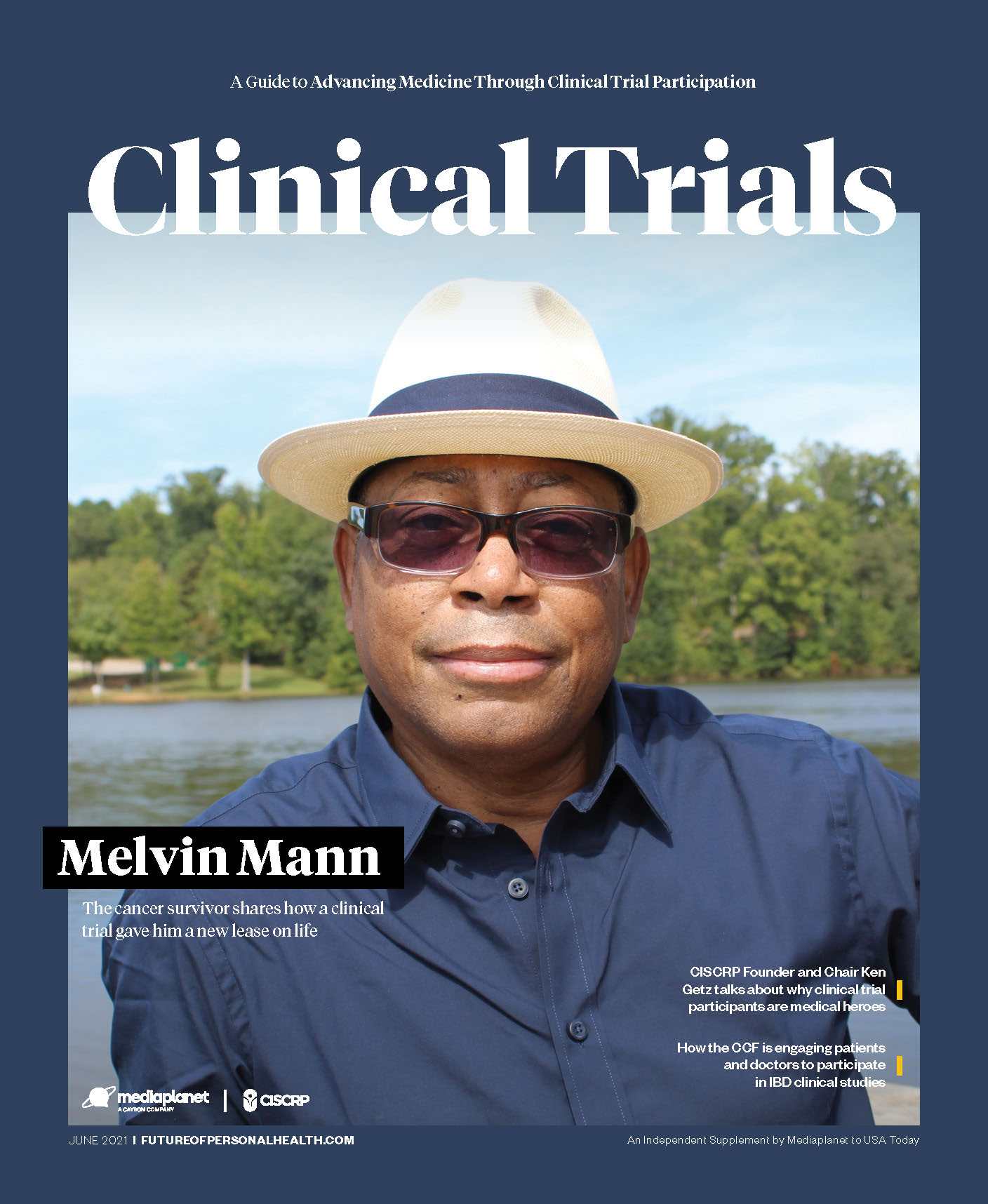
The Clinical Trials Supplement features a variety of informative and timely articles about clinical research. This supplement covers the importance of clinical trial participation, how clinical studies are building a brighter future for people with deafness, and stories from three different clinical trial participants sharing their own “why” about participating in clinical trials.

The “Medical Hero” spotlight cover story features Melvin Mann, a cancer survivor who shares how a clinical trial gave him a new lease on life.

A Very Special “Thank You” to the supporting organizations:

Pfizer                         Oxford PharmaGenesis             
Biogen                      Boehringer Ingelheim
Segal Trials              HyperCore International
SubjectWell             Allergy & Asthma Network
Lilly                            Praxis 

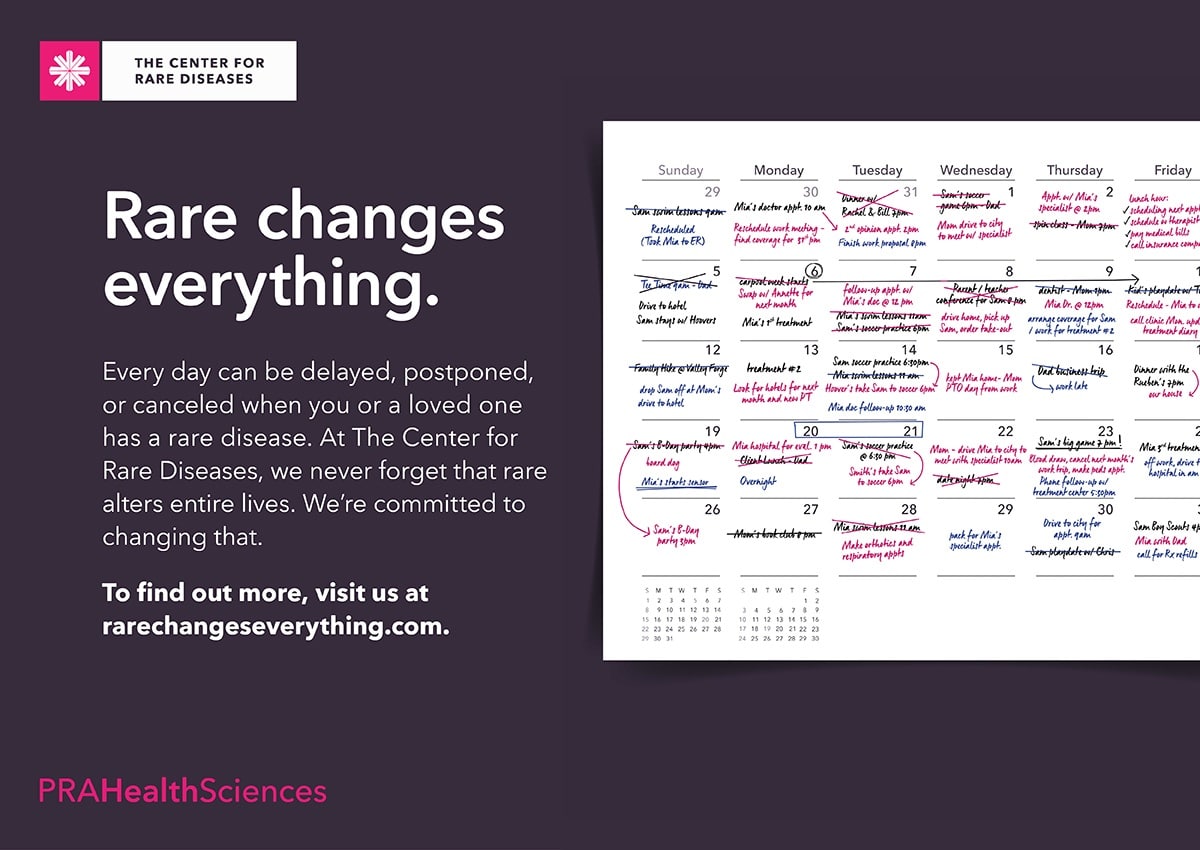
CISCRP would like to recognize and extend a “Thank You” to Praxis for donating their pro bono graphic design expertise to create the advertisement.

From the Editor

Written by Brandis Pickard 

Dear Readers, 

We’re pleased to share with you our summer (yes, summer!) edition of the CISCRP newsletter. It’s hard to believe that just a few months ago, most of us were living in some form of quarantine, and COVID-19 vaccinations had just become available for groups deemed most at risk. As CISCRP brings you our second newsletter of 2021, there’s anticipation in the air that as more of us become fully vaccinated, we can celebrate a “normal” summer. While we embrace the chance to resume the activities we love, we know the pandemic will leave a lasting impact and that we have an opportunity to inform our approach to clinical research based on what we have learned over the past months. 

One of the things we have come to appreciate most is the importance of human connection. Whether it’s the sting of not visiting our loved ones or the challenge to have our voices heard when we aren’t in the same room as our colleagueswe have all encountered and conquered new obstacles over the past year. This has been especially true when it comes to healthcare. For those with limited access to technology or information, the burden has been particularly heavy. As we noted in our winter newsletter, and what we all need to remember as we move forward: the pandemic has underscored existing racial and economic disparities that we must acknowledge to remedy.  

In this issue, we highlight how two supporters of our Patient Diversity Campaign plan to identify and address diversity challenges in clinical trial participation. Not surprisingly, communication is a key factor in their approaches. Honest communication—making that human connection—is critical to improving health literacy and education. It’s something that Melvin Mann, this issue’s Medical Hero, touches on when reflecting about clinical trial participationPlease follow the link to read Melvin’s inspiring story about fighting chronic myelogenous leukemia. 

When thinking about transparency in health communication, a good place to start is with the development of the COVID-19 vaccines. In this newsletter, you’ll find an article that highlights how CISCRP is answering important questions about the COVID-19 vaccines—not only how they were created, but which populations were included in the clinical trials and what is being done to monitor safety. 

We’ve also included some thoughtful insights from patients about the difficulties of clinical trial participation during the pandemic, and the solutions identified—some of which will likely change the way future trials are conducted.  

Finally, were happy to share our own successes in maintaining our human connections and engaging the community in important conversations about clinical research. Read on to learn about our first regional AWARE for All  webinar, our Medical Heroes  Appreci-a-thon, and our Third Annual Plain Language Summary of Trial Results User Group Meeting. 

As always, thank you for your ongoing support in initiatives like these, and in all that we do. We wish you a happy and healthy summer. 

Regards, 

Brandis Pickard 
Senior Manager, Editorial 


Go Back to Newsletter >

The Role of Clinical Trials in COVID-19 Vaccine Development

Written by Behtash Bahador, MS 

As COVID-19 vaccinations are rolled out, some people still have questions and concerns about the safety of the vaccines. How were they made so fast? How do we know they work and are safe? Were they studied in a diverse group of people? 

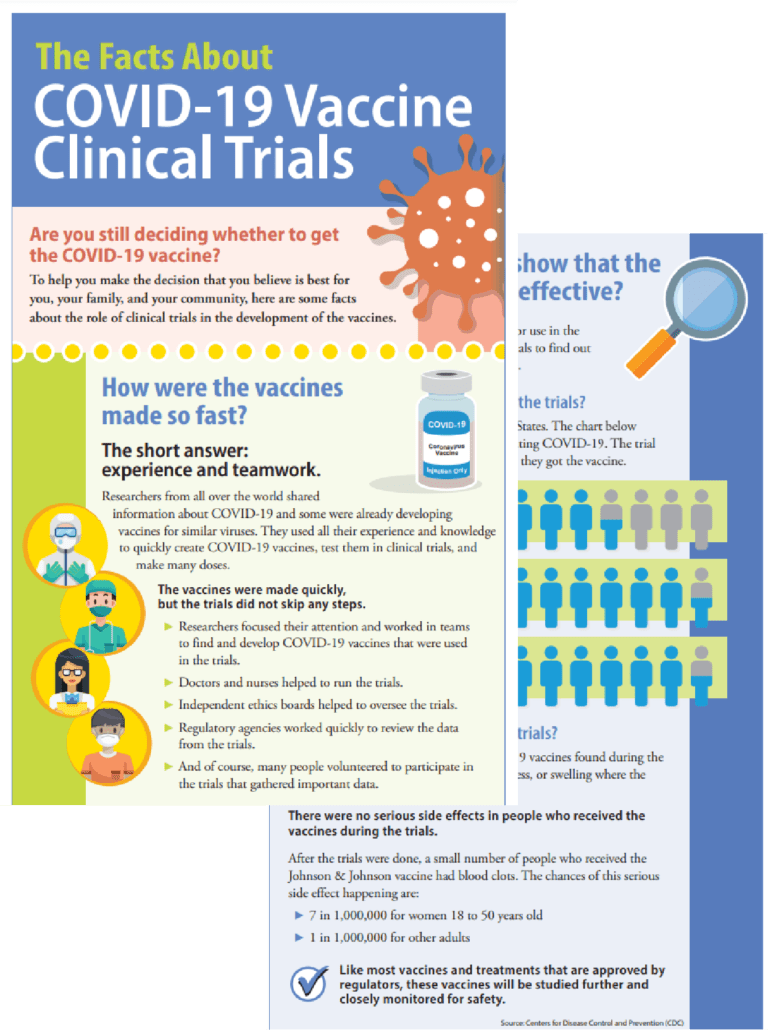
To help address these questions, CISCRP developed an infographic: “The Facts About COVID-19 Vaccine Clinical Trials.” The overall goal of this piece is to provide engaging educational content to people who may still be deciding if they or their family will get vaccinated.  

To complete the project, we brought together a team with years of experience sharing clear, unbiased, nonpromotional messaging about clinical trials. To create the infographic, we reviewed news and information from trustworthy sources.  These included national and global health organizations, universities, and peer-reviewed publications. This helped us learn what people still want to understand about the COVID-19 vaccine trials, and what else they may need to know.  

Then, the hard work began: we had to decide which topics and messages would be covered in the limited space of an infographic, and how. In the end, the main take-aways we aimed to provide are:  

  1. Teamwork and years of knowledge and experience allowed the vaccines to be made quickly. 
  2. Trials have shown the available vaccines are safe and effective. 
  3. The vaccines will continue to be studied and monitored for safety.  
  4. The COVID-19 vaccine trials included more diverse participants than many other trials. 
  5. There was diversity among the many professionals involved in vaccine development.  

As with all of our health communications, we received feedback from an editorial panel of patients, advocates, health professionals and members of the public. This was an essential step to make sure the infographic is clear, is not missing important information, and is not misleading in any way. We hope that the end result is an informative, easy-to-understand snapshot of some key elements of the vaccine development and rollout. 

The full infographic can be viewed on this page in CISCRP’s Education Center. The page also includes the sources used to create the infographic and additional links to useful educational content.  

Go Back to Newsletter >

AWARE for All Northeast

Written by Hope Ventricelli | Manager of Events and Community Engagement

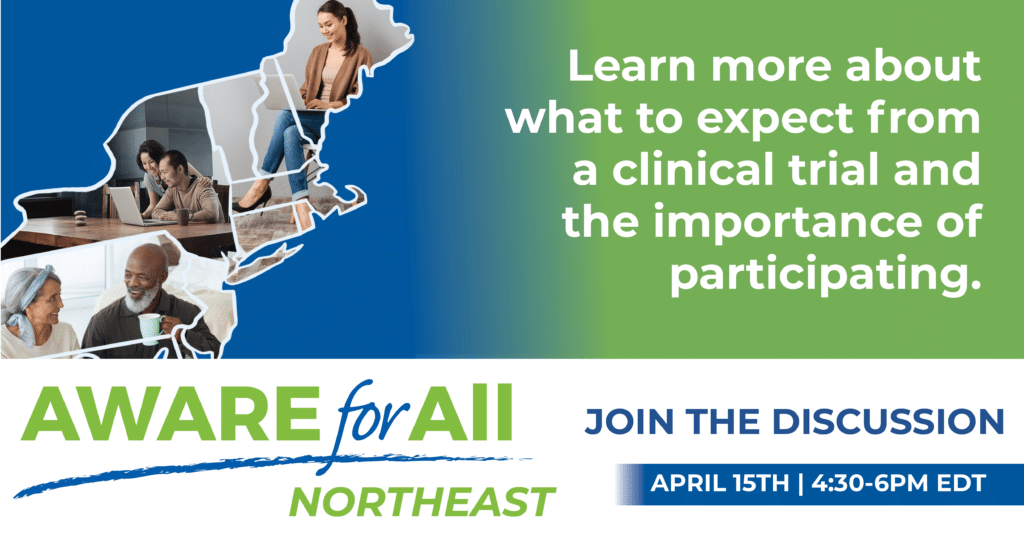
For the first time, CISCRP brought its AWARE for All program to regional areas across the United States while remaining virtual. The AWARE for All program was created to raise awareness about the clinical research process and to provide education among diverse communities. The webinar for the first edition of this series, AWARE for All — Northeast, went live through the virtual platform ON24 on April 15th. For those who wish to watch on-demand or continue their learning, a recording of this webinar is available through the Informational Exhibit Center (IEC) found on the CISCRP website. The IEC features educational content from organizations across the Northeast, spanning multiple states and therapeutic areas. The IEC is designed to be easily accessible and to address the lack of knowledge about the clinical research and health resources in the audience’s “own backyard.”  

The CISCRP Events Team brought in more than 40 exhibiting organizations for the series’ opening event, from clinical research sites to community clinics and local health centers. Each shared free educational resources with the audience in the IEC. While several groups offer information about the trials they offer, most exhibitors simply aim to provide general education or medical information about specific health conditions. This helps to include those not as familiar with research and to make them feel comfortable learning more. Attendees cited their desire to learn more about research as their main reason for registering. Many also shared that they have a friend or loved one with a health problem.  

The IEC had an impressive number of viewers. More than 1,800 new and returning community members visited the virtual educational booths and the new Health and Wellness Pavilion, which features health tips and exercises.  

Through post-event surveys, audience members shared that their biggest takeaway was that they better understood the clinical research process and were grateful to have their questions answered in real time. As to their favorite part of the program, most attendees referenced the panel discussion. 

Through the panel discussion, AWARE for All — Northeast focused on key health issues such as oncology, Parkinson’s Disease, asthma, and the importance of diversity among trial participants. Outreach to minority health groups helped to bring a diverse audience from the local population to hear more from the speakers themselves. The lively discussion, which was moderated by CISCRP’s own Behtash Bahador, included several study participants as well as local researchers and industry stakeholders. These experts shared their individual experiences and answered questions the audience most wanted to know. 

Each virtual AWARE for All program aims to bring the research community, patients, and the public together to support a discussion in understanding clinical research and, most importantly, the role of study participants. 

Including the Northeast edition, CISCRP’s AWARE for All program will virtually host in 5 different regions through 2021. Future programs include Northwest on May 20th, Midwest on July 22nd, Southwest on October 21st, and Southeast on November 18th.  

To learn more about exhibiting at AWARE for All, contact hventricelli@ciscrp.org. 

Go Back to Newsletter >

Supporter Spotlight: Patient Diversity Initiatives

CISCRP is developing a series of articles about initiatives from pharmaceutical companies to address racial inequities and health care disparities with a focus on clinical trial diversity.   

For our first Supporter Spotlight piece of the series, we feature two companies—Merck and Pfizer—our 2021 “Patient Diversity Campaign” editorial content providers.  

The COVID-19 pandemic has heightened awareness about the importance of clinical research. The pandemic has also placed a spotlight on racial inequalities within our U.S. health care system. Over this past year, we’ve seen many companies increase transparency by publishing clinical trial results summaries, hosting advisory boards, supporting mass media awareness-building campaigns, and collaborating with local communities.  

We met with colleagues from Merck and Pfizer to learn how they’re understanding critical barriers to participation and increasing health literacy among patients and the public.  

Here are three key insights from these two industry leaders that showcase their commitment to improving diversity and inclusion: 

Develop solutions that resonate among different stakeholders.  

“There are multiple barriers to diversity in clinical trials and multiple stakeholders who have the responsibility to address them,” shared Luther Clark, Deputy Chief Patient Officer at Merck. “We are strongly committed to conducting research that is safe and effective in all patients.” To demonstrate this commitment, Merck executes their clinical trials with a focus on meaningful patient and community engagement, addressing the social determinants of health, logistical and financial barriers, and minority investigator shortages.

One way Merck works to remove barriers and ensure equitable access to clinical trials is through heat map technology. This allows them to identify patients with the greatest disease disparity and need for medication. Adrelia Allen, Director of Clinical Trial Patient Diversity at Merck, shared the importance of this technology and of working closely with sites and community leaders. “[Prioritizing diversity and inclusion] is a part of the fabric of our corporate culture. It’s embedded into our clinical trial operations,” said Allen. 

At Pfizer, effective communication with community members is a priority. “Clinical trial accessibility starts with clinical trial awareness,” shared David Leventhal, Senior Director of Clinical Trial Experience at Pfizer. “There’s a difference between reading about clinical trials on the internet and really understanding a clinical trial as a care option.”  

Both Pfizer and Merck support CISCRP’s Perceptions & Insights bi-annual study to understand public and patient perceptions around trial participation and barriers. Both companies are writing full-page editorials about their commitment to achieving health equity in CISCRP’s Patient Diversity 2021 campaign.  

Learn about what matters most to patients and their families.  

Pfizer incorporates patient insights into their protocol designs and engages with patients and local advocacy groups. “We’ve learned that being a part of an alumni network is important to our participants, so we’ve expanded that around providing individual results, data return, and an opportunity to share stories,” said Leventhal. They also partner with local communities and work with advisory boards to ensure clear, consistent messaging.  

At Merck, organizing advisory panels, partnering with advocacy groups, and hosting forums helps gather direct input from patients. In addition, Merck is committed to improving health literacy around the world to advance health equity, impact population health outcomes, and drive efficiencies in health care systems. 

To develop best practices to increase diversity, Merck and Pfizer also work with major consortia, such as CISCRP’s AWARE Industry Consortium, PhRMA, the Diversity & Inclusion in Clinical Trials (DICT) Collaborative, and the Multi-Regional Clinical Trials Center of Brigham and Women’s Hospital and Harvard. 

Maintain relationships with local communities.  

“With educational awareness programs, we’re showing that we’re there to support communities,” said Allen. Merck has supported external grass-roots programs, such as CISCRP’s AWARE for All events and the Lazarex Cancer Center’s equitable access initiative. 

Clark added, “The first step is recognizing and overcoming mistrust, fear, and lack of comfort with the clinical trial process. Ultimately, it’s the patient who will make the decision about participation, but they’re influenced by people close to them—their families, friends, and the greater community.” 

Pfizer supports CISCRP’s AWARE for All programs and developed an FAQ on pfizerclinicaltrials.com to increase transparency and address concerns among underserved communities. They develop their educational materials in partnership with academic centers and advocacy groups to build trust, cultivate strong collaborations, and ensure best practices in health literacy. Pfizer also partners with large health systems to avoid multiple data collection mechanisms and support interoperability.  

Taking the time to understand participation barriers and meet the needs of participants is an investment in the future. 

“It’s not a sprint; it’s a marathon,” said Allen. “We’re willing to put forth the effort and resources to improve patient outcomes and achieve health equity for all.” To learn more about Merck’s commitment to diversity in clinical trials, click here. 

Tune in to the next article of the series where we’ll be profiling other companies!  

Author: Ellyn Getz, MPH, Associate Director, Business Development 

 
Go Back to Newsletter >