Improving Representation in Breast Cancer Clinical Trials & Developing Better Medicines for All

Article from CISCRP's Patient Diversity Campaign

Article from our 2021 May Patient Diversity Campaign

The devastating impact of the COVID-19 pandemic, particularly on communities of color, has been a painful reminder of the racial and ethnic disparities that have long existed in our country. In the United States, Black people tend to have higher rates of chronic and progressive conditions, such as high blood pressure, diabetes, and cancer and face greater obstacles when it comes to prevention, detection, and treatment. This is especially true in the breast cancer space. 

  • Black women are often diagnosed at later stages and can often have a worse prognosis [1];
  • Black women face a 20% to 40% higher mortality rate despite overall rates of breast cancer in Black and white women being about the same [2];
  • Black women have a 39% recurrence rate and a 52% higher relative risk of death compared to white women [3]; and
  • Historically, Black women have been under-represented as participants in breast cancer clinical research [4].
 
Through allyship with community partners and leaders in communities of color, Pfizer is focused on continuing to improve diverse representation in breast cancer clinical trials.

Most recently, Pfizer partnered with the Tigerlily Foundation to launch Health Equity, Advocacy and Leadership (HEAL) sessions to advance education around clinical trials for Black women with cancer. The program focused on:

  • Shedding light on the breast cancer journey for women of color.
  • Improving access to breast cancer clinical trials for women of color.
  • Building trust and enhancing the relationship between breast cancer patients and their care partners.
  • Educating women of color on clinical trials and strengthening their capacity to increase awareness and participation in breast cancer clinical trials. 
  • Identifying barriers and determining solutions that can improve access to breast cancer clinical trials, with the hope of sharing these learnings in other treatment areas.

“Race, literacy, financial barriers, access, social, systemic and hereditary backgrounds should not be determinants of life and health equity,” said Maimah Karmo, President, Tigerlily Foundation.

“There are significant opportunities to strengthen engagement among the Black community, healthcare providers, and medical organizations, toward improving health and health outcomes. In order to bring about change, we have banded together with colleagues and friends to advocate for increased access and awareness of breast cancer research for women of color.”

“We are excited to transform systems globally – with one vision – to champion Black breast cancer as a social justice issue and eradicate as many barriers as possible that lead to loss of life for Black women.” 

Race, ethnicity, age, and sex can all impact how different people respond to the same medicine or vaccine. This is why diversity among clinical trial participants is so important. The more diverse a group of clinical trial participants, the more we can learn about safety and efficacy of a potential medicine or vaccine for people who have characteristics like those of the participants. Participation is entirely voluntary and for those in a position to give it, it is a gift.

As a leading global pharmaceutical company, Pfizer is committed to working with Tigerlily Foundation and communities of color to help reduce health disparities. The HEAL sessions provided an inspiring forum that reinforced old and uncovered new commonalities, obstacles, unique experiences of Black patients, and the gaps in access to clinical trials as an option to consider. Each session allowed Pfizer and patient advocates from the Tigerlily Foundation to have open and honest dialogues on the disparities for Black women living with breast cancer, and un-cover potential solutions and tools for patients, caregivers, healthcare professionals, and clinical site staff. 

Carmen White, Pfizer Director, Multicultural Participant Experience said, “I’m so thrilled that the Tigerlily patient advocates, also known as ANGEL Advocates, are among our partners to improve the overall trial experience for future patients. I left each HEAL session moved and motivated.”

Equity is one of Pfizer’s four core values. From medical grants aimed at actively reducing the disparities in care, to resources for patients, caregivers, and healthcare professionals to navigate their unique cancer journeys and treatment decisions, Pfizer has made it a priority to be inclusive, act with integrity, and ensure every person is seen, heard, and cared for. 

Representation matters in clinical research because it ensures that medicines and vaccines in development benefit all.

The HEAL project demonstrates one way Pfizer is doing its part in ensuring women of color are represented in clinical trials. To learn more about joining a clinical trial, please visit pfizerclinicaltrials.com/learnmore. With your help, breakthroughs for all are possible.

References
1. ACS, American Cancer Society (2016) Breast can-
Society, Atlanta
2. Breast Cancer Screening in Women at High-er-Than-Average Risk: Recommendations From the ACR. Monticciolo, Debra L. et al. Journal of the Ameri-can College of Radiology, Volume 15, Issue 3, 408 – 414
3. Black Women Have Higher Risk of Recurrence Than Other Ethnicities, Oncology Times: January 5, 2019 – Volume 41 – Issue 1 – p 24 doi: 10.1097/01. COT.0000552839.22529.72
4. Bonner D, Cragun D, Reynolds M, Vadaparampil ST, Pal T. Recruitment of a Population-Based Sample of Young Black Women with Breast Cancer through a State Cancer Registry. Breast J. 2016 Mar-Apr;22(2):166-72. doi: 10.1111/tbj.12545. Epub 2015 Dec 14. PMID: 26661631; PMCID: PMC4775403. Accessed April 15, 2022

The Latest Dose: Debunking the Myths of Clinical Trials; Leveraging the Realities

Play Podcast Here:

Ken Getz, Executive Director and Professor of Tufts Center for the Study of Drug Development (CSDD), and Elisa Cascade, Chief Product Officer of Science 37, join The Latest Dose to debunk the myths of clinical trials. It is not always easy to tell the difference between misinformation and fact. Trusting false stories can lead someone to make decisions that may be harmful or costly. Ken and Elisa offer insights on the realities and complexities encountered in conducting clinical research around the world.

Visit The Latest Dose Website Here.

Community Advisory Board Helps Biogen Promote Diversity in Clinical Research

Article from our 2021 May Patient Diversity Campaign

Fifteen years ago, at the age of 42, Israel Robledo was diagnosed with Parkinson’s disease. Shocked, he spent the next nine months coming to terms with his diagnosis. “I was married. I had three girls at home. I was working as a schoolteacher. And I was thinking, ‘Oh my gosh, my life is over,’” he says. “I only knew about older people having Parkinson’s.”
But, after that first nine months, Robledo realized that being a victim didn’t suit him. So, he decided to be proactive and became a patient advocate for those with Parkinson’s disease, working to ensure transparency and diversity in clinical research. Robledo, who is Hispanic, is one of 18 members from underrepresented communities offering their experience to biotechnology company Biogen.

Community Feedback

The Community Advisory Board (CAB) was established to serve as a bridge between Biogen team members and communities that have encountered a lack of education, awareness and access to clinical trials. This includes those who identify as Black or African American and Hispanic and/or Latino, and it has recently expanded to include Native Americans, Indigenous People, Asian Americans and Pacific Islanders. Further compounding these issues is the distrust of clinical trials due to historical events and injustices.

“Let’s face it, pharmaceutical companies don’t have the best reputation,” Robledo observes. “But Biogen is building trust. They realize people of different races and ethnicities react differently to medical issues and to clinical trials.”

The Board was set up in partnership with the Center for Information and Study on Clinical Research Participation (CISCRP), a nonprofit dedicated to educating patients and the public on clinical research participation.

The CAB’s role is two-fold: Help inform Biogen team members on issues regarding race, ethnicity, associated health disparities and awareness initiatives, as well as help Biogen to better communicate with underrepresented communities on points of concern and barriers to accessing clinical trials.
“In forming a Community Advisory Board that is really diverse in membership – representing not just different races and communities, but also individuals who identify with living with conditions and disease areas that Biogen researches – we have the opportunity to listen and learn,” explains Kate Wilson, Biogen’s Head of Health Equity in the Patient Engagement, Equity and Transparency team.

Clear Messaging
Through ongoing conversations on messaging, tone and images, Biogen and CAB members have worked together to create honest and transparent communications geared toward underrepresented communities, their healthcare practitioners and their caregivers. “CAB members were co developers of these materials,” notes
Wilson. “They had seats at the table, and had direct input and feedback. That is how we built our messaging.”

CAB members have provided hundreds of points of feedback on sharing information to patients, ranging from trial descriptions to logistics (such as whether a patient is reimbursed for their travel expenses or paid for their time) to whether a person needs to reveal their immigration status – a real concern for many people and something that Biogen now addresses in its assets. “In all of our materials, we make sure that patients know that information about immigration status will not be collected in any Biogen clinical trial,” says Wilson.

Robledo credits the company for its approach of making direct, immediate changes to communication
materials based on CAB members’ input. “I’ve been a patient advocate with many pharmaceutical
companies, but none have been like Biogen,” he says.


“When other companies ask for patient input, they say, ‘This is what we’ve done. Tell us if you like it or not.’ But Biogen says, ‘Tell us what we need to change so that it
impacts the patient community the way it needs to.’”


The final products are, as Robledo says, “pretty darn good. I take pride in saying these materials are something that we came up with. Providing a voice is why I became a patient advocate.”

Looking to the Future
The CAB and Biogen’s work towards building diversity, equity and inclusion into its clinical research is garnering industry attention, winning the 2021 Global Pharma Patient Champion Award. And Biogen’s recent addition of voices from other underrepresented communities points toward its continued efforts to better understand the
needs and challenges among various populations. The end goal: to better develop potential medicines that are safe and effective for all.

“It’s our way of ensuring that a diverse voice is heard and built into our clinical development and the way we approach drug development,” Wilson says.


“When we look at the work ahead of us to really improve representation in our clinical trials, it’s so critical that we’re involving the diverse communities and voices in that process.”

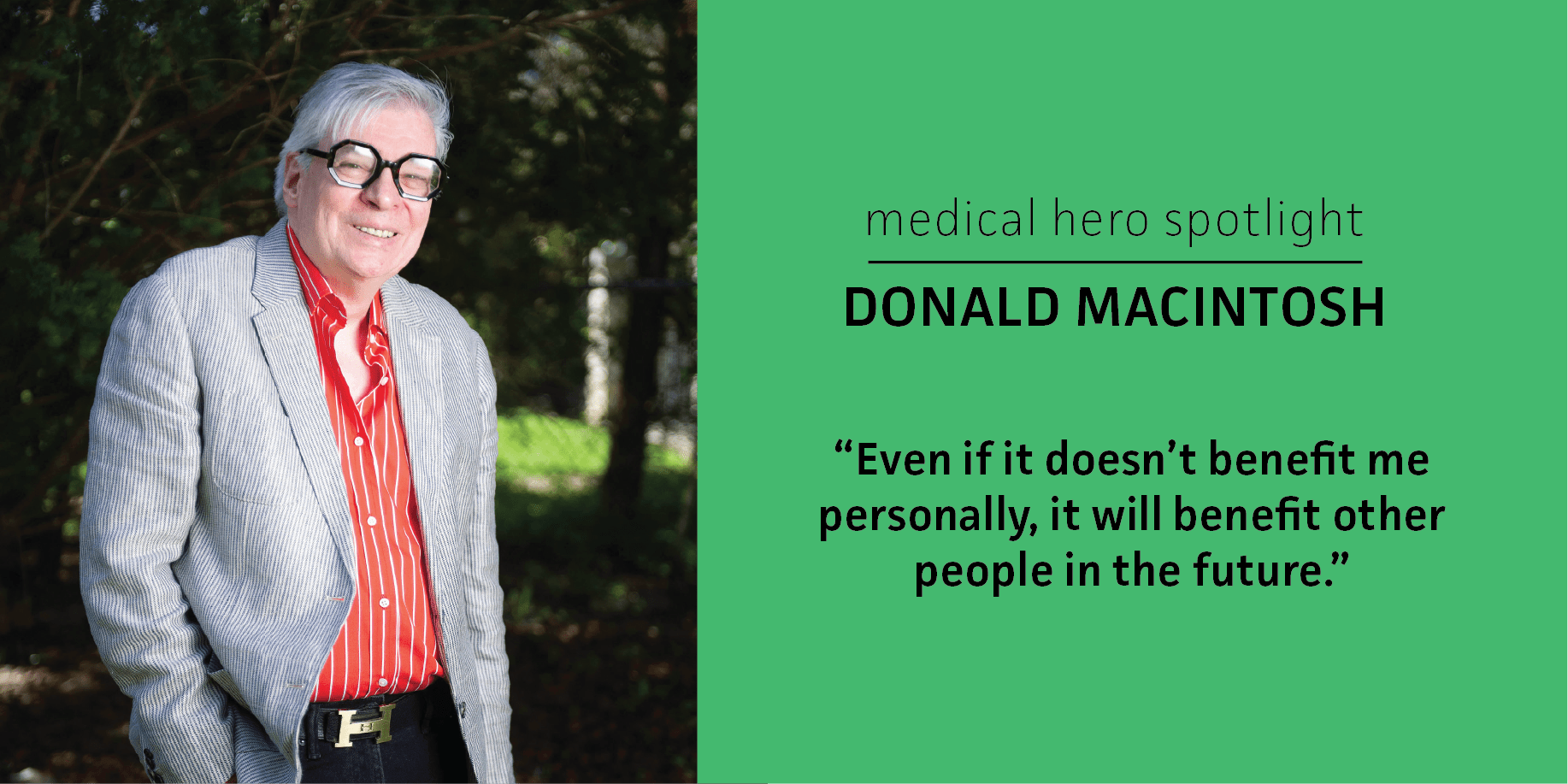
Medical Hero Story: Donald MacIntosh, Alzheimer’s Advocate

Donald MacIntosh had a 25-year career working as an attorney for the Canadian Department of Justice. Smart and with a great memory, he could argue a case referring to just a few pieces of paper. But nowadays, the 69-year-old forgets how to make coffee and can’t remember what he had for lunch.

Shortly after he retired five years ago, MacIntosh, who lives in Toronto, noticed he was having memory problems. He went to his personal doctor, followed by a few specialists. On a cognition test with 10 questions, he was only able to answer two correctly.

After additional tests, doctors diagnosed him with early-onset Alzheimer’s disease (AD), a form of dementia that affects memory, thinking, and behavior.

The National Institute on Aging says more than 6 million Americans, most over age 65, may have dementia caused by AD.

Gobsmacked
MacIntosh couldn’t believe the diagnosis.

“I was gobsmacked,” he says, noting his AD might be inherited. His mother lived with it for 14 years before she died, and his father had a gene linked to the disease as well.

While he still retains long-term memories, his short-term memory fades fast. Nowadays, if he wants to water his plants, he has to turn on a light as a reminder to turn off the hose. Minutes after he starts watching a TV show, he can’t recall what he’s watching. That’s why he was so excited to participate in a clinical trial for a drug being tested to slow the progress of the disease.

“It is a privilege,” says MacIntosh. “Not everyone is in such a trial because either they don’t know about it or they don’t meet the requirements.”

He started the clinical trial in 2016 but recently had to stop participating after he experienced some side effects, including three instances of temporary brain swelling known as ARIA-E.

He credits his wife, Jasmin, with helping him stay as healthy as possible. The couple has been married for 12 years and he’s a stepfather to her three children.“

He is so passionate about getting better. He is very disciplined. In fact, he’s more disciplined now than he’s ever been,” Jasmin says. “He gets up, works out, and reads.

He gets involved in discussions with friends. He’s very positive about the whole thing, which is wonderful.”

Prior to the pandemic, the couple traveled a lot, including cruising a few times a year and going to the theater. MacIntosh still enjoys gardening, socializing with friends, and reading books. He exercises daily, eats healthy, and is focused on maximizing his brain health and cognition.

Jasmin MacIntosh encourages other caregivers to show, “lots of love, support, and encouragement,” to their loved ones with AD.

Advocate
Donald MacIntosh does AD awareness outreach with the Center for Information and Study on Clinical Research Participation (CISCRP), a nonprofit dedicated to educating the public, patients, and medical communities about clinical research.

“People who are afflicted with Alzheimer’s and their loved ones are desperately waiting for a drug to come along that not only is efficacious from a safety point of view, but that also has an effect in terms of slowing down the progression of the disease,” MacIntosh says.

MacIntosh, who remains optimistic, is looking forward to potentially participating in other clinical trials in the future. He encourages other patients to participate, too, explaining there are many benefits including regular exams, free medication, and MRIs.

He has no regrets about participating in a clinical trial. “Even if it doesn’t benefit me personally, it will benefit other people in the future.”
Written by: Kristen Castillo

Article from our June 2022 Clinical Trials Supplement, USA Today. Read more articles from the supplement here.

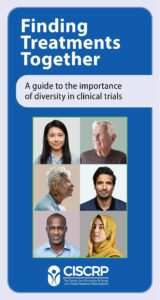
The Importance of Diversity in Clinical Trials

Educational brochure about the importance of having diverse participants in clinical research studies.

Purchase Single/Quantity Brochures at our Store

Topics include:

  • What are clinical trials?
  • Who takes part in clinical trials?
  • Why should clinical trials have diverse participants?
  • What is being done to improve diversity in clinical trials?
  • Testimonials from patient advocates
  • How can you find more information?

About the brochure:

CISCRP is committed to providing clear, unbiased, and culturally appropriate educational materials to engage and inform communities that have not been well represented in clinical trials.

We developed this brochure together with members of Black, Asian, Hispanic and Latino communities, as well as subject matter experts who have experience working with these communities. This included receiving feedback from 500 members of the public with these ethnic and racial background, who were of different genders and socioeconomic backgrounds, through an anonymous survey.

They all helped make sure the topics, language, images, and design are appropriate and engaging. We also received feedback on how effective our brochure was for raising awareness about the importance of diversity in clinical research participants.

This process allowed us to confirm that we are addressing the key concerns and barriers that prevent better diversity, equity, and inclusion in clinical research. This brochure was also reviewed by an Institutional Review Board (IRB), which is also known as an independent ethics committee. The IRB review ensures the brochure follows ethical guidelines for providing information about clinical research to patients and the public.

Find more resources here:

The Patient Journey in Clinical Research: Insights & Observations to Scale Engagement

Authored by Lindsey Elliott, Marketing & Communications Manager and Joan Chambers, Senior Director of Marketing & Outreach

Understanding the patient journey in clinical research is critical for increasing participation and diversity in clinical trials. A survey on patient perspectives on clinical trial participation was conducted by Rare Patient Voice and Informa Pharma Intelligence. Panelists discussed the findings in a February 2022 webinar, which can be accessed here.

Co-moderator Mike Wenger, Global Head of Patient Engagement at Informa Pharma Intelligence, is a software developer with over a decade of experience in clinical trials. He is also a patient, having been diagnosed with a brain tumor when he was in his 20s. “I had a very fortunate prognosis, but it is something that has opened my eyes to the importance of clinical research and moving science forward,” says Mike.

Co-moderator Wes Michael is a longtime market researcher who founded Rare Patient Voice and serves as President. “I wanted to help patients take part in surveys as well as clinical trials,” says Wes. “This survey let patients share their experiences, as well as their desires when it comes to clinical research.”

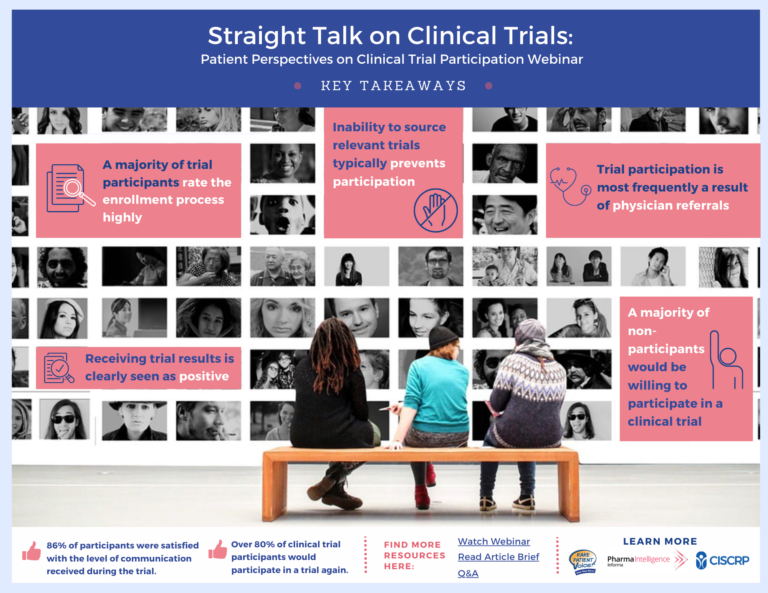
Respondents who had taken part in a clinical study presented a variety of perspectives in the survey. About half of those who took part in clinical trials were told about them by their doctors, while the other half learned about them from patient advocacy groups.

Panelist Steve Jones, President of EU-IPFF (The European Idiopathic Pulmonary Fibrosis and Related Disorders Federation), a pulmonary fibrosis patient and patient advocate, says, “The main source of information is undoubtedly physicians.” However, widespread education in the medical community is needed to assist in increasing participation in clinical trials. The process of finding a trial must be simplified.”

When it comes to physicians sharing information about clinical trials, panelist Ashley Smock, a woman living with ovarian cancer, says, “I think it comes down to patient-physician relationships. Had my own physician brought up a clinical trial as an option, I probably would have been more interested.” When Ashley sought a second opinion about her cancer diagnosis, that doctor mentioned clinical trials as an option. Ashley was less open to the information the physician shared, explaining, “He didn’t have the best bedside manner. I did not feel valued as a patient during our conversation, so I didn’t follow up. There was no relationship and there wasn’t a lot about the visit that was positive.”

There is a need to raise awareness of clinical trials, the value of participation, and provide an easier way to access clinical trials, as mentioned in the webinar discussion. Steve is part of a collaborative effort where he lives in the United Kingdom to develop a European clinical research database that is easier to use than clinicaltrials.gov. “The website [clinicaltrials.gov] is almost impossible to use for ordinary people,” says Steve. “Information needs to be made simple to understand and in plain language wherever possible, to make it easier for patients to access.” Steve cited CISCRP’s Search Clinical Trials database as a streamlined option to review.

“There have been many recent initiatives to improve the patient experience with clinicaltrials.gov,” says Mike, and despite complexities, “…it is still an important entry point for patients to learn about clinical trials.” 

Other initiatives to help with the clinical trial participant’s experience include the use of technology that offers flexibility and convenience. “I’m a big proponent of decentralized clinical trials, when they’re possible,” says Wes.

The majority of clinical trial participants questioned (80%) said their recruitment process was “great or good.” Within a week of starting the process, two-thirds said they were enrolled in a clinical trial.   Participants value communications when they are adequately explained throughout the life cycle of the clinical trial and when they are timely and relevant at each stage of the process. Conversations with the physician investigator and clinical research site staff can take place via phone calls, emails, text messages, telehealth appointments, and in-person visits.

Patients also want to know the results of clinical trials. Sixty-four percent of those who had participated in clinical trials said it was important to hear results, while 88% of those who had not participated in a clinical trial said it was important. “Simple charts and summaries of the salient points of the trial would be very helpful going in, to know that at the end of the day, I will have that information and be able to access the results,” says panelist Sarah Nechama Frisch, who lives with narcolepsy and cataplexy. “Email is probably the most practical way to disseminate information for most people.”

“The more everyone in the United States is exposed to clinical trials, particularly with what is in the headlines currently about what clinical research is, why we do it, and how it’s run, that awareness will go a long way,” notes Mike.

“As patients, we want medications to be effective, approved, and on the market, because our population has a lot of living to do and we want to be part of the development of things that are going to keep us here for a long time,” says Ashley. She advises biopharma companies conducting clinical trials to “ask us for our feedback about clinical research, because we want this to move forward.”

You can learn more by accessing the webinar recording here.

View additional companion content:

To search for medical conditions in a specific location, visit our Search Clinical Trials page.

To stay informed about clinical studies, visit our Resources page.

About Informa Pharma Intelligence

Informa Pharma Intelligence powers a full suite of analysis products—Datamonitor Healthcare™, Sitetrove™, Trialtrove™, Pharmaprojects™, Medtrack™, Biomedtracker™, Scrip™, Pink Sheet™, and In Vivo™—to deliver the data needed by the pharmaceutical and biomedical industry to make decisions and create real-world opportunities for growth. For more information visit pharmaintelligence.informa.com.

About Rare Patient Voice

Rare Patient Voice, LLC provides patients and caregivers an opportunity to participate in all types of research including market research, health economics outcomes and real-world evidence, user experience/human factors studies, and clinical trials. The RPV panel has over 100,000 patients and caregivers across more than 700 diseases, both rare and non-rare, in the United States, Canada, the United Kingdom, Germany, France, Italy, Spain, Australia, and New Zealand. Visit us at www.rarepatientvoice.com.

No “Kidding”: Using Health Literacy to Communicate Clearly About Pediatric Trials

Written by: Holly Arthur

In a recent post, CISCRP’s Health Literacy team discussed why it’s important to make information about clinical trials clear for everyone. We consider a lot of things when creating materials — like brochures or videos — depending on the audience. For example, we’ve been developing brochures for people from different racial and ethnic groups about the importance of diversity and representation in clinical trials. With these projects, we’ve looked at how language, culture, personal values, and history shape people’s decisions about participation. A main goal of these projects is to connect with people who don’t always have access to information about clinical trials that is both relatable and easy to understand.

But what if your “audience” includes almost a quarter of the population of the United States, yet doesn’t include anyone legally allowed to make all their own medical decisions? Recently, the Health Literacy Team has been expanding a key part of CISCRP’s mission — “education before participation” — to a new generation. We have been working on projects to help kids, families, and their healthcare providers navigate decisions about clinical trial participation together. We’re excited to tell you about some of these projects today, and to share a few of the challenges — and accomplishments (!) — we’ve encountered so far.


Not just short adults

It may seem funny to think of children as an underrepresented group, but among clinical trial participants, they are. Just like there isn’t enough gender, racial, or ethnic diversity among trial participants, the number of registered pediatric clinical trials doesn’t reflect the number of children who depend on trials for new, safer treatments.

As the saying goes, kids aren’t just small adults. Children’s bodies may respond differently to treatments than adults’, even if it’s the same treatment for the same condition. And too often, treatments prescribed to children have only been tested in adults. Pediatric trials help us make sure that treatments children receive are safe and effective for them.

 Of course, the differences between kids and adults aren’t just physical! As they get older, people go through changes in how they think, learn, and relate to others. Even an infant and a toddler only a year apart, for example, have different abilities, interests, and needs. So do a 10- and a 16-year-old. Creating materials for pediatric participants means thinking about all kinds of age-related differences that have a big impact on health literacy.

Children also don’t have the right to sign legal documents, in most cases. This includes documents agreeing to participate in clinical trials, also called “informed consent forms.”  A parent or guardian must give permission, called “consent,” for their child to participate. Children old enough to understand what being in a trial involves are asked to give their “assent,” or agreement. This is not a substitute for a parent or guardian’s consent, but a child can refuse to give assent after learning about a trial, so it’s important to share information in a way that is age-appropriate.

What is the Health Literacy Team Doing?


Pediatric Video Project

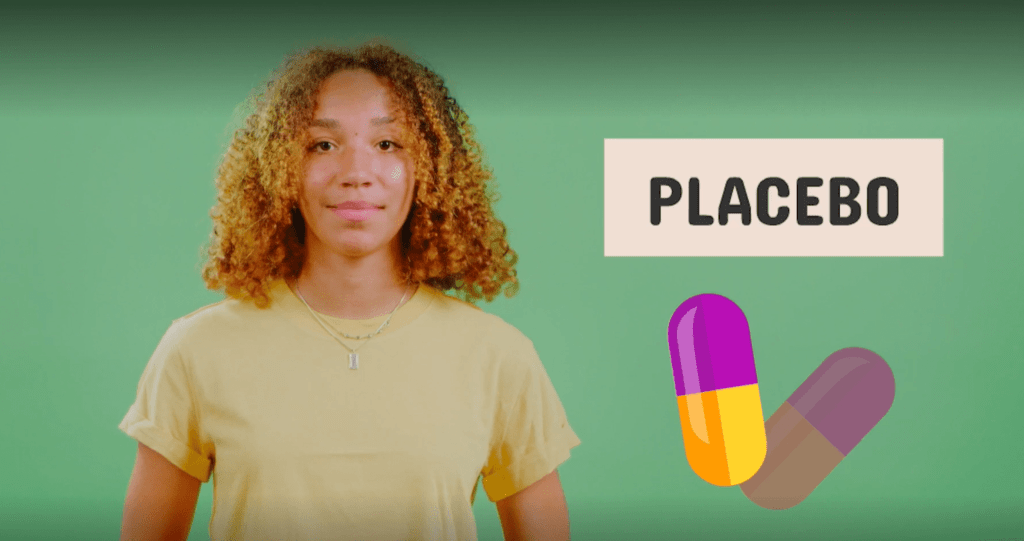
Earlier this year, we launched our 4-part Pediatric Education Video Series, created specifically for children and their caregivers. The live-action videos were developed with help from various community members — most importantly, kids — to provide an age-appropriate overview of clinical trials. As health literacy experts, explaining ideas like “informed consent” or “placebo” so the average person can understand them is our bread and butter. Still, explaining these things to kids at all different ages and stages really forced us to up our game! The actors in the videos do a great job of making new information feel safe and not (too) scary for viewers. Check out the videos on our website  or YouTube page.


Updated Brochure for Parents and Guardians

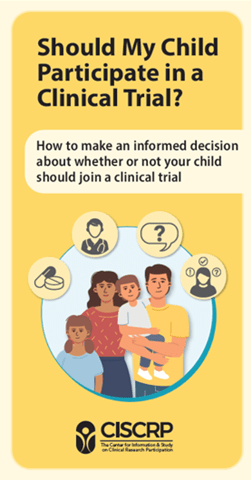
We are wrapping up a complete rewrite and redesign of our brochure on pediatric trial participation, “Should My Child Participate in a Clinical Trial?” This is one of many brochures on clinical trial participation you’ll find in CISCRP’s online education center. Like all our educational materials, the creation process was guided by insights from the CISCRP community. We listened to parents, guardians, professionals, and other experts to understand what matters most to them. What do real parents of past pediatric clinical trial participants, or potential clinical trial participants, think is most important for others to know? What information do professionals who work with pediatric participants and their families wish those families had more access to?
We heard your feedback that caring for a child with a medical condition is stressful for the whole family. Parents need empathy and support when making difficult decisions about their child’s health. We also heard your feedback that it’s important to discuss clinical trial participation with children, even though it can be a tricky subject. We used these insights to shape the content of the new brochure. Our health literacy experts worked closely with our in-house Medical Writing team to make sure this important subject hit all the right notes. The new brochure will be available soon on CISCRP’s website and for purchase in our online store. (Want more information? Contact Lucas Goren at lgoren@ciscrp.org.)


Pediatric Plain Language Summary

One of CISCRP’s signature programs is our communicating Trial Results Summaries service. All participants have the right to receive results of the study they helped make possible, written in language that makes sense to them. However, information written for and by researchers is not always clear or friendly for non-scientists. This is why CISCRP works with study sponsors to create hundreds of plain language summaries of trial results every year.

But what about pediatric trials? As it turns out, creating kid-friendly, age-appropriate plain language summaries of pediatric trial results isn’t the norm. This is partly due to lack of regulation, or unclear regulations, about sharing pediatric trial results. Because this is new territory compared to creating adult trial summaries, experts (like CISCRP) are still developing and testing best practices.

We can’t wait to share details from our first-ever pediatric plain language clinical trial results summary. It’s not ready to “go live” just yet, but we can tell you a little about what it includes. For starters, we focused on using a narrative, or story, to talk about the process of being in a pediatric clinical trial from start to finish. The summary tells the story of a character who participated in a pediatric trial as she learns about the results and reflects on being a participant. We hope this “picture-book” style helps make complicated information approachable and engaging for kids, and we’re excited to get some feedback from real-life pediatric trial participants down the road.


Consent and Assent Forms

Informed consent forms (ICFs) and assent forms can be hard to understand. But it’s very important that potential participants, and parents of participants, understand what these forms say. Knowing what a trial involves, and what the risks and benefits are, is critical for making an informed decision. 

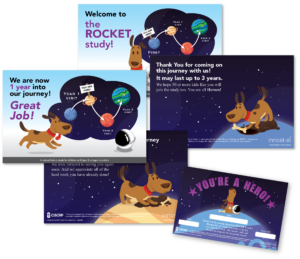
CISCRP recently worked with a sponsor company, parents, advocates, and other experts to create clear, engaging informed consent and assent forms that support health literacy. These will be shared with potential participants in a pediatric study starting soon. This project came with some challenges and some creative solutions. For example, we decided the materials should feature an animal character. But consent and assent forms need to be balanced, not biased, about possible risks and benefits of joining a study. How do you make sure a cartoon animal looks thoughtful, but not scared? Or proud, but not boastful? How do you write about risk honestly and in a way children will understand, without causing unnecessary fear because risk is a hard thing to explain, even to adults?

The balance between information and neutrality is tricky, so we had a lot to think about! But in the end, we are thrilled with how the project came out. We hope to work on more projects like this — and other new projects for pediatric participants — soon.

Want to help us create, test, and improve new materials like these? We depend on your feedback. Learn more about volunteering and how you can sign up today.

To search for medical conditions in a specific location, visit our Search Clinical Trials page.

To stay informed about clinical trials, visit our Resources page.

The Latest Dose: Raising Awareness for Unknown Illnesses

Play Podcast Here:

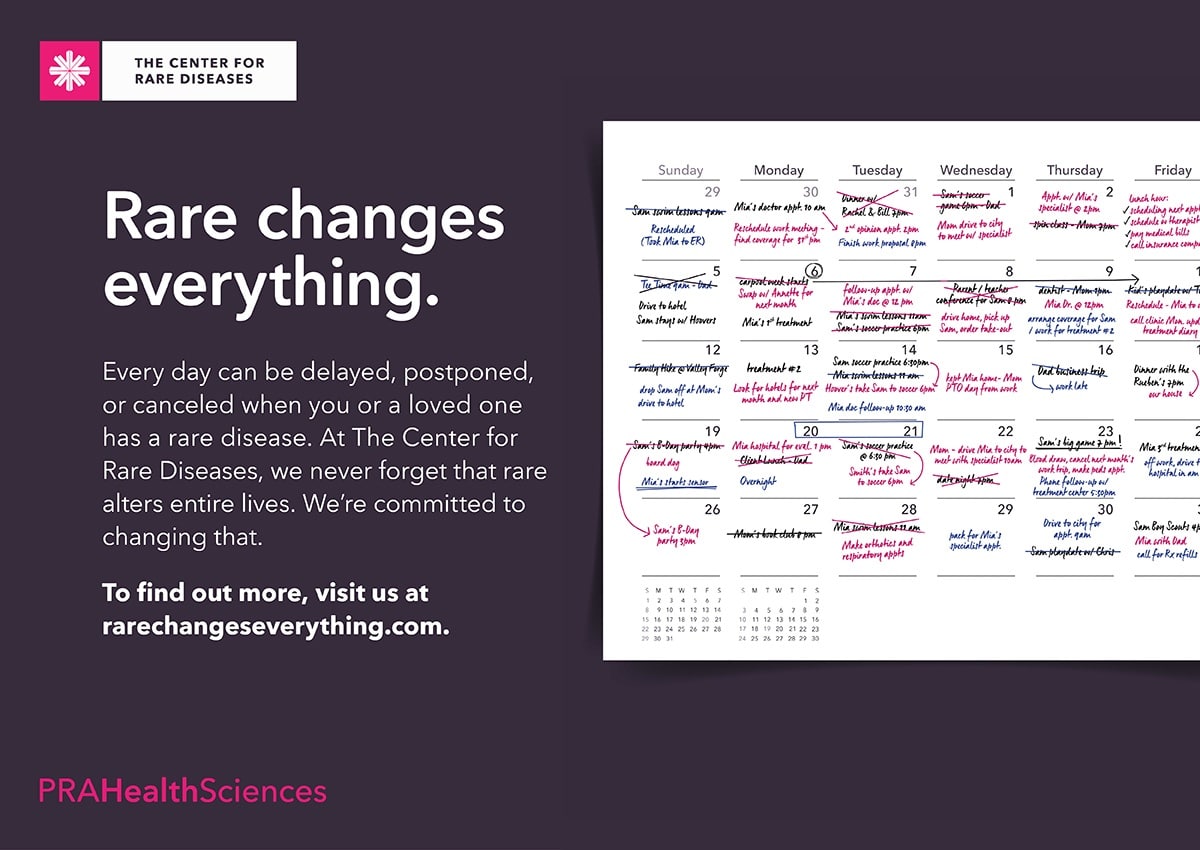
There are more than seven thousand rare diseases in the world – 95% of which have no known treatment. The term rare diseases is a cruel misnomer – in fact they aren’t that rare, and importantly, the definition of what constitutes a rare disease differs by country. To raise awareness, Rare Disease Day is recognized on the last day of February annually. In this episode, industry leaders Joan Chambers, senior director of marketing and outreach at CISCRP, and Scott Schliebner, executive VP and chief strategy officer at M&B Sciences, discuss the importance of improving access to treatment and medical representation for individuals with rare diseases and their families.

Videos in Health Literacy

Written by: Scott Finger

Everyone learns differently. Though as time and technology move forward, more people are getting their information through interactive formats like video. With the rapid integration of patient engagement in clinical research, the formats the research community uses are also shifting. While printed documents remain a regulatory imperative, videos are more patient-centric and engaging, especially for younger audiences. Also, with the pandemic pushing more trial conduct towards remote models, more trial participants are interacting with clinical researchers through a computer or mobile device. The need for video-based educational tools, especially about trial participation and eConsent, is more important now than ever.

According to CISCRP’s 2021 Perceptions and Insights Study, 13% of survey respondents would be interested in getting results of their clinical trial through video, which is nearly double the number of respondents who expressed this from 2019 (7%). Also from the 2021 study, 74% of respondents said that they would be willing to participate in a trial that was completely remote, which includes video conferencing from home.

In addition to the content itself, a key aspect of health literacy is actually reaching your audience. To do so, you need to consider how to best get out your message in a way that works for as much of the audience as possible. Usually, that means communicating your content in a few different formats for different learning preferences.

Through our research, we’ve identified a need for more videos when it comes to clinical research education, especially accessible videos that explain clinical research in a simple way. So, CISCRP has dedicated time and resources and partnered with sponsors and health professionals to create such videos. You can find a complete library of our videos on our website or on our YouTube page, but here are some examples:

Based on our experiences and expertise in health literacy in clinical research, we have developed a list of best practices for video creation. We would like to share some tips to help researchers, advocates, and anyone else looking to develop videos for patients, trial participants, or the public.


Planning your video

You’ll first need to consider: What do you want to say? You may have a clear message and an idea of how that should be communicated, but creating a video fit for clinical research education won’t be as simple as clicking the big red “record” button and adding a filter.

Always keep in mind that the video isn’t about you—it’s about the audience. So, every video creator must consider the best way to reach their target audience. Some factors include:

  • Style—should your video be flashy and attention-grabbing, or should it focus on laying out information as cleanly as possible?
  • Format—is your video going to be animated, performed by live actors, or both? Or, is your video going to feature real patients or trial participants?
  • Tone—will your video have elements of humor, or will it stick to the facts? Will any animations be more cartoon-like or abstract, or will they imitate real life?
  • Time—how long should your video be? Should it be a few seconds, a few minutes, or broken out into multiple parts?
  • Culture—are you appropriately representing the individuals from the communities you want to reach? Are you acknowledging the experiences and hardships of the individuals from those communities?
  • Language—is your audience made up of experienced clinical research professionals, or people who may have never heard of a clinical trial before? Your audience will determine what lingo you should or shouldn’t use.


Audience engagement

As we mentioned, a big part of health literacy is reaching your audience. So, what does your audience want to hear? How do they want to hear it? We cannot stress enough the importance of opening a two-way dialogue with the intended viewers.

For example, when we made the 4-part pediatric series, we spoke directly with some children who may be involved in clinical trials, and their parents. From this research, we learned that the children would prefer TikTok-style videos that featured live actors in addition to supporting animations and quick transitions, and videos that were no longer than 2 or 3 minutes each. More importantly, we learned what the children wanted to learn: the benefits and risks of participation, information about placebos, the fact that they could stop participating at any time, and more.

We also had our materials reviewed by an external review panel consisting of patient advocates, healthcare professionals, and members of the public. All of the reviewers helped us shape the video and ensure our content was appropriate, understandable, and engaging. It’s important to continually get feedback throughout the video’s development.


Developing your video

Once you’ve completed the necessary research, we recommend starting with an outline. What’s your key message? What points will support that key message? How can you arrange those points to have a naturally flowing narrative that will engage the audience? For a documentary-type video about real patients and trial participants, an outline can help determine what kind of questions you want to ask and how you want the video to flow.

Depending on the format—animated or “live-action”—you’ll need to consider the best way to actually create the video. Do you have the resources to recruit the talent and create the video, or will you need to use a third-party vendor? In either case, all members involved should be aware of the key message, purpose, and audience. You’ll also want to make sure your video cast—whether animations or live actors—is diverse and representative of the population.

One other thing to consider is making sure that your video is an appropriate communication tool. This may include getting IRB approval for both the script and the final video, especially if you plan on using the video during recruitment or consent.


Health Literacy is a living process

You may have noticed a common theme here: There are so many factors to consider in each stage of the video development process! This concept applies to all aspects of health literacy. While you may figure out the best approach for one video, for example, that exact process may not work for the next. And even if you create a nearly identical video a few years down the road, the times and culture change, so you’ll likely have to start from the beginning. Specifically, content creators should always take care to research what ever-changing pressure points are at top of mind for each community and how to best address those concerns.

Once you’ve completed a video, the work doesn’t stop. Get feedback—what worked? What didn’t work? How can you improve for the next one? As challenging and demanding as this cyclical process may be, health literacy is such an important aspect of clinical research or any health-based communication, and we should all do our part to make sure our messages are properly reaching the intended audience!

CISCRP is also developing a manuscript discussing the process and findings of our 4-part video series; stay tuned for the publication!