Broadening the Lens of Diversity for More Inclusion in Clinical Research

Although there is still a “guinea pig” stigma associated with clinical research participation, for many, clinical trials offer free or low-cost access to testing, care, and cutting-edge treatments that are simply not accessible or available. Years ago, my own mother’s participation in an Alzheimer’s Disease study uncovered a life-threatening condition that she wouldn’t have known about, had she not been a participant. Thankfully, after a required surgery, she is still alive and well. Many other friends, family, and colleagues have shared stories with me about their chronically and terminally ill loved ones who extended their lives and improved their quality of life thanks to clinical trial participation. However inspiring, the commonality across these success stories is that the patients belong to an essentially homogenous population of white, insured patients living in or near urban areas.

As I have been attending industry events and watching the topic of diversity trend in our sector of the world, I see the emerging initiatives to impact racial and ethnic diversity in clinical research and ask myself whether the pharmaceutical and biotechnology sector can and should do more to leapfrog historic approaches to diversity. That is, instead of simply forcing statistical study populations to reflect traditional demographic categories, can we make trials truly inclusive and inviting to all people so that the resulting participant population is reflective of all facets of culture? If we do this one group at a time – race, ethnicity, religion, biological sex, socio-economic class, etc. – we risk leaving people without access to a valuable health care resource and our industry without access to important information.

Beyond the Binary

An important group for our industry to consider are those who identify as being part of the LGBTQ+ community. How one identifies is an integral part of traditional inclusion/exclusion from clinical research trials and limits access for people who do not self-identify in traditional categories.

recent survey conducted on Ipsos’ Global Advisor online platform among more than 19,000 individuals aged 16 (or 18, depending on the country), illustrated that on average, 80% of people identify as heterosexual, 3% as gay, lesbian or homosexual, 4% as bisexual, 1% as pansexual or omnisexual, 1% as asexual, 1% as “other,” and 11% don’t know or won’t say. On average, 1% of adults identify as transgender, nonbinary/nonconforming/gender in another way – rather than as male or female.

As the population of earth approaches 8 billion people, we must consider how to engage this important community in healthcare generally and clinical research specifically. Diversity is inherent, inclusion is a choice. This data underscores the need to put aside binary categories and move to criteria that include all eligible patients regardless of how they identify against the traditional paradigm of gender and sexuality.

Recently, our team partnered with the non-profit organization CISCRP to convene a group of patients who identified as being part of the LGBTQ+ community and explore their experience with the healthcare system generally and clinical research specifically. I had the privilege of participating in the conversation and was stunned by the feedback from the group.

Key Takeaways

Over the course of two, two-hour virtual sessions, there was a lot of really interesting discussion. For me, some of the key takeaways were:

  • The LGBTQ+ community is a broad category of communities so there is no one-size-fits-all approach
  • Trust is a key barrier to care for the LGBTQ+ community
  • Patients actively seek LGBTQ+ providers and those trained on LGBTQ+ issues
  • Representing the LGBTQ+ community in research as a driver for participation but diversity quotas are not enough to drive engagement

There are also considerations of what inclusivity of the full range of LGBTQ+ identities in all aspects of care mean, including:

  • Removing unnecessarily gendered language, imagery, and décor from forms, patient materials, and clinical areas
  • Creating inclusive options on multiple-choice forms to account for all LGBTQ+ identities
  • Refining approaches to clinical lines of questioning to ensure sensitivity to LGBTQ+ identities and focus on questions required for care and research
  • Including trusted LGBTQ+ advocacy organizations and local, community centers in health and research initiatives

Diversity is Inherent, Inclusion is a Choice

Including the LGBTQ+ community in diversity, equity, and inclusion initiatives is not only good for patients, but also valuable, important, and essential for the pharmaceutical and biotechnology industry. When discussing the value of clinical trial participation to the industry, the ratio we all talk about is 1 in 200 – meaning that one in 200 people, regardless of health status, need to participate in clinical research to enroll all the studies in clinical trials.gov at any given time. Allowing barriers to access for any population is not just unethical and bad for science, it’s also bad for business. Ensuring diversity, equity and inclusion means more study participants, thorough science, and predictable outcomes for all potential patients.

The path to inclusivity for the LGBTQ+ community is no different from those proposed for the inclusion of other populations underrepresented in clinical research. As Van Johnson suggested in a recent episode of the Totally Clinical podcast and echoed by our LGBTQ+ patient panel, the key to diversity, equity and inclusion is a holistic approach. The way to create a clinical trial environment that is inclusive is to ensure that community members have a seat at the table – LGBTQ+ patients, physicians, advocates, and others. In addition to promoting the diversity in today’s research community, this work will likely involve an expansion to include new investigators, sites and site networks that serve the LGBTQ+ community and enablement of those sites with tools, training, and technologies that can bring them onboard quickly and guide them with consistent, responsive and proactive content and communication.

As the global head of strategy at Teckro and daughter of a clinical trial participant, it is my intention to play an active role in supporting diversity, equity, and inclusion efforts so that clinical research is a care option available to all patients. If you are a sponsor, investigator, patient, or other stakeholder in clinical research and are advancing a DEI or CRAACO initiative, I invite you to join the conversation on our Totally Clinical industry podcast.

Written by Malia Lewin, Global Head of Strategy at Teckro | www.teckro.com

To read the original article and learn more, visit Teckro’s website here: https://teckro.com/resources/blog/lgbtq-inclusion-clinical-trials  

To search for medical conditions in a specific location, visit our Search Clinical Trials page.

To stay informed about clinical trials, visit our Resources page.

Volunteer opportunities with CISCRP, visit our Volunteer page.

New Data Reveals Decentralized Clinical Trials Yield Better Clinical Trial ROI

In a recent article published by Applied Clinical Trials, CISCRP Founder and Board Chair, Ken Getz, discusses decentralized clinical trials (DCTs) and how their value can be measured. During the pandemic, there became a need for DCTs, and a rapid adoption took place by many CROs. 

“DCT adoption has occurred without the normal phased adoption process that has time to unfold. Because it’s been so rapid, the industry has a lot of questions on how to manage the best DCT moving forward, how to allocate resources, and where to invest,” Ken shares. 

At the recent DIA Annual Meeting in June, Ken presented alongside Pam Tenaerts, MD, Chief Scientific Officer at Medable, providing an overview of their recent work aiming to understand whether DCTs live up to the expectations of better research. Tuft’s CSDD study with Medable on DCTs is the first study quantifying the return on investment of DCTs, an important metric to measure as it can inform decision-making on future projects. 

For this study, Tufts used data from a mixed sample of trials; 150 that used traditional in-person clinical trial methods, and 33 using DCT methodology. This model developed by Tufts and Medable focuses on the value drivers of clinical trials, calculating the overall ROI of a decentralized clinical trial based on value drivers such as cost, trial duration, and execution efficiency. 

The study shows evidence that DCT’s drive speed and efficiency in clinical studies as well as patient recruitment and retention. “Dropout rates appear to be lower in our comparative assessment,” Ken notes. “Second, the screen failure rates improved, and that may be because there is greater decentralized access to a trial. More people who may be eligible are willing to inquire about participating in a study, essentially self-selecting because it appears to be more accessible to join, either because it’s conducted locally or there are more opportunities to participate from home.” 

To read the full article visit Applied Clinical Trials website here: https://www.appliedclinicaltrialsonline.com/view/new-data-reveals-dcts-yield-better-clinical-trial-roi  

To search for medical conditions in a specific location, visit our Search Clinical Trials page.
To stay informed about clinical trials, visit our Resources page.

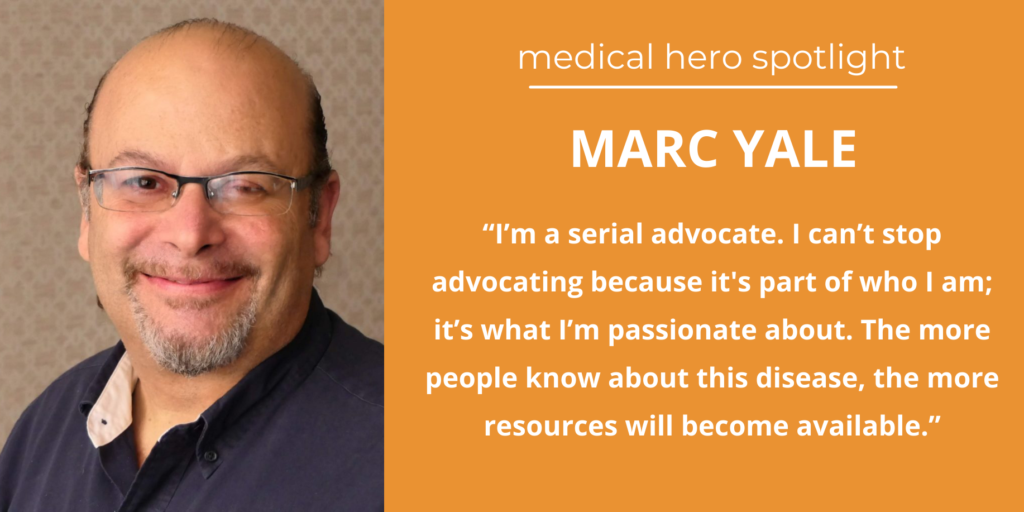
Medical Hero Spotlight: Marc Yale, Mucous Membrane Pemphigoid Advocate

marc yale
Pemphigoid Diagnosis

In 2007, Marc Yale visited his optometrist for a case of what he thought was conjunctivitis (pink eye). After running some tests, his doctor could not determine the cause of his symptoms. Within days, Marc broke out in blisters across his skin, mouth, nasal cavity, and throat. The blisters, especially those in his mouth and throat began causing other problems, including jaw clenching and difficulty swallowing. “In the beginning, I didn’t realize my eye symptoms and the blisters had any relation,” Marc recalls. “I visited the dentist who thought the jaw clenching was from impacted wisdom teeth. I went ahead and had those teeth removed, but then the hole wouldn’t heal and began to blister.”

After several months of pain and discomfort and multiple visits with specialists, Marc saw his General Physician, desperate for answers. “At this point, the blisters were so painful I couldn’t shower, I had lost 40 pounds from struggling to eat, and was losing vision in one of my eyes as it began to swell and close,” Marc shares.

Marc’s doctor referred him to a dermatologist who referenced a medical textbook, believing Marc may have an autoimmune condition he had never seen in real life. One biopsy later, the dermatologist’s suspicion was confirmed, and Marc was finally diagnosed with a chronic condition, Mucous Membrane Pemphigoid.

“Finally receiving a diagnosis was such a relief,” Marc remembers. “I’ve learned since then, that this process of delayed diagnosis is common with rare diseases. Most individuals with Pemphigoid see 5-10 doctors before learning what condition they have and their treatment options.”

Treatment for Pemphigoid: Pandora’s Box

Although Marc was excited to finally have answers for his painful symptoms, reviewing treatment options for this condition opened a “Pandora’s Box” of new challenges. The mainstay therapy for Pemphigoid is corticosteroids given in very high dosages, which can cause many side effects. Other popular treatments include immunosuppressant medications, which can help suppress the autoimmune condition, but come at the risk of making patients vulnerable to secondary infections. Marc’s doctors recommended he begin treatment using a “stairstep approach”; trying the drugs that work the fastest in hopes that they would be effective. In Marc’s case this meant beginning a combination of corticosteroids combined with the immunosuppressant medication.

Although these treatment options may be the fastest, they still take 6-8 weeks to work. “While I waited to see if this treatment plan would be effective, my condition began to progress,” Marc notes. “My blisters caused constant bleeding, making tasks like sleeping and getting dressed challenging. The blisters in my mouth and throat felt like I was swallowing razor blades all day long. Eventually, my drooping eye fused close and I lost my vision permanently. I couldn’t see, so I couldn’t work or drive.”

Finding a Clinical Trial

During this time, Marc began to research if there was anything new available for patients beyond his current treatment plan. While there were very few clinical trials being held for Pemphigoid 15 years ago, there was one drug trial Marc found in France. “I knew getting into a trial was my best chance of remission and figured I would be a great candidate. My wife and I were ready to move to France for this opportunity,” Marc shares.

Unfortunately, Marc was not eligible for the trial and had to continue with standard care until another option was found. Eventually, when his doctors had exhausted their resources, Marc was sent to see eye and dermatologist specialists in Boston, who suggested he go on therapy for a trial happening for an off-label drug, not yet approved by the FDA. Marc was able to find a doctor who would prescribe this drug to him at home and began the new therapy. In the meantime, he continued his research online to find a community of other people experiencing this disease.

Barriers to Accessing Clinical Trials

In Marc’s case, as with many other patients, one major barrier for treatment and clinical trial access is a delay in diagnosis. “Our healthcare system is set up in a way that makes it difficult for patients to access the specialists who can diagnosis them with these conditions. Additionally, this is not a common condition, so many doctors have never seen it and can’t readily diagnose it,” Marc notes.

Another barrier for the Pemphigus and Pemphigoid community is the lack of standardized guidelines regarding treatment for this disease in the US. Treatment is up to the individual doctor and can vary greatly. Marc advocates for consensus guidelines for all patients and doctors to follow. Patients also must consider the financial burden of treatment, as the price for these medications is astronomically high.

“Anyone with a rare or debilitating disease will feel a loss of control in their life. Treatment should be made simpler and more available for patients,” Marc explains.
Patient Advocacy with the International Pemphigus and Pemphigoid Foundation

After looking around online, Marc found the International Pemphigus and Pemphigoid Foundation (IPPF), a site dedicated to spreading awareness and sharing resources for patients. After reaching out, the organization asked Marc to join and offered volunteer and advocacy work. Marc took on an outreach project to find doctors who specialized in these conditions across the country, as the site currently only had 30 doctors listed. Marc also helped form a peer health coach program, where patients were available to help other patients with managing the disease. These peer health coaches could help navigate newly diagnosed individuals through challenges, such as finding the right doctors, choosing a treatment, possible symptoms, and how to get involved in clinical research.

“I was happy to volunteer at IPPF because I found it rewarding to help others so they wouldn’t have to go through the diagnosis and treatment process alone like I did. I found mentoring very cathartic and used it as a coping mechanism to manage my own disease. During this time, I became passionate about advocating for the Pemphigus and Pemphigoid community,” Marc shares.

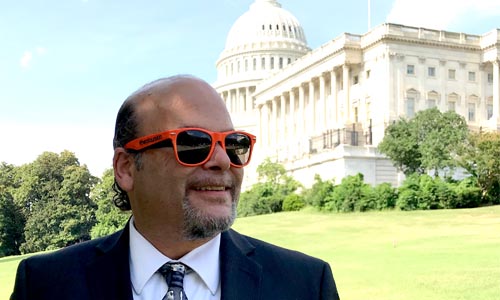
Although Marc was working part time as a volunteer at IPPF to start, after two years his condition went into remission and he was able to dedicate his time fully as a coach, and later as the Executive Director of IPPF from 2016-2020. Marc spent his time as a director building educational resources for medical professionals, students, and policymakers in Washington, DC. After he experienced a flare up, Marc made the decision to step down from his role and work on a volunteer-basis again, this time focusing on advocacy for the foundation.

Marc remains a coach in the peer health coach program today, staying in contact with others he has coached or met through his advocacy work. “It’s the best and worst part of my job. I love having the opportunity to build those relationships and help others, but it’s hard because I know what these people are going through. This is a truly devastating disease,” Marc reflects.


Marc’s advocacy has not only impacted the lives of others in his community but also his own. “Even with a support system, only someone who has your disease really knows what you’re going through which is why patient networks are so important.”

“I’m a serial advocate,” Marc jokes, “I can’t stop advocating because it’s part of who I am; it’s what I’m passionate about. The more people know about this disease, the more resources will become available.”

Today, with the help of Marc and many other volunteers, IPPF has increased their list of specialty doctors from 30 to 400, opened sister organizations internationally, and increased awareness and funding for the disease. Currently, there are 10 Pemphigus clinical trials running and 4 for Pemphigoid, a major jump from the single trial Marc found available decades ago.

Marc’s advice to patient advocates just starting out is to “Never take no for an answer. Be committed, persistent, and keep trying. Whether you’re a small organization, a newly diagnosed patient, or an advocate, you’re never alone. There are so many others out there wanting to make a change or difference just like you.”

To search for medical conditions in a specific location, visit our Search Clinical Trials page.
To stay informed about clinical trials, visit our Resources page.
Sources: https://www.pemphigus.org/

Written by Lindsey Elliott, Marketing & Communications Manager, CISCRP | lelliott@ciscrp.org

Voices From Within: Humanizing Clinical Research Data: Episode 1 – Patient Data Collection 101 Flash Webinar

3 Part Flash Webinar Series

There are a variety of ways in which patient data can be collected in clinical research. As such, it’s critical to keep patients informed on these methods as they progress through trials. Jane Myles, Curebase’s VP of Clinical Trial Innovation and Director of Data Management, Kim Andreasen, discuss how patient data is collected in clinical trials.

View the webinar below. View article brief here.

Watch Webinar Episodes 2 & 3

Voices from Within: Humanizing Clinical Research Data:
Episode 2 – Conversations on DCTs: Data Privacy
Watch Here

Voices from Within: Humanizing Clinical Research Data:
Episode 3 – Conversations on Clinical Trials
Watch Here

Panelists:

Jane Myles

VP, Clinical Trial Innovation at Curebase

Kim Andreasen

Director, Data Management at Curebase

The Latest Dose: Debunking the Myths of Clinical Trials; Leveraging the Realities

Play Podcast Here:

Ken Getz, Executive Director and Professor of Tufts Center for the Study of Drug Development (CSDD), and Elisa Cascade, Chief Product Officer of Science 37, join The Latest Dose to debunk the myths of clinical trials. It is not always easy to tell the difference between misinformation and fact. Trusting false stories can lead someone to make decisions that may be harmful or costly. Ken and Elisa offer insights on the realities and complexities encountered in conducting clinical research around the world.

Visit The Latest Dose Website Here.

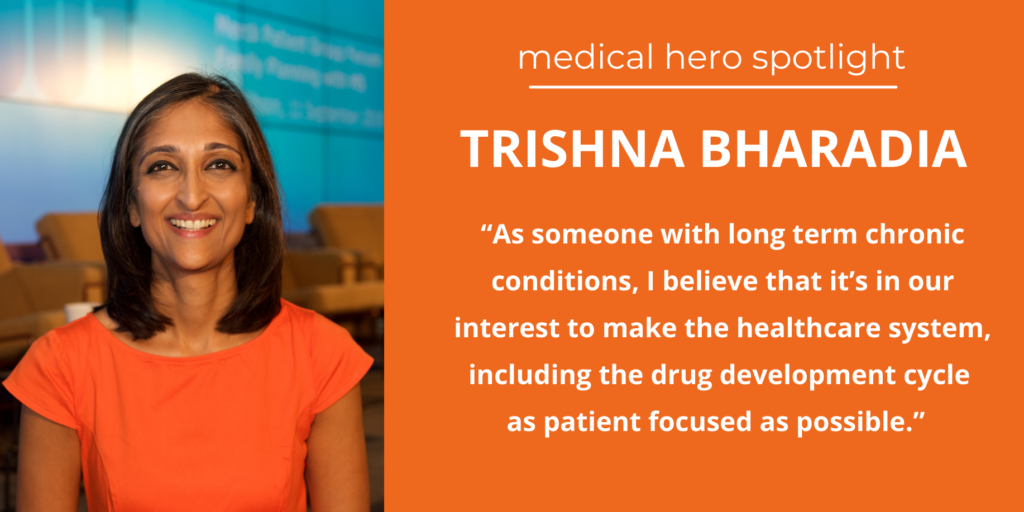
Medical Hero Spotlight: Trishna Bharadia, Advocate for MS & Other Chronic Conditions

Written by Lindsey Elliott, Marketing & Communications Manager, CISCRP | lelliott@ciscrp.org

Living With Multiple Chronic Conditions
“As someone with long term chronic conditions, I believe that it’s in our interest to make the healthcare system, including the drug development cycle as patient focused as possible,” says Trishna Bharadia, advocate for Multiple Sclerosis and many other conditions. “At the end of the day, nearly everyone will be a patient or care partner at some point in their lives. We should be working to make the system more patient-focused.”

Trishna works as a Spanish-English translator for a business intelligence company in the UK, but her self-employed work, including her advocacy initiatives and patient engagement consulting are what she is most passionate about. Trishna lives with several chronic conditions, including Multiple Sclerosis, Obsessive Compulsive Disorder, Irritable Bowel Syndrome, Urticaria, and Angioedema.

Multiple Sclerosis (MS) Diagnosis

Trishna was diagnosed with MS in 2008 at 28 years old. She began showing symptoms three years prior to this diagnosis, beginning with the loss of strength in her hands, and progressing to the loss of feeling on one side of her body. These symptoms triggered Trishna’s journey into the MS diagnostic pathway. She was first referred to a neurologist and underwent testing before receiving her diagnosis of relapsing MS.

“An important fact to keep in mind about MS treatment is that no people experience the disease in the same way,” Trishna explains. Different patients may have different combinations of symptoms and the progression of the disease can also vary. A prime example of this occurrence can be seen within Trishna’s own family. Diagnosed in 2011, Trishna’s twin sister also lives with MS but experiences some different symptoms and has opted for different treatment options.

In Trishna’s case, the standard treatment for her relapsing MS differs from progressive MS. “With my MS, disease modifying therapies are the most common form of treatment. I have been on two of these therapies but unfortunately had issues both times. With the first medication I was on, I developed neutralizing antibodies and became immune to the treatment. The second time, I had adverse side effects including the urticaria and angioedema which then became chronic conditions,” she recalls.

Obsessive Compulsive Disorder (OCD) & Irritable Bowel Syndrome (IBS)

Trishna’s other conditions were not diagnosed until several years after her MS diagnosis. “I lived with symptoms of OCD throughout my childhood and adult life but was not diagnosed until my early 30s,” she explains. “My journey with IBS began around that time as well. Although I had been experiencing some symptoms since a bout of food poisoning many years ago, it was in 2018 that I had a flare-up while travelling abroad for advocacy work and felt so sick I barely ate for several days. When I returned home, I was tested for various conditions, including inflammatory bowel disease which my younger sister lives with, and by process of elimination was eventually diagnosed with IBS,” Trishna shares.

Urticaria & Angioedema

Trishna also works to manage two chronic conditions called Urticaria and Angioedema, both of which began for her in 2013, likely as a result of one of her MS treatments. Urticaria causes chronic hives and angioedema causes deep tissue swelling, often in the face. Although Trishna is currently in remission for both conditions, she notes that it took about 4 years to get the symptoms under control through medication, identifying triggers, and altering her diet. 

“I was having symptoms every day and had to be put on a high dose of steroids and antihistamines to control it,” Trishna recalls. “At one point, these conditions were distressing me more and actually having a greater impact on my life than MS was,” she remarks. “During my first episode of angioedema I could hardly open my eyes, they were so swollen. I looked as though I had been in a boxing match. It was very damaging for my confidence and self-image.”

Clinical Trial Participation

Trishna has been involved in a variety of different types of research studies for MS, including giving biological samples such as blood or saliva for genetic testing, filling out surveys or questionnaires for organizations she is a part of, and even partaking in an exercise intervention study to research what type of fitness routine is most effective for MS patients.

“I am a part of the UK MS register as well as the Twins UK register, so I fill out a lot of surveys for both groups to help drive research for these communities. During the beginning of the pandemic, I participated in a COVID-19 antibody study involving twins through this register by submitting a blood sample,” Trishna explains.

Trishna’s decision to participate in research stems from her belief that clinical trials are vital to the understanding of MS and for the improvement of treatments and access to care for patient communities. “If I can help in some way, then I will. I want to provide a better future for those of us who are living with these conditions and for the people who are yet to be diagnosed.”

Although Trishna has participated in multiple research studies, she has not chosen to join any drug therapy clinical trials. Although having been offered the opportunity, Trishna shares, “I turned them down for different reasons. When consulting with pharmaceutical organizations or CROs to help drive patient engagement, I often remind companies that it is just as important to find out why someone may have turned down a trial as it is to find out the experiences of those who chose to participate.”

In Trishna’s case, there were several reasons why she decided participation wasn’t the best choice for her, including considerations of travel, time involvement, and alternative treatments that were already available to her.

Advocacy Work

Although Trishna lives with multiple conditions, her path to becoming an advocate began the moment she was diagnosed with MS. “I was handed a list of 4 medications by my neurologist and told to come back in a month with a decision of which treatment I wanted to start. There was no help offered in terms of resources or support and it left me feeling lost,” she reflects. “I realized while I was having this experience that there were likely many other people with MS feeling just as alone and as uncertain as I felt.”

From there, Trishna stepped into the world of patient advocacy by joining different national MS organizations in the UK. She began working to raise awareness about MS through campaigning and speaking at different events. “I got involved because I wanted to bring the patient voice into the healthcare system in a way that was louder and more effective than present. I hoped to raise awareness about what it is like living with a chronic illness to try and reduce the stigma I could see happening to people living with these conditions, especially within my South Asian community,” Trishna says.

After speaking at several events, Trishna was approached by larger pharmaceutical companies, clinical research organizations, and healthcare industry professionals who wanted her consultation on their own work in patient engagement. Trishna’s consultancy work began then, focusing on advising companies on good patient engagement practices, health literacy, and improving diversity in clinical trials.

“There are many issues in the healthcare system that affect multiple patient communities. My consultancy work now spans to include a variety of different diseases and I have the opportunity to work nationally and internationally with different stakeholders,” Trishna says.

Trishna has worked on a variety of projects, with the goal to make each step of the clinical trial process more accessible and easier to understand for patients. These include designing clinical trials, advising companies on designing trial protocols, reviewing informed consent forms and other patient materials, advising vendors that are providing tools and solutions to be used during a trial, and helping to develop materials for patients when a trial has ended such as plain language summaries of clinical trial results.

“As advocates we do so many different things like campaigning, driving policy, fundraising, speaking to the media, and working with different stakeholders. I prefer to refer to myself as an advocate, not a patient advocate because I feel that term puts my condition before my work. We are people and advocates first, patients second,” Trishna explains.
National Recognition

Early on in her work, Trishna didn’t realize what she was doing was considered advocacy, noting, “I was just doing what I felt needed to be done.” The impact of her work hit home for Trishna in 2013 when she was awarded the MS Society Volunteer of the Year Award. Since then, Trishna has received many other awards for her work, including a Points of Light Award in 2018, an Honorary Membership of the Faculty of Pharmaceutical Medicine, a Faculty of the Royal Colleges of Physicians of the UK in 2021, and the opportunity to participate in a special 4-part edition of the hit TV series, Strictly Come Dancing, the UK equivalent of Dancing with the Stars.

After the show aired, Trishna recalls being inundated with messages of gratitude and support on social media from viewers who shared that her story had helped begin conversations among friends, family members, and in communities.

“It was such an amazing experience and opportunity for my advocacy work. I got to go on national TV as an Asian person living with MS, an invisible disability, and spread awareness among people who may have known nothing about the disease previously,” Trishna notes. “The legacy has been that we were able to educate so many people as a result.”

To search for medical conditions in a specific location, visit our Search Clinical Trials page.

To stay informed about clinical trials, visit our Resources page.

Medical Hero Story: Donald MacIntosh, Alzheimer’s Advocate

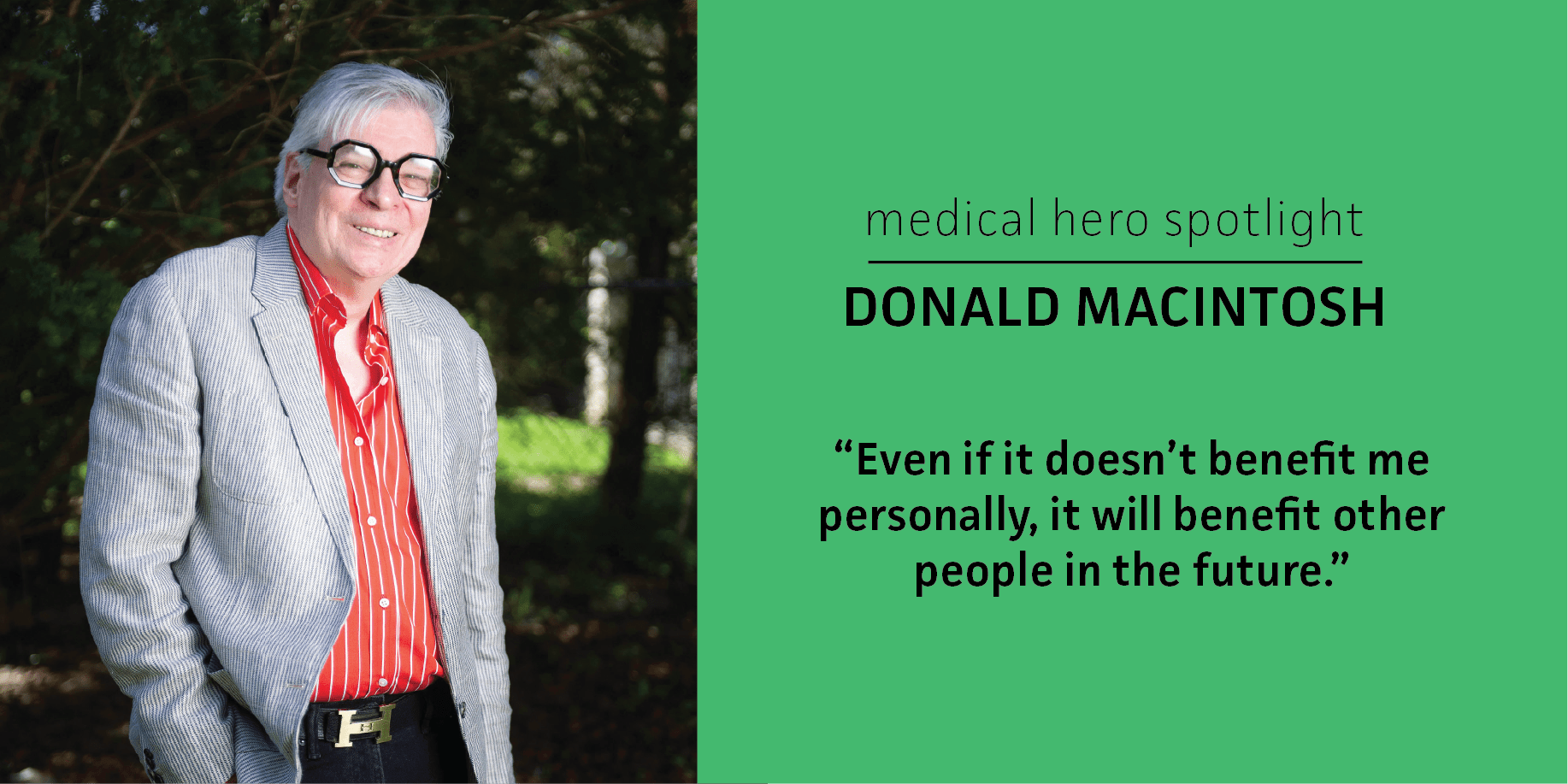
Donald MacIntosh had a 25-year career working as an attorney for the Canadian Department of Justice. Smart and with a great memory, he could argue a case referring to just a few pieces of paper. But nowadays, the 69-year-old forgets how to make coffee and can’t remember what he had for lunch.

Shortly after he retired five years ago, MacIntosh, who lives in Toronto, noticed he was having memory problems. He went to his personal doctor, followed by a few specialists. On a cognition test with 10 questions, he was only able to answer two correctly.

After additional tests, doctors diagnosed him with early-onset Alzheimer’s disease (AD), a form of dementia that affects memory, thinking, and behavior.

The National Institute on Aging says more than 6 million Americans, most over age 65, may have dementia caused by AD.

Gobsmacked
MacIntosh couldn’t believe the diagnosis.

“I was gobsmacked,” he says, noting his AD might be inherited. His mother lived with it for 14 years before she died, and his father had a gene linked to the disease as well.

While he still retains long-term memories, his short-term memory fades fast. Nowadays, if he wants to water his plants, he has to turn on a light as a reminder to turn off the hose. Minutes after he starts watching a TV show, he can’t recall what he’s watching. That’s why he was so excited to participate in a clinical trial for a drug being tested to slow the progress of the disease.

“It is a privilege,” says MacIntosh. “Not everyone is in such a trial because either they don’t know about it or they don’t meet the requirements.”

He started the clinical trial in 2016 but recently had to stop participating after he experienced some side effects, including three instances of temporary brain swelling known as ARIA-E.

He credits his wife, Jasmin, with helping him stay as healthy as possible. The couple has been married for 12 years and he’s a stepfather to her three children.“

He is so passionate about getting better. He is very disciplined. In fact, he’s more disciplined now than he’s ever been,” Jasmin says. “He gets up, works out, and reads.

He gets involved in discussions with friends. He’s very positive about the whole thing, which is wonderful.”

Prior to the pandemic, the couple traveled a lot, including cruising a few times a year and going to the theater. MacIntosh still enjoys gardening, socializing with friends, and reading books. He exercises daily, eats healthy, and is focused on maximizing his brain health and cognition.

Jasmin MacIntosh encourages other caregivers to show, “lots of love, support, and encouragement,” to their loved ones with AD.

Advocate
Donald MacIntosh does AD awareness outreach with the Center for Information and Study on Clinical Research Participation (CISCRP), a nonprofit dedicated to educating the public, patients, and medical communities about clinical research.

“People who are afflicted with Alzheimer’s and their loved ones are desperately waiting for a drug to come along that not only is efficacious from a safety point of view, but that also has an effect in terms of slowing down the progression of the disease,” MacIntosh says.

MacIntosh, who remains optimistic, is looking forward to potentially participating in other clinical trials in the future. He encourages other patients to participate, too, explaining there are many benefits including regular exams, free medication, and MRIs.

He has no regrets about participating in a clinical trial. “Even if it doesn’t benefit me personally, it will benefit other people in the future.”
Written by: Kristen Castillo

Article from our June 2022 Clinical Trials Supplement, USA Today. Read more articles from the supplement here.

Medical Hero Spotlight: Madhura Balasubramaniam, IBD Crohn’s Advocate

Madhura Balasubramaniam

Written by Lindsey Elliott, Marketing & Communications Manager, CISCRP | lelliott@ciscrp.org

Living With Crohn’s Disease

Although she was only diagnosed with Crohn’s disease in 2019, Madhura Balasubramaniam has been struggling with Inflammatory Bowel Disease (IBD) for most of her life. After a tentative diagnosis of celiac disease in 2005, Madhura opted for a gluten- free diet, hoping to manage her daily symptoms. It wasn’t until her Crohn’s diagnosis years later, that Madhura began her journey towards patient advocacy for the South Asian IBD community. 

Crohn’s disease is part of a series of diseases that fall under the umbrella of inflammatory bowel disease. Crohn’s is a chronic autoimmune condition, progressive in its nature, with the ability to remit and relapse. Crohn’s and other forms of IBD can be treated with a variety of different medications, ranging from immunomodulators to biologics as well as surgery.  

As Madhura notes, “The goal of IBD treatment and care is to ensure that patients enjoy the best quality of life possible, despite the chronic nature of the condition.”

South Asian Culture & IBD Treatment

Madhura lives in Chennai, India, where cultural beliefs and stigma play a significant role in the way South Asian patients with IBD view their disease and seek treatment. Madhura explains, “There is a prevalent belief in the South Asian community and across the diaspora that chronic digestive conditions are induced by a patient’s diet or lifestyle choices, but that’s not the case. All IBD patients may struggle with this stigma, but it is especially difficult for South Asian patients. There is nothing we did as individuals to cause our IBD.” This cultural belief can make patients feel unfairly responsible for their disease.

“There’s the expectation that you should be trying to cure yourself through diet or lifestyle changes, when IBD has no cure. When this ultimately fails, patients may be accused of not trying hard enough. This condition doesn’t respond to those types of modifications and needs long-term medical management,” Madhura says.

Another important factor to note regarding South Asian culture, when considering conditions like IBD is the avoidance and fear of taking medication that exists among its community members. Madhura reflects, “There is a deeply rooted mistrust of medicine, reinforced by poor treatment in the western medical system for minority communities. This is in part why South Asians avoid taking medication, viewing it as a last resort. Additionally, many believe that medication is only a ‘band-aid’; it addresses the symptoms of the illness but does not provide a cure.”

With a pervasive stigma surrounding medication, complimentary or alternative medicine is revered and very popular for South Asian community members. “Practices like Ayurveda and Homeopathy are popular because they profess to treat the whole patient, claim to have no side effects, and promise ‘cures’,” Madhura notes.

“While alternative therapies can, in some contexts, serve as an excellent supplement, I don’t believe they can fully manage a disease like Crohn’s, and they should certainly not be used as a means to justify blaming patients who are struggling with their symptoms.”
Journey to Patient Advocacy

When reflecting on becoming a patient advocate, Madhura explains that her path to advocacy was gradual, and not without overcoming her own internalized beliefs and stigma.

“Throughout my childhood, I felt like I was the only one with my symptoms. I knew no one who had IBD. It was only after my diagnosis that I started speaking about it with others, that other people in my life spoke up about having IBD or knowing someone else who has it. That’s because IBD is so stigmatized in the South Asian community. Talking about chronic bowel symptoms is considered unsavory. I had internalized these norms, so I never shared that I had these conditions. Growing up, I rarely spoke about having a gluten-free diet and never said why. I grew to be ashamed of my symptoms.”

When she was finally diagnosed with Crohn’s in 2019, Madhura describes the feeling of a weight being lifted off her shoulders. “I was so relieved to have answers, but I continued to struggle with the stigma that exists in my culture. I thought I wasn’t sick enough to warrant a biologic treatment.”

After rapidly losing weight and experiencing malnutrition, Madhura’s GI recommended a feeding tube placement. Reaching that point changed Madhura’s perspective on her condition. “This moment is where my IBD advocacy began because it is where my personal advocacy began for my own care. I realized I needed to ask for help to overcome these internalized beliefs and begin to accept medicine. I also started seeking out other South Asian patients with IBD for support.”
Forming Patient Support Networks

Through social media, Madhura found other patients like herself. She met Tina Aswani Omprakash and others. Together with Sharan Kaur and Surakhsha Soond, they founded IBDesis “This is a platform created by a team of South Asians from South Asia and the diaspora, dedicated to uniting and empowering South Asians living with inflammatory bowel disease across the globe.” The creation of IBDesis, which began as a private patient support group on Facebook, has helped bring South Asian individuals living with IBD together, creating a non-judgmental space for members to seek encouragement or ask for advice.

Madhura shares, “We wanted to identify the unmet needs of the South Asian IBD community and find solutions to address these problems. As our community grew, we recognized the importance of including clinicians together to push for change for patients. This was the foundation for forming the South Asian IBD Alliance (SAIA), the first patient-clinician collaborative organization in the IBD space.”

Through the formation of SAIA, Madhura and her co-founders hope to create more accessible educational resources for patients and healthcare providers, minimize disparities the South Asian community faces, improve access to treatment for patients, and increase the participation of South Asian patients in clinical trials. IBDesis is the patient advocacy arm of SAIA.

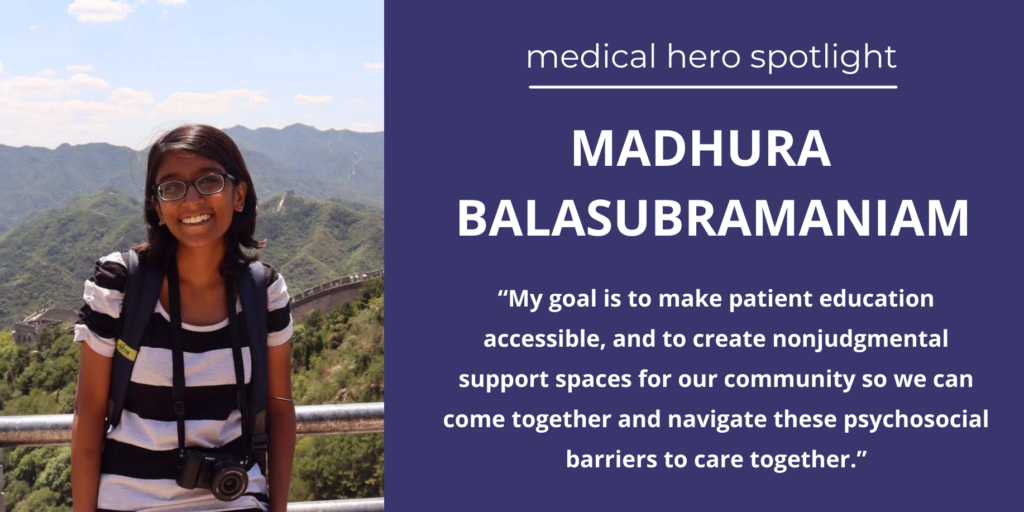
“My goal is to make patient education accessible, and to create nonjudgmental support spaces for our community so we can come together and navigate these psychosocial barriers to care together.”
Clinical Research & Advice for Advocacy

Although Madhura has not participated in a clinical trial herself, she believes they are incredibly important for the IBD community. “My current diagnosis and treatment are only possible because of the patients who came before me and participated in trials. I am deeply grateful for these IBD patients and the trials available in the IBD space because it makes me feel like I have resources and options in my toolkit,” she says.

When it comes to being a patient advocate, Madhura shares some of her own advice and lessons learned: “Two things that have helped me are employing empathy and active listening for other patients. It’s critical in advocacy that we understand another person’s perspective and value their experiences. There is diversity in experience even in patient communities. Be willing to constantly learn and grow from patients and providers. The more education you have, the more knowledge you can share with your community and the more gaps and unmet needs you can identify and work to solve.”

“I never set out to be an IBD patient advocate. I saw incredible courage from other patients, and they helped me find my voice. The work I do now is to help pay that experience forward.”

To search for medical conditions in a specific location, visit our Search Clinical Trials page.

To stay informed about clinical trials, visit our Resources page.

Sources:

https://ownyourcrohns.com/ibdesis/

https://www.southasianibd.org/

IBDesis Private Support Group: https://www.facebook.com/groups/ibdesis

IBDesis social media handles: @ibdesis


SAIA social media handles: @southasianIBD

The Importance of Diversity in Clinical Trials

Educational brochure about the importance of having diverse participants in clinical research studies.

Purchase Single/Quantity Brochures at our Store

Topics include:

  • What are clinical trials?
  • Who takes part in clinical trials?
  • Why should clinical trials have diverse participants?
  • What is being done to improve diversity in clinical trials?
  • Testimonials from patient advocates
  • How can you find more information?

About the brochure:

CISCRP is committed to providing clear, unbiased, and culturally appropriate educational materials to engage and inform communities that have not been well represented in clinical trials.

We developed this brochure together with members of Black, Asian, Hispanic and Latino communities, as well as subject matter experts who have experience working with these communities. This included receiving feedback from 500 members of the public with these ethnic and racial background, who were of different genders and socioeconomic backgrounds, through an anonymous survey.

They all helped make sure the topics, language, images, and design are appropriate and engaging. We also received feedback on how effective our brochure was for raising awareness about the importance of diversity in clinical research participants.

This process allowed us to confirm that we are addressing the key concerns and barriers that prevent better diversity, equity, and inclusion in clinical research. This brochure was also reviewed by an Institutional Review Board (IRB), which is also known as an independent ethics committee. The IRB review ensures the brochure follows ethical guidelines for providing information about clinical research to patients and the public.

Find more resources here: