Voices Yet to Be Heard: Including People with Disabilities in Clinical Research

By its very nature, clinical research must align with diversity, equity, and inclusion for it to be fair and representative. But the inclusion of people living with visible and invisible disabilities in clinical trials is often not the focus of the DEI discussion. Voices Yet to Be Heard: Including People with Disabilities in Clinical Research is a conversational webinar featuring a powerful panel of experts and advocates. Our panelists share their experiences participating in clinical research, accessibility challenges they have faced, and suggestions for systemic improvements.

Meet the Panelists
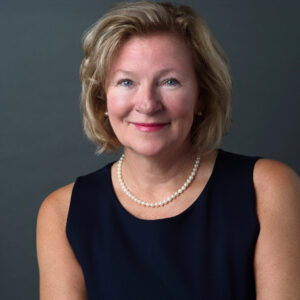
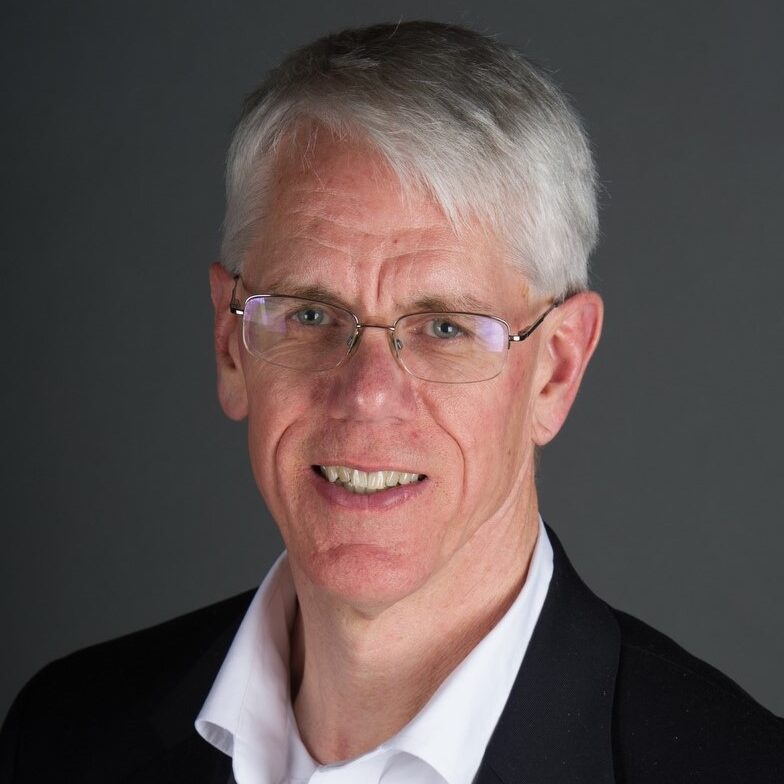
Pam Cusick | Moderator
Senior Vice President, Rare Patient Voice
Pam Cusick is an experienced research professional with more than 30 years of expertise in study design, implementation, and analysis. Her background in public health communications and research, coupled with her passion for patient advocacy, dovetail with Rare Patient Voice’s mission and vision. Pam hopes to expand Rare Patient Voice’s panels to include all patients and caregivers worldwide who want to share their opinions and impact their disease category. Pam earned a BA in Psychology from Sweet Briar College, and a MA in Psychology from the New School for Social Research. She is Past-President of the Board of Directors and Scientific Advisory Council Lead for the Horses and Humans Research Foundation. As Senior Vice President, Pam’s focus is on the continued growth and success of RPV, with an eye on client services, business development, and oversight of patient outreach, panel management, and marketing.
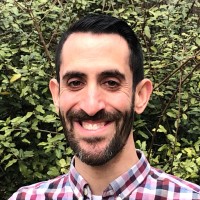
Richie Kahn | Panelist
Co-Founder & Principal at Canary Advisors
Richie is a health policy professional by training, clinical researcher by trade, and patient advocate by necessity. A rare disease patient and clinical trial participant himself, Richie is intensely passionate about better incorporating the patient perspective into the clinical development process. Through his work at Canary Advisors, he assists organizations set on patient-focused drug and device development by serving as an early-stage patient advocacy function; supporting regulatory patient advocacy; crafting patient-facing market access and reimbursement strategies; and providing clinical trial support services.
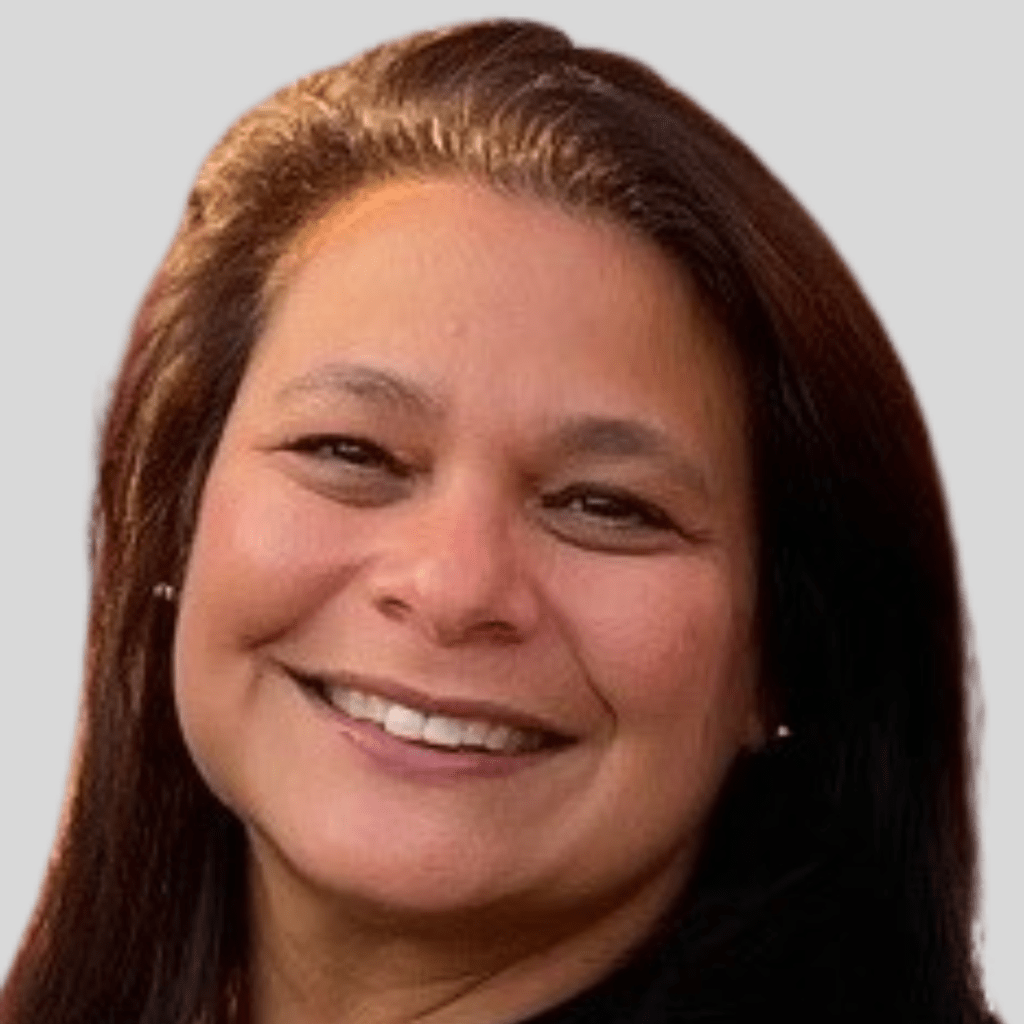
Sabina Kineen | Panelist
Rare Disease Patient, Caregiver, and Advocate

Sabina Kineen is a rare disease patient, caregiver, and advocate with a deep passion for health equity, mental health, and patient engagement. Diagnosed with Fabry Disease in her teens, Sabina has spent numerous years advocating for the rare disease community. She is a vocal advocate for mental health, recognizing the critical importance of addressing the psychological impact of living with a rare disease. Sabina is also a strong proponent of health equity and strives to ensure that every patient has access to the care, including clinical trials, they need and deserve.

Sabina’s twelve years of experience as a clinical trial participant gives her a unique perspective and she believes in the power of patient engagement. She recognizes that patients are experts in their own experiences and should have a seat at the table in decisions that affect their care and drug development. 

Sabina has spoken at numerous conferences, served on Patient Advisory boards, serves as a Fabry Champion and Community Ambassador, sharing her story as a patient and caregiver and advocating for the needs of the rare disease community. Through her advocacy work, Sabina aims to raise awareness, promote understanding, and create meaningful change for rare disease patients and their families.
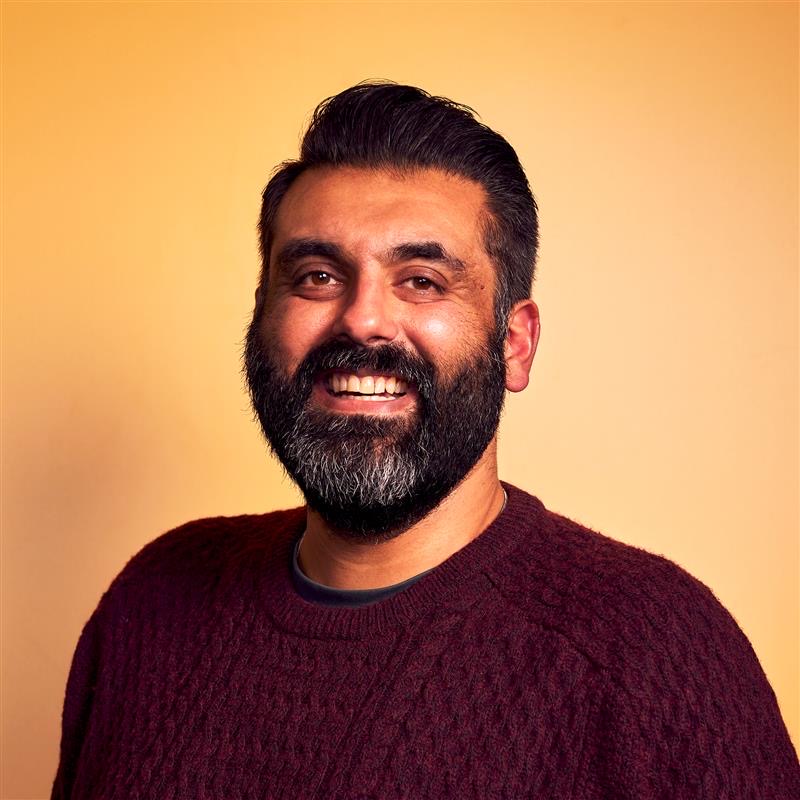
Ash Rishi | Panelist
Founder and Chair of the Board of Trustees, Demand Diversity 

Ash Rishi is a health equity advocate and a leader in patient and community engagement and has been working to improve strategies globally while founding and running the creative health engagement agency, COUCH Health.

Building on his personal ambitions, Ash founded Demand Diversity, initially as a campaign for change, to raise awareness around representation of patients in clinical research. The work Demand Diversity has done over the past few years has led to Ash setting up Demand Diversity as a non-profit initiative to educate and raise awareness of clinical research within under-served populations – with particular focus on improving trust.

Ash’s overall ambition is to make research more equitable, so all communities benefit from the advancement from medicine.

Medical Hero Spotlight: Ella Balasa, Cystic Fibrosis Advocate & Patient Engagement Consultant

Growing Up with Cystic Fibrosis

Ella Balasa was diagnosed with cystic fibrosis (CF) at only 18 months old, after suffering from constant sinus infections, upper respiratory infections, and a bout of pneumonia. One of three siblings, Ella jokes she won the ‘genetic lottery’, since she is the only one with CF in her family. Despite this, Ella had a relatively normal childhood.

“I spent a lot of time in the hospital being treated for lung infections when I was growing up,” Ella recalls. “My daily treatments and medical care made me feel different from the other kids my age, which was difficult.” Cystic fibrosis affects not only the lungs, but also the pancreas’s production of enzymes, which are needed for digestion. While in school, Ella would visit the nurse’s office daily before lunch to take her enzyme pills before eating.

In college, Ella chose to study biology and ended up working in a laboratory after graduation.

“It was in this role that I first realized my own experiences as a patient could help bridge the gap between research and patient communities,” Ella says.

At the time, her team was studying antibiotic resistance, something Ella had personally dealt with in her own medical journey. “I’ve had to use antibiotics frequently to treat lung infections, which over time means that my body has developed a resistance to them. There have been points in my life where treatments wouldn’t work for me because of this. It was interesting having this connection between my own life and the research we were working on,” Ella recalls.

Amplifying the Patient Voice in Research

Inspired by this connection, Ella started volunteering with the Cystic Fibrosis Foundation and joined several advisory committees. She was able to use her degree and experience to review study protocols and provide input about what the priorities and needs of patients are when developing new research studies.


It was through this early work with the Cystic Fibrosis Foundation and other groups that Ella began developing a more professional patient voice. Her connections led her to start working with larger industry groups to help develop patient-friendly communications about upcoming clinical trials and new treatments. Since 2020, Ella has committed herself to working full-time as a patient engagement consultant.

“My goal is to lend the patient voice into developing better treatments and services,” Ella says.

Since then, Ella has grown her industry connections by speaking on panels, at conferences, and by attending other events. She began branching beyond CF consultation, ensuring the patient perspective is represented within research for other rare diseases. Now, Ella works with industry professionals to identify and meet the needs of many different patient communities.

Phage Therapy & Clinical Research

Around the time she began getting involved in advocacy, Ella was invited to be a part of a documentary about CF where she met another patient who was receiving an experimental treatment called Phage therapy. “This was an alternative to the antibiotics I had become resistant to, so I was very interested in trying it,” Ella recalls. The next day, she contacted the research team at Yale directly and was approved to begin the medication.


The treatment was incredibly successful for Ella, which inspired her to write an article for Huffington Post about her personal experience with CF, antibiotic resistance, and seeking alternative treatments. “I was really excited to bring more exposure to the topic of antibiotic resistance because it is common for people with chronic conditions and isn’t talked about often,” Ella says.


Since her treatment in 2019, there has been a lot of advancement in the field of PHAGE therapy, with clinical trials now available and more research being explored.

Ella is a proponent of clinical trials, explaining, “The best way to bring new treatments to communities is by participating in the necessary research. As a patient, it’s a commitment that needs to be decided carefully, but if you do choose to participate, you become a piece of the larger puzzle that leads to new medications, therapies, and even cures. Patients can and should be involved in the decision-making process and outcomes of new treatments.”

Unfortunately, Ella is not eligible for most CF clinical trials because her lung function is below 40%, one of the most common general exclusion criteria used in research. “I believe it’s important to develop adaptive trial endpoints and protocol designs to make clinical research more inclusive to a broader population of patients,” Ella says. “Everyone wants new treatments, but the eligibility criteria often exclude the patients who need new treatments the most.”

Connecting Patients & Industry
“Empathy must be the root of all healthcare interactions. For there to be meaningful communication between larger pharmaceutical companies and the patients they are serving, there needs to be a desire to understand the needs of patients and the barriers they may be facing in their daily lives. Real patient care happens along the way, when industry provides support and interest in patients outside of their experiences taking a new medication,” Ella says.

A large part of Ella’s role as a patient engagement consultant is making sure patients are brought into the conversation early on, beginning with trial protocol development, all the way to the post-study dissemination of information.

“I view healthcare as a loop. As patients, we are one group that contributes to improving healthcare, but it can’t be done without the physicians and researchers, and industry organizations. They are our partners in advancing treatments,” Ella shares.
Advice For Aspiring Advocates

One of the most rewarding parts of Ella’s work has been the relationships she has been able to foster with other advocates. “I’ve seen the work that others are doing, and it inspires me to get even more involved,” Ella says. “The drive and passion that stems from all these individuals is amazing.”


If you’re interested in getting more involved within a patient community or becoming an advocate, Ella advises to start by sharing your story. “When you’re not afraid to share your story and ask questions, doors will open for you. Don’t be afraid to reach out and make those connections. I’ve reached out online to many organizations to share my ideas and volunteer for opportunities, and I’m so glad that I have.”

Additional Resources:

www.cff.org

To search for medical conditions in a specific location, visit our Search Clinical Trials page.

To stay informed about clinical trials, visit our Resources page.

For volunteer opportunities with CISCRP, visit our Volunteer page.

Written by Lindsey Elliott, Marketing & Communications Manager, CISCRP | lelliott@ciscrp.org

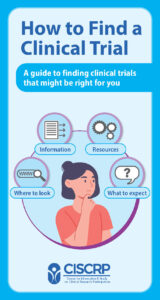
How to Find a Clinical Trial

If you or someone you know is considering taking part in a clinical trial, this brochure is for you. It is intended to help you understand how to find clinical trials that are a good fit for you. We developed this brochure together with subject matter experts, patient advocates, and members of the public, to make sure the topics, language, images, and design are appropriate and engaging.

This brochure was also reviewed by an Institutional Review Board (IRB), which is also known as an independent ethics committee. The IRB review ensures the brochure follows ethical guidelines for providing information about clinical research to patients and the public. The alternative text and accessibility features in this brochure were added after IRB review.

Topics Include:

  • What Clinical Trials are
  • How to Start Looking for Clinical Trials
  • Where to Look for Clinical Trials
  • What to Expect When Contacting Trial Staff

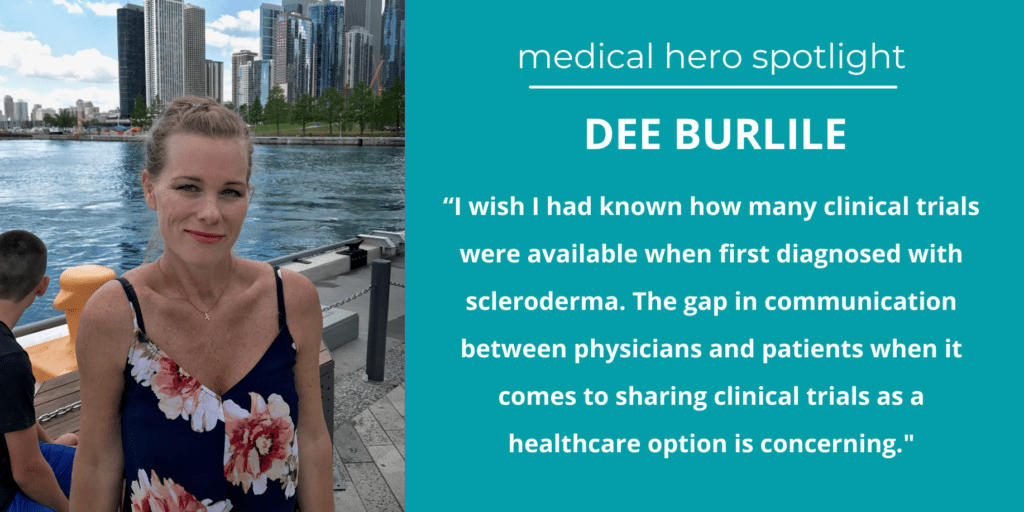
Medical Hero Spotlight: Dee Burlile, Scleroderma Clinical Trial Participant & Patient Advocate

Living with Scleroderma

For years, Dee Burlile struggled with various GI symptoms, joint issues, and sensitivity to cold and heat in her hands, unsure of what the cause could be. A busy mother of three young children, Dee’s health took a dramatic decline the day before Thanksgiving in 2011 when her youngest child found her having a seizure in their home and called 911. Her children’s quick thinking saved Dee from cardiac arrest, and she was stabilized in the hospital where she remained for treatment.

“I was incredibly sick, losing about 40 pounds in two months,” Dee recalls.

After leaving the hospital, Dee needed at-home nursing care to help manage her declining health. Living in Idaho with her family, Dee struggled to find a specialist who could diagnose her condition, eventually going out of state for her healthcare. In 2016, Dee made a trip to the Mayo Clinic in Minnesota where she was finally diagnosed with systemic sclerosis. Systemic sclerosis or “Scleroderma” is a chronic and often progressive autoimmune disease that affects connective tissue and can cause serious damage to internal organs including the lungs, heart, kidneys, esophagus, and gastrointestinal tract.

The symptoms of scleroderma can vary from person to person. For many, scleroderma causes noticeable tightening of the skin. Unfortunately, Dee’s scleroderma was causing significant damage internally to her organs. Since the beginning of her medical journey, Dee has undergone 21 surgeries, including bilateral rib removals, and four organs removed, including a colectomy to remove her colon. While some of her regular treatments have been in Idaho, Dee has had to travel for most of her surgeries and specialized scleroderma medical care, incurring financial costs.

“It’s been quite the journey not just for me, but for my entire family,” Dee says. “As a mother, there is a feeling of guilt that I can’t shield my kids from the reality of my illness. When someone in a family, especially a parent, is struggling with a disease, it can take a toll on the mental health of everyone, especially kids. They’ve seen me struggle with insurance company denials, delays in medication, and that ultimately affects all of us.”

Dee’s husband is a veteran living with his own disability. The couple work to fill in gaps for each other as best as they can, but Dee admits that the constant work needed to maintain their health, financials, and keep up with other responsibilities can be daunting at times.

Advocacy Work & Clinical Trial Participation

Since her diagnosis, Dee has connected with dozens of other patients living with scleroderma. In 2016, Dee attended her first patient education conference, where the experience sparked her interest in pursuing advocacy full-time.

“Sometimes I feel resentful for my disease because it keeps me from working. I graduated with full honors and worked as a victim witness advocate. Not being able to do that feels like a waste, and so if increasing awareness and being an advocate for scleroderma is what I can do, I will,” Dee says.

Over the years, Dee has participated in advocacy training, and gotten involved with groups like the National Scleroderma Foundation, Idaho Arthritis Walk, Arthritis Foundation, Trevor’s Trek Foundation, and Patients Rising. She has participated for several years in Advocacy Awareness Day on Capitol Hill to raise awareness with elected officials regarding health insurance, chronic illness, and scleroderma. Dee has also participated in clinical research which she believes is critical for finding medical advancements for scleroderma. In the past, she has been in several studies aimed at combatting fatigue, ILD (Interstitial Lung Disease), and other symptoms of scleroderma and has also submitted genetic data for testing. Currently, Dee is in a trial for a new medication that is going very well for her.

Despite her success with clinical research, Dee notes that over the years, only two of her doctors in the state of Idaho have shared information about clinical trials. Other research to find trials was done by Dee independently, which she explains can be difficult and overwhelming for a patient.

“I wish I had known how many clinical trials were available. I think there is a major gap in communication between physicians and patients when it comes to sharing clinical trials as a healthcare option, and it’s concerning,” Dee reflects.

Dee’s advice to someone interested in clinical research is to weigh the risks and benefits, fully understand what you are committing to, and participate only if it makes the most sense for you.

Waiting Room Entertainment

Through her advocacy work, Dee met Amy Gietzen and Demi Montgomery, other women living with scleroderma who are passionate advocates and want to make a difference in their patient community. Since then, they’ve gone on to work on various projects together, including the creation of The Waiting Room Entertainment. “We’d like to bring resources and knowledge to scleroderma patients and other patients living with chronic conditions who are trying to find out more about clinical trials, or just need a community to support them. We’ve created a social club where patients can meet and connect,” Dee explains.

Looking Ahead

Although living with scleroderma has been difficult, Dee feels incredibly lucky to have the support of her family and friends. Her community and her new connections made through advocacy work have helped lighten the burden of living with her disease and given her hope for a future with new medical advancements. “I try to be positive with my kids about my disease and my differences physically like my ostomy bag,” Dee says. “After my surgery, my daughter who wanted to understand what I was going through, made her own ostomy bag and wore it for a day. I was floored by her empathy and thoughtfulness.”

Additional Resources:

https://www.youtube.com/@thewaitingroomentertainment
https://scleroderma.org/
https://idahoarthritiswalk.com
https://arthritisfoundation.org
https://www.patientsrising.org/
https://trevorstrek.org
To search for medical conditions in a specific location, visit our Search Clinical Trials page.

To stay informed about clinical trials, visit our Resources page.

For volunteer opportunities with CISCRP, visit our Volunteer page.

Written by Lindsey Elliott, Marketing & Communications Manager, CISCRP | lelliott@ciscrp.org

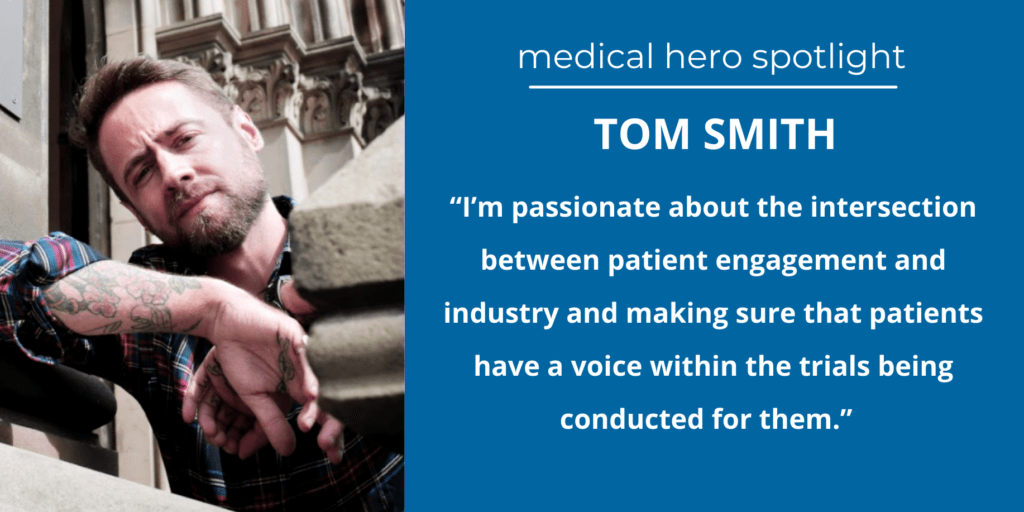
Medical Hero Spotlight: Tom Smith, Rare Disease Advocate & Patient Engagement Consultant

Living With Cystic Fibrosis

Tom Smith has never known a life without cystic fibrosis (CF), but it has not limited him or the work he does as an advocate for rare diseases. Although cystic fibrosis is a rare disease, it is one of the more common rare diseases in the UK, affecting about 1 in every 2,500 babies. Diagnosed at only six weeks old after experiencing severe breathing difficulties, Tom says that he was lucky doctors were able to identify his disease so early on so he could begin treatment.

“This was in the 1980s, when cystic fibrosis was a death sentence. The average life expectancy was only about 35 years. Things are very different today! I’m 35 years old now and expect to live a lot longer,” Tom says.

For Tom, childhood was relatively normal, and he recalls only a few instances of being hospitalized. “Until I was around 15 or 16, I felt the same as everyone else. As a teenager I became more self-conscious and wanted to fit in with my friends. I didn’t want there to be anything different about me,” Tom recalls.

Tom began putting off his daily treatments, which led to a decline in his health and more frequent visits to the hospital to stabilize his condition. Although with time, Tom’s health improved and he began prioritizing his treatments again, he still struggled with the emotional toll that can come with having CF. “Cystic fibrosis isn’t outwardly visible on most people. It was the secret that everyone knew about me, but that I never talked about. I felt like an intimate part of my identity was always being exposed,” Tom says.

Innovations in the CF Community

Over the years, the cystic fibrosis community has built up patient registries and multiple advocacy groups that have led to major advancements in treatment. “In the last 10 years, new disease modifying treatments have come on the market, including one that I have been taking because it aligns with my specific mutation of the disease,” Tom says. “It’s been incredible for me.”

For the first 2.5 years of his relationship with his wife, Tom’s morning treatments and physiotherapy appointments prevented the couple from spending a full day together. Thanks to his new medication, Tom hasn’t had to go to a physio appointment in two years and has much more energy.

“What is difficult in the CF community is that these medications don’t work for everyone. The drug I take works for most mutations but not all,” Tom explains. “There are large groups of people that are excluded and who are watching others with their disease have life-changing transformative experiences that they can’t join in on.”

In the past, Tom has applied to participate in a clinical trial, but was ineligible based on the criteria. However, he remains a major proponent of clinical research, an industry he has become very involved with, especially concerning patient engagement.

Working as a Patient Engagement Consultant

Beyond his own experience of living with a rare disease, Tom has spent much of his professional career exploring the role patients play in shaping clinical research and advancements in treatments. “Many are surprised to know that I don’t do most of my advocacy work with CF groups,” Tom says. “For my personal journey into this space, I’ve felt that only speaking and working on projects for CF is limiting in terms of my goals.”

In his early twenties, while trying to connect more with his disease, Tom found a group called Genetic Alliance Uwho advocate for many rare diseases. They were looking for people to help them create materials about genomic medicine, which Tom was interested in. “That was my first experience writing plain language materials for patients before people really knew what it was.”

From there, Tom’s connections in the world of patient engagement grew exponentially. He attended a patient’s forum training session in Vienna where he was introduced to a member of The European Health Parliament. Tom applied and joined as a committee member, where he now works to shape policies that benefit patient communities.

Since then, Tom has picked up a variety of other projects, including working as a research ethics committee member for the Health Research Authority, serving as a faculty member at the European Forum of Good Clinical Practice, and working as a consultant for sponsors, medical communications companies, and regulators.

Within the clinical trials industry, informed consent and plain language are two areas where Tom enjoys taking on projects.

“Patients still receive documents that are 8,000 words long and full of complex medical information. They have to consent to move forward with treatment, even if the average person usually can’t fully understand what the materials say. That’s why I’m passionate about the intersection between patient engagement and industry and making sure that patients have a voice within the trials being conducted for them,” Tom says.
Encouraging Advocacy

Tom describes himself as someone who is always itching for a new challenge professionally, and he encourages other people living with chronic conditions or rare diseases to consider advocacy. Tom sees patient engagement as an “ocean beneath our feet”, with the potential to bring forth new treatments quicker, save pharmaceutical companies money, and empower patient advocates to be compensated for their work.

“We’re in the shadow of hundreds of years where doctors have controlled the outcomes for patients, when so much more could be accomplished if it were more of a partnership,” Tom explains. In his own experience, Tom has noticed that many patients settle when it comes to advocacy work because they are just excited to be involved. “If you begin advocating for yourself and your community, you can change your life! Make sure you’re being fairly compensated for your time and effort.”

All patients in a disease community are important and bring unique value. For meaningful advancements to be made, all voices need to be engaged. Tom advises patients who might be interested in getting involved in advocacy to find what interests them and start there.
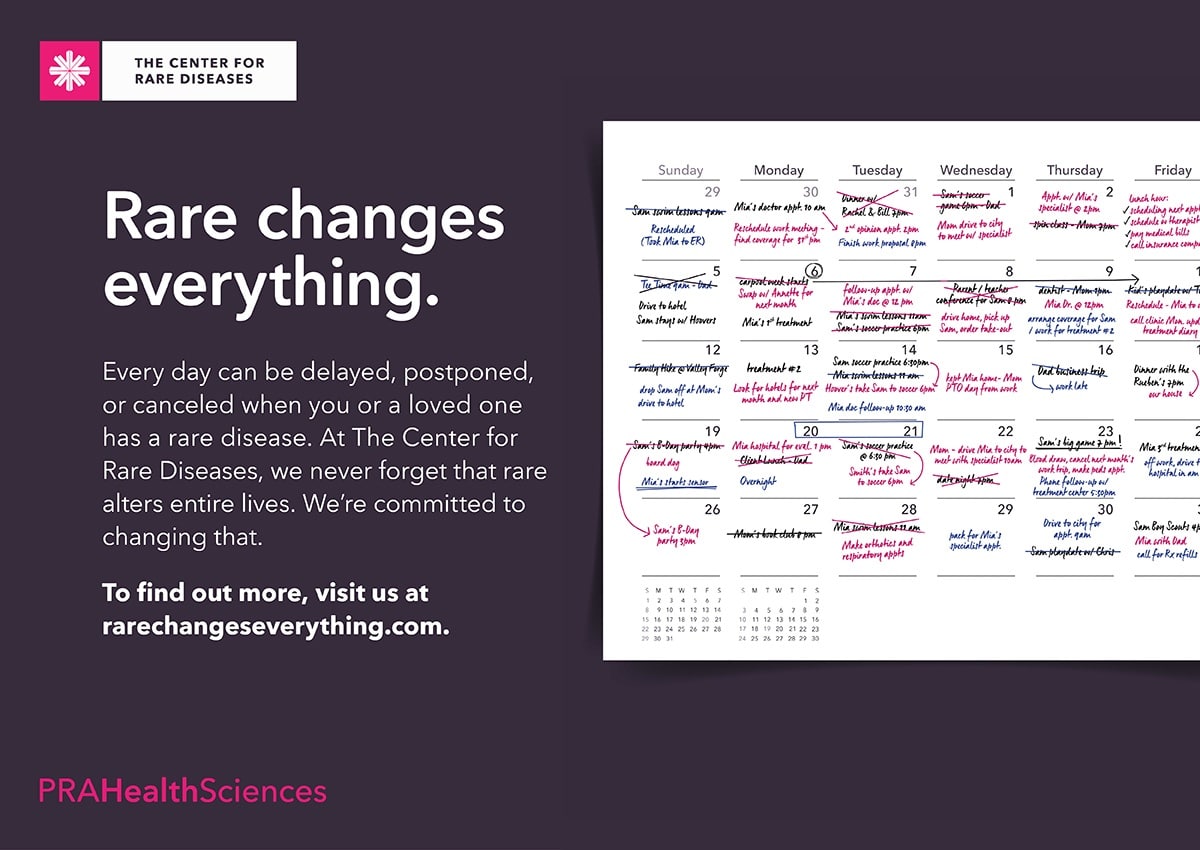
You don’t have to fit into any box as an advocate. If you’re not sure where you belong or where to start, just do what you enjoy.”

Additional Resources:
https://www.cff.org/
https://geneticalliance.org.uk/ 

https://www.hra.nhs.uk/

To search for medical conditions in a specific location, visit our Search Clinical Trials page.

To stay informed about clinical trials, visit our Resources page.

For volunteer opportunities with CISCRP, visit our Volunteer page.

Written by Lindsey Elliott, Marketing & Communications Manager, CISCRP | lelliott@ciscrp.org

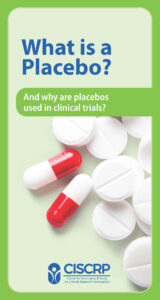
What is a Placebo?

If you or someone you know is considering taking part in a clinical trial, this brochure is for you. It is intended to help you understand what placebos are, and why they are used in clinical trials. We developed this brochure together with subject matter experts, patient advocates, and members of the public, to make sure the topics, language, images, and design are appropriate and engaging.

This brochure was also reviewed by an Institutional Review Board (IRB), which is also known as an independent ethics committee. The IRB review ensures the brochure follows ethical guidelines for providing information about clinical research to patients and the public. The alternative text and accessibility features in this brochure were added after IRB review.

Topics Include:

  • What is a Placebo?
  • Why are Placebos Used in Clinical Trials?
  • How Placebos are Used in Clinical Trials
  • Will Participants Receive a Placebo
  • Are Participants Told if They Receive a Placebo

The Importance of Diversity in Clinical Trials – Video

To develop therapies and treatments for everyone, it is important that clinical trial participants come from diverse backgrounds and identities. In this video, subject matter experts, inclusive of people who have participated in trials, explain why diversity is important in clinical trials and what is being done to improve representation. In addition, the past participants share their personal trial stories and highlight potential benefits for their communities.

This video was developed with feedback from subject matter experts, patients, and community advocates involved in diversifying clinical research. They all helped to make sure the topics, language, images, and design of this video is appropriate, educational, and engaging for audiences.    

This video was also reviewed by an Institutional Review Board (IRB), which is also known as an independent ethics committee. The IRB review ensures the video follows ethical guidelines for providing information about clinical research to patients and the public.

Watch Spanish version here.

In Collaboration With:

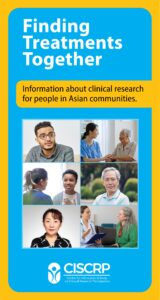
Clinical Research for People in Asian Communities

CISCRP is committed to providing clear, unbiased, and culturally appropriate educational materials to engage and inform communities that have not been well represented in clinical trials.

We developed this brochure together with members of Asian communities, as well as subject matter experts who have experience working with these communities. This included receiving feedback from 500 members of the Asian community through an anonymous survey.

They all helped make sure the topics, language, images, and design are appropriate and engaging. We also received feedback on how effective our brochure was for raising awareness about the importance of Asian participation in clinical research.

This process allowed us to confirm that we are addressing the key concerns and barriers that prevent better diversity, equity, and inclusion in clinical research. This brochure was also reviewed by an Institutional Review Board (IRB), which is also known as an independent ethics committee. The IRB review ensures the brochure follows ethical guidelines for providing information about clinical research to patients and the public. The alternative text and accessibility features in this brochure were added after IRB review.

Topics include:

  • Why are Clinical Trials Important?
  • The Need for Diverse Participants in Clinical Trials
  • Why Asian Communities Have Not Been Represented in Clinical Trials?
  • How Asian Participants are Protected
  • Things to Consider Before Volunteering
  • Different Ways to Get Involved

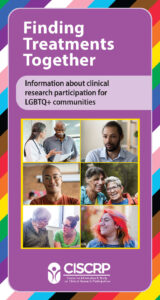
Clinical Research Participation for LGBTQ+ Communities

CISCRP is committed to providing clear, unbiased, and culturally appropriate educational materials to engage and inform communities that have not been well represented in clinical trials.

Purchase Single/Quantity Brochures at our Store

We developed this brochure together with members of the LGBTQ+ community, as well as subject matter experts who have experience working with these communities. This included receiving feedback from 500 members of the LGBTQ+ community through an anonymous survey.

They all helped make sure the topics, language, images, and design are appropriate and engaging. We also received feedback on how effective our brochure was for raising awareness about the importance of LGBTQ+ participation in clinical research.

This process allowed us to confirm that we are addressing the key concerns and barriers that prevent better diversity, equity, and inclusion in clinical research. This brochure was also reviewed by an Institutional Review Board (IRB), which is also known as an independent ethics committee. The IRB review ensures the brochure follows ethical guidelines for providing information about clinical research to patients and the public. The alternative text and accessibility features in this brochure were added after IRB review.

Topics include:

  • Why are Clinical Trials Important?
  • Why LGBTQ+ Volunteers are Needed
  • How LGBTQ+ Participants are Protected
  • Things to Consider Before Volunteering
  • Questions to Ask Before Participating in a Clinical Research Project
  • Learn More About Clinical Research

Medical Hero Spotlight: Katie Doble & Her Caregivers: Facing Ocular Melanoma

katie doble medical hero spotlight
Diagnosed with Ocular Melanoma

In 2013, Katie Doble visited her ophthalmologist after experiencing vision issues in her left eye. She was immediately referred to a retina specialist who diagnosed her with ocular melanoma. Thankfully, a full body scan revealed the cancer was nowhere else in her body. Katie underwent a week of radiation plaque therapy to treat the tumor inside her eyeball, which resulted in permanent loss of vision in that eye. During treatment, her doctors biopsied her cells and categorized her cancer as stage 1A, meaning she had less than a 2% chance of metastases. Still, it was recommended she have biannual liver ultrasounds and chest x-rays in case her cancer spread.

Two days before Thanksgiving the following year, at 32 years old, Katie’s ultrasound showed multiple tumors in her liver.

“On Thanksgiving morning, my dad flew to Denver so he could be with me the following day at the liver biopsy that would confirm my diagnosis. Nick, my boyfriend at the time, had been planning to propose to me that day and was warned by family members he might want to hold off because of my diagnosis,” Katie recalls. “I found out later that he told them my cancer changed nothing; I was still the girl he wanted to marry and support. I won the husband lottery.”

On Thanksgiving Day, Nick and Katie got engaged. The following day, a biopsy of her liver confirmed Katie’s ocular melanoma had metastasized. “This would have been a difficult diagnosis for anyone, but the news hit my family particularly hard because my mom passed away from pancreatic cancer when I was 15,” Katie says.

Starting Treatment: Clinical Trials

The oncologist who diagnosed Katie advised against clinical trials claiming they would be very expensive. The one treatment option available by the FDA would have bought Katie 16 months of life. 

“After meeting with that oncologist, my dad got on the phone with doctors across the country, looking for specialists,” Katie says. Her father, Dr. Jim Ortman, presented Katie’s case to the tumor board at his hospital and was referred by a doctor to Memorial Sloan Kettering Cancer Center in NYC, where a couple of clinical trials for ocular melanoma were taking place. In early 2015, Katie enrolled in her first clinical trial in New York for a medication called trametinib.

During her treatment, Katie’s family developed a schedule where they made sure someone was always with her for scans or appointments. “It was important to figure out how to support me without overburdening one member of the family,” Katie says. When able, Katie’s siblings attended appointments, as well as Nick and Dr. Ortman. In the five weeks she was required to stay in New York for treatment, she had nine visitors.

Six months after starting treatment, scans revealed growth and Katie was moved to the second arm of the trial, adding another drug. Additional growth in the following scan two months later eliminated Katie from the trial completely. However, the Doble family wasn’t discouraged.

“In 2014, I went from no tumors to 12 tumors in the span of six months. Taking trametinib didn’t shrink my tumors, but it did buy us more time,” Katie notes.

With cancer, it’s important as a patient and caregiver to develop a plan with your doctors for the next steps should your current treatment not be effective. While Katie was in New York, Dr. Ortman was working behind-the-scenes with her doctors to understand treatment options going forward.

After her first clinical trial, Katie was excited to get a break in treatment and worked to regain some of the 30 pounds she had lost. Shortly after returning to Denver, she enrolled in a second study at UCHealth in Colorado but was quickly removed from the trial when the side effects were too intense. It was determined the doctors would perform a targeted radioembolization on half of her liver, leaving the other half untreated as a baseline so they could see how future systemic treatments were working. A third clinical trial, also at UCHealth, was short-lived and the other half of Katie’s liver was embolized. The embolization stabilized Katie’s liver for 3.5 years.

In 2018, Katie’s treatment journey continued when she presented with stroke-like symptoms. Although never confirmed by biopsy, her doctors suspected a brain tumor. Katie underwent a Gamma Knife procedure, which was successful. Then, in 2020, Katie experienced a major recurrence with tumors in her liver.

Katie’s doctors recommended she start TIL therapy at UPMC in Pittsburgh. Although TIL therapy is seen by many as a relatively new treatment, it has been developed and improved over the last several decades. In fact, Dr. Ortman recalls that his late wife was slated to start what he believed to be an early version of TIL therapy before she passed away. Nearly 25 years later, the same treatment would save Katie’s life.

“For me, TIL therapy was incredibly effective. Within a year, nearly all my tumors had disappeared or shrunk besides one, which we jokingly named Uncle Fester as my doctor referred to it as the ‘festering problem,’” Katie recalls. In 2021, Katie had major surgery to remove ½ of her liver, including ‘Uncle Fester’. Upon waking, she was told she had No Evidence of Disease (NED).

Dr. Jim Ortman, Physician & Caregiver

Since the beginning, Katie’s father, Dr. Jim Ortman, and her husband, Nick Doble, have provided unique but equally important support. As an Internist, Dr. Ortman helped research treatment options and navigate the healthcare system. As her partner, Nick provided the emotional support and the day-to-day caregiving Katie needed during treatments.

“When Katie had her liver biopsy in Colorado, the pathologist and I looked at the black tissue and I could immediately tell it was melanoma; it was devastating,” Dr. Ortman recalls.

From her initial diagnosis, Katie’s father was doing extensive research to find the best specialists and treatment options for Katie. He advocated for her to begin participating in clinical trials and helped relay any symptoms or questions she had to her care team.

As Katie and her father navigated Western medicine for ocular melanoma together, Katie’s decision to seek out complementary treatments alongside the standard medications became a point of discussion between the two.

“I started seeing a nutritionist and taking supplements and my dad was skeptical of this type of medicine,” Katie remembers. Eventually, Dr. Ortman accompanied Katie to an appointment and the two had a positive conversation about the importance of nutrition when battling cancer. “As a cancer patient, you lose control over much of your life. My nutritionist really helped improve my relationship with food during this time. From experience, I know that chemotherapy hurts. Even if the supplements weren’t helping, they ultimately weren’t hurting me and gave me back some control over my life,” Katie says.

Nick Doble, Husband & Caregiver
Nick Doble had known of Katie’s cancer since they met in 2013. “When it metastasized to her liver, there was never a thought that we should reconsider our relationship,” Nick says. “All I knew was that I wanted to be with her and support her throughout her treatment.”

Nick admits to experiencing a learning curve when it came to understanding Katie’s diagnosis and treatment options, something most loved ones feel early on when emotions are high, and they are receiving an influx of new information. Growing up in the UK, Nick notes that he was much less familiar with clinical research and how to find a trial. “I was so grateful to Jim for the research he was doing and the knowledge he already has as someone in the medical field,” Nick remembers.

As her spouse and caregiver, Nick tried to keep Katie positive during her treatments and provide what she needed most on any given day, whether that was listening, giving her space, or providing a distraction (like the time he caved when she pulled the cancer card to get a dog). During TIL therapy, Katie and Nick branded themselves “the increDOBLES.”

“There were a lot of difficult discussions Nick and I were having that couples our age don’t have to think about, including end of life care and wills,” Katie says. Katie chose to appoint both Nick and Dr. Ortman as her power of attorney so the burden would not fall on one person alone.

As a caregiver, Nick advises others in positions like his to make sure to balance your own wellness and mental health to support your loved one. “For me, exercise has been a great outlet and form of self-care,” Nick says. “It’s so important to find support whether that’s by therapy or talking to others.”

Advocacy Work & Advice

Katie was a recipient of the 2017 Courage Award at the Melanoma Research Foundation’s Wings of Hope Gala where she had her first public speaking engagement discussing her cancer. The experience motivated Katie to share her story and begin participating in other advocacy projects. Dr. Ortman and Katie shared the father/daughter – doctor/patient perspective at the Colorado Cancer Coalition in 2019. In 2021, Katie received the Outliving It Award from First Descents, a non-profit that provides the healing power of adventures to young adults and caregivers facing cancer and MS.

“I know my cancer journey is a story of hope, which I’m grateful for, but it also comes with a lot of wisdom and knowledge I can share with others because of my dad,” Katie says. “Without him and Nick, I wouldn’t be here today.”

When it comes to sharing advice about getting involved in clinical trials and navigating treatment, Katie and Dr. Ortman have a wealth of information from their experiences.

“I believe in the importance of getting a second opinion and always having a Plan B when it comes to treatment,” Katie shares. “There is no room for ego from doctors when a patient is fighting for their life, it’s not personal. If it weren’t for the second opinion I got, I wouldn’t be here today.”

Dr. Ortman advises patients who may be interested in joining a clinical trial to speak with their care team or oncologist to see if they are eligible or if they have any recommendations.

Additional Resources:

https://www.ocularmelanoma.org/basics-of-om
https://futurehappyself.com/
https://melanoma.org/
https://clinicaltrials.gov/

To search for medical conditions in a specific location, visit our Search Clinical Trials page.

To stay informed about clinical trials, visit our Resources page.

For volunteer opportunities with CISCRP, visit our Volunteer page.

Written by Lindsey Elliott, Marketing & Communications Manager, CISCRP | lelliott@ciscrp.org