Written by: Scott Finger

Everyone learns differently. Though as time and technology move forward, more people are getting their information through interactive formats like video. With the rapid integration of patient engagement in clinical research, the formats the research community uses are also shifting. While printed documents remain a regulatory imperative, videos are more patient-centric and engaging, especially for younger audiences. Also, with the pandemic pushing more trial conduct towards remote models, more trial participants are interacting with clinical researchers through a computer or mobile device. The need for video-based educational tools, especially about trial participation and eConsent, is more important now than ever.
According to CISCRP’s 2021 Perceptions and Insights Study, 13% of survey respondents would be interested in getting results of their clinical trial through video, which is nearly double the number of respondents who expressed this from 2019 (7%). Also from the 2021 study, 74% of respondents said that they would be willing to participate in a trial that was completely remote, which includes video conferencing from home.
In addition to the content itself, a key aspect of health literacy is actually reaching your audience. To do so, you need to consider how to best get out your message in a way that works for as much of the audience as possible. Usually, that means communicating your content in a few different formats for different learning preferences.
Through our research, we’ve identified a need for more videos when it comes to clinical research education, especially accessible videos that explain clinical research in a simple way. So, CISCRP has dedicated time and resources and partnered with sponsors and health professionals to create such videos. You can find a complete library of our videos on our website or on our YouTube page, but here are some examples:
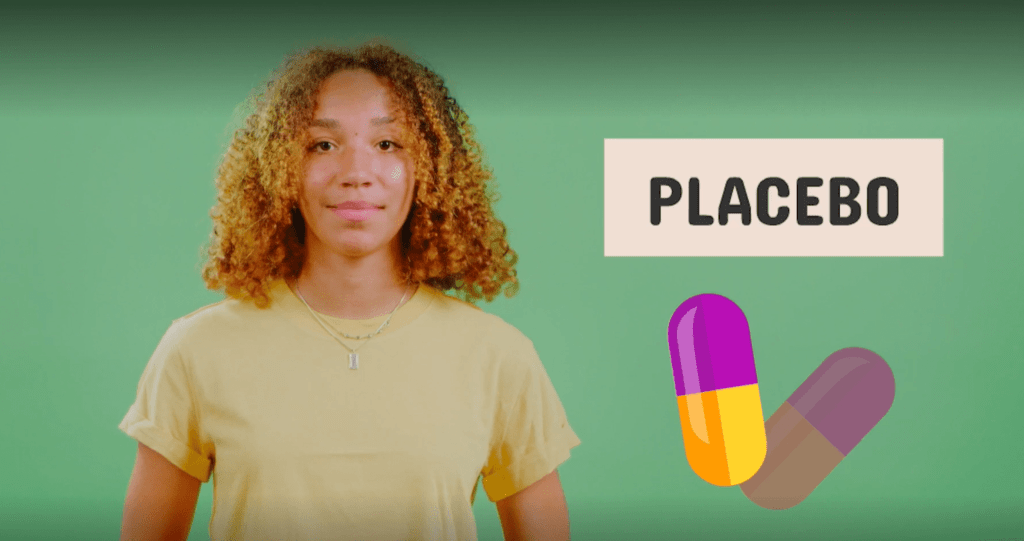
- We collaborated with Otsuka to create a 4-part series explaining clinical trials to children and teenagers.
- We also worked with Otsuka to develop videos about informed consent and eConsent.
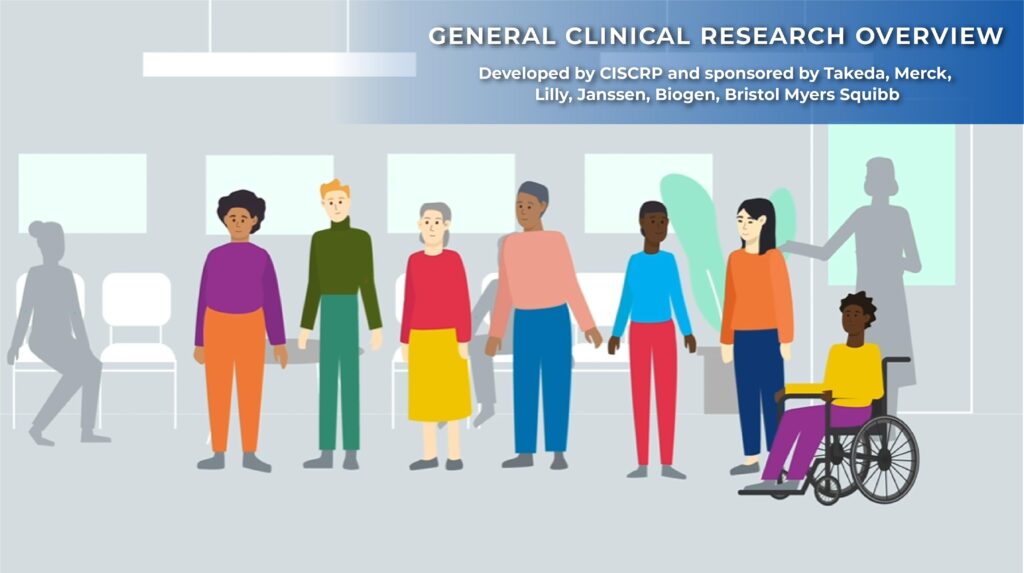
- With the help of several sponsors, we were able to create an animated video explaining the basics of clinical research.
- CISCRP collaborated with Sanofi and Langland to show what the world would look like without clinical trial volunteers.
Based on our experiences and expertise in health literacy in clinical research, we have developed a list of best practices for video creation. We would like to share some tips to help researchers, advocates, and anyone else looking to develop videos for patients, trial participants, or the public.
Planning your video
You’ll first need to consider: What do you want to say? You may have a clear message and an idea of how that should be communicated, but creating a video fit for clinical research education won’t be as simple as clicking the big red “record” button and adding a filter.
Always keep in mind that the video isn’t about you—it’s about the audience. So, every video creator must consider the best way to reach their target audience. Some factors include:
- Style—should your video be flashy and attention-grabbing, or should it focus on laying out information as cleanly as possible?
- Format—is your video going to be animated, performed by live actors, or both? Or, is your video going to feature real patients or trial participants?
- Tone—will your video have elements of humor, or will it stick to the facts? Will any animations be more cartoon-like or abstract, or will they imitate real life?
- Time—how long should your video be? Should it be a few seconds, a few minutes, or broken out into multiple parts?
- Culture—are you appropriately representing the individuals from the communities you want to reach? Are you acknowledging the experiences and hardships of the individuals from those communities?
- Language—is your audience made up of experienced clinical research professionals, or people who may have never heard of a clinical trial before? Your audience will determine what lingo you should or shouldn’t use.
Audience engagement
As we mentioned, a big part of health literacy is reaching your audience. So, what does your audience want to hear? How do they want to hear it? We cannot stress enough the importance of opening a two-way dialogue with the intended viewers.
For example, when we made the 4-part pediatric series, we spoke directly with some children who may be involved in clinical trials, and their parents. From this research, we learned that the children would prefer TikTok-style videos that featured live actors in addition to supporting animations and quick transitions, and videos that were no longer than 2 or 3 minutes each. More importantly, we learned what the children wanted to learn: the benefits and risks of participation, information about placebos, the fact that they could stop participating at any time, and more.
We also had our materials reviewed by an external review panel consisting of patient advocates, healthcare professionals, and members of the public. All of the reviewers helped us shape the video and ensure our content was appropriate, understandable, and engaging. It’s important to continually get feedback throughout the video’s development.
Developing your video
Once you’ve completed the necessary research, we recommend starting with an outline. What’s your key message? What points will support that key message? How can you arrange those points to have a naturally flowing narrative that will engage the audience? For a documentary-type video about real patients and trial participants, an outline can help determine what kind of questions you want to ask and how you want the video to flow.
Depending on the format—animated or “live-action”—you’ll need to consider the best way to actually create the video. Do you have the resources to recruit the talent and create the video, or will you need to use a third-party vendor? In either case, all members involved should be aware of the key message, purpose, and audience. You’ll also want to make sure your video cast—whether animations or live actors—is diverse and representative of the population.
One other thing to consider is making sure that your video is an appropriate communication tool. This may include getting IRB approval for both the script and the final video, especially if you plan on using the video during recruitment or consent.
Health Literacy is a living process
You may have noticed a common theme here: There are so many factors to consider in each stage of the video development process! This concept applies to all aspects of health literacy. While you may figure out the best approach for one video, for example, that exact process may not work for the next. And even if you create a nearly identical video a few years down the road, the times and culture change, so you’ll likely have to start from the beginning. Specifically, content creators should always take care to research what ever-changing pressure points are at top of mind for each community and how to best address those concerns.
Once you’ve completed a video, the work doesn’t stop. Get feedback—what worked? What didn’t work? How can you improve for the next one? As challenging and demanding as this cyclical process may be, health literacy is such an important aspect of clinical research or any health-based communication, and we should all do our part to make sure our messages are properly reaching the intended audience!
CISCRP is also developing a manuscript discussing the process and findings of our 4-part video series; stay tuned for the publication!