Medical Hero Spotlight: Trishna Bharadia, Advocate for MS & Other Chronic Conditions

Written by Lindsey Elliott, Marketing & Communications Manager, CISCRP | lelliott@ciscrp.org

Living With Multiple Chronic Conditions
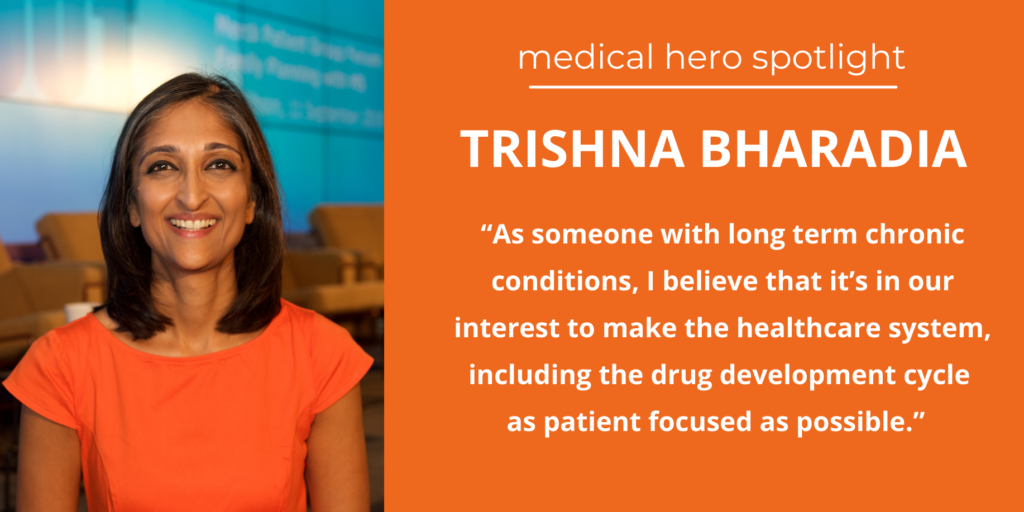
“As someone with long term chronic conditions, I believe that it’s in our interest to make the healthcare system, including the drug development cycle as patient focused as possible,” says Trishna Bharadia, advocate for Multiple Sclerosis and many other conditions. “At the end of the day, nearly everyone will be a patient or care partner at some point in their lives. We should be working to make the system more patient-focused.”

Trishna works as a Spanish-English translator for a business intelligence company in the UK, but her self-employed work, including her advocacy initiatives and patient engagement consulting are what she is most passionate about. Trishna lives with several chronic conditions, including Multiple Sclerosis, Obsessive Compulsive Disorder, Irritable Bowel Syndrome, Urticaria, and Angioedema.

Multiple Sclerosis (MS) Diagnosis

Trishna was diagnosed with MS in 2008 at 28 years old. She began showing symptoms three years prior to this diagnosis, beginning with the loss of strength in her hands, and progressing to the loss of feeling on one side of her body. These symptoms triggered Trishna’s journey into the MS diagnostic pathway. She was first referred to a neurologist and underwent testing before receiving her diagnosis of relapsing MS.

“An important fact to keep in mind about MS treatment is that no people experience the disease in the same way,” Trishna explains. Different patients may have different combinations of symptoms and the progression of the disease can also vary. A prime example of this occurrence can be seen within Trishna’s own family. Diagnosed in 2011, Trishna’s twin sister also lives with MS but experiences some different symptoms and has opted for different treatment options.

In Trishna’s case, the standard treatment for her relapsing MS differs from progressive MS. “With my MS, disease modifying therapies are the most common form of treatment. I have been on two of these therapies but unfortunately had issues both times. With the first medication I was on, I developed neutralizing antibodies and became immune to the treatment. The second time, I had adverse side effects including the urticaria and angioedema which then became chronic conditions,” she recalls.

Obsessive Compulsive Disorder (OCD) & Irritable Bowel Syndrome (IBS)

Trishna’s other conditions were not diagnosed until several years after her MS diagnosis. “I lived with symptoms of OCD throughout my childhood and adult life but was not diagnosed until my early 30s,” she explains. “My journey with IBS began around that time as well. Although I had been experiencing some symptoms since a bout of food poisoning many years ago, it was in 2018 that I had a flare-up while travelling abroad for advocacy work and felt so sick I barely ate for several days. When I returned home, I was tested for various conditions, including inflammatory bowel disease which my younger sister lives with, and by process of elimination was eventually diagnosed with IBS,” Trishna shares.

Urticaria & Angioedema

Trishna also works to manage two chronic conditions called Urticaria and Angioedema, both of which began for her in 2013, likely as a result of one of her MS treatments. Urticaria causes chronic hives and angioedema causes deep tissue swelling, often in the face. Although Trishna is currently in remission for both conditions, she notes that it took about 4 years to get the symptoms under control through medication, identifying triggers, and altering her diet. 

“I was having symptoms every day and had to be put on a high dose of steroids and antihistamines to control it,” Trishna recalls. “At one point, these conditions were distressing me more and actually having a greater impact on my life than MS was,” she remarks. “During my first episode of angioedema I could hardly open my eyes, they were so swollen. I looked as though I had been in a boxing match. It was very damaging for my confidence and self-image.”

Clinical Trial Participation

Trishna has been involved in a variety of different types of research studies for MS, including giving biological samples such as blood or saliva for genetic testing, filling out surveys or questionnaires for organizations she is a part of, and even partaking in an exercise intervention study to research what type of fitness routine is most effective for MS patients.

“I am a part of the UK MS register as well as the Twins UK register, so I fill out a lot of surveys for both groups to help drive research for these communities. During the beginning of the pandemic, I participated in a COVID-19 antibody study involving twins through this register by submitting a blood sample,” Trishna explains.

Trishna’s decision to participate in research stems from her belief that clinical trials are vital to the understanding of MS and for the improvement of treatments and access to care for patient communities. “If I can help in some way, then I will. I want to provide a better future for those of us who are living with these conditions and for the people who are yet to be diagnosed.”

Although Trishna has participated in multiple research studies, she has not chosen to join any drug therapy clinical trials. Although having been offered the opportunity, Trishna shares, “I turned them down for different reasons. When consulting with pharmaceutical organizations or CROs to help drive patient engagement, I often remind companies that it is just as important to find out why someone may have turned down a trial as it is to find out the experiences of those who chose to participate.”

In Trishna’s case, there were several reasons why she decided participation wasn’t the best choice for her, including considerations of travel, time involvement, and alternative treatments that were already available to her.

Advocacy Work

Although Trishna lives with multiple conditions, her path to becoming an advocate began the moment she was diagnosed with MS. “I was handed a list of 4 medications by my neurologist and told to come back in a month with a decision of which treatment I wanted to start. There was no help offered in terms of resources or support and it left me feeling lost,” she reflects. “I realized while I was having this experience that there were likely many other people with MS feeling just as alone and as uncertain as I felt.”

From there, Trishna stepped into the world of patient advocacy by joining different national MS organizations in the UK. She began working to raise awareness about MS through campaigning and speaking at different events. “I got involved because I wanted to bring the patient voice into the healthcare system in a way that was louder and more effective than present. I hoped to raise awareness about what it is like living with a chronic illness to try and reduce the stigma I could see happening to people living with these conditions, especially within my South Asian community,” Trishna says.

After speaking at several events, Trishna was approached by larger pharmaceutical companies, clinical research organizations, and healthcare industry professionals who wanted her consultation on their own work in patient engagement. Trishna’s consultancy work began then, focusing on advising companies on good patient engagement practices, health literacy, and improving diversity in clinical trials.

“There are many issues in the healthcare system that affect multiple patient communities. My consultancy work now spans to include a variety of different diseases and I have the opportunity to work nationally and internationally with different stakeholders,” Trishna says.

Trishna has worked on a variety of projects, with the goal to make each step of the clinical trial process more accessible and easier to understand for patients. These include designing clinical trials, advising companies on designing trial protocols, reviewing informed consent forms and other patient materials, advising vendors that are providing tools and solutions to be used during a trial, and helping to develop materials for patients when a trial has ended such as plain language summaries of clinical trial results.

“As advocates we do so many different things like campaigning, driving policy, fundraising, speaking to the media, and working with different stakeholders. I prefer to refer to myself as an advocate, not a patient advocate because I feel that term puts my condition before my work. We are people and advocates first, patients second,” Trishna explains.
National Recognition

Early on in her work, Trishna didn’t realize what she was doing was considered advocacy, noting, “I was just doing what I felt needed to be done.” The impact of her work hit home for Trishna in 2013 when she was awarded the MS Society Volunteer of the Year Award. Since then, Trishna has received many other awards for her work, including a Points of Light Award in 2018, an Honorary Membership of the Faculty of Pharmaceutical Medicine, a Faculty of the Royal Colleges of Physicians of the UK in 2021, and the opportunity to participate in a special 4-part edition of the hit TV series, Strictly Come Dancing, the UK equivalent of Dancing with the Stars.

After the show aired, Trishna recalls being inundated with messages of gratitude and support on social media from viewers who shared that her story had helped begin conversations among friends, family members, and in communities.

“It was such an amazing experience and opportunity for my advocacy work. I got to go on national TV as an Asian person living with MS, an invisible disability, and spread awareness among people who may have known nothing about the disease previously,” Trishna notes. “The legacy has been that we were able to educate so many people as a result.”

To search for medical conditions in a specific location, visit our Search Clinical Trials page.

To stay informed about clinical trials, visit our Resources page.

Medical Hero Story: Donald MacIntosh, Alzheimer’s Advocate

Donald MacIntosh had a 25-year career working as an attorney for the Canadian Department of Justice. Smart and with a great memory, he could argue a case referring to just a few pieces of paper. But nowadays, the 69-year-old forgets how to make coffee and can’t remember what he had for lunch.

Shortly after he retired five years ago, MacIntosh, who lives in Toronto, noticed he was having memory problems. He went to his personal doctor, followed by a few specialists. On a cognition test with 10 questions, he was only able to answer two correctly.

After additional tests, doctors diagnosed him with early-onset Alzheimer’s disease (AD), a form of dementia that affects memory, thinking, and behavior.

The National Institute on Aging says more than 6 million Americans, most over age 65, may have dementia caused by AD.

Gobsmacked
MacIntosh couldn’t believe the diagnosis.

“I was gobsmacked,” he says, noting his AD might be inherited. His mother lived with it for 14 years before she died, and his father had a gene linked to the disease as well.

While he still retains long-term memories, his short-term memory fades fast. Nowadays, if he wants to water his plants, he has to turn on a light as a reminder to turn off the hose. Minutes after he starts watching a TV show, he can’t recall what he’s watching. That’s why he was so excited to participate in a clinical trial for a drug being tested to slow the progress of the disease.

“It is a privilege,” says MacIntosh. “Not everyone is in such a trial because either they don’t know about it or they don’t meet the requirements.”

He started the clinical trial in 2016 but recently had to stop participating after he experienced some side effects, including three instances of temporary brain swelling known as ARIA-E.

He credits his wife, Jasmin, with helping him stay as healthy as possible. The couple has been married for 12 years and he’s a stepfather to her three children.“

He is so passionate about getting better. He is very disciplined. In fact, he’s more disciplined now than he’s ever been,” Jasmin says. “He gets up, works out, and reads.

He gets involved in discussions with friends. He’s very positive about the whole thing, which is wonderful.”

Prior to the pandemic, the couple traveled a lot, including cruising a few times a year and going to the theater. MacIntosh still enjoys gardening, socializing with friends, and reading books. He exercises daily, eats healthy, and is focused on maximizing his brain health and cognition.

Jasmin MacIntosh encourages other caregivers to show, “lots of love, support, and encouragement,” to their loved ones with AD.

Advocate
Donald MacIntosh does AD awareness outreach with the Center for Information and Study on Clinical Research Participation (CISCRP), a nonprofit dedicated to educating the public, patients, and medical communities about clinical research.

“People who are afflicted with Alzheimer’s and their loved ones are desperately waiting for a drug to come along that not only is efficacious from a safety point of view, but that also has an effect in terms of slowing down the progression of the disease,” MacIntosh says.

MacIntosh, who remains optimistic, is looking forward to potentially participating in other clinical trials in the future. He encourages other patients to participate, too, explaining there are many benefits including regular exams, free medication, and MRIs.

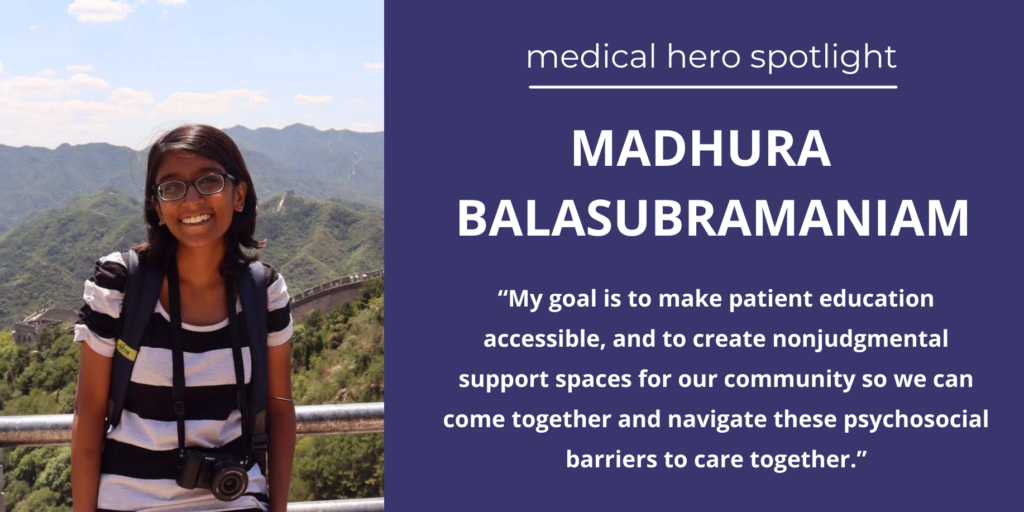
He has no regrets about participating in a clinical trial. “Even if it doesn’t benefit me personally, it will benefit other people in the future.”
Written by: Kristen Castillo

Article from our June 2022 Clinical Trials Supplement, USA Today. Read more articles from the supplement here.

Medical Hero Spotlight: Madhura Balasubramaniam, IBD Crohn’s Advocate

Madhura Balasubramaniam

Written by Lindsey Elliott, Marketing & Communications Manager, CISCRP | lelliott@ciscrp.org

Living With Crohn’s Disease

Although she was only diagnosed with Crohn’s disease in 2019, Madhura Balasubramaniam has been struggling with Inflammatory Bowel Disease (IBD) for most of her life. After a tentative diagnosis of celiac disease in 2005, Madhura opted for a gluten- free diet, hoping to manage her daily symptoms. It wasn’t until her Crohn’s diagnosis years later, that Madhura began her journey towards patient advocacy for the South Asian IBD community. 

Crohn’s disease is part of a series of diseases that fall under the umbrella of inflammatory bowel disease. Crohn’s is a chronic autoimmune condition, progressive in its nature, with the ability to remit and relapse. Crohn’s and other forms of IBD can be treated with a variety of different medications, ranging from immunomodulators to biologics as well as surgery.  

As Madhura notes, “The goal of IBD treatment and care is to ensure that patients enjoy the best quality of life possible, despite the chronic nature of the condition.”

South Asian Culture & IBD Treatment

Madhura lives in Chennai, India, where cultural beliefs and stigma play a significant role in the way South Asian patients with IBD view their disease and seek treatment. Madhura explains, “There is a prevalent belief in the South Asian community and across the diaspora that chronic digestive conditions are induced by a patient’s diet or lifestyle choices, but that’s not the case. All IBD patients may struggle with this stigma, but it is especially difficult for South Asian patients. There is nothing we did as individuals to cause our IBD.” This cultural belief can make patients feel unfairly responsible for their disease.

“There’s the expectation that you should be trying to cure yourself through diet or lifestyle changes, when IBD has no cure. When this ultimately fails, patients may be accused of not trying hard enough. This condition doesn’t respond to those types of modifications and needs long-term medical management,” Madhura says.

Another important factor to note regarding South Asian culture, when considering conditions like IBD is the avoidance and fear of taking medication that exists among its community members. Madhura reflects, “There is a deeply rooted mistrust of medicine, reinforced by poor treatment in the western medical system for minority communities. This is in part why South Asians avoid taking medication, viewing it as a last resort. Additionally, many believe that medication is only a ‘band-aid’; it addresses the symptoms of the illness but does not provide a cure.”

With a pervasive stigma surrounding medication, complimentary or alternative medicine is revered and very popular for South Asian community members. “Practices like Ayurveda and Homeopathy are popular because they profess to treat the whole patient, claim to have no side effects, and promise ‘cures’,” Madhura notes.

“While alternative therapies can, in some contexts, serve as an excellent supplement, I don’t believe they can fully manage a disease like Crohn’s, and they should certainly not be used as a means to justify blaming patients who are struggling with their symptoms.”
Journey to Patient Advocacy

When reflecting on becoming a patient advocate, Madhura explains that her path to advocacy was gradual, and not without overcoming her own internalized beliefs and stigma.

“Throughout my childhood, I felt like I was the only one with my symptoms. I knew no one who had IBD. It was only after my diagnosis that I started speaking about it with others, that other people in my life spoke up about having IBD or knowing someone else who has it. That’s because IBD is so stigmatized in the South Asian community. Talking about chronic bowel symptoms is considered unsavory. I had internalized these norms, so I never shared that I had these conditions. Growing up, I rarely spoke about having a gluten-free diet and never said why. I grew to be ashamed of my symptoms.”

When she was finally diagnosed with Crohn’s in 2019, Madhura describes the feeling of a weight being lifted off her shoulders. “I was so relieved to have answers, but I continued to struggle with the stigma that exists in my culture. I thought I wasn’t sick enough to warrant a biologic treatment.”

After rapidly losing weight and experiencing malnutrition, Madhura’s GI recommended a feeding tube placement. Reaching that point changed Madhura’s perspective on her condition. “This moment is where my IBD advocacy began because it is where my personal advocacy began for my own care. I realized I needed to ask for help to overcome these internalized beliefs and begin to accept medicine. I also started seeking out other South Asian patients with IBD for support.”
Forming Patient Support Networks

Through social media, Madhura found other patients like herself. She met Tina Aswani Omprakash and others. Together with Sharan Kaur and Surakhsha Soond, they founded IBDesis “This is a platform created by a team of South Asians from South Asia and the diaspora, dedicated to uniting and empowering South Asians living with inflammatory bowel disease across the globe.” The creation of IBDesis, which began as a private patient support group on Facebook, has helped bring South Asian individuals living with IBD together, creating a non-judgmental space for members to seek encouragement or ask for advice.

Madhura shares, “We wanted to identify the unmet needs of the South Asian IBD community and find solutions to address these problems. As our community grew, we recognized the importance of including clinicians together to push for change for patients. This was the foundation for forming the South Asian IBD Alliance (SAIA), the first patient-clinician collaborative organization in the IBD space.”

Through the formation of SAIA, Madhura and her co-founders hope to create more accessible educational resources for patients and healthcare providers, minimize disparities the South Asian community faces, improve access to treatment for patients, and increase the participation of South Asian patients in clinical trials. IBDesis is the patient advocacy arm of SAIA.

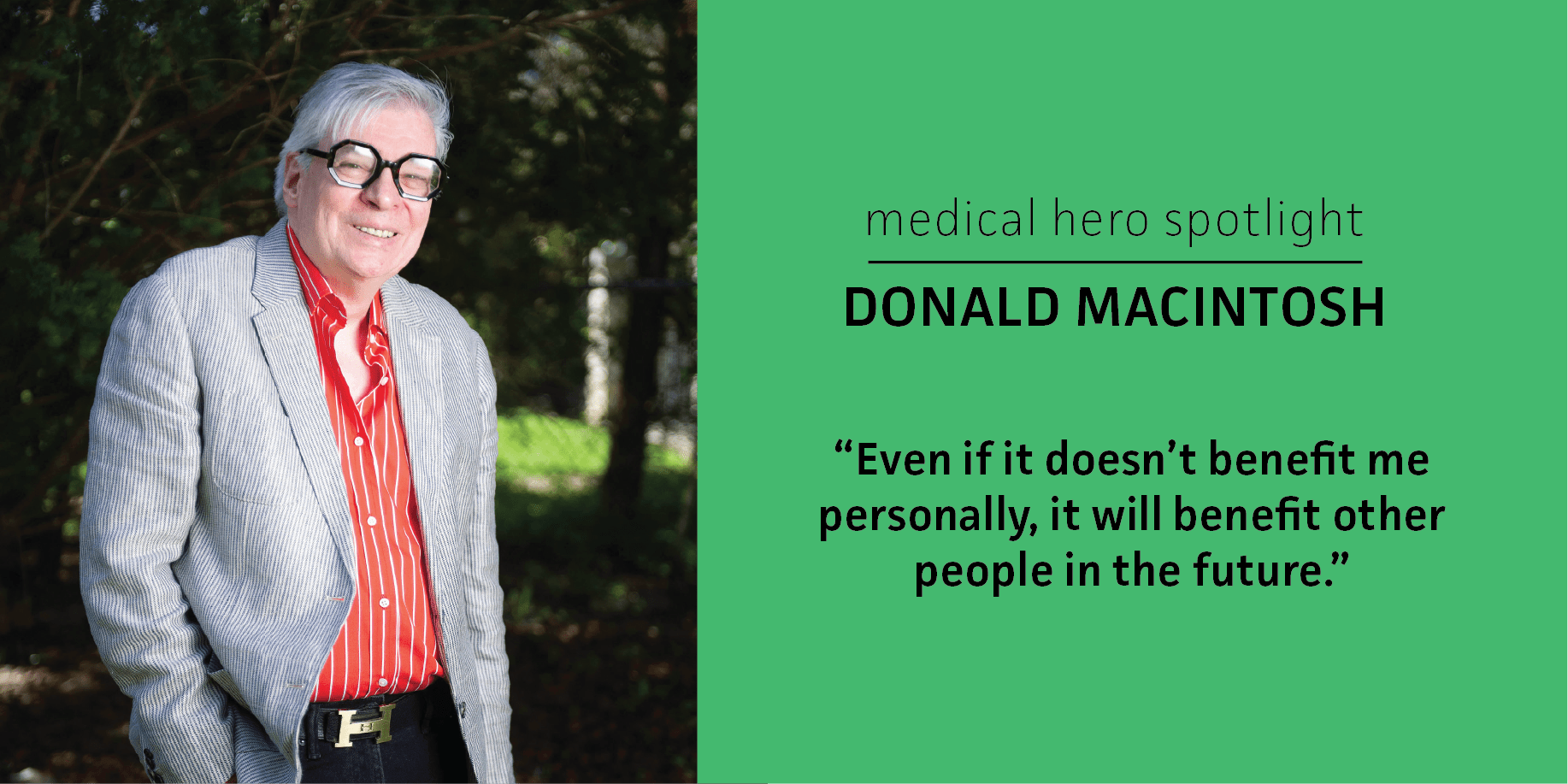
“My goal is to make patient education accessible, and to create nonjudgmental support spaces for our community so we can come together and navigate these psychosocial barriers to care together.”
Clinical Research & Advice for Advocacy

Although Madhura has not participated in a clinical trial herself, she believes they are incredibly important for the IBD community. “My current diagnosis and treatment are only possible because of the patients who came before me and participated in trials. I am deeply grateful for these IBD patients and the trials available in the IBD space because it makes me feel like I have resources and options in my toolkit,” she says.

When it comes to being a patient advocate, Madhura shares some of her own advice and lessons learned: “Two things that have helped me are employing empathy and active listening for other patients. It’s critical in advocacy that we understand another person’s perspective and value their experiences. There is diversity in experience even in patient communities. Be willing to constantly learn and grow from patients and providers. The more education you have, the more knowledge you can share with your community and the more gaps and unmet needs you can identify and work to solve.”

“I never set out to be an IBD patient advocate. I saw incredible courage from other patients, and they helped me find my voice. The work I do now is to help pay that experience forward.”

To search for medical conditions in a specific location, visit our Search Clinical Trials page.

To stay informed about clinical trials, visit our Resources page.
Sources:

https://ownyourcrohns.com/ibdesis/

https://www.southasianibd.org/

IBDesis Private Support Group: https://www.facebook.com/groups/ibdesis

IBDesis social media handles: @ibdesis


SAIA social media handles: @southasianIBD

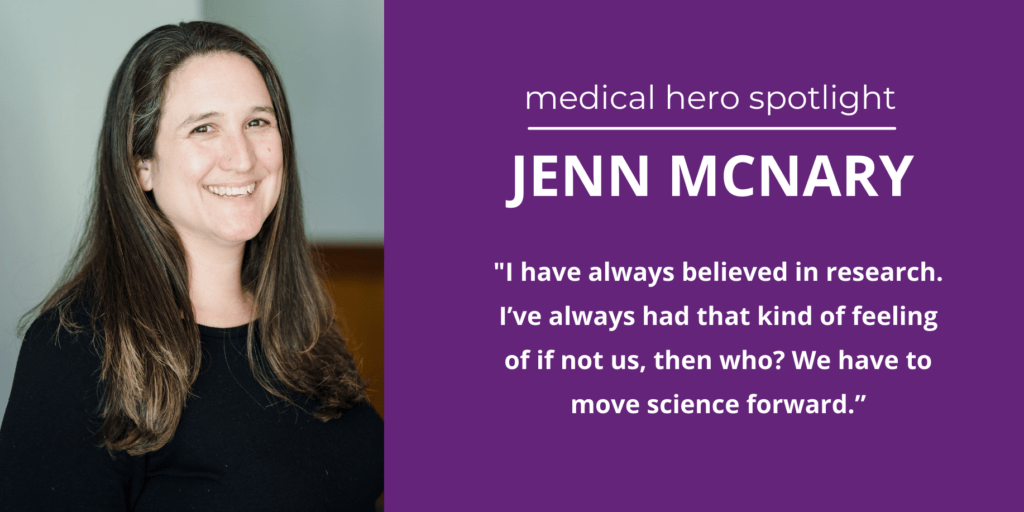
Medical Hero Spotlight: Jenn McNary, Three Sons, Three Rare Diseases & Clinical Trials

Written by Melissa Daley & Lindsey Elliott, CISCRP | lelliott@ciscrp.org

Jenn’s plate is full. With four biological children, two foster children, a full-time job as Executive Director, head of patient advocacy at Fulcrum Therapeutics, running her own consultancy for patient advocacy, and serving as founder of One Rare, a nonprofit that sponsors a virtual summit for young adults with rare conditions, she is always going somewhere and doing something for someone. This would be a lot to imagine for others with quieter lives, but Jenn’s story goes even deeper. Three of her biological children have rare diseases with serious physical impacts. Her sons Austin and Max have Duchenne Muscular Dystrophy, and James has Primary Immune Deficiency and Congenital Cholesteatoma. Participating in clinical research has been a major part of their lives. 

“I decided that Austin and Max were going to be in any clinical trial that they were eligible for the first time I sat down at a Parent Project Muscular Dystrophy (PPMD) conference, in the audience, and watched scientists talk about MDX mice and how they were curing Duchenne in these mice,” Jenn recounts. “That was when the boys were five and two. It was never a question in my mind because I was told my sons would not live into adulthood. There were no care options.” 

Duchenne Muscular Dystrophy is a genetic disorder characterized by progressive muscle degeneration and weakness due to the alterations of dystrophin, a protein that keeps muscle cells intact. (1) 

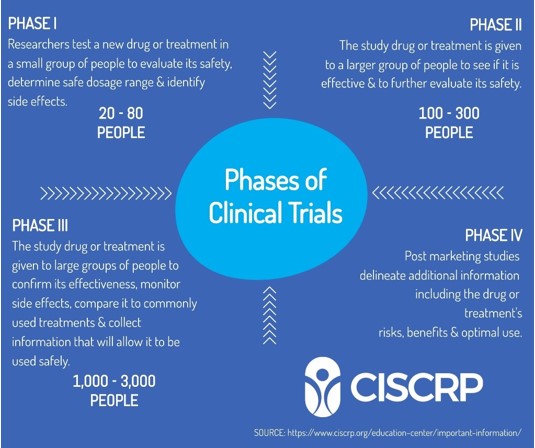
Austin, now 23, was the first member of the family to participate in a clinical trial, at the age of twelve. He was invited to be in a Phase I trial, which tests an experimental treatment on a small group of people to assess its safety and side effects and find the correct drug dosage. (2) “It was a hard decision to make, to be a safety subject in a study,” says Jenn.  “It was hard as a mom, and it was hard as a twelveyearold to understand that you’re participating to determine if this therapeutic is going to be safe when it’s administered once. It was not expected to benefit him, even if he was in the treatment arm of the study, because it was one dose. And there were a lot of blood draws. 

The family lived in Vermont, and the study site was in Columbus, Ohio.  It was really cumbersome, flying with a non-ambulatory patient,” says Jenn. I was very pregnant with my daughter, at the time. It was not a good experience. But we made the decision to be in that study because there really were no other options. I have always believed in research. I’ve always had that kind of feeling of if not us, then who? We have to move science forward.” 

Right after Austin’s participation, Max, now 20, was invited to participate in another clinical study for Duchenne Muscular Dystrophy. He was nine and a half years old,” says Jenn.Max’s study was only for ambulatory patients. That was really hard because I knew from the very beginning that Austin would not qualify for the study, but Max would. Austin was fine with that, saying that if it works for Max, then I’ll get it. This was a really invasive study. For over a year, Jenn and Max travelled to the study site in Ohio. During that time, Max had four muscle biopsies. 

The decision to take part in that study was because I was willing to try anything. We didn’t have all the different choices that we have now, a decade later, for clinical trials for Duchenne,” says Jenn. “Unfortunately, nothing came fast enough. 

Austin and Max continue to participate in clinical research, and Jenn’s role in the decision-making process has changed as her sons have entered adulthood. “Things have shifted a bit. I now give advice instead of making decisions. I like to be the decision maker, but I can’t tell them what to do. I give them all the information they need to make their own decisions and I let them know my opinion,” says Jenn. Recently, Austin and Max decided to screen for the same clinical study when Jenn shared information about the opportunity with them. Max decided to participate, based on Jenn’s input. Austin resourced additional information from biotech researchers he knows through his professional network. 


Jenn’s 14-year-old son, James, has two rare disease conditions: one, Primary Immune Deficiency, a rare genetic disorder that impairs the immune system but can be controlled on blood plasma products, (3) and two, Congenital Cholesteatoma (4) a tumor disease confined to the ear canal. While the tumors can be controlled and removed surgically, they can grow in many directions. Jenn shared, “the doctors watch for the tumors and remove them.” 


“James had probably the most potentially deadly complications of any of my kids, because he had a tumor as a result of congenital cholesteatoma that grew into his brain at one point and caused a massive infection,” explains Jenn. Having primary immune deficiency also contributed to James having serious infections after surgical intervention. 


“James had four tumor removals in the space of two years. They are complicated surgeries that can take up to six hours because they are working around little structures in the ear. It was such a painful situation,” says Jenn. One way to treat the illness is a radical mastoidectomy, which removes the structures in the inner ear to reduce the chance of tumor growth. It leaves the patient without hearing in the ear. Jenn and James discussed the pros and cons of the treatment together. 

“I left the decision up to him to make and decide what he preferred, because he is the one going through all these surgeries and massive infections,” says Jenn.  James opted to have the procedure. He has not experienced tumor growth since having the surgery. 

James is currently not eligible to participate in clinical trials for immune deficiency, as most are focused on either severe forms of the disease, or require participants to be 18 years and older. (The disease primarily occurs in adults). At the time this interview was conducted, there were no congenital cholesteatoma clinical trials in the United States. 

Jenn finds support in online communities with like-minded parents, caregivers, and other rare disease patients. Meeting in person has been curtailed for the past two years due to the COVID-19 pandemic. Jenn says “You just find your people. I don’t have many friends outside of the rare disease community.” 


Jenn has also forged a strong network of informed connections that she can call upon when discussing options about clinical research participation for and with her sons. 

“Professionally, I work in rare disease,” says Jenn. I have the unique capability of being able to call a research scientist or somebody else in the field and ask them to look at data and make decisions with me or explain something to me. I’m a huge believer in resourcing, so I don’t feel like I have to know everything. The people in my world believe in research. I don’t surround myself with anybody who would think that it is not a good idea. When the condition that your child is living with is deadly, you’re very willing to try something because you know what the alternative is.” 

Jenn advises patients, parents and care partners embarking on their clinical research journey to ask as many questions as necessary to make the right decision about participating in a clinical trial. 


“When Max and Austin were in their first clinical trials, I didn’t understand any of it. There are things I wish I had known or that I wish I had asked about,” says Jenn. Important questions include finding out what happens after the clinical trial ends. “What is the plan after this phase?” says Jenn. “Once enrolled in the study and exposed to this therapy, do I get to continue on it, if it works and there is good data? If the drug or treatment works, you want to know that there is a plan for your child.” 


Jenn recommends asking the study team about options that can reduce the burden of clinical trial participation for patients and caregivers, such as conducting tests and taking blood draws locally, or even at home. The COVID-19 pandemic has scaled the prevalence of decentralized clinical trials (DCTs), telehealth and home health visits. These options have also reduced the amount of travel for patients and caregivers. If travel is involved, Jenn recommends asking questions about travel costs, paying for childcare and/or travel expenses for siblings, lodging and meal related expenses. 


“As a caregiver, my biggest piece of advice is ‘Don’t make yourself irreplaceable’, because it’s not a sprint, it’s a marathon,” says Jenn. “Family members can be strong care partners. Make sure that you like and trust your team at the research facility. Reach out. Ask questions. You don’t have to sign an informed consent form that you don’t understand. You don’t have to agree to anything you don’t understand. Take the opportunity to make clinical research staff explain everything and what you’re agreeing to do,” says Jenn. 

Medical Hero Spotlight: Dr. Tracy Dixon-Salazar and LGS (Lennox Gastaut Syndrome)

Dr. Tracy Dixon-Salazar Lennox Gastaut Syndrome

Written by Melissa E. Daley, CISCRP

“The best way to describe Savannah is that she lives in the now. She doesn’t really fret about the future, and she doesn’t dwell on the past. But she does have memories that come up from time to time. You can pull out pictures and she can remember those times and what was happening,” says Dr. Tracy Dixon Salazar, of her daughter, Savannah. “She recalls having to wear a helmet in school all the time and having a seizure response dog. I don’t think she globally understands the journey she’s been on.” Now in her late twenties, at age five Savannah was diagnosed with Lennox-Gastaut syndrome (LGS), a development brain disorder that frequently evolves from early-life-onset epilepsy and usually emerges between ages of three to five years old. (1) Tracy’s role in Savannah’s life is a triumvirate of mother, patient advocate and scientific researcher.

“Savannah started having seizures out of the blue and nobody could tell us why,” says Tracy. When Tracy and her husband, Ruben, sought treatment for Savannah, they were told that knowing the origin of the seizures was not necessary to stop them. However, none of the prescribed medications worked. They were advised that Savannah’s seizures would not damage her brain. “I would see the seizures taking a huge toll on her cognitive ability and her ability to learn. We were told that you can’t die from seizures, and yet we had to resuscitate Savannah a number of times,” says Tracy.

Tracy decided to address the disconnect between how medical professionals were assessing her daughter’s illness and Savannah’s lived experience by enrolling in college, ultimately attaining her PhD in Neurobiology and Neurosciences. It took twelve years, with Tracy and Ruben tag-teaming work, school, child care and health care responsibilities. Despite the grueling demands, Tracy was determined. “I wanted to understand what could cause early life seizures,” says Tracy. “What was this LGS and where did it come from?”

LGS patients can have hundreds of seizures a day that dramatically impact their physical and cognitive development. “You never knew what you were going to get,” says Tracy. “It could be a five-seizure day, or it could be a 500-seizure day.”

Tracy describes a 500-seizure day as “…absolute chaos. You’re not going anywhere. They’re not going anywhere. You’re probably not going to make it to work. She’s not going to make it to school. You’re on watch to make sure that these seizures stop on their own. You have to be counting them,” says Tracy. A cluster of seizures together over a prolonged period of time can cause brain damage. A single cluster that does not end on its own (called status epilepticus) can also become a fatal emergency.

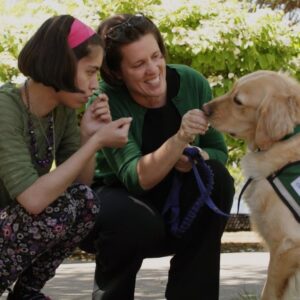
Savannah, Tracy and friend.

“At its worst, Savannah was going into cluster seizures or status epilepticus, two to four times a week.” Tracy or Ruben had to prevent Savannah from injuring herself during a seizure, administer rescue medications, and attend to Savannah’s post-episode physical needs, which may include caring for uncontrollable bouts of urination, defecation and vomiting.

Seizures are brutal. Over the years, Savannah has endured a fractured skull, broken teeth, broken arms, injury to her eye and a severed nose bridge. With her parents searching for a way to provide relief and healing, Savannah tried 26 different treatments between the ages of two and eighteen, including medications, diets, devices and alternative therapies. Some of these were through participation in clinical trials. None of them worked.

As a post-doctoral candidate, Tracy worked in a lab, sequencing exomes, the coding part of the genome that contains information for protein synthesis (2), in children with pediatric brain disease and epilepsy. “For me, science was going to be the thing that answered these questions,” says Tracy.

Savannah was a participant in clinical research conducted by Tracy and her colleagues on the research team. In addition to sequencing Savannah’s genes, they also sequenced Tracy’s and her husband’s, as part of Tracy’s research for a precision or genomic therapy to treat LGS.

“When we sequenced Savannah’s exome, we found a group of calcium channel genes, that were telling us that she had too much calcium going into her brain cells, so we started to look at existing medications that targeted calcium channels,” says Tracy. They found medications targeting calcium that were used for high blood pressure and arrythmias, not epilepsy. After a risk/benefit analysis of the data and in coordination with Savannah’s physician, Savannah began treatment with a calcium blocking drug. Her seizure numbers dropped by 95% and her episodes of non-stop seizures completely stopped. (3)

“Unfortunately, we didn’t find it until she was 18 years old, so a lot of brain damage had already happened. But she really turned a corner after that,” says Tracy. Savannah was able to safely discontinue a number of medications she had been taking. “She started talking. She could walk. Savannah is funny and sassy. I feel like I got to meet her again when she was 18 years old.”

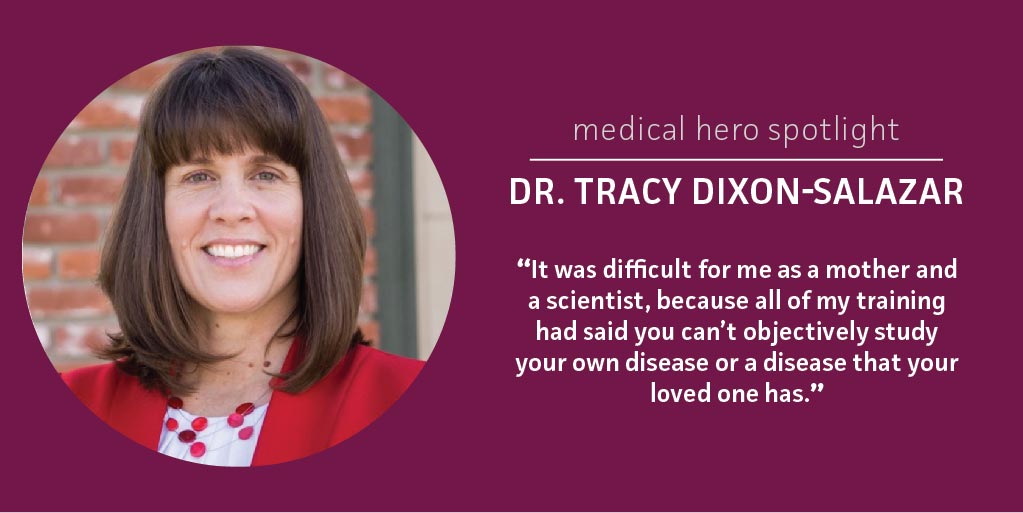
While the outcome of the research was positive, Tracy faced internal challenges about her role as a parent and a researcher during the process. “It was difficult for me as a mother and a scientist, because all of my training had said ‘you can’t objectively study your own disease or a disease that your loved one has’. Yet if you go into scientific literature, there are TONS of people who have studied their own disease or a disease of a loved one,” says Tracy. “It’s made them a better scientist, in many ways. But there’s so much more at stake if I get it wrong, with my own child. I was so conflicted during this time.”

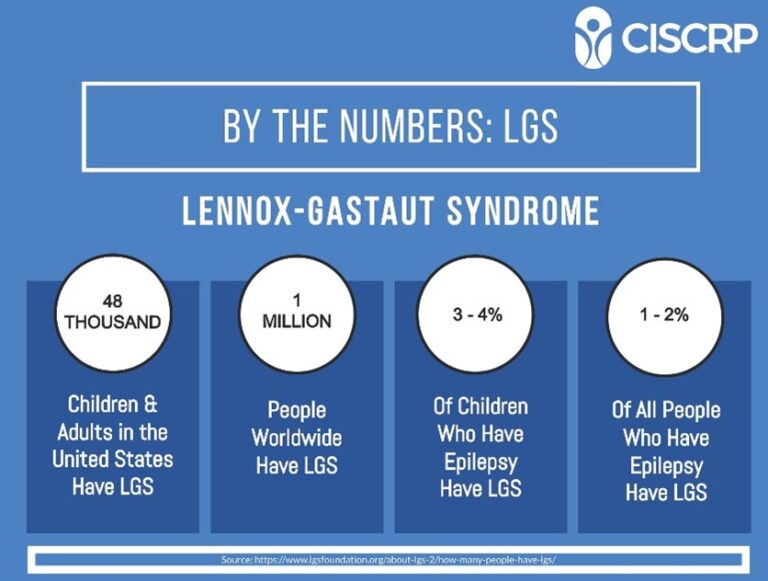
Participation in clinical research has been a big part of their lives, even before Savannah’s participation in the study conducted by her mother and the team. “It was always important for us to be part of research studies, to be a part of clinical trials, to be thinking about not only how we are going to help ourselves, but how we are going to help the next generation as well,” says Tracy. “LGS is a rare disease, but we have a community of six thousand (active in the LGS Foundation). There is a predicted forty-eight thousand thousand people with LGS in the United States and a predicted million people worldwide.”

Tracy shares there are several things to consider before participating in clinical research. “Being in a clinical trial is not without risk – but so is not being in a clinical trial. If you have exhausted every anti-seizure medication and there is an open clinical trial, and you choose not to be in that, there will be consequences for that as well. As a parent, you just make the best possible decision that you can make. There is risk on both sides. Become as informed as you possibly can to make that decision.”

Tracy is committed to providing information and resources to the LGS community by serving as Executive Director of the LGS Foundation, founded in 2008 by Christina Sanlnocencio, whose brother Michael was an adult living with LGS. Tracy says “Advocacy organizations like the LGS Foundation, or wherever your community is, are there for you so you don’t have to walk this alone. Talk with them. They have a lot of great information to share on how to navigate and understand clinical trials.  How to think about the pros and cons of participating in clinical research. Find somebody who has walked there before you and hear their story. It can help you make decisions about whether or not you or your loved one should go into a clinical trial, or how you are going to support your loved one who is in a clinical trial.”

To search for medical conditions in a specific location, visit our Search Clinical Trials page.

To stay informed about clinical trials, visit our Resources page.

Sources:

(1)  https://www.lgsfoundation.org/about-lgs-2/what-is-lennox-gastaut-syndrome/

(2)  https://www.broadinstitute.org/blog/what-exome-sequencing

(3)  https://www.lgsfoundation.org/fighting-for-a-cure-for-lgs/

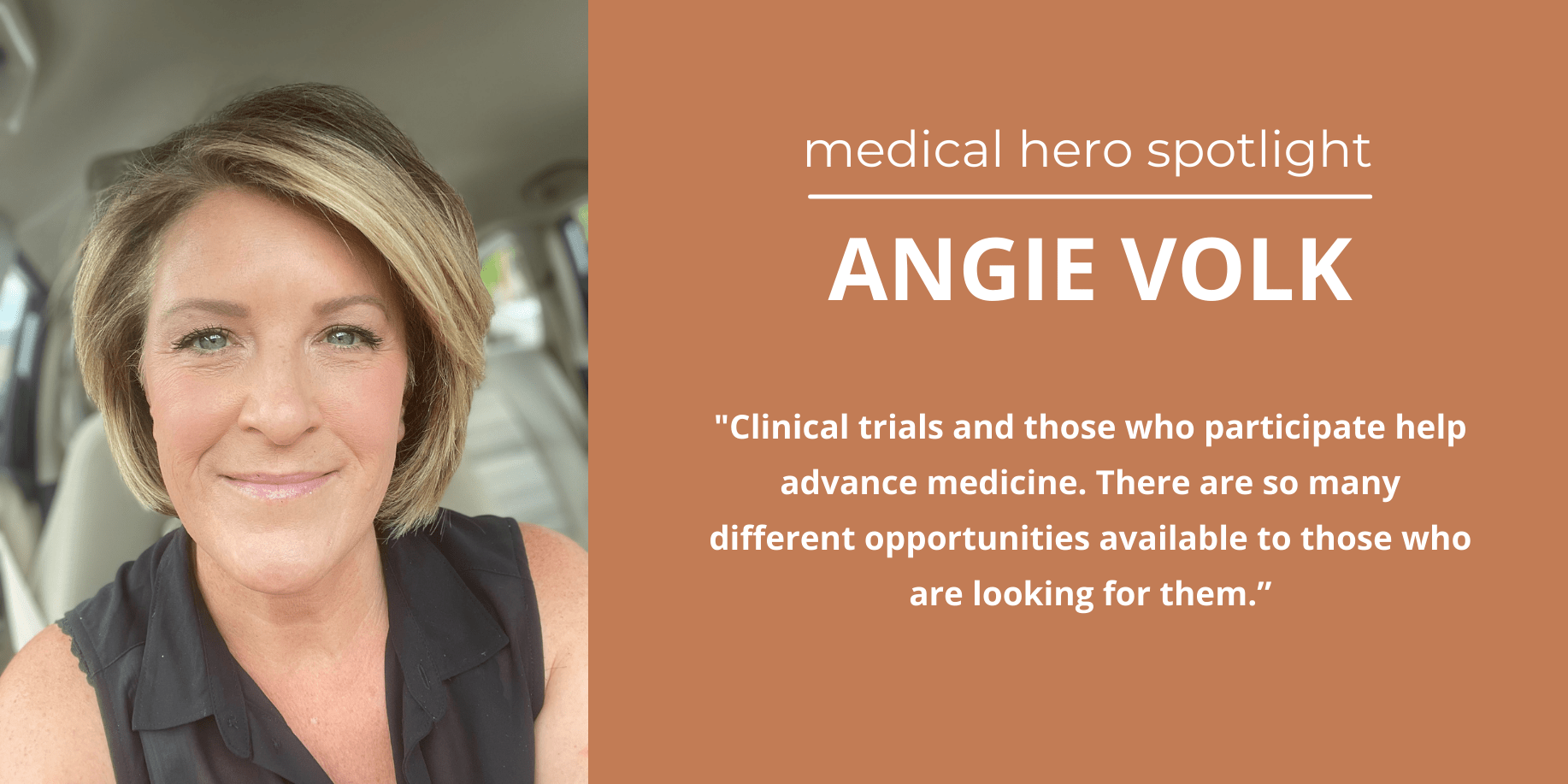
Medical Hero Story: Angie Volk, Multiple Sclerosis Advocate

Multiple Sclerosis MS

Written by: Lindsey Elliott | lelliott@ciscrp.org


“Angie, are you sure there isn’t more going on? Are you having any other symptoms?”

Angie Volk, a Multiple Sclerosis patient and advocate, recalls being taken aback by this question posed by her Urologist at an appointment in 2014. In her early 40s, Angie was in an executive role in the healthcare industry that required weekly travel for work via plane. Over the years, Angie had begun struggling with urinary issues, which eventually worsened making travel difficult. She made the decision to consult a Urologist for evaluation and treatment. After a year of treatment, Angie’s doctor suggested there may be an underlying health condition causing her problems, and recommended she see a Neurologist.

“This conversation with my doctor was the catalyst for my diagnosis and the start of my journey as an MS advocate. I am so thankful to my doctor for her advice. Without it, I wouldn’t be where I am now,” Angie says.

MS is diagnosed most commonly between the ages of 20 and 50, but it can go unrecognized for years. Many people living with MS experience “invisible”, or not outwardly visible symptoms which can create a unique set of issues they have to face.

Some people assume that you don’t really have a disease because you may not appear visibly sick. This can undermine a person’s confidence and discourage them from seeking treatment. You may develop feelings of anger, frustration, and fear as well. People living with MS need to be prepared to educate the important people in their lives about their disease and the symptoms they experience,” Angie explains.

“Looking back now and understanding my disease, I realize I had been experiencing symptoms of MS back in my twenties and thirties without realizing,” she notes.

During that time, Angie was in nursing school, working long hours. She suffered from daily headaches and neck pain and began visiting a chiropractor regularly. During that time, she experienced sporadic and unusual health issues for which she was also screened for Lupus, but no conclusive results were identified.

After being referred to a Neurologist, Angie underwent an MRI and numerous tests for different autoimmune and clotting disorders. She was diagnosed with chronic migraines and started medication, receiving additional referral to an interventional pain management physician for her neck pain.  In 2016, Angie requested and received a second MRI to compare to her baseline exam. Although her first MRI had found brain abnormalities (white matter lesions), the doctors had initially believed these were related to her migraines and did not schedule any additional MRI’S at that time.

“I knew something wasn’t right, so I kept pushing for answers,” Angie recalls. It was then that Angie was finally referred to the MS neurology clinic “Once I was able to get into the MS clinic, I was finally diagnosed.”

Multiple Sclerosis is a disease where a person’s immune system attacks the brain and spinal cord. This damages myelin, the protective layer insulating our nerves, ultimately disrupting signals to and from the brain.

Individuals with MS will experience disease progression often involving the development of lesions in the brain or spinal cord. The placement of these lesions impact how a patient’s symptoms will manifest and progress. No two individuals with MS will have the same symptoms, impairments, or outcomes. However, common problems include impaired vision, cognition changes, weakness, difficulty with balance, fatigue, dizziness, and urinary issues.

“With a disease like MS, there is no single treatment plan. Treatments vary for each patient,” Angie explains. In her case, Angie works with several specialists to manage her symptoms. “The part I find frustrating as a chronic patient, is that I don’t have a straightforward or streamlined treatment plan. I see so many doctors. As my disease has progressed, constant appointments have begun to interfere with my life.  It can feel like a full-time job, managing my health and going to medical appointments.”

Most MS patients manage their symptoms by taking medication, whether by oral, injectable, or by intravenous infusion. “A common treatment MS patients receive is called Monoclonal antibody therapy, which involves an intravenous infusion administered under close medical supervision. These infusions can be monthly or more sporadic. In my case, I receive a monoclonal antibody infusion twice a year,” Angie says.

She explains that these treatments are very effective in suppressing the part of the immune system that causes inflammation, so the disease doesn’t progress. “Unfortunately, your immune system is being suppressed, which increases your risk for infection – upper respiratory being the most common.”

In 2020, the pandemic made daily life dangerous for Angie and other members of the MS community.

Angie explains, “My treatment suppresses B cells, which play a role in the production of antibodies. This type of therapy reduces the effectiveness of vaccines, given that your body cannot adequately produce the antibodies needed to provide immunity. After my first two COVID-19 vaccines, my blood was tested and the sample detected no antibodies, meaning I was left unprotected and extremely vulnerable to the virus.”

The pandemic also impacted Angie’s access to care. With the many complications put in place by COVID-19, Angie made the decision to opt out of some regular therapies to limit her exposure. She did not attend her physical therapy appointments and avoided public spaces since there was no guarantee that everyone around her was vaccinated. 

Despite these challenges, Angie’s medical knowledge and strong self-advocacy motivated her to continue her medical journey, now as a clinical trial participant. Angie has participated in several MS clinical trials over the past couple of years. When reflecting on her decision to initially join a clinical trial, Angie shares, “I knew that self-advocacy was important to my regular medical care, but also realized it was equally relevant to clinical research. I was familiar with how clinical trials were conducted because of my previous work as a nurse in the clinical setting, but I had never personally participated in a trial.”

In her free-time, Angie became further educated about MS and the current research being done in the US and abroad. Having new information allowed her to stay informed about the latest medical advances with MS and clinical trial opportunities. While researching, Angie discovered that one of her physicians who worked in MS clinical research was conducting a booster vaccine study for MS patients on certain immunotherapies with the goal of evaluating a patient’s immune response by analyzing their blood levels. Angie was excited to join the clinical trial for the booster vaccine.


Since T cells are not regularly monitored, Angie was curious to see whether she had adequate protection from COVID-19 despite not producing antibodies from the vaccine. “I wanted to know just how safe am I during this pandemic? Is my immune system strong enough to protect me if I were to get exposed to COVID?” Angie recalls.

Angie has also joined other MS clinical trials. Her nurse practitioner referred her to a study focusing on physical therapy treatment for individuals with MS, allowing her to receive free physical therapy.

“When I began my medical journey and considered joining a clinical trial, I had my own medical background to rely on, but also a strong network of friends and colleagues in the medical field as well. I knew I could go to them to share my concerns and thoughts and they would support me.”

Angie emphasizes that when it comes to getting involved in clinical research, finding a practitioner who partners with you in decision-making is critical. “We all deserve to have a say in our medical treatment. I suspect that many people who may be considering joining a clinical trial might be apprehensive to do so because they don’t know what questions to ask, are nervous to speak up to their healthcare provider, or worry that they may ask too many questions and be perceived as annoying. However, being informed is so important. As a trial participant, you always have a choice and should feel comfortable advocating for yourself.”

Angie shares that her own medical journey has helped identify unmet patient needs across the board. “Many people don’t even know what questions to ask their doctors, and without a medical background this type of diagnosis can be incredibly overwhelming. It’s so important for practitioners to share information about how clinical trials work, their importance, and to discuss any current trial opportunities available to their patients,” she says.

“Ultimately, joining a study is a win-win situation. Clinical trials and those who participate help advance medicine. There are so many different opportunities available to those who are looking for them.”

For those considering participating in a clinical trial, Angie says, “Have an open mind, and do your own research. If you have questions, reach out to someone that you trust.” If possible, Angie recommends getting connected with someone who has participated in a trial who can answer your questions with firsthand experience and help alleviate any apprehensions.


For more information and resources about Multiple Sclerosis, visit the National Multiple Sclerosis Society website.

To stay informed about clinical trials, visit our Resources page.

To search for medical conditions in a specific location, visit our Search Clinical Trials page.


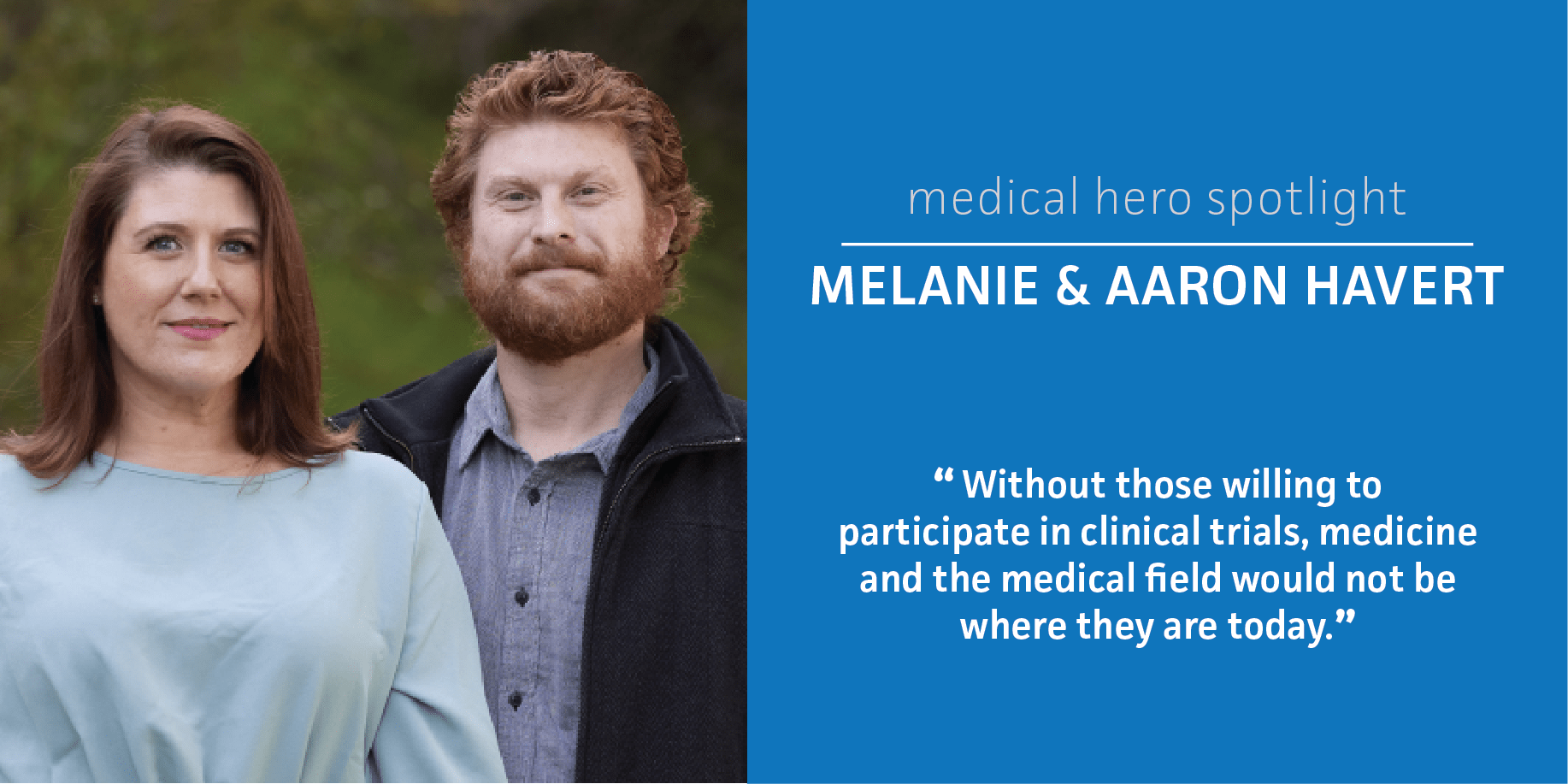
Medical Hero Story: Melanie and Aaron Havert, Rare Disease Advocates

Written by: Kristen Castillo


One Family’s Journey Through Chronic Illness and Clinical Trials


The Havert family is taking on a major health diagnosis and taking care of each other along the way.

Aaron Havert, 40, and daughter Eleanii, 9, both have Hemophilia A, a genetic bleeding disorder caused by a lack of blood clotting factor VIII. The main symptoms of Hemophilia A include prolonged bleeding and bruising. Aaron’s case is considered severe while Eleanii’s case is considered mild. There’s no cure for Hemophilia A, but gene therapy may help reduce the severity of the disorder.

Aaron, who was diagnosed when he was 10 months old, needs to prevent a spontaneous bleed from occurring. He treats his Hemophilia A with factor infusions administered directly into a vein at home every two to three days. Eleanii receives factor treatment on demand, meaning she’s treated when she has a bleed.

Caregiving and advocacy
Melanie Havert, Eleanii’s mother, is a caregiver to both her daughter and to Aaron. The family lives in Northern California with their older daughter Charlii, age 11, and three pets.

Melanie, 36, started her caregiver journey in 2004 when she first met Aaron. He taught her at his kitchen table how to infuse him with life-saving intravenous injections.

“According to both Aaron and Eleanii, I am the best at giving infusions,” she says. “Without the factor being administered into their veins, Aaron would die, and Eleanii would have a very painful life and could even lose her life in the case of something like a minor head injury.”

Melanie’s caregiver role also includes giving Eleanii subcutaneous injections into her thighs; ordering medication and supplies; and attending appointments, conferences, and support groups. She’s often a resource for other new caregivers.

When she realized how little information was available about female Hemophiliacs like her daughter, she committed to connecting with female symptomatic carriers of the disorder.

Melanie is also a project manager at Rare Patient Voice, a market research recruitment firm providing patients and caregivers with opportunities to share their opinions and experiences with researchers.


“I love helping others learn how to advocate for themselves and their families,” she says. “We need to learn how to stand up for ourselves and voice our needs and desires when it comes to our health, our struggles, our wins, and our needs.”


Clinical trials
Aaron has participated in five clinical trials over the past 30 years, including four for different anti-hemophilic factors (AHF) and one for a first in-human gene therapy trial.

He participates to help improve treatment for Hemophilia. The condition can be difficult, causing physical limitations, chronic pain, and very expensive medical costs. His monthly medication costs $20,000.


“There has been such a dramatic change in the medical treatment of my condition over the past 35 years, that the quality of life — and the longevity of life — for Hemophiliacs has so greatly improved,” he says. “It is a testament to how important clinical trials and medical research are.”


A better future
When considering participating in clinical trials, Melanie advises patients and their families to understand the risks, ask questions, and speak with others who’ve participated to gain a better understanding of the process.
She also advises preparing the family for all possible outcomes and discussing it as a unit. A clinical trial has the potential to affect the entire family. When Aaron wants to participate in a clinical trial, he and Melanie have a long discussion of the possible risks. If he decides to participate, he writes a personal letter to each of their daughters explaining exactly why he decided to participate and what he hopes will come out of it.


“Participating in a clinical trial is a big deal,” says Aaron. “It is an act of love and hope for a better future. Without those willing to participate in clinical trials, medicine and the medical field would not be where they are today.”

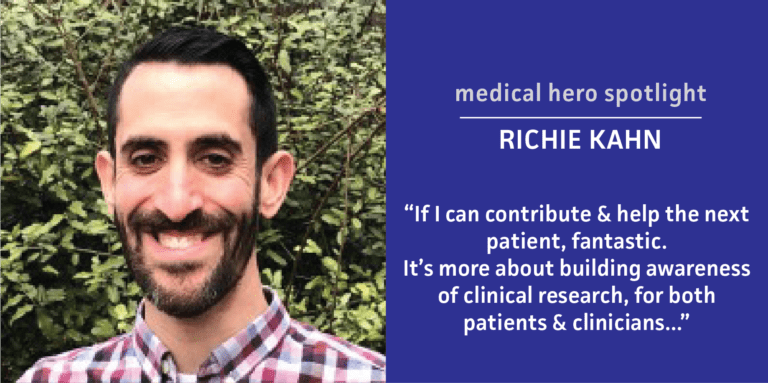
Medical Hero Story: Richie Kahn & Wolfram-like Syndrome

Authored by: Melissa Daley | mdaley@ciscrp.org

Richie Kahn shares, “I am a public health professional by training, and a clinical researcher by trade. I was working in full-service ophthalmology, developing new products for the eye, when I found out I was losing my vision.” It was March of 2019. Initially, it appeared that Richie had an early onset, clear-cut case of glaucoma, but a very different diagnosis lay ahead.

The diagnosis of glaucoma was initially confirmed through exams with an optometrist and an ophthalmologist who specializes in the disease. The ophthalmologist said that the good news was that they knew what Richie had, and the better news was that there were excellent treatment options available.

Richie shares insights on how technology can remove barriers to participating in clinical research.


Richie’s keen sense of humor shines through with his response to the ophthalmologist. “Well, I said bad news and worse news. Bad news, my background is in patient advocacy, and worse news is that I work in ophthalmology and know just enough to be dangerous, so I am going to be a giant pain in your butt,” smiles Richie. “Based on the fact that my doctor laughed, I knew we were going to get along well.”

Richie explains that “Glaucoma is a disease of the eye characterized by a build-up of fluid which causes increased pressure on the optic nerves connecting the eye to the brain. I decided this was an opportunity to turn lemons into lemonade, to build awareness of clinical research as a care option, and to get people screened for symptom-free vision loss.”

He used his skills and experience in business development in clinical research to conduct outreach to non-profits, particularly the Glaucoma Research Foundation, to ask how he could help. “If I have the opportunity to combine my knowledge of research and my passion for patient advocacy, put me in coach, I’m ready,” Richie says.

At an industry conference in the autumn of 2019, Richie met a key opinion leader (KOL) in the glaucoma field, who invited Richie to meet with him to review his case. This was the third medical opinion Richie had sought. Richie’s care team had performed the necessary screenings and followed treatment guidelines for glaucoma.

In that appointment, Richie received disturbing news.

“With relatively few signs and symptoms, I had lost about 15% of my vision,” says Richie. “That was the first indicator that what I had was not, maybe, so clear-cut.”

Richie’s optic nerve was pale, and the doctor was concerned. Tests were conducted to determine whether Richie had suffered a series of small strokes or had a tumor. Just after Thanksgiving in 2019, the test results came back negative. The KOL recommended that Richie confer with a neuro-ophthalmologist that was in the same building. After a lengthy appointment that didn’t provide any further insight, the neuro-ophthalmologist recommended genetic testing.

In late February of 2020, just before the global pandemic began shutting down the US, Richie received more unsettling news, via a phone call with the neuro-ophthalmologist.

“I could hear from the tone in this doctor’s voice, he was not familiar with the diagnosis he was sharing,” says Richie. The doctor told Richie that the genetic tests indicated that he had Wolfram Syndrome, and that he should meet with a genetic counselor. Richie asked for his test results and he started researching the disease on his own.

NORD (National Organization for Rare Disorders) describes Wolfram Syndrome, in part, as “…an inherited condition that is typically associated with childhood-onset insulin-dependent diabetes mellitus and progressive optic atrophy. The symptoms and rate of progression of Wolfram Syndrome can be quite variable. Neurological symptoms such as poor smell, poor balance, an awkward, unbalanced way of walking (ataxia) and central sleep apnea can occur.” It also impacts the brain stem and affiliated critical bodily functions, including breathing. (Source: https://rarediseases.org/rare-diseases/wolfram-syndrome/)

“I used to go to a Korean Buddhist temple, for 15 years. So I am very much ‘It is what it is.’ You know, having good vision is temporary. Being alive is temporary. I was very matter of fact about it,” says Richie.

Richie decided to contact the KOL on Wolfram Syndrome, Dr. Fumihiko Urano, MD, PhD, of the Washington University School of Medicine in St. Louis, Missouri,  and received a response. A meeting was scheduled with Richie, his wife, Dr. Urano and the clinical research nurse. Dr. Urano determined that Richie did not have Wolfram Syndrome but had Wolfram-like Syndrome.

“And I said, what is that?” says Richie.

Wolfram-like Syndrome is a rare disease, a disorder of the endoplasmic stress reticulum. It typically manifests between the ages of 6 and 8 years old, with optic atrophy that is often slow progressing. Later, many individuals develop insulin dependent diabetes. Sensory and other hearing loss may also occur.

“My particular flavor of the disorder, I was told by Dr. Urano, was only discovered by science in 2019,” says Richie. “I am patient number 17.”

The other 16 individuals presented symptom onset more typical of Wolfram-like Syndrome.

“Here I am, a unique and special snowflake, just like everybody else with a rare disease, right?” smiles Richie. “We have no way of knowing what the progression will be like. Eight or nine months after chatting with Fumi (Dr. Urano) for the first time, I had lost 15% of my vision. Today,  I have lost almost 50%. So we’re preparing for legal blindness, I mean, I could be there right now. It depends on the test you take. But again, I am using this as an opportunity to focus on incorporating the patient perspective into clinical trial designs, creating studies that are less burdensome and building awareness of the whole thing.”

Wolfram-like Syndrome is an orphan disease, without any treatment and currently no clinical trials being conducted.  Richie has connected with Amylyx Pharmaceuticals, in Cambridge, Massachusetts, a company that has been granted Orphan Drug Designation for AMX0035 for the treatment of Wolfram Syndrome.

 “I’ve connected with the key opinion leader and looking to connect with patients — anything I can do to help make their lives easier and bring promising new therapies to them. It’s a net win,” says Richie.

Richie further explains that research indicates that up to 3% of individuals of western European Jewish heritage (Ashkenazi) may be carriers for this genetic condition.

“It makes me scratch my head,” says Richie, “because some might manifest with diabetes and no vision loss. Some might think they have glaucoma but they’re not diabetic. So I wonder how many patients might conceivably have this condition and just are not aware.”

It’s clear that Richie’s view about participation in clinical research is towards assisting others who come after him and sharing awareness about the importance and magnitude of clinical research.

“For vision loss, while there’s really fantastic work being done, through the Catalyst for a Cure program at Glaucoma Research Foundation, and there’s a lot of really promising pre-clinical work right now, once you’ve lost your eyesight, in almost every scenario, it is what it is. It’s not reversible. So I’m not necessarily looking at this (upcoming) trial to restore vision loss, or anything like that, for me. If I can contribute and help the next patient, fantastic. If I can at least build awareness about clinical research as a care option, and research even being an option in the community, that’s great. But I am not counting on my disease progression slowing or vision restoration. It’s more about building awareness of research, for both patients and clinicians, contributing to science and work in vision restoration.”

Richie’s patient advocacy efforts include public speaking engagements and work with the Glaucoma Research Foundation. “I am very clear now, about my diagnosis, in presenting myself as an optic atrophy patient and not a glaucoma patient,” says Richie. He is involved in the foundation’s patient summit steering committee and often moderates webinars and panels with the team.

Richie has high praise for the Glaucoma Research Foundation, saying “They’ve been absolutely lovely. They’ve connected me with other patients who are interested in becoming advocates, interested in writing blogs and sharing their perspective with researchers, which is fantastic. I am not only working with tremendous advocates, I have the opportunity to connect with patients and hear their stories, help them become better advocates, learn from them and just be a sounding board for them. Sometimes they’re just looking to vent. Ultimately, if they’re interested, I try to get them to be engaged and empowered to be their own advocates.”

Richie has participated in other non-vision-related clinical trials in the past, including a traditional brick and mortar clinical trial for migraine headaches. He participated in a one-day trial for involving a virtual reality headset, powered by artificial intelligence, that runs  at-home visual field exams. He also tried, unsuccessfully, to participate in the recent COVID-19 vaccine studies, but did not receive calls back, most likely due to clinical site bandwidth.

When he shared with family and friends that he may participate in an upcoming clinical trial for Wolfram-like Syndrome, he did face some confusion from his loved ones. “A question I have heard is, ‘If you’re not going to restore your eyesight, then why would you participate?’ I try to use it as opportunity to educate, that everyone’s rationale and motivation to participate is different,” Richie explains.

Richie advises individuals considering clinical research that “If you’ve got questions about a clinical trial, reach out to the study site to get your questions answered. If you’re really curious, go through the pre-screening process. Go through screening. If you qualify, go through informed consent. Learn as much as you can, to make sure that, if you are going to participate, your expectations are clear. There’s nothing worse than either a patient or a doctor getting involved in clinical research and not having a clear understanding of what the study involves. And then share your experiences with your friends, family and community members.”

Richie also makes note of a very basic, but profound fact about clinical research. “This is a full-contact, team sport. Every time you go the pharmacy and look at the products being dispensed by the pharmacists remember they wouldn’t be there without clinical trial participants.” You can see this sentiment in action in CISCRP’s MT Pharmacy video.

In June of 2021, Richie participated as a panelist in the CISCRP webinar titled “Rare Disease Clinical Trials: How to Prepare for When the Clinical Trial Ends”, where he shared his experience as a rare disease patient, patient advocate and clinical research professional. You can access the recording here.

Richie is very hopeful about the evolving state of the clinical research enterprise. “If there is a silver lining in the pandemic as it relates to clinical research, I think we’re at this inflection point where the momentum is such that we are moving towards decentralized trials, hybrid trials, where patients can participate, not necessarily 100% on their own terms, but from where they are situated and when they are able to participate,” says Richie.

To search for medical conditions in a specific location, visit our Search Clinical Trials page.

To stay informed about clinical trials, visit our Resources page.
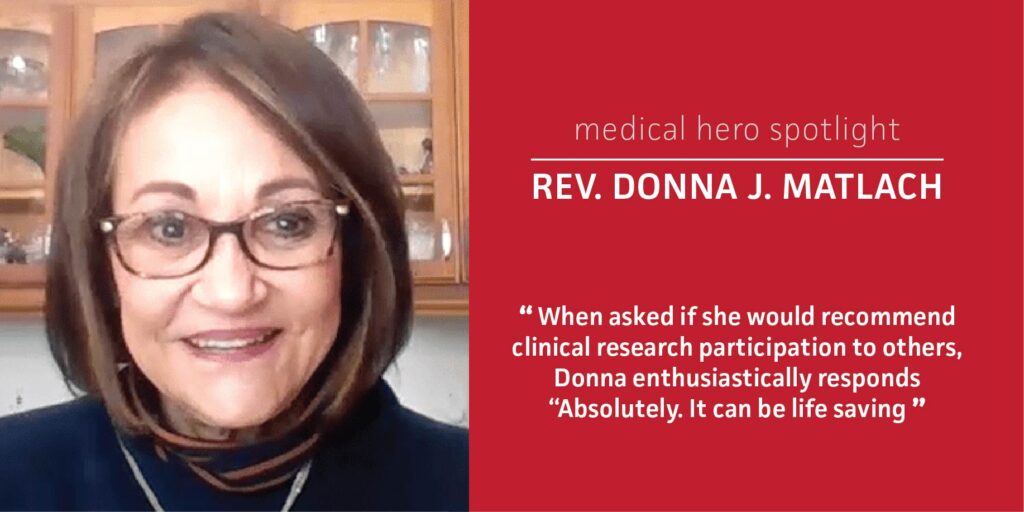
Medical Hero Story: Rev. Donna J. Matlach & Eosinophilic Asthma

Written by Melissa E. Daley, Communications & Marketing Manager| mdaley@ciscrp.org

“My sister Roseanne and and I love the movie, ‘The Wizard of Oz’. I told Roseanne I felt like I was going to see the Wizard. There was so much that happened before I got to see her, just like a lot happened to Dorothy in the movie, recounts Reverend Donna J. Matlach, about meeting Dr. Sally Wenzel of the University of Pittsburg Medical Center to consult about Donna’s severe eosinophilic asthma. My granddaughter, Phoebe, even said ‘Nana is going to see the wizard!’” Donna’s medical journey has been arduous and at times, terrifying, (Donna has had severe eosinophilic asthma for more than a decade) but her upbeat nature shines through during our conversation about her experience with clinical research participation.

“It can’t be controlled with the typical medications that are used with other types of asthma. It’s another level of asthma – it goes up in levels. Mine is severe, which is the highest level. It took many years to figure out why it couldn’t be controlled,” explains Donna.


“I was in and out of the hospital, 3 to 4 times a year, and in the doctor’s office 3 to 4 times per month.


I was on mass quantities of corticosteroids taken orally and by inhalation.” The steroids impacted her overall health, including weight gain and brittle bones leading to several fractures.

The severity of her symptoms sapped Donna of her physical strength, but not her inner fortitude. Taking matters decidedly into her own hands, Donna went on a cross-country journey in order to find medical advice and effective treatment. Conducting a lot of research on her own, Donna visited 28 doctors, the majority being pulmonary specialists, in 12 hospitals, nationwide. In a frustrating turn of events, they all provided different diagnoses and advice. To make matters worse, the nebulizer and cortiscosteroid medications Donna was taking were not adequately controlling her illness.

“My asthma was so misdiagnosed that at one point, doctors from a major medical facility told me I should see a psychiatrist. I was on a nebulizer every hour to stop the coughing and wheezing,” says Donna. “I’ve had over 600 allergy tests. I’m not allergic to anything.” Donna continued on her quest for relief from her symptoms. Donna consulted with a physician in Colorado who recommended she meet with Dr. Wenzel.

“Dr. Wenzel is the guru. She founded the University of Pittsburgh Asthma Institute,” says Donna.

During one of her many visits to Pittsburgh with Dr Wenzel, Donna had video assisted thoracic surgery to take biopsies and view her lungs with a camera. “I woke up with a tube in my chest to prevent my lungs from collapsing. The pain was so bad I ended up having a full-blown asthma attack, even with the pain medication pump. I’ve had a lot of surgeries in my life, including two C-Sections, and this was the worst!” says Donna.

Donna has had two 6-hour surgeries on her sinuses in the past several years. Both times, her sinuses were evaluated to be 98% blocked. “I had no taste or smell for 3 years because the sinuses and asthma were impacting each other. Everything is connected,” says Donna. When Donna arrived for the first surgery, she was told her lungs were too weak to undergo the procedure. Dr. Wenzel was concerned she would not survive the anesthesia. When Donna was able to have the first sinus surgery, several months later, Dr. Wenzel advised Donna that the positive results she was experiencing would last about three years.

“Wouldn’t you know it, it was just about 3 years to the month and I needed to have another surgery. Dr. Wenzel was right – that’s why I call her The Wizard,” says Donna. The second sinus surgery removed a bone from the left and right side of Donna’s frontal sinuses.


Dr. Wenzel advised Donna to investigate participating in clinical research to find other ways to manage her asthma.


Dr. Wenzel assisted her with this process, but Donna was told she was not sick enough to participate in the first clinical trial to which she applied. This was perplexing to Donna because, she recounts that “I have been catching pneumonia twice year!”.

Dr. Wenzel located another clinical trial and Donna qualified as a participant. The clinical trial site was in California.

“I flew from my home in Arizona to California, once a month, at my own cost, for three years. I ended up being a poster child for the sponsoring company. I now speak at lectures for them about my experience, in New York City and other places,” says Donna.

The medication she received in the clinical trial in California was not immediately effective. “It took about 6 months to get into your system. At first it was an IV medication, and then it became an injectable,” says Donna. “My asthma is like a firecracker. It will either fizzle out or it will explode.” A couple of years later, that treatment stopped working.

During this time, Donna’s health was also being monitored in her then-home-state of Arizona. “I was at the Mayo Clinic in Scottsdale, waiting for a lung function test, and while I was there, I had a severe asthma attack. It came out of the clear blue sky. I ended up in the ER. God put me in a place where I could be helped and I wasn’t alone. I’ve had three near fatal episodes because of the asthma,” Donna recalls.

After the clinical trial that Donna participated in, Dr. Wenzel prescribed a biologic that had recently come to market. “It took 4 months for it to start working and I took it for a year. But I was still back and forth with ER visits that always turned into a hospital stay, unfortunately,” says Donna.

During her hospital stays, Donna continued to work on her studies towards her Masters of Divinity. Even though she was very ill, Donna says that “God told me… You’re not done.” She subsequently studied several more years and received her Doctorate in Ministry and Master’s in life coaching.

Dr. Wenzel then prescribed a third biologic medication, which was not part of a clinical trial.

“I go to Pittsburgh twice a year to see Dr. Wenzel and we’ve become close friends. I love her. My heart told me, when I met her, that this was going to be the best doctor I could possibly see,” says Donna, smiling.

Donna’s family was supportive of her decision to join a clinical trial. She looked for patient advocacy organizations for severe asthma, and there were none established at that time.


In response, Donna co-founded the Severe Asthma Foundation with Dr. Wenzel and Brenda, another severe asthma patient of Dr Wenzel’s.  Donna served as president until they were subsequently invited to merge with the Allergy and Asthma Network where Donna serves on the Board of Directors as an asthma advocate.


Donna has experienced, first-hand, the serious impacts of severe asthma. “It’s not just physical. It effects your emotional well-being. It effects your family, your day-to-day life, your finances. No one ever asked me about those things, in doctor’s appointments – not until I met Dr. Wenzel,” says Donna.


When asked if she would recommend clinical research participation to others, Donna enthusiastically responds “Absolutely. It can be life saving.”


“Why would you not? You could have side effects, but for me, how could it be any worse, since I was having near fatal episodes? You have to keep searching. Clinical trials can be the answer. Why would you not want to try it? This is why I am a patient advocate. I love sharing information about clinical trials with people. That’s why I went into the ministry. I know God has a purpose for my life to reach out to people with similar physical issues as a friend, minister, and counselor. ”

To search for medical conditions in a specific location, visit our Search Clinical Trials page.

To stay informed about clinical trials, visit our Resources page.

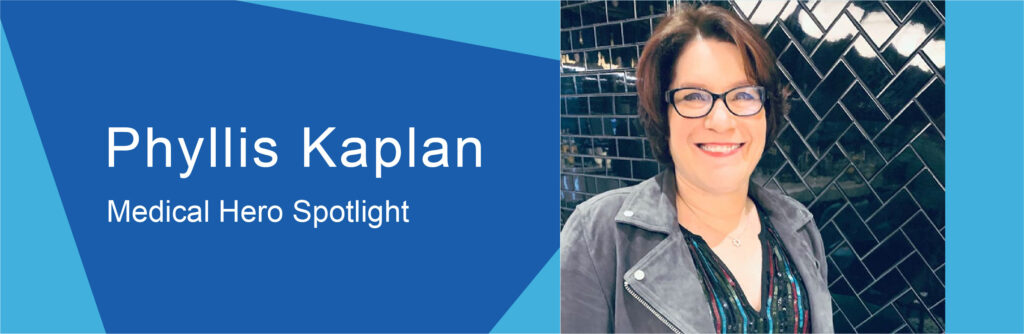
Medical Hero Spotlight: Phyllis Kaplan & Type 1 Diabetes

Written by: Melissa E. Daley, Communications & Marketing Manager, CISCRP

Phyllis has a vague recollection of waking up in a hospital with tubes attached to her body, and a distinct memory of saying, “Take the tubes out!” At the age of two, she was diagnosed with type 1 diabetes, an autoimmune disease, typically diagnosed in childhood, but can manifest at any age. Diabetes has led Phyllis on a path from patient to advocate to clinical research participant.

“I have been an advocate since I was 12 years old. It started in junior high school, in a gym class when the teacher made me take off my medical alert bracelet, due to a ‘no jewelry in gym class’ rule,” says Phyllis. When she went to retrieve the medical bracelet from the gym locker after class, she discovered it had been stolen. This incident spurred Phyllis to write a letter to the town superintendent of schools, demanding its replacement and a change in the rule to allow medical-related items to be worn. By the time the letter had been delivered, the bracelet had been anonymously returned to the school’s lost & found box. Phyllis was allowed to wear the bracelet moving forward.

The most important thing to understand about type 1 diabetes, says Phyllis, is, “The patient or caregiver has to make so many decisions about the disease, every day with no break. With diabetes, every day is different.”

Type 1 diabetes develops quickly. The body’s immune system attacks and destroys beta cells in the pancreas that create insulin. The body cannot produce insulin without these beta cells. Insulin is a peptide hormone that helps your body metabolize fats, proteins and carbohydrates through glucose (a type of sugar) that is released into the bloodstream when you eat food. The glucose is then absorbed from the blood in the liver, fat and skeletal muscle cells. Type 2 diabetes develops more slowly, over time. The body produces insulin, but cannot use it effectively.

Decisions about how much medication to take are based on many variables including food, exercise, change in weather, change in personal schedule, and stress.

“That’s why education is so important,” says Phyllis. “If I am going to exercise, I have to plan ahead, at least a couple of hours before, as exercise impacts blood sugar. There are so many hidden things to know about diabetes that impact your decisions.”


Phyllis has participated in four clinical trials: two for rescue medications for severe hypoglycemia and one for a medical device.


“As a longtime advocate, I felt that participating in a clinical trial was the ultimate form of advocacy,” Phyllis explains.

“The trials were very different from each other,” says Phyllis. “Two of the three were very easy. One involved two full days in clinic, and that was really hard, with nine hours of ongoing blood tests. Those were physically difficult days, but worth it. The other two clinical trials were less invasive.”

When considering the two-day, in-clinic trial, Phyllis and her husband reviewed the protocol together. “I wouldn’t participate without consulting him,” says Phyllis. He accompanied her to the two in-clinic days, to be with her during the nine hours of ongoing tests and to lend additional support.

When asked if she faced any concerns from family or friends about her clinical research participation, Phyllis says, “No, quite the opposite. People were really interested in the ‘why’ of what I was doing and what the outcomes were.” Phyllis didn’t seek any advice from patient advocacy organizations, because of her own experience as an advocate. She is a brand ambassador with Medtronic Diabetes to share her experience with their medical device, and also volunteers with JDRF (Juvenile Diabetes Research Foundation) and ADA (American Diabetes Association).


Phyllis advises individuals considering clinical research participation to “Ask all the questions you have when meeting with the nurse/study lead. No question is too silly.

Read the protocol and informed consent, which can be confusing. Use a highlighter to mark items in the protocol or use Post-its to make notes. Keep asking questions throughout the course of the study. At times the research staff may not always be patient-centric, and if you’re not getting the answers to your questions, ask to speak with someone else on the study team. Be your own best advocate and keep pushing. Researchers are not always prepared to answer patients’ questions. If something doesn’t sit well with you, voice it.”

Her experience as a clinical trial participant has strengthened Phyllis’ commitment in sharing information about the importance of clinical trials to everyone. Phyllis is adamant and passionate about participating in clinical research again if the opportunity presents itself, reiterating,


“Absolutely. Without clinical trials, new treatments can’t happen, and without clinical trial participants, clinical trials can’t happen.”

To search for medical conditions in a specific location, visit our Search Clinical Trials page.

To stay informed about clinical trials, visit our Resources page.
 

Go Back to the Newsletter >