Supporter Spotlight: Janssen

In this edition of the Supporter Spotlight, we are excited to be featuring The Janssen Pharmaceutical Companies of Johnson & Johnson, a major proponent of patient engagement and a national sponsor for CISCRP’s clinical research awareness and patient advocacy initiatives. CISCRP and Janssen recently collaborated on a groundbreaking interactive and experiential mobile unit — the “Journey to Better Health” RV — which traveled around the neighborhoods of Los Angeles during the month of May offering hands-on educational information about clinical research to the public. The “Journey to Better Health” RV also raised awareness of CISCRP’s live AWARE for All community health event held in LA later that month. To hear more about the “Journey to Better Health” RV and AWARE for All program, check out the following article, “CISCRP Educates LA Community with AWARE Program and Traveling Mobile Unit”.

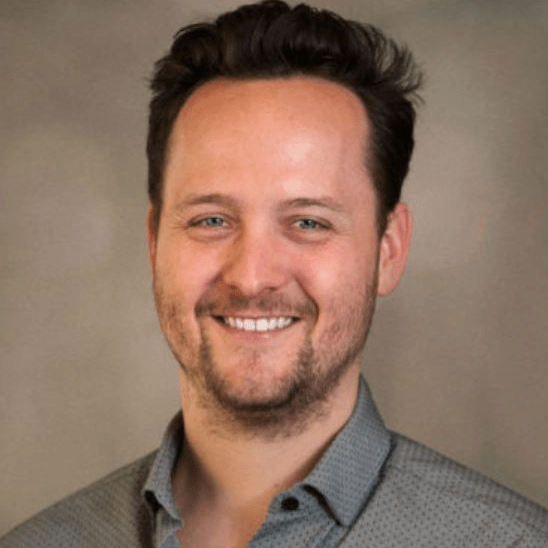
Dr. Andreas Koester, Vice President and Global Head at Janssen Clinical Innovation, commented:

“CISCRP has been spearheading the mission to educate and empower the public about clinical research participation since 2003. It holds an impressive track record in outreach to various communities nationwide through the one of a kind AWARE events. We are proud to have sponsored the AWARE event in LA – one of the most diverse metropolitan areas. A lot of thought went into partnering with CISCRP and Wondros to develop an innovative community outreach tool.”

Andreas also spoke about the “Journey to Better Health” RV, “The mobile unit proved to be a very effective broadcasting channel, yielding nearly half of the AWARE event registrations. It allowed us to interact with hundreds of people from diverse communities across the city. This success is proof, if it needed any, that we can only “go wider and go deeper” if we bring education and information to where the audience is. The mobile unit enabled a leap forward in public engagement and broader reach. As we at Janssen strive to strengthen public clinical research literacy, I look forward to future opportunities for collaboration with CISCRP.”

For more information about Janssen, please visit http://www.janssen.com/.

CISCRP thanks Janssen for its dedication and support in helping to build awareness and to provide education about the importance of clinical research and patient engagement in advancing public health.

We will spotlight a different supporter or volunteer in each Newsletter, so stay tuned for new features each quarter.

Written by Kat Marriott, Marketing & Communications Coordinator

Improving the Clinical Trial Experience: Research Services Shines a Light on the Patient Journey

CISCRP Research Services is on a mission to better understand the evolving needs and preferences of volunteers who participate in clinical research. This has resulted in various innovative collaborations with patients, caregivers and industry stakeholders who are committed to incorporating the patient voice in their drug development processes and improving future participation experiences.

In recent years, CISCRP Research Services has conducted a substantial number of Advisory Boards among both patients and caregivers, which have generated actionable insights on a range of clinical study-related topics such as study design and the informed consent process. Now Research Services is embarking on new initiatives to gain even further insight into the patient experience, with the goal of improving participation and satisfaction with clinical trials. 

These include the Patient Clinical Trial Journey Workshops in which CISCRP facilitators lead patients as they recall their “journey” in a clinical trial, from first learning about their study to their post-participation experience. Through the use of interactive and visual exercises, the Workshops allow patients to map their detailed experiences on a large mural, revealing in-depth patient preferences and areas of opportunity to build the ideal journey.

“Being able to participate in the lupus trial journey workshop made me feel a part of helping the greater conversation around clinical trials,” said one patient who was part of a Workshop. “Talking with the people shaping the messaging for my community made me feel hopeful that together we can make strides in finding new therapies for people like me battling this illness.”

The Workshops provide sponsor organizations valuable information about how to improve the clinical trial experience for patients through a visual final report, which include maps of patients’ actual and ideal clinical trial experiences along a participation timeline.

In other initiatives, CISCRP has worked to bring the voice of the patient to sponsor organizations by presenting findings onsite from the latest CISCRP Perceptions & Insights studies, a global survey conducted every other year to monitor public and patient perceptions of clinical research. CISCRP has also facilitated meetings to leverage these findings and improve patient engagement strategies within organizations. These onsite meetings have led to an increased understanding of the attitudes and experiences of patients and how clinical trials could be designed to better recognize and support their specific needs, while minimizing the burdensome aspects of participation.

“We’ve learned so much from patients and their caregivers over the years and that in turn has helped sponsors transform their clinical trials,” said Annick Anderson, director of Research Services. “We’re excited to offer a variety of easy-to-implement patient engagement tools for sponsors and other organizations to help enhance enrollment, retention and compliance measures while delivering a better patient experience.”

Written by Lewis Rice, Senior Editor of Patient Communications

Remembering Rachel Minnick: A Passionate Clinical Trial Volunteer and Advocate

Rachel Minnick dedicated much of her life as a medical hero.  We honor and remember her legacy.

Rachel, who served as Senior Manager of Marketing and Patient Engagement Alliances at CISCRP, passed away in April of this year at age 39.

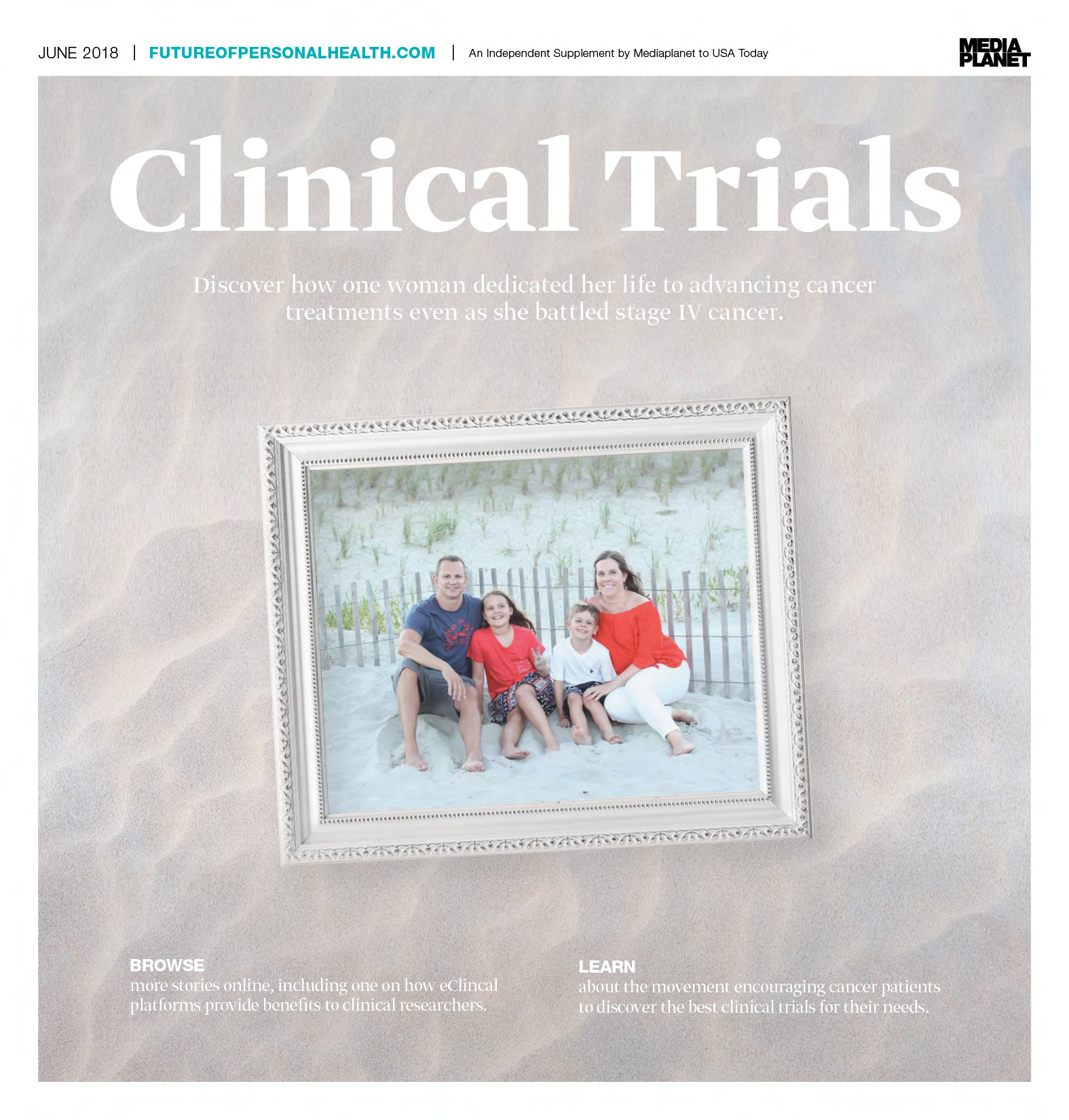
Diagnosed with stage 2 breast cancer in 2013, the wife and mother of two fought back fiercely against the disease with a double mastectomy, chemotherapy and radiation. She participated in a clinical trial. And she worked tirelessly to educate others about their treatment options and the clinical research process.

“Rachel had direct experience, which gave her such an inside perspective,” says CISCRP founder, Ken Getz. “It fed her compassion and helped her understand, even more deeply, what so many patients are going through.”

Her husband, Pete Minnick, adds, “Rachel was always pro research, pro clinical trials. She always had that mindset ‘we’re on the cutting edge of medical breakthroughs and technology,’ and she wanted to be on that cutting edge.”

Her cancer was in remission from 2014 to early 2017, until she began experiencing pain in her back and neck. Then her doctors informed her that the cancer was back and had spread to her bones.

“That was a huge blow to us,” Pete says, noting it was stage 4 cancer. “She knew she wasn’t going to be cured.”

In early 2018, the cancer spread to Minnick’s lungs and liver.  She was actively looking for her next clinical trial when she passed away.

Meaningful Work

Getz says Minnick’s legacy lives on through her work: the panels she moderated, the clinical trial awareness initiatives that she spearheaded, her collaborative projects, and the enduring educational brochures, newsletters and other patient communications she wrote during her time with CISCRP.

She was passionate about her job for many reasons. She could focus on the patient community and it also allowed her to work from her Philadelphia-area home, which gave her the opportunity to continue her medical care as well as spend time with the couple’s children, Emily and Sam, now ages 9 and 7.

Being a part of CISCRP was more than a job for her. CISCRP gave her the opportunity to offer hope to other people who were in her same situation.

“She felt like she was helping the entire clinical trial community as well as doing something she liked,” says her husband.

Pete Koerner, a pharmaceutical industry colleague, who worked with Rachel and the CISCRP team for two years, described Minnick as someone who was always enthusiastic, passionate and dedicated to her family, her staff and her work.

“She was invested in clinical research,” says Koerner, explaining Minnick was proud to be the patient voice and wanted to advance the techniques and technologies in the clinical trials process.

She also motivated everyone she encountered at CISCRP and shaped the organization in lasting ways, Getz notes.

Getz reflects on Rachel’s lasting impression, “Her compassion combined with her professionalism and the passion that she brought to CISCRP has inspired so many people – those who reported to her, those who she mentored, and those with whom she collaborated. That will stay with us forever. She truly helped to define our culture and evolve it in such meaningful ways.”

Those interested in making a contribution in Rachel’s memory may send donations to the Breast Cancer Research Foundation.

2018 June Edition

A Very Special Thanks to Our Sponsors:

Clinlogix
Merck
One Person Closer
WCG
Global Care Clinical Trials
Bristol-Myers Squibb
Janssen
Otsuka
Horizon Pharma
PMG Research
Segal Trials
Pfizer
EMD Serono
ACRP
Sanofi
Lupus Research Alliance
Stormont Vail Health
Wondros

CISCRP would like to recognize and thank Praxis for donating their pro-bono graphic design expertise to create the thank you to trial volunteers advertisement.

CISCRP’s Clinical Trial Results Service: A Tool for Driving Patient Engagement

Patient engagement is no longer just a buzzword in the clinical research industry. It’s a movement that demands attention and concrete steps to take action. One very practical method is to enhance communication with clinical trial participants through the delivery of lay language clinical trial result summaries. Developing these capabilities and leveraging lay summaries can be a powerful tool to add to an organization’s patient engagement toolbox.

CISCRP’s Communicating Trials Results service directly supports the development of lay language summary programs. Our dedicated team of lay language experts, medical writers, and senior editors, work directly with some of the top pharmaceutical and industry companies in the world to assist them in disseminating plain language trial results to their clinical trial participants.

To understand why these communication programs can be such an effective tool for patient engagement, we have identified both ethical and strategic reasons for adding lay language summaries to the clinical research process.

Meet Participant Expectations
Every other year, CISCRP conducts a global survey to better understand patient and the public’s perceptions about the clinical research enterprise. Most recently in 2017, we surveyed over 12,000 people and when asked specifically about receiving trial results summaries, 72% of the respondents reported that they do want a summary of their results, 91% think receiving these results is really important, and 53% reported that they have never received a summary of results. This data supports the idea that participants want to know what was learned from their clinical trial participation and find it to be an important component of the overall experience.

Demonstrate Appreciation 
Lay language summaries, along with frequent communication, signal to patients that they are valued contributors to the clinical research process. There is an ethical obligation to show patients that they are partners in the quest to improve the future of public health.

Reinforce Meaningful Experience
Distributing lay language summaries and other communications through the investigative site staff offers a chance for the site to stay in touch with and engaged with the patient during and after the trial. These important touch points help to reinforce site-patient rapport and provide much-needed and appreciated closure.

Build Public Trust and Research Literacy
Providing lay language summaries is a chance to show a commitment to scientific transparency and increased public visibility. This will help to build public trust in the clinical research enterprise and promote a greater public awareness and understanding of the research process.

Improve Recruitment and Retention
Again citing data from the 2017 CISCRP Perceptions and Insights Study, it was demonstrated that when participants received a summary of their trial results, this correlated to them reporting that the study greatly exceeded their expectations and they were more likely to share the experience with friends and family. In a time when patient recruitment is challenging and low enrollment often delays the start of potentially life-saving clinical trials, it is critical for participants to have a good experience and be willing to share this with others, who in turn may look to also join clinical trials.

Returning trial results is a way to show study volunteers that they are valued and engaged partners in the clinical research process. It’s an essential and practical tool for patient engagement.

To learn more about CISCRP’s Communicating Trial Results service and how to implement your own lay language summaries program, contact Jill McNair, Senior Director of Patient Engagement or Jay Matthews, Business Development Executive. 

By: Rachel Minnick

Supporter Spotlight: WIRB-Copernicus Group

In this edition of the Supporter Spotlight, we are honored to be featuring WIRB-Copernicus Group® (WCG) for their dedication to CISCRP’s mission of raising public awareness and education about clinical research. Last year, WCG not only sponsored our Chicago Medical Heroes 5K Walk & Run to help honor study volunteers that participate in clinical trials, but they also held a reception, in our honor, and surprised us with a generous donation to further support our many patient and public outreach programs.

We asked WCG to share more about their commitment to clinical research outreach and awareness and how these efforts support their overall mission.

CISCRP: In addition to your support of CISCRP’s Medical Heroes Appreciation 5K event in 2017, can you describe WCG’s broader commitment to raising public awareness and public literacy about clinical research?

WCG: “Social responsibility and philanthropy are important elements of the WCG culture. Each year we participate in numerous fundraising activities—both big and small—to improve the delivery of healthcare worldwide. From our non-profit WCG Foundation™, established to raise the global standard of ethical research, to our annual “Party with a Purpose” at DIA, to the many charity walks and drives that we participate in throughout the year, we tend to define “doing well” by “doing good.”

But educating the public about the importance of clinical research is more than a philanthropic endeavor; it is central to the future of clinical development. Each year, we are honored to support CISCRP’s Medical Heroes Appreciation 5K events, which measurably increase public awareness and literacy. In addition, we provide the public with valuable information and thought leadership through CenterWatch and FDANews —two of the leading publishers in the life science industry, and members of the WCG family. These organizations work tirelessly to engage the public in a conversation about clinical research; where it is, where it’s going, and how we can work together to make a difference.”

CISCRP: How do these initiatives fit into your organization’s overall mission?

WCG: “For 50 years, WCG has safeguarded the rights and well-being of research participants. Today, we’re helping to accelerate the pace of ethical research. Our solutions not only protect the rights and welfare of study volunteers, but also help to promote clinical trial efficiency. We’re using our unique knowledgebase and unparalleled data to eliminate waste from clinical research and help the industry to run faster, more efficient clinical trials.”

CISCRP: CISCRP was honored to receive a special award from WCG at the 2017 DIA Annual meeting. Tell us about this award and what led WCG to select CISCRP as the recipient?

WCG: “For 15 years, CISCRP has played a critical role in educating the public about the importance of clinical research participation, and provided powerful resources to benefit every member of the clinical trials ecosystem. It was our privilege to recognize CISCRP for its outstanding contribution to the field of clinical research, which includes reaching ONE MILLION households through its AWARE for All program. By promoting informed participation in clinical research, CISCRP is helping to make progress possible.”


For more information about WCG, please visit www.wcgclinical.com
We want to thank WCG for their dedication to CISCRP’s mission and for helping to create awareness about the importance of clinical research. 

We will spotlight a different supporter or volunteer in each Newsletter, so stay tuned for new features each quarter.

By: Rachel Minnick 

MT Pharmacy: Reactions to CISCRP’s New Educational Public Service Initiative

CISCRP recently launched a digital public service initiative called the “MT Pharmacy” designed to increase awareness of the important role that clinical research participants and clinical trials play in advancing public health. The MT Pharmacy video captures reactions and highlights from a temporary store-front pharmacy that was set up on a busy street in Newark, NJ and featured vacant shelves and barren displays – a completely empty pharmacy. The purpose of the initiative was to show that without clinical trials, pharmacy shelves would not carry the necessary medicines and therapies that are used to treat diseases and illnesses for millions of people around the world. 

The video runs a little over 3 minutes in length and to date has received over 5,000 views across various social media platforms. Overwhelmingly the reactions from industry professionals, patients, and members of the public have been that the MT Pharmacy showcases an important and critical message about the importance of clinical trial participation. Many have commented that it’s an innovative approach to educating the public about clinical research and challenges people to think differently about how medicines are brought to pharmacy shelves. As more and more people view and share the video, there are new opportunities for open dialogue about what it means to participate in a clinical trial. The initiative helps to make the topic of clinical research and clinical trial participation personal and relevant. 

The MT Pharmacy video has also been viewed at several industry events and symposiums and shared among research and industry professionals. The initiative was sponsored by Sanofi USand was developed with the assistance of Langland. Many organizations have expressed interest in working with CISCRP to replicate this initiative within their own cities as a way to further increase public impact.

The MT Pharmacy has already received accolades by taking place as 1st Runner Up in the SCOPE 2018 Participant Engagement Awards. CISCRP plans to submit the MT Pharmacy to several other outreach and awareness awards throughout the year. 

In an effort to encourage clinical trial awareness and education we encourage our CISCRP community to view and share this important video with family and friends across social media using the hashtag #mtpharmacy. The link to the video can be found here: https://youtu.be/w90COWBW03g

By: Rachel Minnick

Letter from the Editor

Dear Readers,

I am excited to kick off 2018 with our latest newsletter, filled with articles and information about some key programs, initiatives, and events and that we’re looking forward to in this upcoming year. 

But first, I wanted to share that we’ve changed the name of our newsletter to “Partners in Clinical Research: For Public, Patient, and Professional Awareness and Engagement.” This change reflects the content of our quarterly newsletter, which is geared towards a wide variety of stakeholders in an effort to facilitate awareness, engagement, and partnership in the clinical research enterprise.

In this edition of our newsletter we are honored to be spotlighting Peter and Vicky DiBiaso in our Medical Hero Spotlight. This husband and wife team share their inspirational story of clinical trial participation for Parkinson’s disease and why they’re encouraging others to get more involved in clinical research.

We’re also giving readers a look at how our Communicating Trial Results service is providing sponsors with an effective tool for patient engagement. And we’re featuring WIRB-Copernicus Group in our Support Spotlight and sharing a bit about their organization’s commitment to patients and clinical research awareness. 

For those who have not yet had a chance to read the results of our 2017 Global Perceptions & Insights Study results, we’re including an article to summarize some of the key findings and data points from that study. We encourage our professional audience to utilize this survey data to help improve their own clinical research practices and elevate patient experiences with clinical trial participation.

I’m very excited to share that our calendar of events for 2018 is quite full. We have AWARE for All events scheduled in Washington, DC on April 19th, Los Angeles, CA on May 19th, Dublin, Ireland on October 17, and are working to finalize dates for AWARE for All events in Boston, MA and Atlanta, GA for the fall! We also have our Medical Heroes Appreciation 5K Run & Walkscheduled for June 25th in Boston, which will be held in conjunction with The DIA 2018 Global Annual Meeting. We are always looking for individuals and companies to get involved, so if you are interested in any of our events, please contact Ellyn Getz for more information.

Lastly, we’re featuring an article about the reactions from the release of our MT Pharmacy public service initiative. And if you haven’t had a chance to view the MT Pharmacy video yet, please do so, and help us to spread the word about why clinical trials are so important to the future of medicine.

Thank you for your continued support as we work to build greater awareness and education around clinical research.

Thanks for Reading,
Rachel

Highlights from CISCRP’s 2017 Perceptions & Insights Study

Last year, CISCRP conducted a survey of over 12,400 public and patient respondents from around the globe to gather insights on their perceptions and insights on clinical research. This study, conducted in 2013, 2015, and again in 2017, serves to establish routine global assessments of public and patient perceptions, motivations, and experiences with clinical research participation in an effort to monitor trends and identify opportunities to better inform and engage the public and patients as stakeholders and partners in the clinical research enterprise. 

Annick Anderson, Director of Research Services, notes, “Sponsors and other clinical research stakeholders will be able to leverage the findings in this study to improve upon their own patient engagement strategies.”

The complete results of the survey have been summarized in 3 downloadable reports that can be found on the CISCRP website. Below are some of the highlights of the data gathered from the survey.

How do study participants first learn about clinical research opportunities?
Primary care doctors or specialists, research center doctors or study staff, and advertisements remain where study participants most often first learn about their clinical trial. Hispanics were more likely to learn of a study from their significant other, pharmacist or pharmaceutical company website. And younger people were more likely to have first learned of a clinical trial from online patient communities or through social media.

How important is it to be aware of clinical research studies in your own community?
In general, the majority (84%) of the public feels it is important to be aware of studies being conducted in their own communities. Notably, an even larger proportion (95%) indicates it is also important for their regular doctor to be aware of studies.

Why do people choose to participate in clinical trials?
Altruistic reasons and obtaining better treatment are the most common participation motivators followed by monetary compensation.

What information do people want to know before making a decision to participate? 
When considering participation in a clinical study, the most important information includes the potential risks and benefits (83%) and the study purpose (75%). More practical aspects closely follow such as the medical procedures required, confidentiality protection, physical site location, potential costs and reimbursements, length of participation, and access to a study summary.

How does knowledge impact clinical research perceptions?
People who are more informed about clinical research generally express more positive views towards the enterprise and want to be aware of clinical studies being conducted in their own communities. People who are less informed about clinical research are less likely to trust pharmaceutical companies, less likely to think clinical research is important to the discovery of new medicines, are less interested in being aware of studies conducted in their communities, and are less likely to think that clinical trials are safe.

Do people want to know the results of their clinical trial?
As found in prior studies, the majority (91%) of the public finds receiving a study summary after participation to be very important. Yet 53% of those who have participated in a clinical trial have never received a report or an update on the study results once it ended. Furthermore, about a quarter of study participants reported never receiving any updates while they were enrolled.

Would clinical trial participants be willing to participate in another clinical study and would they recommend participation to others? Similar to findings in prior years, the vast majority (94%) of clinical trial participants reported being willing to participate in another clinical study. And most would also recommend participation to others if appropriate.


These are just a few of the high level findings. CISCRP has published more detailed findings in reports and journal articles. To read detailed reports, please visit the CISCRP Website. If your organization is interested in looking at detailed custom analysis by subgroup (e.g., gender; disease severity; race; ethnicity; age) and by specific therapeutic area, please contact Annick Anderson at annickanderson@ciscrp.org.

Educating Local Communities: Spotlight on CISCRP’s AWARE for All Program

CISCRP’s AWARE for All flagship initiative is a fifteen-year-old, internationally recognized program developed to address health disparities and low levels of clinical research literacy. In an effort to integrate with local health systems and community outreach channels CISCRP works to bring together healthcare professionals, faith-based groups, minority community centers and leaders, researchers, patients, and members of the public. CISCRP’s AWARE for All program has visited and helped educate over 60 communities since its inception. AWARE’s schedule of events for 2018 includes Washington, D.C. on April 19, Los Angeles, California on May 19, Dublin, Ireland on October 17, and in Boston and Atlanta this Fall (dates TBD).

AWARE events typically attract between 300 to 600 patients and members of the public, including family members and caregivers. As a non-profit that does not conduct or recruit for clinical trials, CISCRP is uniquely positioned as a trusted source for grassroots education about clinical research participation. Through collaborations with over 200 community and health groups, the program is heavily marketed to minority populations that are severely under-represented in clinical trials. Of AWARE’s 18,283 total attendees, approximately 60% have self-reported to be a member of an underserved community group. Ellyn Getz, CISCRP’s Senior Manager of Development and Community Engagements notes, “With our internationally recognized program we seek to connect and educate local community members to empower and enable them to make informed decisions regarding their health care options.”

At every AWARE event, attendees are asked to fill out surveys. These surveys collect their demographic information as well as their attitudes regarding the usefulness of the information presented and the likelihood of their volunteering for a clinical research study, etc. This data proves to be a useful tool to improve the program. Consistently, our data has shown that 92% of AWARE participants are more likely to volunteer for a clinical study after they have attended our program (92% post-program vs. 43% pre-program), 95% of our attendees are likely to tell their family and friends about something they learned at our program, and 91% would consider suggesting that their family or friends participate in a trial.

Since 2016, CISCRP has been developing new add-on elements to the AWARE for All engagement campaigns to create awareness around clinical research and generate buzz leading up to the events. Most recently, CISCRP collaborated with Sanofi and Langland on the MT Pharmacy initiative, a pop up store that demonstrated what modern medicine would look like without clinical trials and study volunteers. Over 450 people visited the MT Pharmacy during the week it was open in Newark, New Jersey and around 120 of those individuals attended the AWARE-Newark program after their visit. The video of the award-winning MT Pharmacy initiative can be viewed on CISCRP’s Youtube Page

CISCRP plans to replicate this initiative globally to elevate knowledge and literacy about clinical research participation. CISCRP is also currently collaborating with Janssen and Wondros to develop a mobile unit that will travel around Los Angeles in the weeks leading up to the AWARE – LA 2018 program this coming May. The RV will contain interactive displays with information about clinical research, as well as information about the upcoming AWARE program at USC. 

One of the biggest take-aways from the AWARE for All campaign has been to cultivate a strong, dedicated team of local supporters to help steer and customize this initiative to be both culturally-sensitive and relevant to the local community. CISCRP looks to local organizations to support the program in a variety of ways: sponsorships, outreach assistance, health screenings, speakers, volunteers, and exhibitors. In exchange, organizations receive unprecedented visibility via event marketing, including branding opportunities on event collateral and materials. Please contact awareforall@ciscrp.org to learn more and to bring AWARE for All to your local community!