Medical Hero Spotlight: Trishna Bharadia, Advocate for MS & Other Chronic Conditions

Written by Lindsey Elliott, Marketing & Communications Manager, CISCRP | lelliott@ciscrp.org

Living With Multiple Chronic Conditions
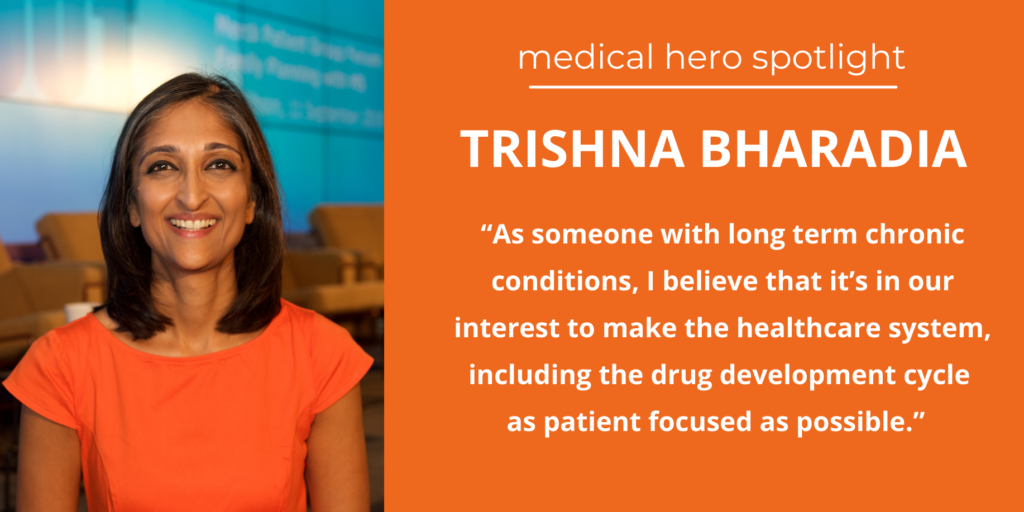
“As someone with long term chronic conditions, I believe that it’s in our interest to make the healthcare system, including the drug development cycle as patient focused as possible,” says Trishna Bharadia, advocate for Multiple Sclerosis and many other conditions. “At the end of the day, nearly everyone will be a patient or care partner at some point in their lives. We should be working to make the system more patient-focused.”

Trishna works as a Spanish-English translator for a business intelligence company in the UK, but her self-employed work, including her advocacy initiatives and patient engagement consulting are what she is most passionate about. Trishna lives with several chronic conditions, including Multiple Sclerosis, Obsessive Compulsive Disorder, Irritable Bowel Syndrome, Urticaria, and Angioedema.

Multiple Sclerosis (MS) Diagnosis

Trishna was diagnosed with MS in 2008 at 28 years old. She began showing symptoms three years prior to this diagnosis, beginning with the loss of strength in her hands, and progressing to the loss of feeling on one side of her body. These symptoms triggered Trishna’s journey into the MS diagnostic pathway. She was first referred to a neurologist and underwent testing before receiving her diagnosis of relapsing MS.

“An important fact to keep in mind about MS treatment is that no people experience the disease in the same way,” Trishna explains. Different patients may have different combinations of symptoms and the progression of the disease can also vary. A prime example of this occurrence can be seen within Trishna’s own family. Diagnosed in 2011, Trishna’s twin sister also lives with MS but experiences some different symptoms and has opted for different treatment options.

In Trishna’s case, the standard treatment for her relapsing MS differs from progressive MS. “With my MS, disease modifying therapies are the most common form of treatment. I have been on two of these therapies but unfortunately had issues both times. With the first medication I was on, I developed neutralizing antibodies and became immune to the treatment. The second time, I had adverse side effects including the urticaria and angioedema which then became chronic conditions,” she recalls.

Obsessive Compulsive Disorder (OCD) & Irritable Bowel Syndrome (IBS)

Trishna’s other conditions were not diagnosed until several years after her MS diagnosis. “I lived with symptoms of OCD throughout my childhood and adult life but was not diagnosed until my early 30s,” she explains. “My journey with IBS began around that time as well. Although I had been experiencing some symptoms since a bout of food poisoning many years ago, it was in 2018 that I had a flare-up while travelling abroad for advocacy work and felt so sick I barely ate for several days. When I returned home, I was tested for various conditions, including inflammatory bowel disease which my younger sister lives with, and by process of elimination was eventually diagnosed with IBS,” Trishna shares.

Urticaria & Angioedema

Trishna also works to manage two chronic conditions called Urticaria and Angioedema, both of which began for her in 2013, likely as a result of one of her MS treatments. Urticaria causes chronic hives and angioedema causes deep tissue swelling, often in the face. Although Trishna is currently in remission for both conditions, she notes that it took about 4 years to get the symptoms under control through medication, identifying triggers, and altering her diet. 

“I was having symptoms every day and had to be put on a high dose of steroids and antihistamines to control it,” Trishna recalls. “At one point, these conditions were distressing me more and actually having a greater impact on my life than MS was,” she remarks. “During my first episode of angioedema I could hardly open my eyes, they were so swollen. I looked as though I had been in a boxing match. It was very damaging for my confidence and self-image.”

Clinical Trial Participation

Trishna has been involved in a variety of different types of research studies for MS, including giving biological samples such as blood or saliva for genetic testing, filling out surveys or questionnaires for organizations she is a part of, and even partaking in an exercise intervention study to research what type of fitness routine is most effective for MS patients.

“I am a part of the UK MS register as well as the Twins UK register, so I fill out a lot of surveys for both groups to help drive research for these communities. During the beginning of the pandemic, I participated in a COVID-19 antibody study involving twins through this register by submitting a blood sample,” Trishna explains.

Trishna’s decision to participate in research stems from her belief that clinical trials are vital to the understanding of MS and for the improvement of treatments and access to care for patient communities. “If I can help in some way, then I will. I want to provide a better future for those of us who are living with these conditions and for the people who are yet to be diagnosed.”

Although Trishna has participated in multiple research studies, she has not chosen to join any drug therapy clinical trials. Although having been offered the opportunity, Trishna shares, “I turned them down for different reasons. When consulting with pharmaceutical organizations or CROs to help drive patient engagement, I often remind companies that it is just as important to find out why someone may have turned down a trial as it is to find out the experiences of those who chose to participate.”

In Trishna’s case, there were several reasons why she decided participation wasn’t the best choice for her, including considerations of travel, time involvement, and alternative treatments that were already available to her.

Advocacy Work

Although Trishna lives with multiple conditions, her path to becoming an advocate began the moment she was diagnosed with MS. “I was handed a list of 4 medications by my neurologist and told to come back in a month with a decision of which treatment I wanted to start. There was no help offered in terms of resources or support and it left me feeling lost,” she reflects. “I realized while I was having this experience that there were likely many other people with MS feeling just as alone and as uncertain as I felt.”

From there, Trishna stepped into the world of patient advocacy by joining different national MS organizations in the UK. She began working to raise awareness about MS through campaigning and speaking at different events. “I got involved because I wanted to bring the patient voice into the healthcare system in a way that was louder and more effective than present. I hoped to raise awareness about what it is like living with a chronic illness to try and reduce the stigma I could see happening to people living with these conditions, especially within my South Asian community,” Trishna says.

After speaking at several events, Trishna was approached by larger pharmaceutical companies, clinical research organizations, and healthcare industry professionals who wanted her consultation on their own work in patient engagement. Trishna’s consultancy work began then, focusing on advising companies on good patient engagement practices, health literacy, and improving diversity in clinical trials.

“There are many issues in the healthcare system that affect multiple patient communities. My consultancy work now spans to include a variety of different diseases and I have the opportunity to work nationally and internationally with different stakeholders,” Trishna says.

Trishna has worked on a variety of projects, with the goal to make each step of the clinical trial process more accessible and easier to understand for patients. These include designing clinical trials, advising companies on designing trial protocols, reviewing informed consent forms and other patient materials, advising vendors that are providing tools and solutions to be used during a trial, and helping to develop materials for patients when a trial has ended such as plain language summaries of clinical trial results.

“As advocates we do so many different things like campaigning, driving policy, fundraising, speaking to the media, and working with different stakeholders. I prefer to refer to myself as an advocate, not a patient advocate because I feel that term puts my condition before my work. We are people and advocates first, patients second,” Trishna explains.
National Recognition

Early on in her work, Trishna didn’t realize what she was doing was considered advocacy, noting, “I was just doing what I felt needed to be done.” The impact of her work hit home for Trishna in 2013 when she was awarded the MS Society Volunteer of the Year Award. Since then, Trishna has received many other awards for her work, including a Points of Light Award in 2018, an Honorary Membership of the Faculty of Pharmaceutical Medicine, a Faculty of the Royal Colleges of Physicians of the UK in 2021, and the opportunity to participate in a special 4-part edition of the hit TV series, Strictly Come Dancing, the UK equivalent of Dancing with the Stars.

After the show aired, Trishna recalls being inundated with messages of gratitude and support on social media from viewers who shared that her story had helped begin conversations among friends, family members, and in communities.

“It was such an amazing experience and opportunity for my advocacy work. I got to go on national TV as an Asian person living with MS, an invisible disability, and spread awareness among people who may have known nothing about the disease previously,” Trishna notes. “The legacy has been that we were able to educate so many people as a result.”

To search for medical conditions in a specific location, visit our Search Clinical Trials page.

To stay informed about clinical trials, visit our Resources page.

Medical Hero Spotlight: Madhura Balasubramaniam, IBD Crohn’s Advocate

Madhura Balasubramaniam

Written by Lindsey Elliott, Marketing & Communications Manager, CISCRP | lelliott@ciscrp.org

Living With Crohn’s Disease

Although she was only diagnosed with Crohn’s disease in 2019, Madhura Balasubramaniam has been struggling with Inflammatory Bowel Disease (IBD) for most of her life. After a tentative diagnosis of celiac disease in 2005, Madhura opted for a gluten- free diet, hoping to manage her daily symptoms. It wasn’t until her Crohn’s diagnosis years later, that Madhura began her journey towards patient advocacy for the South Asian IBD community. 

Crohn’s disease is part of a series of diseases that fall under the umbrella of inflammatory bowel disease. Crohn’s is a chronic autoimmune condition, progressive in its nature, with the ability to remit and relapse. Crohn’s and other forms of IBD can be treated with a variety of different medications, ranging from immunomodulators to biologics as well as surgery.  

As Madhura notes, “The goal of IBD treatment and care is to ensure that patients enjoy the best quality of life possible, despite the chronic nature of the condition.”

South Asian Culture & IBD Treatment

Madhura lives in Chennai, India, where cultural beliefs and stigma play a significant role in the way South Asian patients with IBD view their disease and seek treatment. Madhura explains, “There is a prevalent belief in the South Asian community and across the diaspora that chronic digestive conditions are induced by a patient’s diet or lifestyle choices, but that’s not the case. All IBD patients may struggle with this stigma, but it is especially difficult for South Asian patients. There is nothing we did as individuals to cause our IBD.” This cultural belief can make patients feel unfairly responsible for their disease.

“There’s the expectation that you should be trying to cure yourself through diet or lifestyle changes, when IBD has no cure. When this ultimately fails, patients may be accused of not trying hard enough. This condition doesn’t respond to those types of modifications and needs long-term medical management,” Madhura says.

Another important factor to note regarding South Asian culture, when considering conditions like IBD is the avoidance and fear of taking medication that exists among its community members. Madhura reflects, “There is a deeply rooted mistrust of medicine, reinforced by poor treatment in the western medical system for minority communities. This is in part why South Asians avoid taking medication, viewing it as a last resort. Additionally, many believe that medication is only a ‘band-aid’; it addresses the symptoms of the illness but does not provide a cure.”

With a pervasive stigma surrounding medication, complimentary or alternative medicine is revered and very popular for South Asian community members. “Practices like Ayurveda and Homeopathy are popular because they profess to treat the whole patient, claim to have no side effects, and promise ‘cures’,” Madhura notes.

“While alternative therapies can, in some contexts, serve as an excellent supplement, I don’t believe they can fully manage a disease like Crohn’s, and they should certainly not be used as a means to justify blaming patients who are struggling with their symptoms.”
Journey to Patient Advocacy

When reflecting on becoming a patient advocate, Madhura explains that her path to advocacy was gradual, and not without overcoming her own internalized beliefs and stigma.

“Throughout my childhood, I felt like I was the only one with my symptoms. I knew no one who had IBD. It was only after my diagnosis that I started speaking about it with others, that other people in my life spoke up about having IBD or knowing someone else who has it. That’s because IBD is so stigmatized in the South Asian community. Talking about chronic bowel symptoms is considered unsavory. I had internalized these norms, so I never shared that I had these conditions. Growing up, I rarely spoke about having a gluten-free diet and never said why. I grew to be ashamed of my symptoms.”

When she was finally diagnosed with Crohn’s in 2019, Madhura describes the feeling of a weight being lifted off her shoulders. “I was so relieved to have answers, but I continued to struggle with the stigma that exists in my culture. I thought I wasn’t sick enough to warrant a biologic treatment.”

After rapidly losing weight and experiencing malnutrition, Madhura’s GI recommended a feeding tube placement. Reaching that point changed Madhura’s perspective on her condition. “This moment is where my IBD advocacy began because it is where my personal advocacy began for my own care. I realized I needed to ask for help to overcome these internalized beliefs and begin to accept medicine. I also started seeking out other South Asian patients with IBD for support.”
Forming Patient Support Networks

Through social media, Madhura found other patients like herself. She met Tina Aswani Omprakash and others. Together with Sharan Kaur and Surakhsha Soond, they founded IBDesis “This is a platform created by a team of South Asians from South Asia and the diaspora, dedicated to uniting and empowering South Asians living with inflammatory bowel disease across the globe.” The creation of IBDesis, which began as a private patient support group on Facebook, has helped bring South Asian individuals living with IBD together, creating a non-judgmental space for members to seek encouragement or ask for advice.

Madhura shares, “We wanted to identify the unmet needs of the South Asian IBD community and find solutions to address these problems. As our community grew, we recognized the importance of including clinicians together to push for change for patients. This was the foundation for forming the South Asian IBD Alliance (SAIA), the first patient-clinician collaborative organization in the IBD space.”

Through the formation of SAIA, Madhura and her co-founders hope to create more accessible educational resources for patients and healthcare providers, minimize disparities the South Asian community faces, improve access to treatment for patients, and increase the participation of South Asian patients in clinical trials. IBDesis is the patient advocacy arm of SAIA.

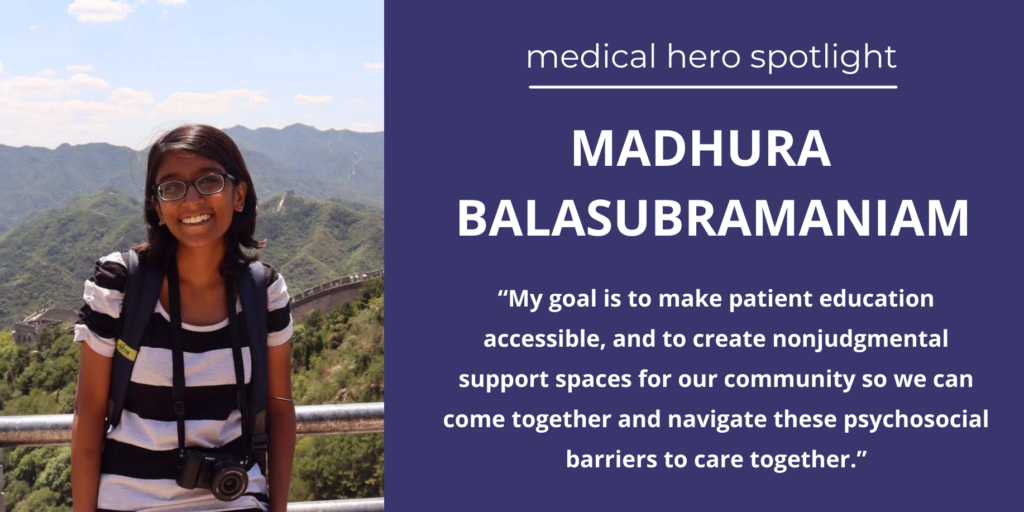
“My goal is to make patient education accessible, and to create nonjudgmental support spaces for our community so we can come together and navigate these psychosocial barriers to care together.”
Clinical Research & Advice for Advocacy

Although Madhura has not participated in a clinical trial herself, she believes they are incredibly important for the IBD community. “My current diagnosis and treatment are only possible because of the patients who came before me and participated in trials. I am deeply grateful for these IBD patients and the trials available in the IBD space because it makes me feel like I have resources and options in my toolkit,” she says.

When it comes to being a patient advocate, Madhura shares some of her own advice and lessons learned: “Two things that have helped me are employing empathy and active listening for other patients. It’s critical in advocacy that we understand another person’s perspective and value their experiences. There is diversity in experience even in patient communities. Be willing to constantly learn and grow from patients and providers. The more education you have, the more knowledge you can share with your community and the more gaps and unmet needs you can identify and work to solve.”

“I never set out to be an IBD patient advocate. I saw incredible courage from other patients, and they helped me find my voice. The work I do now is to help pay that experience forward.”

To search for medical conditions in a specific location, visit our Search Clinical Trials page.

To stay informed about clinical trials, visit our Resources page.
Sources:

https://ownyourcrohns.com/ibdesis/

https://www.southasianibd.org/

IBDesis Private Support Group: https://www.facebook.com/groups/ibdesis

IBDesis social media handles: @ibdesis


SAIA social media handles: @southasianIBD

Press Release: Center for Information and Study on Clinical Research Participation Receives National Award from Health Industry Leaders

Healthcare Leadership Council Honors CISCRP for Promoting Engagement and Partnership Between Clinical Research Professionals, Patients, and the Public

CAMBRIDGE, MA – The Healthcare Leadership Council (HLC) honored the Center for Information and Study on Clinical Research Participation (CISCRP) with its Redefining American Healthcare Award at a ceremony in Cambridge on Monday, June 6. The event was hosted by BMS, a collaborator of CISCRP’s.


The Center for Information and Study on Clinical Research Participation is a non-profit organization dedicated to educating and informing the public, patients, medical/research communities, the media, and policy makers about clinical research and the role each party plays in the process. Its vision is to educate and empower patients and the public to be viewed and engaged as partners in clinical research.


Healthcare Leadership Council executive vice president, Michael Freeman, praised CISCRP for its impact on clinical trial diversity. “Having a deep understanding of what information influences the decision to participate in a clinical trial has enabled CISCRP to address concerns and make the public feel heard. The multi-pronged approach this group has taken to strategically improve health literacy in targeted communities while working to build trust in the process, has resulted in greater diversity in participation of clinical research trials.”


“CISCRP is truly a pioneer and a leader, bringing together stakeholders across the clinical trial universe to help us improve the accessibility and experience for patients. You have been at the forefront of promoting the importance of diversity. When the pandemic hit, it was CISCRP who was the very first organization to reach out about what this means from the diversity perspective,” stated Richard Campbell, Vice President of Global Clinical Trial Planning & Alliance Management at BMS,


“We are thrilled to be receiving this award,” said Ken Getz, CISCRP Founder and Board Chair. “It is an honor to join such a notable community of past awardees, each of them passionate and committed to educating patients and the public, improving access to care, and engaging with patients and their families as valued partners in clinical research and clinical care.”


Assistant Speaker of the House Katherine Clark, provided a recording to congratulate CISCRP for receiving the award. “CISCRP is improving outcomes for individual patients as well as research and participation for years to come….Your dedication to patient outreach and education has improved countless lives, and on behalf of my colleagues in Congress, I thank you for your contribution to our nation’s health.”


Another collaborator of CISCRP, Jonathan Jackson, Executive Director of the CARE Research Center at Massachusetts General Hospital and Harvard Medical School, shared with the audience, “The best group in town for healthcare education and patient engagement is also the best group in the nation when it comes to this work….The secret to this approach is ensuring that every patient and participant irrespective of their background or history with clinical research has an opportunity to be fully empowered in navigating clinical trials….To Ken and to CISCRP, congratulations on recognition of your decades of engagement work.”


The Healthcare Leadership Council created the Redefining American Healthcare Award to recognize best practices and programs in communities and organizations across the nation that optimize care for vulnerable patients. Award recipients are organizations developing and activating cost-effective, measurable community programs promoting a patient-centered approach to care that considers outside social factors to achieve the best outcomes.

A link to the recording of the ceremony can be found here: https://vimeo.com/user38481162/review/717969368/393f250f1f

Recognizing the Gift of Participation

From "The Gift of Participation" by Ken Getz, Founder & Board Chair, CISCRP

Behind every medicine and treatment are people who gave the gift of participation in clinical trials. Without people to volunteer for clinical trials, the world would be a far different place. New diseases would flourish. Well-known diseases—many of which are managed today with medication and lifestyle changes—would instead cripple, disfigure or kill. Flu epidemics would rage unchecked. Many adults and children stricken with cancer would be buried or facing the end of life as opposed to fighting the disease and living longer and productive lives.

Doctors would have no scientific basis for advising patients to lower their blood pressure or cholesterol, for example. Doctors would have no knowledge helping them determine what medication, diet, or exercise plan to prescribe.

Without the gift of participation in clinical trials, medicine and public health would be reduced to folklore.

Around the world, people are living longer, healthier, and happier lives because people they never met volunteered for clinical trials. Volunteers help researchers explore a promising lead for targeting the cause of illness; for relieving the symptoms of disease; for improving the human condition. Even when researchers find that they are pursuing false leads, study participants play an important role because their experiences redirect researchers to better paths. The gift of participation helps researchers and doctors learn about what works and what doesn’t work in treating illnesses and conditions.

The impact of clinical trial participation is both immediate and ongoing as it continues long after participation has ended, and researchers and medical professionals build on the knowledge gained from that clinical trial. There are innumerous examples of the profound impact that the gift of participation contributes to public health. Here are several well-known examples that capture the enormous value of information and knowledge that comes from volunteers in clinical trials.

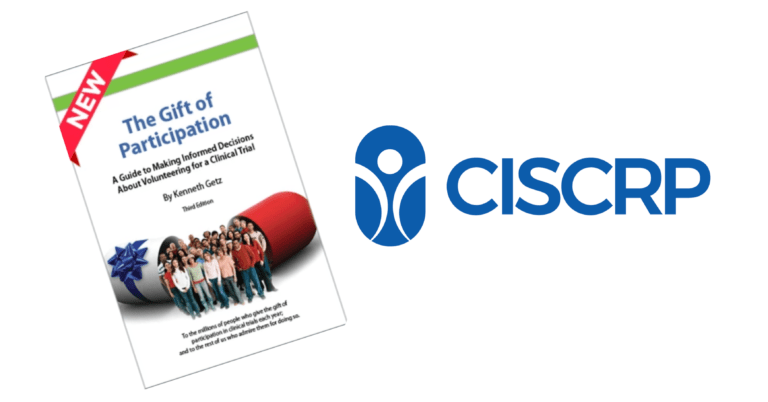
For more information on clinical trials and making informed decisions about volunteering for clinical research, read “The Gift of Participation” by Ken Getz, Founder and Board Chair, CISCRP.

You can find the book here.

To search for medical conditions in a specific location, visit our Search Clinical Trials page.

To stay informed about clinical trials, visit our Resources page.

Jeh Jeh Pruitt, A New Advocate for Clinical Trials: CISCRP’s AWARE for All Program Featured by CSL Behring 

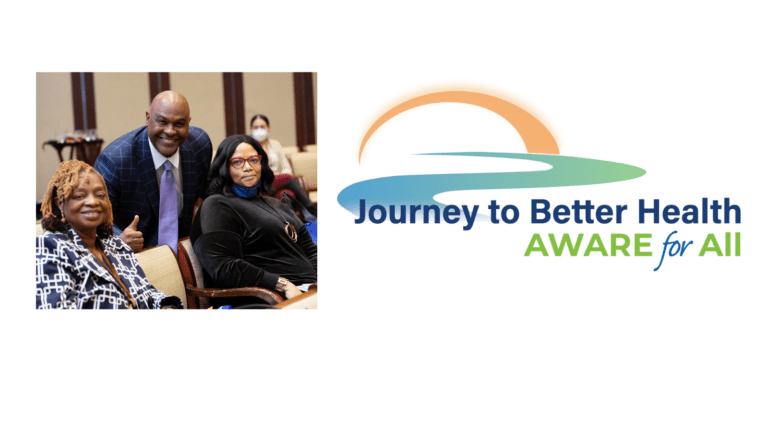
In March, CISCRP’s Journey to Better Health | AWARE for All program kicked off its 2022 series of events, with a first stop in Birmingham, Alabama. The event promoted clinical research education and shared resources with the Birmingham community, bringing together local study participants, healthcare professionals, and a combination of local and national exhibiting organizations. 

The AWARE for All – Birmingham event featured special guest Jeh Jeh Pruitt, Sports Anchor & Reporter at FOX 6 News, and co-founder of The Dannon Project, a non-profit dedicated to helping local unemployed at-risk youth and non-violent offenders reentering society.  

In a recent interview with CSL Behring, Jeh Jeh shares his experience as a kidney donor, his growing involvement in clinical trial advocacy, and his experience learning more about the importance of clinical research at the AWARE for All – Birmingham event. 


Read the full article on CSL Behring’s website here. 

Visit the 2022 AWARE for All page to learn more about this program and upcoming events. 

To search for medical conditions in a specific location, visit our Search Clinical Trials page. 

To stay informed about clinical trials, visit our Resources page. 


Press Release: From Subject to Partner Publication

CISCRP Launches New Publication Marking the 20th Anniversary of TIME Magazine’s Clinical Research Issue and Commemorating the Patient Engagement Movement

BOSTON, MA, April 25, 2022 – The Center for Information and Study on Clinical Research Participation (CISCRP), announces that it has produced and launched a special publication – ‘How Clinical Research is Engaging with Millions of us as Partners in Advancing Medicine.’ The publication marks the 20th anniversary of TIME Magazine’s article How Medical Testing has Turned Millions of Us into HUMAN GUINEA PIGS, and celebrates progress made by patient communities and the public through two decades of engagement with the clinical research community. 

The April 2002 TIME magazine issue was an inflection point denoting more rapid adoption of patientcentric practices in clinical research,” said Ken Getz, Founder of CISCRP and Executive Director and Professor at Tufts University School of Medicine. “It was also the impetus for CISCRP, a unique nonprofit education and advocacy organization whose mission is to inform and engage patients and the public around the world as partners in clinical research.” 

The main story in the commemorative publication, written by an award-winning journalist, spotlights a variety of initiatives that have been implemented to amplify patient voices and needs, educate the public, improve transparency and disclosure, enrich the clinical trial participation experience, and promote collaboration between patients and clinical research professionals. Among the initiatives spotlighted: virtual and remote technologies improving participation convenience and data collection, the return of plain language clinical trial results, and patient input panels informing protocol design. The publication also unveils a new cover graphic designed by the creative team at global agency RAPP and is intended to replace and rebrand the image of patients and the public as central and essential collaborators in the clinical research process. 

“You can’t speak for someone with a rare disease unless you’ve really been with them through it and been a part of it,” noted Julie Breneiser, who was diagnosed with Gorlin Syndrome (a rare genetic disorder) and serves as Executive Director of the Gorlin Syndrome Alliance. 

“The burden of a clinical trial has to be balanced against the patient’s experience living with a disease or condition,” explained Kim Down, National Institute for Health Research (NIHR). 

The commemorative publication is available for download free of charge at www.from-subject-to-partner.org  and print copies are available upon request. 

Meeting the EU Regulation: Plain Language Summaries & Protocol Synopses

On January 21, 2022, the European Medicines Agency (EMA) launched a new clinical trials website, Clinical Trials Information System (CTIS). The new website was launched with the application of the new clinical trials regulation, Regulation (EU) No 536/2014.

The regulation requests a plain language version of the protocol synopsis to be submitted as part of the initial application for a clinical trial.

Hear from CISCRP colleagues and industry experts who discuss creating a plain language protocol synopsis that can be used for non-expert audiences, preparing plain language summaries of trial results to meet the new regulation, and best practices for developing and implementing a plain language summary program.

Panelists:

Julie Faries-Mitchell, MS

Associate Director

Health Communication Services

CISCRP

Christopher Pfitzer

Associate Director

Transparency Operations Lead

UCB Biosciences, Inc.

Kim Edwards, PhD

Associate Director

Medical Writing

CISCRP

To access more educational content about clinical trials and clinical research participation click here. 

Medical Hero Spotlight: Jenn McNary, Three Sons, Three Rare Diseases & Clinical Trials

Written by Melissa Daley & Lindsey Elliott, CISCRP | lelliott@ciscrp.org

Jenn’s plate is full. With four biological children, two foster children, a full-time job as Executive Director, head of patient advocacy at Fulcrum Therapeutics, running her own consultancy for patient advocacy, and serving as founder of One Rare, a nonprofit that sponsors a virtual summit for young adults with rare conditions, she is always going somewhere and doing something for someone. This would be a lot to imagine for others with quieter lives, but Jenn’s story goes even deeper. Three of her biological children have rare diseases with serious physical impacts. Her sons Austin and Max have Duchenne Muscular Dystrophy, and James has Primary Immune Deficiency and Congenital Cholesteatoma. Participating in clinical research has been a major part of their lives. 

“I decided that Austin and Max were going to be in any clinical trial that they were eligible for the first time I sat down at a Parent Project Muscular Dystrophy (PPMD) conference, in the audience, and watched scientists talk about MDX mice and how they were curing Duchenne in these mice,” Jenn recounts. “That was when the boys were five and two. It was never a question in my mind because I was told my sons would not live into adulthood. There were no care options.” 

Duchenne Muscular Dystrophy is a genetic disorder characterized by progressive muscle degeneration and weakness due to the alterations of dystrophin, a protein that keeps muscle cells intact. (1) 

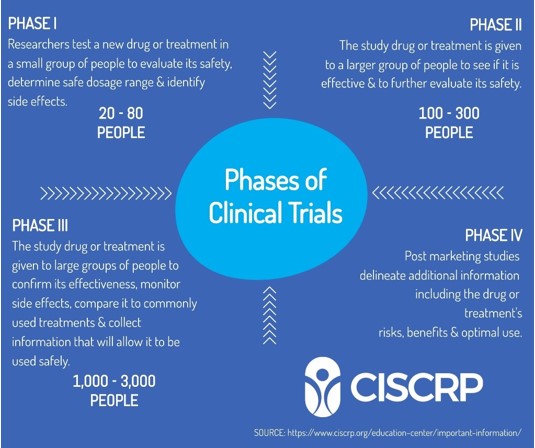
Austin, now 23, was the first member of the family to participate in a clinical trial, at the age of twelve. He was invited to be in a Phase I trial, which tests an experimental treatment on a small group of people to assess its safety and side effects and find the correct drug dosage. (2) “It was a hard decision to make, to be a safety subject in a study,” says Jenn.  “It was hard as a mom, and it was hard as a twelveyearold to understand that you’re participating to determine if this therapeutic is going to be safe when it’s administered once. It was not expected to benefit him, even if he was in the treatment arm of the study, because it was one dose. And there were a lot of blood draws. 

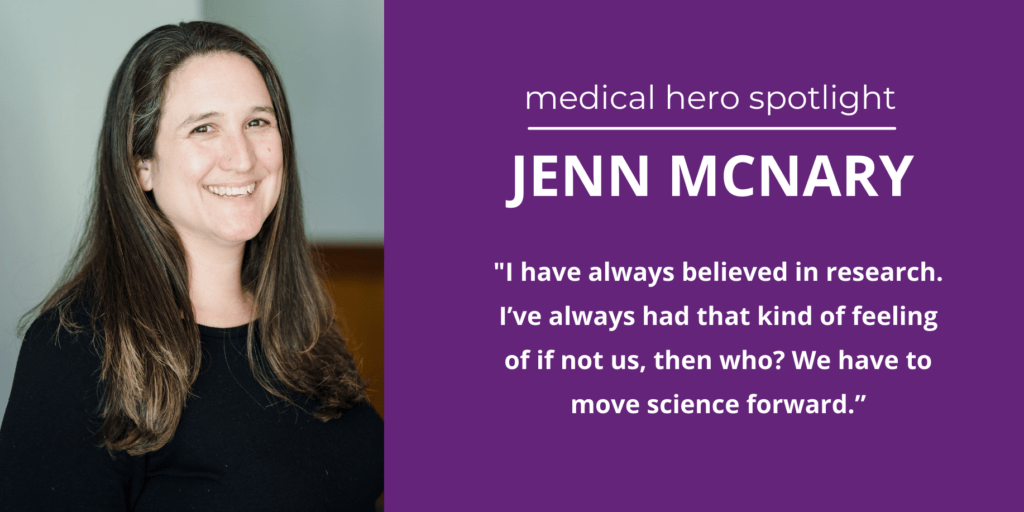
The family lived in Vermont, and the study site was in Columbus, Ohio.  It was really cumbersome, flying with a non-ambulatory patient,” says Jenn. I was very pregnant with my daughter, at the time. It was not a good experience. But we made the decision to be in that study because there really were no other options. I have always believed in research. I’ve always had that kind of feeling of if not us, then who? We have to move science forward.” 

Right after Austin’s participation, Max, now 20, was invited to participate in another clinical study for Duchenne Muscular Dystrophy. He was nine and a half years old,” says Jenn.Max’s study was only for ambulatory patients. That was really hard because I knew from the very beginning that Austin would not qualify for the study, but Max would. Austin was fine with that, saying that if it works for Max, then I’ll get it. This was a really invasive study. For over a year, Jenn and Max travelled to the study site in Ohio. During that time, Max had four muscle biopsies. 

The decision to take part in that study was because I was willing to try anything. We didn’t have all the different choices that we have now, a decade later, for clinical trials for Duchenne,” says Jenn. “Unfortunately, nothing came fast enough. 

Austin and Max continue to participate in clinical research, and Jenn’s role in the decision-making process has changed as her sons have entered adulthood. “Things have shifted a bit. I now give advice instead of making decisions. I like to be the decision maker, but I can’t tell them what to do. I give them all the information they need to make their own decisions and I let them know my opinion,” says Jenn. Recently, Austin and Max decided to screen for the same clinical study when Jenn shared information about the opportunity with them. Max decided to participate, based on Jenn’s input. Austin resourced additional information from biotech researchers he knows through his professional network. 


Jenn’s 14-year-old son, James, has two rare disease conditions: one, Primary Immune Deficiency, a rare genetic disorder that impairs the immune system but can be controlled on blood plasma products, (3) and two, Congenital Cholesteatoma (4) a tumor disease confined to the ear canal. While the tumors can be controlled and removed surgically, they can grow in many directions. Jenn shared, “the doctors watch for the tumors and remove them.” 


“James had probably the most potentially deadly complications of any of my kids, because he had a tumor as a result of congenital cholesteatoma that grew into his brain at one point and caused a massive infection,” explains Jenn. Having primary immune deficiency also contributed to James having serious infections after surgical intervention. 


“James had four tumor removals in the space of two years. They are complicated surgeries that can take up to six hours because they are working around little structures in the ear. It was such a painful situation,” says Jenn. One way to treat the illness is a radical mastoidectomy, which removes the structures in the inner ear to reduce the chance of tumor growth. It leaves the patient without hearing in the ear. Jenn and James discussed the pros and cons of the treatment together. 

“I left the decision up to him to make and decide what he preferred, because he is the one going through all these surgeries and massive infections,” says Jenn.  James opted to have the procedure. He has not experienced tumor growth since having the surgery. 

James is currently not eligible to participate in clinical trials for immune deficiency, as most are focused on either severe forms of the disease, or require participants to be 18 years and older. (The disease primarily occurs in adults). At the time this interview was conducted, there were no congenital cholesteatoma clinical trials in the United States. 

Jenn finds support in online communities with like-minded parents, caregivers, and other rare disease patients. Meeting in person has been curtailed for the past two years due to the COVID-19 pandemic. Jenn says “You just find your people. I don’t have many friends outside of the rare disease community.” 


Jenn has also forged a strong network of informed connections that she can call upon when discussing options about clinical research participation for and with her sons. 

“Professionally, I work in rare disease,” says Jenn. I have the unique capability of being able to call a research scientist or somebody else in the field and ask them to look at data and make decisions with me or explain something to me. I’m a huge believer in resourcing, so I don’t feel like I have to know everything. The people in my world believe in research. I don’t surround myself with anybody who would think that it is not a good idea. When the condition that your child is living with is deadly, you’re very willing to try something because you know what the alternative is.” 

Jenn advises patients, parents and care partners embarking on their clinical research journey to ask as many questions as necessary to make the right decision about participating in a clinical trial. 


“When Max and Austin were in their first clinical trials, I didn’t understand any of it. There are things I wish I had known or that I wish I had asked about,” says Jenn. Important questions include finding out what happens after the clinical trial ends. “What is the plan after this phase?” says Jenn. “Once enrolled in the study and exposed to this therapy, do I get to continue on it, if it works and there is good data? If the drug or treatment works, you want to know that there is a plan for your child.” 


Jenn recommends asking the study team about options that can reduce the burden of clinical trial participation for patients and caregivers, such as conducting tests and taking blood draws locally, or even at home. The COVID-19 pandemic has scaled the prevalence of decentralized clinical trials (DCTs), telehealth and home health visits. These options have also reduced the amount of travel for patients and caregivers. If travel is involved, Jenn recommends asking questions about travel costs, paying for childcare and/or travel expenses for siblings, lodging and meal related expenses. 


“As a caregiver, my biggest piece of advice is ‘Don’t make yourself irreplaceable’, because it’s not a sprint, it’s a marathon,” says Jenn. “Family members can be strong care partners. Make sure that you like and trust your team at the research facility. Reach out. Ask questions. You don’t have to sign an informed consent form that you don’t understand. You don’t have to agree to anything you don’t understand. Take the opportunity to make clinical research staff explain everything and what you’re agreeing to do,” says Jenn. 

Medical Hero Story: Angie Volk, Multiple Sclerosis Advocate

Multiple Sclerosis MS

Written by: Lindsey Elliott | lelliott@ciscrp.org


“Angie, are you sure there isn’t more going on? Are you having any other symptoms?”

Angie Volk, a Multiple Sclerosis patient and advocate, recalls being taken aback by this question posed by her Urologist at an appointment in 2014. In her early 40s, Angie was in an executive role in the healthcare industry that required weekly travel for work via plane. Over the years, Angie had begun struggling with urinary issues, which eventually worsened making travel difficult. She made the decision to consult a Urologist for evaluation and treatment. After a year of treatment, Angie’s doctor suggested there may be an underlying health condition causing her problems, and recommended she see a Neurologist.

“This conversation with my doctor was the catalyst for my diagnosis and the start of my journey as an MS advocate. I am so thankful to my doctor for her advice. Without it, I wouldn’t be where I am now,” Angie says.

MS is diagnosed most commonly between the ages of 20 and 50, but it can go unrecognized for years. Many people living with MS experience “invisible”, or not outwardly visible symptoms which can create a unique set of issues they have to face.

Some people assume that you don’t really have a disease because you may not appear visibly sick. This can undermine a person’s confidence and discourage them from seeking treatment. You may develop feelings of anger, frustration, and fear as well. People living with MS need to be prepared to educate the important people in their lives about their disease and the symptoms they experience,” Angie explains.

“Looking back now and understanding my disease, I realize I had been experiencing symptoms of MS back in my twenties and thirties without realizing,” she notes.

During that time, Angie was in nursing school, working long hours. She suffered from daily headaches and neck pain and began visiting a chiropractor regularly. During that time, she experienced sporadic and unusual health issues for which she was also screened for Lupus, but no conclusive results were identified.

After being referred to a Neurologist, Angie underwent an MRI and numerous tests for different autoimmune and clotting disorders. She was diagnosed with chronic migraines and started medication, receiving additional referral to an interventional pain management physician for her neck pain.  In 2016, Angie requested and received a second MRI to compare to her baseline exam. Although her first MRI had found brain abnormalities (white matter lesions), the doctors had initially believed these were related to her migraines and did not schedule any additional MRI’S at that time.

“I knew something wasn’t right, so I kept pushing for answers,” Angie recalls. It was then that Angie was finally referred to the MS neurology clinic “Once I was able to get into the MS clinic, I was finally diagnosed.”

Multiple Sclerosis is a disease where a person’s immune system attacks the brain and spinal cord. This damages myelin, the protective layer insulating our nerves, ultimately disrupting signals to and from the brain.

Individuals with MS will experience disease progression often involving the development of lesions in the brain or spinal cord. The placement of these lesions impact how a patient’s symptoms will manifest and progress. No two individuals with MS will have the same symptoms, impairments, or outcomes. However, common problems include impaired vision, cognition changes, weakness, difficulty with balance, fatigue, dizziness, and urinary issues.

“With a disease like MS, there is no single treatment plan. Treatments vary for each patient,” Angie explains. In her case, Angie works with several specialists to manage her symptoms. “The part I find frustrating as a chronic patient, is that I don’t have a straightforward or streamlined treatment plan. I see so many doctors. As my disease has progressed, constant appointments have begun to interfere with my life.  It can feel like a full-time job, managing my health and going to medical appointments.”

Most MS patients manage their symptoms by taking medication, whether by oral, injectable, or by intravenous infusion. “A common treatment MS patients receive is called Monoclonal antibody therapy, which involves an intravenous infusion administered under close medical supervision. These infusions can be monthly or more sporadic. In my case, I receive a monoclonal antibody infusion twice a year,” Angie says.

She explains that these treatments are very effective in suppressing the part of the immune system that causes inflammation, so the disease doesn’t progress. “Unfortunately, your immune system is being suppressed, which increases your risk for infection – upper respiratory being the most common.”

In 2020, the pandemic made daily life dangerous for Angie and other members of the MS community.

Angie explains, “My treatment suppresses B cells, which play a role in the production of antibodies. This type of therapy reduces the effectiveness of vaccines, given that your body cannot adequately produce the antibodies needed to provide immunity. After my first two COVID-19 vaccines, my blood was tested and the sample detected no antibodies, meaning I was left unprotected and extremely vulnerable to the virus.”

The pandemic also impacted Angie’s access to care. With the many complications put in place by COVID-19, Angie made the decision to opt out of some regular therapies to limit her exposure. She did not attend her physical therapy appointments and avoided public spaces since there was no guarantee that everyone around her was vaccinated. 

Despite these challenges, Angie’s medical knowledge and strong self-advocacy motivated her to continue her medical journey, now as a clinical trial participant. Angie has participated in several MS clinical trials over the past couple of years. When reflecting on her decision to initially join a clinical trial, Angie shares, “I knew that self-advocacy was important to my regular medical care, but also realized it was equally relevant to clinical research. I was familiar with how clinical trials were conducted because of my previous work as a nurse in the clinical setting, but I had never personally participated in a trial.”

In her free-time, Angie became further educated about MS and the current research being done in the US and abroad. Having new information allowed her to stay informed about the latest medical advances with MS and clinical trial opportunities. While researching, Angie discovered that one of her physicians who worked in MS clinical research was conducting a booster vaccine study for MS patients on certain immunotherapies with the goal of evaluating a patient’s immune response by analyzing their blood levels. Angie was excited to join the clinical trial for the booster vaccine.


Since T cells are not regularly monitored, Angie was curious to see whether she had adequate protection from COVID-19 despite not producing antibodies from the vaccine. “I wanted to know just how safe am I during this pandemic? Is my immune system strong enough to protect me if I were to get exposed to COVID?” Angie recalls.

Angie has also joined other MS clinical trials. Her nurse practitioner referred her to a study focusing on physical therapy treatment for individuals with MS, allowing her to receive free physical therapy.

“When I began my medical journey and considered joining a clinical trial, I had my own medical background to rely on, but also a strong network of friends and colleagues in the medical field as well. I knew I could go to them to share my concerns and thoughts and they would support me.”

Angie emphasizes that when it comes to getting involved in clinical research, finding a practitioner who partners with you in decision-making is critical. “We all deserve to have a say in our medical treatment. I suspect that many people who may be considering joining a clinical trial might be apprehensive to do so because they don’t know what questions to ask, are nervous to speak up to their healthcare provider, or worry that they may ask too many questions and be perceived as annoying. However, being informed is so important. As a trial participant, you always have a choice and should feel comfortable advocating for yourself.”

Angie shares that her own medical journey has helped identify unmet patient needs across the board. “Many people don’t even know what questions to ask their doctors, and without a medical background this type of diagnosis can be incredibly overwhelming. It’s so important for practitioners to share information about how clinical trials work, their importance, and to discuss any current trial opportunities available to their patients,” she says.

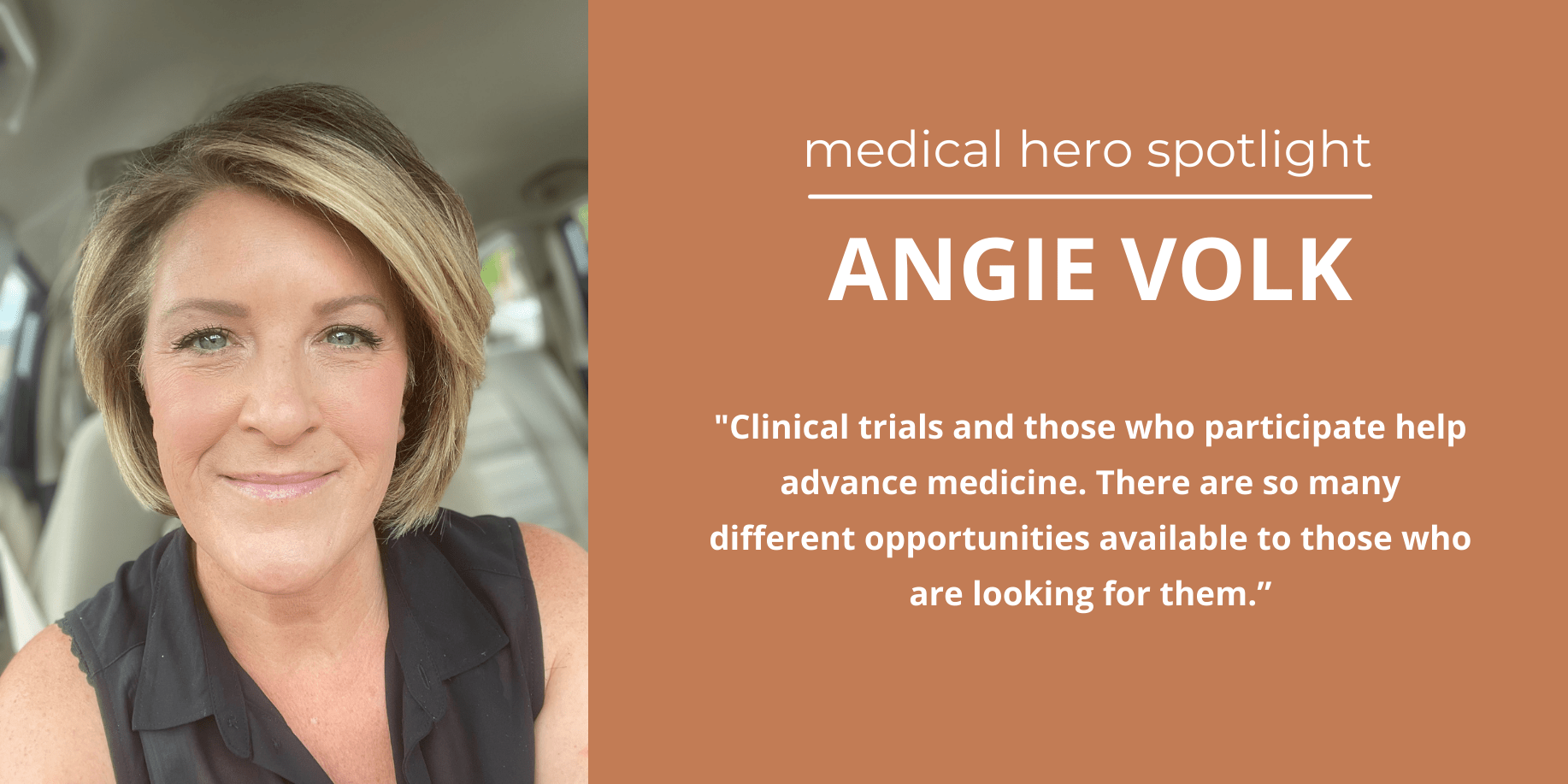
“Ultimately, joining a study is a win-win situation. Clinical trials and those who participate help advance medicine. There are so many different opportunities available to those who are looking for them.”

For those considering participating in a clinical trial, Angie says, “Have an open mind, and do your own research. If you have questions, reach out to someone that you trust.” If possible, Angie recommends getting connected with someone who has participated in a trial who can answer your questions with firsthand experience and help alleviate any apprehensions.


For more information and resources about Multiple Sclerosis, visit the National Multiple Sclerosis Society website.

To stay informed about clinical trials, visit our Resources page.
To search for medical conditions in a specific location, visit our Search Clinical Trials page.


AWARE for All – Atlanta Event Overview

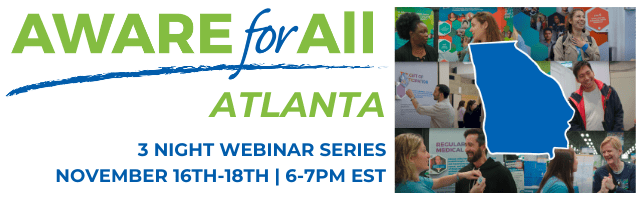
On November 16-18, 2021, CISCRP hosted theAWARE for All – Atlanta virtual event, the fifth and final event in 2021. With a different format from previous events, AWARE for All – Atlanta was held over several nights as a series of webinars to offer more clinical research information and resources. This event was city-based, tailored to the Atlanta, Georgia community and featured clinical trial participants, healthcare professionals, and exhibiting organizations.


The event’s first night focused on sharing an overview of the clinical trial process with attendees. Rabih Dahdouh, Clinical Research Associate of the Center for Health Equity Transformation, explained what clinical trials are, how trials are conducted, why people join, the important role of clinical trials, and how clinical trial participants help to advance medical treatments for everyone. As Rabih explains, “Our ability to live long healthy lives is due to the participation of clinical trial participants.” 


The second night, attendees had the opportunity to hear from a panel of clinical trial participants who shared their experiences and perspectives in a lively discussion. The panel included: 

  • Tina Berry, Oncology Trial Participant and Project Manager,  Northside Hospital Cancer Institute 
  • Terp Vairin, Mental Health/Depression Trial Participant 
  • Melissa Hardman, Trial Participant, Founder & CEO of Faces of Research, LLC 
  • Ashley Nealy, COVID-19 Trial Participant 
  • Glenn Bachmann, Lymphoma Trial Participant 

The panelists shared their own clinical trial stories and discussed important topics like informed consent, compensation, and the obstacles that can prevent people from joining a trial. Melissa Hardman, who has experience as both a trial participant and  healthcare professional, noted the importance of making clinical trials accessible to all, sharing, “The ability to participate in clinical research should be the next step in the healthcare process for patients, not a daunting process. Access to clinical trials is ultimately access to healthcare.”


The AWARE for AllAtlanta  event concluded with a final panel discussion with healthcare and research professionals who shared their experiences. The panel included:   

  • Phyllis Kaplan, Diabetes Trial Participant, Sr. Manager of Events & Community Engagement, CISCRP 
  • Meghan Mckenzie, Principal Inclusion, Internal Partnering in Chief Diversity Office, Genentech 
  • Leah Szumita, Director of the Clinical Trial Support Center for the Leukemia & Lymphoma Society 
  • Zach Mitchell, Director of Business Operations & Recruitment, iResearch 
  • Tamara Wakhisi, Medical-Surgical Research Supervisor, Oncology, Northside Hospital – Central Research Department 
  • Yolanda Little, Diverse Patient Recruitment and Retention, Novartis 
  • Mary Slomkowski, Director, Clinical Management CNS, Otsuka 


The panelists shared their passion for clinical research and how they work with community members, discussing important topics like the importance of diverse representation and how the industry is working to overcome barriers to participating. Leah Szumita, explained the importance of building awareness and education at the community level, noting, “Clinical trials are the key step to advancing treatment. We need to increase awareness and participation across the board.”  


Throughout the event, attendees were able to navigate to the Informational Exhibit Center, a virtual exhibit hall that offers resources and information from over 30 health and wellness organizations in the Atlanta community and across the country. Exhibitors include Pfizer, Biogen, Janssen, Otsuka, IQVIA, CSL Behring, EMD Serono, WCG, Novartis, and Genentech.  


Visitors can also connect with Atlanta-based organizations such as SisterLove, RedMoon Project, iResearch Atlanta, Georgia Ovarian Cancer Alliance, Diabetes Association of Atlanta, and many more. 


If you missed the AWARE for All – Atlanta event or would like to tune in again, the recorded webinar and Informational Exhibit Center remain accessible here.

View more AWARE for All events here.

To stay informed about clinical trials, visit our Resources: https://www.ciscrp.org/education-center/resources/

To search for medical conditions in a specific location, visit our Search Clinical Trials page.