Unique Free Online Event to Educate Public About Clinical Research Set for July 16

CHICAGO, July 13, 2020 —Following decades of distrust and misinformation about clinical research and its role in the development of treatments and healthcare, a unique consortium of health educators are coming together on July 16 for a free event to educate the public about clinical research participation.

AWARE for All is a free program that aims to educate and empower the public in making informed decisions about clinical research. Led by the nonprofit CISCRP and supported by local research teams, advocacy groups, and a consortium of biopharmaceutical and service provider companies, the free online health education event about clinical research will be held online Thursday, July 16. The event is open to the public and will take place from 4 – 6 p.m. CST via a secure online platform.

This event includes free virtual health assessments, informational presentations that feature community organizations and research centers, local physician and patient speakers, a ceremony to honor clinical research volunteers, and raffle prizes. Participants will hear from a panel of speakers including patients, researchers, and health professionals; participate in virtual health assessments including meditation and mindfulness exercises, virtually visit a health fair expo with exhibits from local Chicago area health and wellness organizations, watch educational videos in the virtual Loop Theater and answer trivia questions to win raffle prizes.

The panel discussion with patients and researchers will focus on clinical research experiences, health advocacy and equity, COVID-19 research, oncology, and cardiovascular health. The goal of the unique event is to educate and empower people to make informed decisions about participating in clinical research opportunities.

“There continues to be a sentiment of distrust in some communities about medical research,” says Rabih Dahdouh, a clinical research associate at the Center for Health Equity Transformation at the Feinberg School of Medicine of Northwestern University, who will join the virtual panel of speakers on July 16. “It is important we expand the conversation about clinical research to include all people.”

Most people who take part in clinical trials are white or Caucasian. Non-white minorities make up less than 10 percent of all clinical trial participants. This is a problem because some minority groups get certain diseases more often. For example, African American men are twice as likely as white men to die from prostate cancer. However, African American men only make up 4 percent of men in prostate cancer clinical trials. Because of this, treatments for prostate cancer may not work as well for African American men.

Dr. Rosalind Ramsey-Gordon, a rheumatologist and health researcher at Northwestern University and a physician specializing in the treatment of lupus sees the impact of disparate research as well. She shares her thoughts on the importance of informing the general public about clinical research and the AWARE for All Chicago virtual event.


Forty-three percent of people with lupus are Black, but only 14 percent of participants in research studies on lupus are Black. Clinical trials not only test drugs and treatments; they also encompass community care education programs and non-drug therapies.


“We know we need to see better communications and culturally appropriate communications to expand the pool of clinical research participants,” says Gordon. “We’ve made a lot of progress in medicine and care over the last thirty years, but we can do better. There continues to be disproportionally higher deaths in communities of color and those can be tackled with increased diversity in study participation.”


Other panel speakers are Steve Satek, President & CEO of Great Lakes Clinical Trials; Paulette McDaniels, study volunteer, Northwestern; Jim Butler, study volunteer, Great Lakes Clinical Trials; and, Racquel Bruton, senior manager, clinical operations, of Biogen, a biotech firm specializing in neurological diseases and volunteers from oncology and lupus studies.

“Clinical trials are pressing forward in the age of COVID-19,” says Satek, a long experienced medical researcher and founder of Great Lakes Clinical Trials, an Andersonville-based firm with a second location in Arlington Heights. “The emergent virus has highlighted the need for new treatments, and it’s time clinical trial participants are recognized as the medical heroes they are.”

Gordon concurs, calling research participants “trailblazers.”


The July 16 virtual event is an opportunity for anyone curious about or considering participating in a clinical research study to learn more. The event includes an online virtual health fair that opened on July 10. Anyone already registered can access the virtual health fair, https://www.ciscrp.org/event/awarechicago2020/, and view educational resources from local health and research organizations including Drugviu, Equal Hope, Georgia Doty Comprehensive Health, Renewed Body Chiropractic & Wellness Center, LLC, Sisters Working It Out, Susan G. Komen, and University of Chicago Comprehensive Cancer Center.

Within the virtual health fair, visitors can navigate from room to room and visit vendor booths within each room. Each organization “booth” features an avatar who answers questions standing before a display board of information. The virtual health fair simulates a live event further with background chatter, individualized avatars, unique booth appearances, and the Loop Theater to watch a selection of clinical research educational videos. It was custom developed for CISCRP for the Chicago event. The Chicago AWARE event is the first one CISCRP has done virtually.


Anyone can register for the free online event on Eventbrite and learn more at awareforall.org or by calling 877-633-4376 toll-free.


The AWARE event planning committee and local supporters include the AWARE Industry Consortium, Peer Plus, Rush Institute for Translational Medicine, Allergy and Asthma Network, Aurora Advocate Health, Chicago Cancer Health Equity Collaborative, Force Medical, Great Lakes Clinical Trials, JDRF, Leukemia & Lymphoma Society, Lupus Society of Illinois, , NUCATS, SOAAR/Center for Food Allergy & Asthma Research, Susan G. Komen, and UIC Cancer Center.


About CISCRP
The Center for Information and Study on Clinical Research Participation (CISCRP) is a 501(c)(3) non-profit organization dedicated to engaging the public and patients as partners in the clinical research process. CISCRP provides free education and outreach to the general public and patient communities. Visit www.CISCRP.org for more information or to participate in CISCRP’s educational initiatives. For additional questions about AWARE for All, contact awareforall@ciscrp.org or call 877-633-4376.
CISCRP Launches Public Education Video Campaign on Clinical Trial Participation During the Pandemic

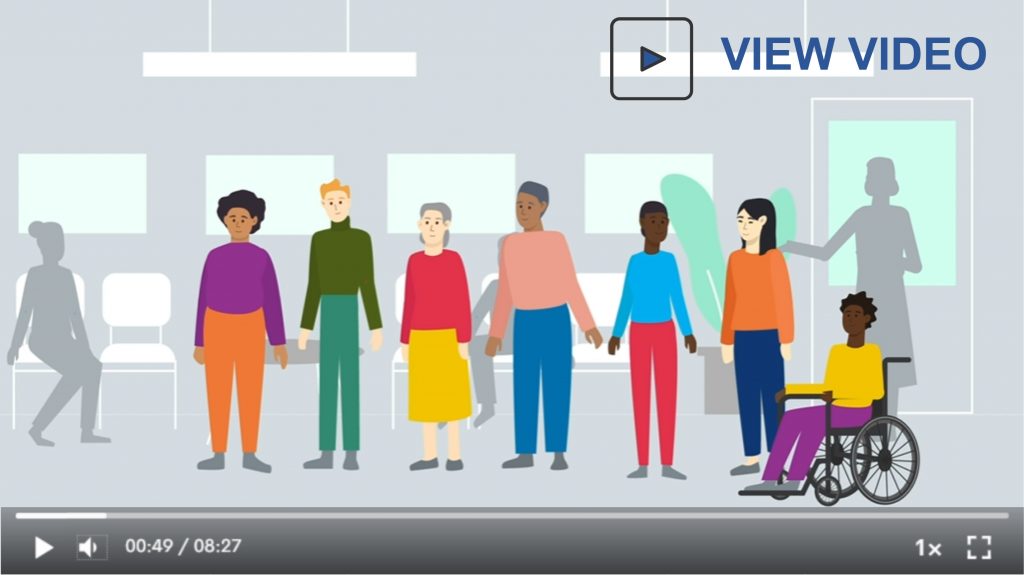
The Center for Information and Study on Clinical Research Participation (CISCRP) announces the launch of a new video series to educate the public and patients about the clinical research process and how it has been impacted by COVID-19. Global surveys conducted between April and June 2020 show that public awareness of clinical trial activity during the pandemic has increased sharply due to increased media attention. At the same time, public knowledge about the clinical research process is limited and public willingness to participate in clinical trials has declined dramatically due to concerns about exposure to the coronavirus. A global study conducted among 500 people this past April, for example, found that only 48% were willing to participate in clinical trials. This compares to 85% who were willing to participate pre-pandemic.

The new educational video series is designed to raise general knowledge about clinical research and to address concerns and questions about participating in clinical trials during the pandemic. The series has been developed in collaboration with patients and professionals. Several major pharmaceutical companies — Takeda, Eli Lilly, Janssen, Biogen, Bristol Myers Squibb, and Merck — also provided educational grants to support development and dissemination of the new programming.

“The pandemic has presented a unique opportunity to provide public education because people around the world are hearing about vaccines and treatments in clinical trials,” said Ellyn Getz, Associate Director, Development and Community Engagement. “We invite and encourage patient advocacy groups, research and health professionals to help disseminate this educational campaign and reach a diverse global audience to raise overall clinical research literacy.”

Each video in the series combines animation and live conversational discussion — in English and eventually in Spanish —with subject matter experts, patients and the public. The first video is already available, provides a general overview of clinical trials and discusses how new treatments and vaccines are developed. A second will explore key principles of all clinical trials and how they are adapting during the pandemic. A third video will examine COVID-19 clinical trials specifically. All of the videos in the series will be made widely available and free-of-charge through mass and social media, advocacy organizations, research centers, and clinical research-related websites. For more information, go to FindingTreatmentsTogether.org.

A Look at COVID-19 Vaccines and Treatments

You’ve probably heard a lot in the news lately about the development of vaccines and treatments for COVID-19. But what exactly will these treatments look like and what are researchers doing to discover them?

Researchers are testing a number of approaches in clinical trials that involve introducing a weakened or inactive form of the virus into the body to prompt an immune response without causing harmful disease. If the body reacts as desired by creating antibodies to attack the virus, then it may build protection against future infection. Vaccines like this have been successfully developed to prevent many diseases like measles, mumps, rubella, smallpox, and chickenpox. Other vaccines under investigation, such as genetically engineered DNA or mRNA vaccines, try to trick the coronavirus into mutating into a form the body can more easily and effectively attack. Another category of vaccines are those intended to block the virus from attaching to healthy cells in the body and reproducing to cause widespread infection.

 As researchers work to uncover an effective vaccine for prevention, they are also testing treatments in specific patient populations that are already infected with COVID-19. These treatments look to lessen the severity of symptoms and shorten recovery times. Some treatments currently in development seek to moderate the body’s own immune response to the virus.

The necessary steps

 Vaccines and treatments for infectious diseases usually take nine or 10 years to develop, and most will fail to complete the process or obtain regulatory approval. This seems like a long time, but it is necessary for understanding the real effects of a new therapy and determining whether it is safe and effective at specific dosage levels.

Clinical trials follow a set progression: They begin with a small number of people to assess whether a treatment is safe, then grow to further evaluate safety and efficacy. At each stage of this progression, researchers review the results of clinical trials and get approval to move on to a subsequent stage.

Accelerating the process

The clinical trial process for COVID-19 treatments and vaccines is moving at a faster pace and may produce promising therapies within a few years. The pandemic has mobilized much higher levels of coordination between companies and government agencies. Some treatments and vaccines have a head start because they are based on research that was conducted for viruses that are similar to COVID-19.

Fast-tracked treatments and vaccines in clinical trials have received a lot of attention in the news. They include Moderna’s vaccine (mRNA1273), Gilead Sciences’ treatment (remdesivir), Regeneron and Sanofi’s Kevzara treatment (sarilumab), and the antimalarial drugs hydroxychloroquine and chloroquine.

In some instances, for the most promising treatments and vaccine candidates, the Food and Drug Administration (FDA) may issue an emergency-use provision so patients, doctors, nurses, and other essential workers can begin using it. Under emergency-use conditions, even more information about a new vaccine or treatment will be used to inform researchers and the FDA about safety and efficacy.

Article from 2020 Clinical Trials Supplement, USA Today. View Supplement Here >

FREE Online Health Education Program About Clinical Research Set for July 16

CHICAGO —A unique clinical research education event produced by the Center for Information and Study on Clinical Research Participation (CISCRP) and supported by local research teams, advocacy groups, and a consortium of pharmaceutical and biotechnology companies will be held on Thursday, July 16. Called “AWARE for All”, the online event is free and open to the public and will take place from 4 – 6 p.m. CST via a customized, secure online platform.


Today, minority populations are under-represented in clinical trials. The FDA recently showcased the demographic characteristics of study volunteers in clinical trials for drugs that gained approval in 2019. Of the 46,391 participants, nine percent of study volunteers were Black/African American, the same percentage were Asian, and 18 percent were Hispanic. This lack of representation results in inequities in our health care system and the effectiveness of new therapies.

“Clinical research education and awareness is even more critical today – especially among diverse, underserved communities,” says Dr. Karriem S. Watson, DHS, MS, MPH, Associate Executive Director, Mile Square Health Center UI Health, Associate Director, Community Outreach and Engagement UI Cancer Center at UIC and the overview presenter at the online AWARE event. “Now is the time to ensure that new therapies are developed that reflect our diverse population here in Chicago. This program is an important way to learn about ways we can all take part – whether that’s through helping to design clinical trials or monitoring the groups that design these studies – or by participating in clinical research as study volunteers. These are all ways to help improve public health and eliminate health disparities.”
This interactive, online program on July 16 features memory exercises and mindful meditation, a panel discussion with patients and researchers that focuses on clinical research experiences, health advocacy and equity, COVID-19 research, oncology, and cardiovascular health; and there will be an online virtual reality exhibit fair launching on July 10 that features educational resources from local health and research organizations.
Anyone can register for the free online event on Eventbrite and learn more at awareforall.org or by calling 877-633-4376.

AWARE event planning committee and local supporters includes the AWARE Industry Consortium, Peer Plus, Rush Institute for Translational Medicine, Allergy and Asthma Network, Aurora Advocate Health, Chicago Cancer Health Equity Collaborative, Equal Hope, Force Medical, Georgia Doty Comprehensive Health, Great Lakes Clinical Trials, JDRF, Leukemia & Lymphoma Society, Lupus Society of Illinois, Northwestern Parkinson’s Disease and Movement Disorders Center, NUCATS, SOAAR/Center for Food Allergy & Asthma Research, Susan G. Komen, UIC Cancer Center and Drugviu.


About CISCRP
The Center for Information and Study on Clinical Research Participation (CISCRP) is a 501(c)(3) non-profit organization dedicated to engaging the public and patients as partners in the clinical research process. CISCRP provides free education and outreach to the general public and patient communities. Visit www.CISCRP.org for more information or to participate in CISCRP’s educational initiatives. For additional questions about AWARE for All, contact awareforall@ciscrp.org or call 877-633-4376.

2020 June Edition

The Clinical Trials Supplement features a variety of informative and timely articles covering topics including the importance clinical trial participation, COVID-19 vaccines and treatments in current development, what to expect from remote and virtual clinical trials, and the powerful role that every person can play in clinical research, featuring insights from an interview with Dr. Marie-Pierre Hellio La Graverand, a leader in drug development for Pfizer.

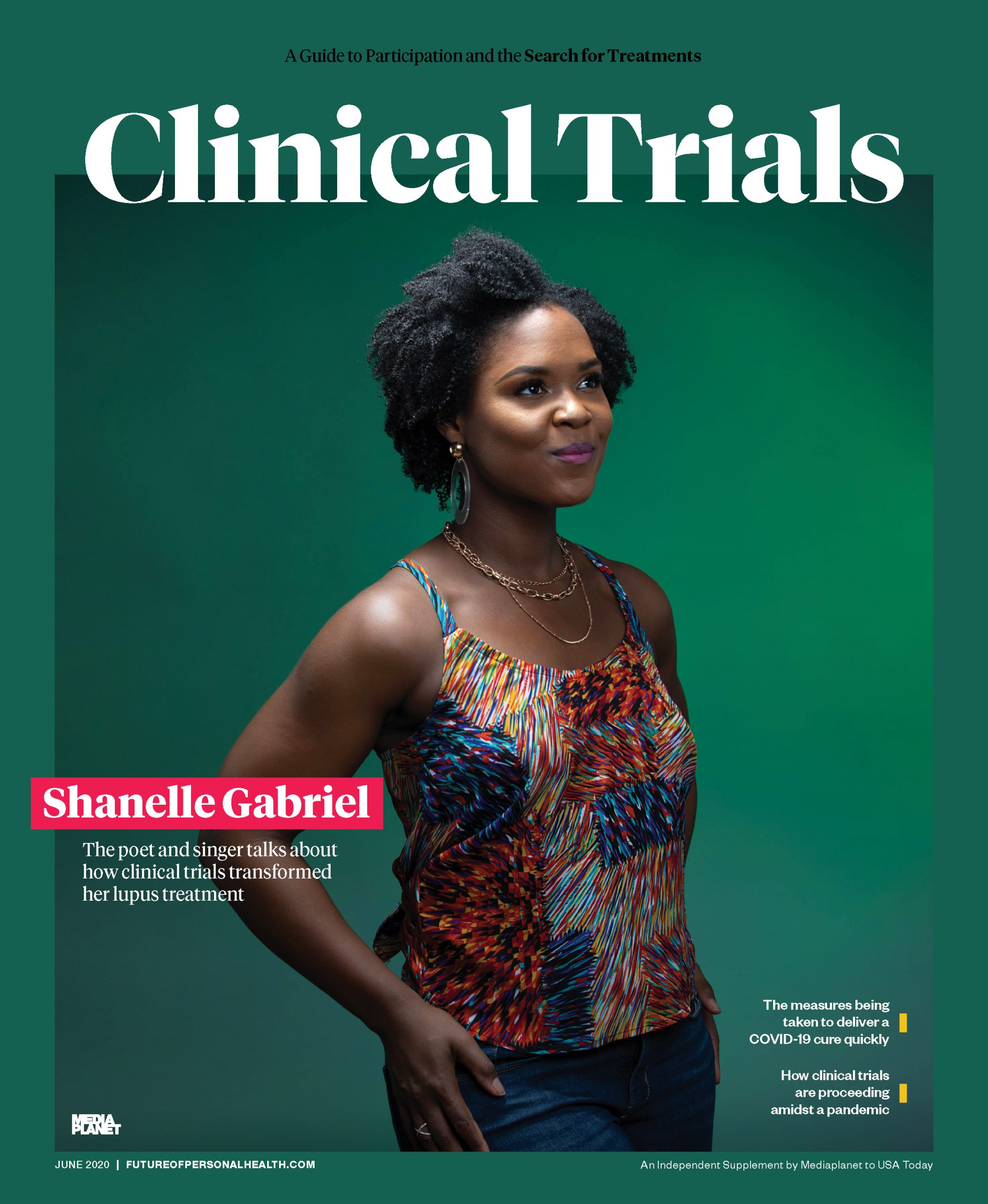
The ‘Medical Hero’ spotlight cover story shares the experience of Shanelle Gabriel, a poet and singer, who volunteered for a life-changing clinical trial that transformed her lupus treatment. Read the online article.

A Very Special “Thank You” to the supporting organizations:

Pfizer
Merck
Biogen
Bristol Myers Squibb
ORA, Inc.
Segal Trials
SubjectWell
Praxis

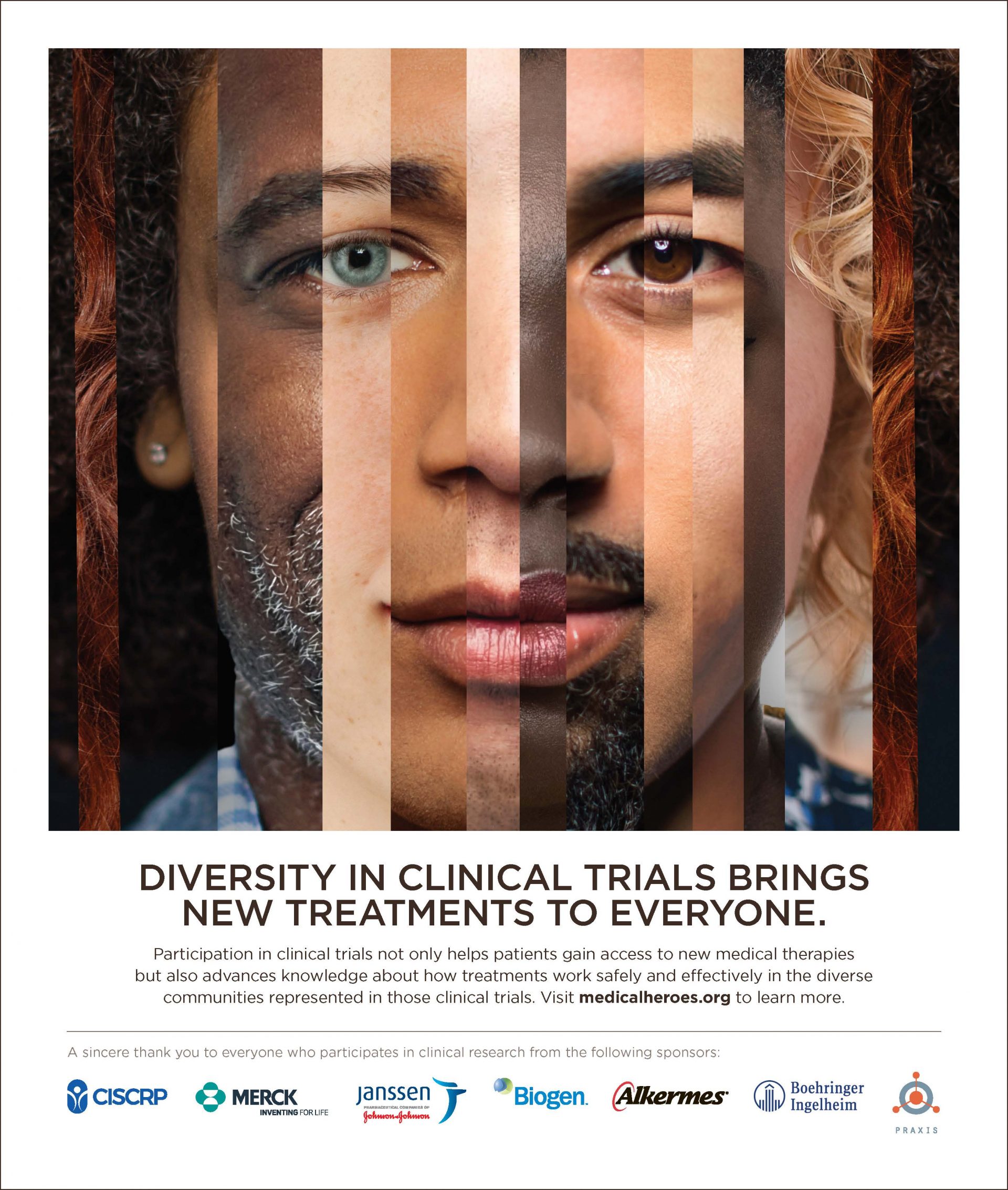
CISCRP would like to recognize and extend a ‘Thank You’ to Praxis for donating their pro-bono graphic design expertise to create the advertisement.

View the Advertisement.

Autumn 2019

CISCRPs inaugural Patient Diversity campaign was implemented in November 2019.  The campaign focuses on sharing educational information about clinical research and highlighting the critical importance of patient diversity within clinical trial participation in order to discover treatments that are effective for all.

CISCRP collaborated with 5 leading publishers serving diverse and minority communities in major cities—Chicago, Los Angeles, New York City, Detroit and Atlanta—to circulate an impactful and meaningful awareness building advertisement (featured to the right).

Five newspapers (print & digital)

The Weekly Citizen (Chicago)

New York Amsterdam (NYC)

Michigan Chronicle (Detroit)

Atlanta Voice (Atlanta)

Excelsior (Los Angeles) (translated to Spanish)

Three additional digital newspapers

Atlanta Daily World

Chicago Defender

News Pittsburgh Courier

 Very Special Thank You to Our 2019 Sponsors

Merck

Janssen

Biogen

Alkermes

Boehringer Ingelheim

Engaging Underserved Communities in Clinical Research

by Stephanie Loomer, CISCRP Staff

Originally published in Clinical Leader. See link below for the complete article.

The importance of clinical trial research in developing treatments and advancing healthcare is widely acknowledged. In 2019 alone, 46,391 study volunteers contributed to clinical trials that resulted in the approval of 48 novel drugs. Of the demographic subpopulations represented, 9% of study volunteers were Black/African American, 9% were Asian, and 18% were Hispanic, highlighting a lack of representation of underserved populations.1 Recently, the FDA recommended broadening eligibility criteria to enhance diversity in clinical trials and therefore better reflect the patients who will be using a drug once it is approved.2

Pharmaceutical companies have begun working to address these disparities in clinical trials. For example, companies such as Sanofi and Eli Lilly have partnered with patient organizations and medical associations to better connect with underserved communities.3 When identifying study sites, both companies include geographic locations with diverse populations in their searches.  Furthermore, Eli Lilly requires that at least two sites be in diverse locations for larger research studies.3 These are a few of the ways that companies can engage a more inclusive group of study volunteers and better understand how the drug will impact the broader target patient population upon approval.

To read the article in its entirety, please visit Clinical Leader.

CISCRP Announces 2nd Annual Virtual Fitness Challenge to Recognize Medical Heroes

Encouraging the clinical research community to come together across the globe to honor medical and healthcare professionals, researchers and study volunteers

Boston, MA | April 2, 2020

On April 15, the Center for Information & Study on Clinical Research Participation (CISCRP) will be initiating the 2nd annual Medical Hero Appreci-a-thon to bring the global clinical research community together to express their appreciation for all “Medical Heroes” – medical and healthcare professionals, researchers and study volunteers.  CISCRP invites the public to participate in this free month-long virtual fitness opportunity.

Participants can share the distance they will go to recognize Medical Heroes by tracking any form of exercise—cycling, running, elliptical, weightlifting, sit-ups, yoga, stair climbing, pet-walking and other physical activities—on the Appreci-a-thon portal. Donations received in support of the virtual fitness challenge provide educational programs designed to help patients and their families navigate the clinical research process.

“Last year, nearly 400 people across industry, research, advocacy, and patient communities participated globally in this virtual appreciation event and the spirit of support and teamwork was inspiring,” said event organizer Justine Holleran. “This year we’re hoping to see an even larger community participating in this virtual fitness challenge to raise awareness about clinical research and its importance to public health.”

“Clinical research education and awareness is even more critical today,” added Ellyn Getz, Associate Director, Development and Community Engagement, at CISCRP.  “Medical, healthcare and research professionals are working tirelessly to provide care and treatment. And patients, their families and the public are seeking information and hope. Join us in showing your support and appreciation for the many dedicated ‘Medical Heroes’ around the world by participating in this virtual fitness challenge!”

The Medical Hero Appreci-a-thon virtual fitness challenge officially starts April 15th and runs through May 15th. Participants can register for free at https://www.ciscrp.org/events/appreci-a-thon.

For additional information, email medicalheroevents@ciscrp.org or visit https://www.ciscrp.org/events/appreci-a-thon

ABOUT CISCRP:

The Center for Information and Study on Clinical Research Participation is an award-winning nonprofit organization dedicated to educating and engaging the public, patients, research and health care professionals as partners in the clinical research process. Since 2003, CISCRP has produced numerous educational and awareness-building programs internationally and has developed a large library of print/digital content to increase health literacy.

Transforming Clinical Trials: Establishing the Rare Disease Advisory Committee

Authored:  Scott Schliebner, SVP, Centers for Rare Diseases & Digital Therapeutics,
PRA Health Sciences

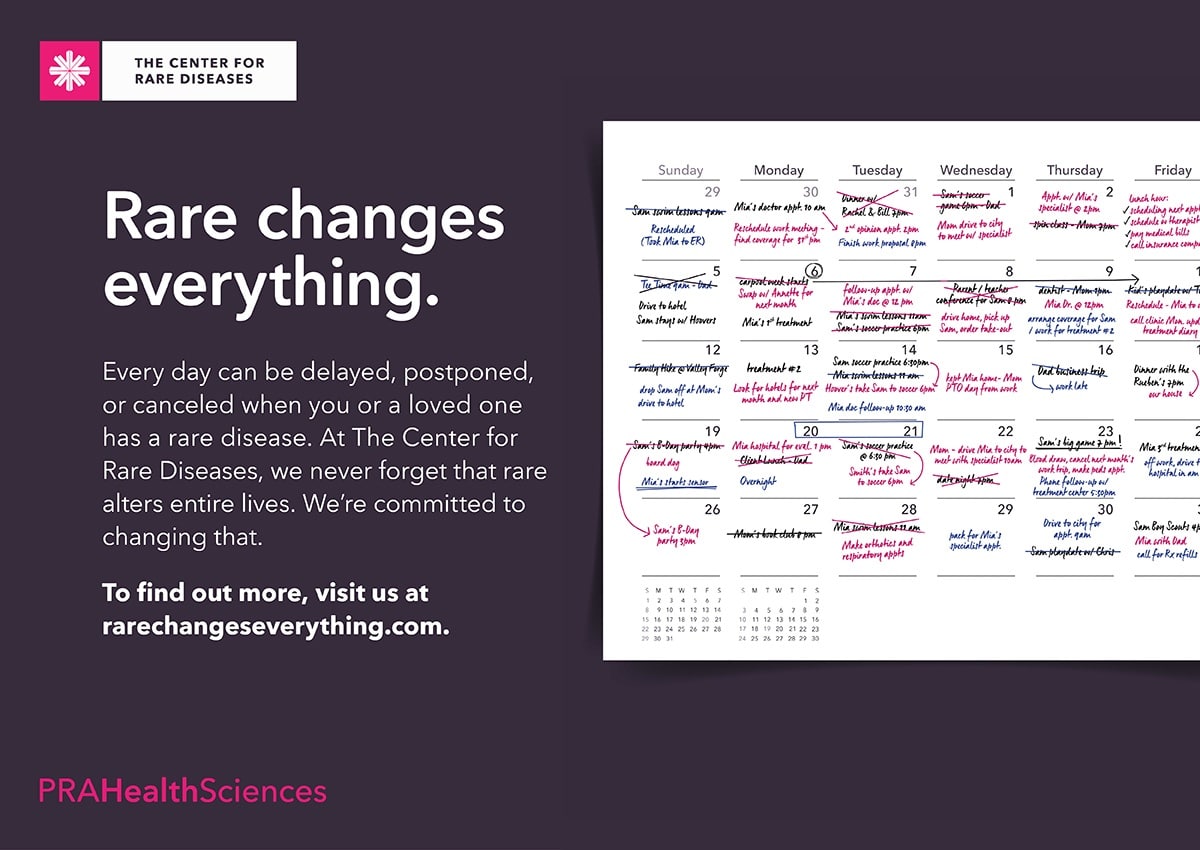
According to Global Genes, the 7,000 distinct types of rare and genetic diseases impact more people than cancer and aids combined.  PRA Health Sciences understands that rare disease clinical development programs are unique, and to be successful, should be approached from an equally innovative perspective.  PRA Health Sciences’ Center for Rare Diseases believes that by working directly with patient advocates offers us the opportunity to better understand the needs of the rare disease community and how we can transform clinical trials to be more effective and accessible for patients.  We are passionate about the role that patients can play to help better design, enhance, and optimize rare disease clinical trials.

The Center for Rare Diseases believes that by partnering with patients, clinical trials are designed and executed more efficiently and with a focus on the items that are most important to patients.  To help achieve this, we formed the Rare Disease Advisory Committee (RDAC), an independent, autonomous group of rare disease patient advocates who are committed to advising and working with PRA to improve the way patients are integrated into the clinical development lifecycle.  The RDAC will examine and explore ways to optimize the drug development process by involving patients, thereby accelerating clinical development and bringing new therapies to patients faster.  Central to this effort will be a focus on how patients and patient advocacy organizations can be impactful partners throughout the entire drug development lifecycle.

The Committee’s initial two focus areas are on (1) developing a Rare Disease Drug Development Patient Engagement Roadmap, and (2) developing a Rare Disease Clinical Trial Engagement Burden Assessment.  We will also be focusing on how patients, and patient advocacy organizations can be made partners throughout this entire process.  We are excited about the efforts of the RDAC and are committed to bringing new therapies to patients faster.

To learn more about the Rare Disease Advisory Committee (RDAC), please visit https://prahs.com/raretogether 

Members have an opportunity to share educational information and new initiatives being introduced about clinical research to patients, caregivers, advocacy organizations and industry. To submit a brief article for consideration, please contact Joan Chambers, jchambers@ciscrp.org

Making It Clear: Lay Language Summaries

When a patient has invested their time and energy into participating in a clinical trial, it’s of vital importance to provide information about the results in an easy-to-read format. CISCRP’s Health Communication Services (HCS) group specializes in the “translation” of clinical research documents into plain language to help patients understand complex clinical trial information. Among the most common of these is the trial results summary. With the impending implementation of EU CTR (536/2014) and as sponsors increasingly recognize the importance of patient engagement, many companies are beginning to prioritize the development of these summaries, sometimes referred to as “lay language summaries.” These documents play a critical role in the effort to keep patients and the public informed about clinical research and to demystify the process.

Producing a plain language trial results summary is a multi-step process. At CISCRP, the first step is the development of a robust summary template that can be customized from study to study. The CISCRP template is structured to meet EU CTR requirements and incorporate plain language best practices. Yet, it is flexible enough that it can be structured to align with a sponsor’s company requirements and preferences. To keep templates up to date and incorporate lessons learned, CISCRP updates our own template and our clients’ customized templates annually.

When creating content, a patient-centric focus is key. Summaries are most effective when written at a 6th to 8th grade reading level, and it is vital that the content be unbiased, clearly written, and easy-to-understand. During the development process, CISCRP engages volunteer Editorial Panel members to review and comment on a draft of the summary to ensure readability. These panels consist of members of the public (whether or not they are patients), health professionals, and patient advocates. Their feedback is crucial to ensuring that the summary is understandable and strikes the proper tone.

Sponsors working with CISCRP have their option of two different service models: full-service, or Editorial Review only. In the latter model, the sponsor writes the summary and engages CISCRP to perform an editorial review of the draft. This includes feedback regarding plain language best practices and EU CTR requirements. This may also include the implementation of requested graphic design elements.

Some sponsors prefer to pilot their initial summaries using the Editorial Review only approach. This allows them to utilize CISCRP’s plain language expertise and volunteers, while still “owning” the writing and stylistic elements of the summary.

The full-service model, however, engages our plain-language trained staff to assume a more active project management role. This gives valuable time back to an organization’s internal medical writers and creates efficiencies by allowing the writer and editor to communicate more directly. In the full-service model, CISCRP is responsible for the authoring, plain-language editing, content and editorial QC, and graphic design of the summaries. The sponsor has two opportunities to review and comment on the document to ensure it is scientifically accurate. This approach allows each party to focus on their respective areas of expertise, collaborating to produce a document that is plain language friendly and informative.

Producing patient-facing collateral that is transparent and direct is an essential part of the conduct of clinical research. Learn more about CISCRP’s patient engagement and education materials.