Supporter Spotlight: Educational Video Series

Written by Ellyn Getz  
egetz@ciscrp.org

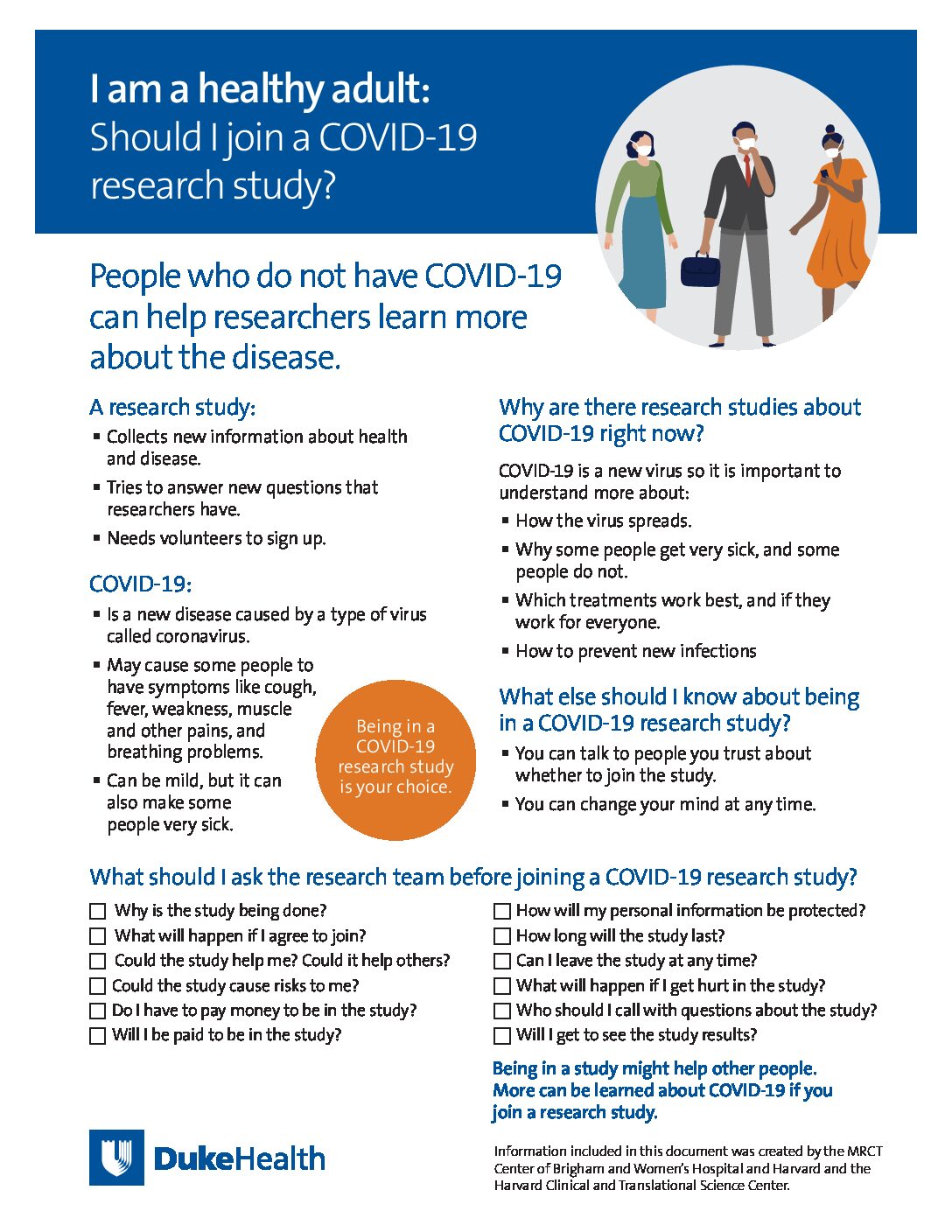
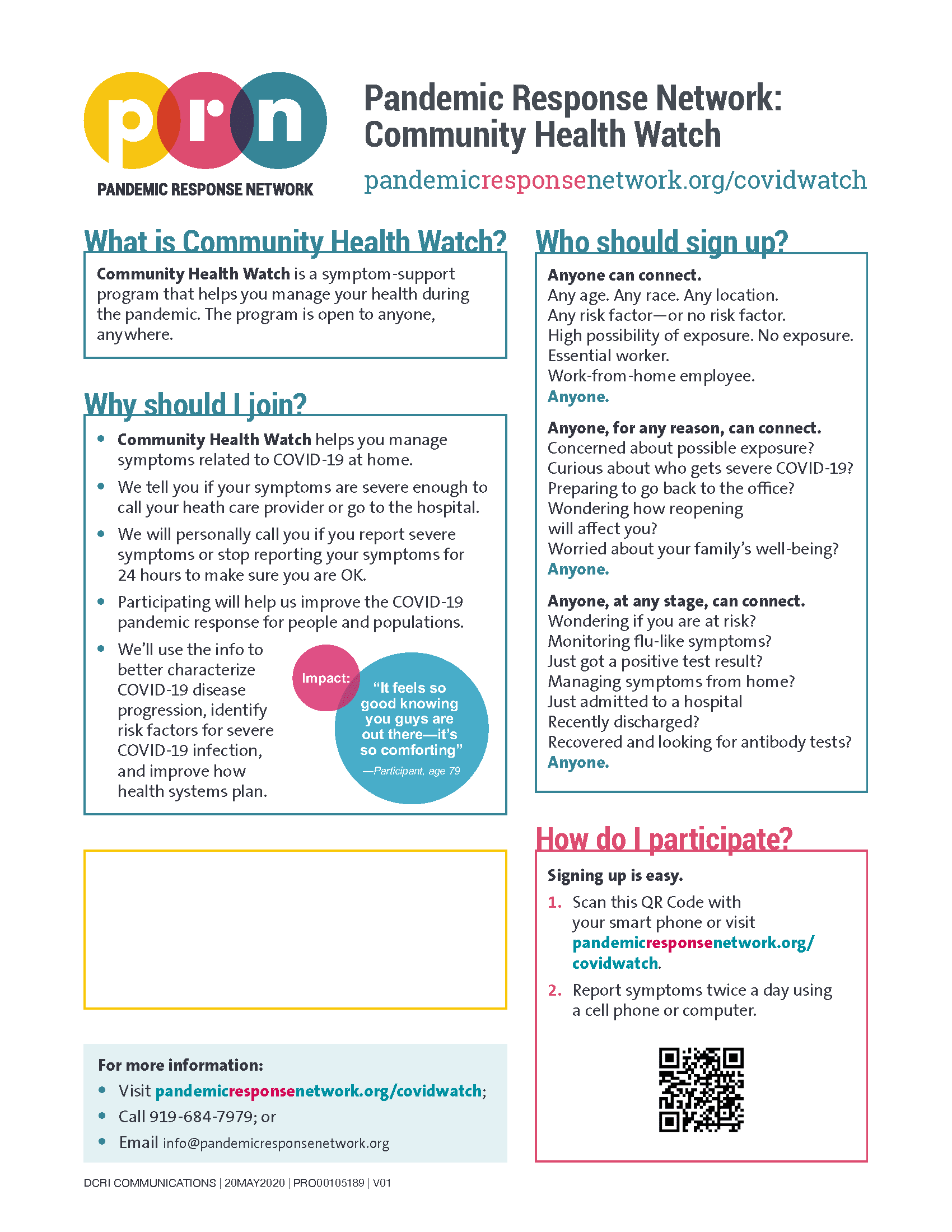
The general public and patient communities have been receiving a lot of information about how government agencies, private companies, and others are responding to COVID-19. However, there has been limited reliable information about why clinical trials are critical in developing new and promising treatments, and why participation in clinical trials is so important. And, most of the general public do not understand why these new treatments may take such a long time to bring to market, even as industry and other agencies try to speed up this process. Meanwhile, advocacy groups and sites are working hard to address general questions and concerns from patients and caregivers about the clinical research process. 

To help fill these knowledge gaps, CISCRP  in collaboration with 5 leading pharmaceutical companies  has developed short, objective, and engaging videos that cover the following themes:  

  • how new therapies are developed 
  • how clinical trials are changing to meet the current environment 
  • safeguards in place to protect study participants 
  • principles of participation that never change 

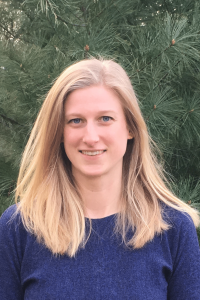
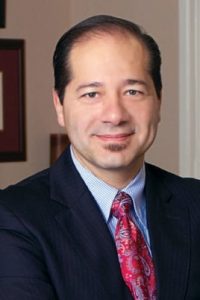
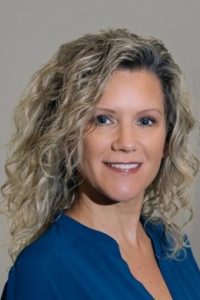
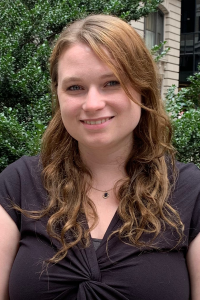
We are grateful to the passionate team of sponsors who have collaborated with us on developing and promoting this new series: Eli Lilly, Janssen, Takeda, Biogen, BMS, and Merck. These videos are widely available across digital and social media, and CISCRP has shared these videos with patient advocacy groups, sponsors, and sites around the country. The videos have also been translated into Spanish and Mandarin. We thank the many subject matter experts who recorded segments: Dr. Christina Brennan (Northwell Health)Sharie Douglas (iResearch Atlanta), Taylor Fipps Bayless (PMG Research/AccellaCare), Dr. Jonathan Jackson (Massachusetts General Hospital)Monica Mahatre  (iResearch Atlanta), Dr. Purvi Parikh (Allergy and Asthma Associates of Murray Hill), Dr. Belinda Tan (People Science)and Katherine Trejo (Emerson Clinical Research Institute). 

Since kicking off these animated videos in 2020, CISCRP has developed new clips aimed to assist patients and the public in understanding themes related to clinical research participation. We are currently developing more in Q2 of 2021. Our dedicated and talented Health Communication Services and Research Services teams are passionate about developing credible, neutral content to explain diverse and complex topicsWe have established a streamlined process to quickly turn around animated and live-action videos.

If you are interested in learning about our video capabilities and opportunities to collaborate, drop us a line at 617-725-2750 x320 or via email at egetz@ciscrp.org. 
Go Back to Newsletter >

From the Editor

Dear Readers, 

As we share with you our first newsletter of 2021, we must acknowledge the harsh challenges that defined 2020. The COVID-19 pandemic has changed our way of life. It has disrupted the routines that we took for grantedand for some of us, it has brought deep and lasting loss. It has also highlighted the harsh racial inequalities that continue to existWe find as a society that there is healing needed on many levels. As we welcome the hope that comes from several promising vaccines, we are also reminded of the importance of clinical research. Further, we are reminded of the importance of clinical research education, and of ensuring equal access to information and to treatment across all communities. 

Like so many of our readers, the CISCRP staff has become used to a new way of working, of interacting. With our Boston office closed during the pandemic, we have explored different ways of communicating with each other, and importantly, of furthering our mission. We remain dedicated to helping people better understand clinical research and make informed decisions. As vaccines have taken center stage in the mediawe have recognized a need for more information about vaccine development and drug development in general.  

We are pleased to share some of the ways in which we have begun to address this need: 

  • Together with several leading pharmaceutical companies, developed a series of animated educational videos and clips about clinical research, including vaccine development
  • Supported “Operation Warp Speed” sponsors by volunteering our plain language expertise in the development of trial results summaries, medical journal articles, and other media 
  • Launched diversity and inclusion projects across our company to make sure that we engage under-served communities, listen to their voices, and develop our educational materials with their input 
  • Changed our AWARE for All program to a fully virtual model, including targeted educational content to address concerns about COVID-19 vaccines 

We continue to expand our service offerings and educational content to shine a light on the realities of clinical research. Especially during the pandemic, clear communication about clinical trials is critical. In this issue of our newsletter, we share a conversation with Medical Hero Jackie Zimmerman. Jackie knows well the roles of patient, trial participant, and patient advocate. Here, she shares how communicating with others about her MS diagnosis led her to become a patient advocate. 

In celebration of Medical Heroes like Jackie, CISCRP has kicked off this year’s Appreci-a-thon. We invited people to join this virtual fitness challenge starting March 1st of this year. The event runs through March 31st, so it is not too late to sign up!  

Coming up this Springwe will be offering 2 virtual AWARE for All events: a Northeast program on April 15, 2021, and a Northwest program on May 20, 2021.  

It is free to sign up for the Appreci-a-thon and the AWARE for All events. We hope you will join us as we continue to honor Medical Heroes and participate in important discussions about clinical research. Please visit our Events page for more information on these and other upcoming events. 

Thank you for your continued support as we build upon our existing resources and explore new ways to carry out our mission.  We look forward to connecting with you again in our Summer edition. 

Warm Regards, 

Brandis Pickard
Senior Manager, Editorial

Postpartum Depression (PPD) & Clinical Trials Part 2

Part 2 of a 2-part series. Medical professionals and patient advocates discuss their experiences with postpartum depression, one of the most common medical complications during and after pregnancy.

About the Panelists

kedwards_ws

Moderator
Kim Edwards,
Senior Manager, Health Communication Services, CISCRP

Dr. Gus Alva

Panelist
Dr. Gus Alva,
Founder & Medical Director,
ATP Clinical Research

Dr. Bassem Maximos

Panelist
Dr. Bassem Maximos,
OB/GYN

Tonya Fulwider

Panelist
Tonya Fulwider,
Associate Director,
Mental Health America
of Ohio

file3

Presenter
Shalome Sine,
Project Manager,
CISCRP

Medical Hero Spotlight: Shanelle Gabriel, Lupus Advocate

When Gabriel was in college, she always felt tired and would wake up feeling stiff. She dismissed it as general soreness from working out with her dance team.

The Brooklyn-native Gabriel, then 21, went to her doctor, who told her she probably had sinus problems and encouraged her to take allergy medicine.

Diagnosis

A turning point came a month later when she noticed patches of hair missing. She went to a different doctor who asked her a series of questions, including about how tired she was and whether her hands changed colors when they got cold. After testing, Gabriel was diagnosed with lupus, an autoimmune disease.

At the time, there weren’t medications specifically designed to treat lupus. Instead, doctors had a blanket approach and prescribed a variety of medicines, including steroids, to treat symptoms, but nothing was specific to the illness.

“Nobody knew how much pain I was in,” said Gabriel, now 36, who describes lupus as, “a hidden disease.”

Many of the medicines had side effects, including increased risk for liver and kidney problems, as well as cataracts and glaucoma.

She still had flare ups that sent her to the hospital, including an inflammation of the membrane around her heart. It was so bad, she had to leave an internship and quit the dance team.

After graduating, Gabriel toured the country as a poet and singer. While in Montana for a performance, she suffered an episode that caused her to be hospitalized due to a lupus-related condition that causes blood clots.”

Clinical trials

When her doctor suggested trying a clinical trial for a new lupus treatment, Gabriel, who’s African American, balked. She was worried because, historically, people of color have been taken advantage of during medical trials.

She later found out the trial was a success and her doctor prescribed the approved drug. The treatment worked but it was demanding, as Gabriel needed to take a full day off from work to receive IV therapy.

Next, Gabriel decided to participate in the next clinical trial, which tested that approved medicine as a self-administered, weekly therapy.

For Gabriel, this drug helped make her symptoms more manageable allowing her to discontinue her use of steroids.

Stigma

While Gabriel was initially nervous about clinical trials, she’s glad she talked with her doctor and other medical professionals, and realized that clinical trials are essential for finding new therapies and cures.

“Due to a lack of participation by women of color in a lot of these trials, (researchers) were not able to actually track if it worked for us,” she said. “There’s only one way to find out if it works; somebody has to do it.

“I just felt like, ‘You know what? I’m fine with that, because there could be a really great benefit from it.’ And I did end up benefiting from it.”

Gabriel is on the patient advisory boards for The Center for Information and Study on Clinical Research Participation, a non-profit dedicated to educating and engaging the public and patients about clinical research.

She encourages patients with lupus and other diseases to consider clinical trials, which have many safeguards to minimize danger for participants. She recommends doing your own research, asking questions, and talking to your doctor about clinical trials.

She’s sharing her story and hopes to inspire others.

“It’s becoming a community of people that are advocating and I think there is hope for a cure,” Gabriel said.

Featured in the June 2020 Clinical Trials Supplement, USA Today.

To search for medical conditions in a specific location visit our Search Clinical Trials page.

To stay informed about clinical trials, visit our Resources page.

Plain Language Summary Publication of Key Results from Bayer’s Phase 3 ARAMIS Trial Published in Future Oncology

Boston, MA | February 16, 2021—The Center for Information and Study on Clinical Research Participation (CISCRP) and Oxford PharmaGenesis worked together with Bayer, an ARAMIS trial investigator and oncologist, an ARAMIS trial participant, and a prostate cancer patient advocate—Dr. Fizazi, Mr. Blue and Mr. Nowak, respectively—to write a plain language summary publication (PLSP) of the 2020 New England Journal of Medicine article on the ARAMIS trial.  The PLSP was recently published in Future Oncology on February 8, 2021 with the title ‘Darolutamide and survival in nonmetastatic, castration-resistant prostate cancer: A patient perspective of the ARAMIS trial’.    

Public, patient, and health care community demand for plain language information about the results of clinical trials is extremely high. For more than ten years, CISCRP — a non-profit organization — has been translating scientific clinical trial results information into plain, non-technical language for patients and the public around the world to be communicated in print and digital formats. 

The teams involved—Bayer, CISCRP, Oxford PharmaGenesis, Dr. Fizazi, Mr. Blue and Mr. Nowak—worked to ensure the PLSP was easy-to-read by adding creative visuals, tables and key questions answered about the ARAMIS trial.  The inclusion of patients’ perspectives in PLS publications are important as it conveys unique insights and perspectives that highlight the importance of patient participation in ongoing clinical trials and empower patients to engage in treatment discussions.  In addition, this PLSP was reviewed by an editorial panel inclusive of patients, patient advocates, public and healthcare professionals to evaluate and confirm that a ‘patient-first’ approach was taken in the writing, design, and layout to help patients and caregivers understand the trial results.

The PLSP highlights the ARAMIS clinical trial that began in September 2014 and ended in September 2018 with 1,509 male participants in ages ranging from 48-95. The demographics included 1,194 Caucasian participants, 52 African Americans or Blacks participants, and 193 Asians participants from 36 countries.

The clinical trial was conducted in adult participants with non-metastatic, castration-resistant prostate cancer (nmCRPC) who received a treatment called darolutamide (brand name Nubeqa®) plus androgen deprivation therapy (ADT) . Darolutamide is approved in several markets around the world, including the U.S., the European Union (EU), Brazil, Canada, Japan and China, as an oral treatment for adults with nmCRPC who are at high risk of developing metastases.  The product is developed jointly by Bayer and Orion Corporation, a globally operating Finnish pharmaceutical company.

“New therapies to treat prostate cancer in men are being developed rapidly,” wrote Mr. Blue, a patient author.  “After five years in the ARAMIS trial, I have been very pleased to see the positive outcomes of the trial which has given me hope for a continued good quality of life for the foreseeable future.”

“Clinical trials are life.  Very simply, for us patients, clinical trials are our life force,” wrote Mr. Nowak, a patient author. “Clinical trials have become so advanced. Today we evaluate if a new potential treatment extends our life. We are often asking if this new treatment will also improve the quality of our life. For me, improving the quality of my life is just as important as extending it.”

Read the full PLSP in Future Oncology here, https://www.futuremedicine.com/doi/10.2217/fon-2020-1291

About the Center for Information and Study on Clinical Research Participation (CISCRP)

CISCRP is a Boston-based, globally focused, non-profit 501(c)(3) organization providing public and patient education and advocacy.  CISCRP’s mission is to inform patients and the public about clinical research and the important role that it plays in advancing public health and to help stakeholders in drug development engage with patients and the public as clinical research partners. www.CISCRP.org

About Oxford PharmaGenesis

Oxford PharmaGenesis is an award-winning, independent, global HealthScience consultantcy—providing communications services to the healthcare industry, professional societies and patient groups.  Our clients choose us because we provide the highest level of quality, the deepest level of therapy area experience and the most compelling approaches to evidence communication.  www.pharmagenesis.com

About Bayer  

Bayer is a global enterprise with core competencies in the life science fields of health care and nutrition. Its products and services are designed to benefit people by supporting efforts to overcome the major challenges presented by a growing and aging global population. At the same time, the Group aims to increase its earning power and create value through innovation and growth. Bayer is committed to the principles of sustainable development, and the Bayer brand stands for trust, reliability and quality throughout the world. In fiscal 2019, the Group employed around 104,000 people and had sales of 43.5 billion euros. Capital expenditures amounted to 2.9 billion euros, R&D expenses to 5.3 billion euros. For more information, go to www.bayer.com.

PR Contact:                     Joan Chambers, Senior Director, Marketing
                                             jchambers@ciscrp.org
                                             617-725-2750 (Ext. 202)

Autumn 2020

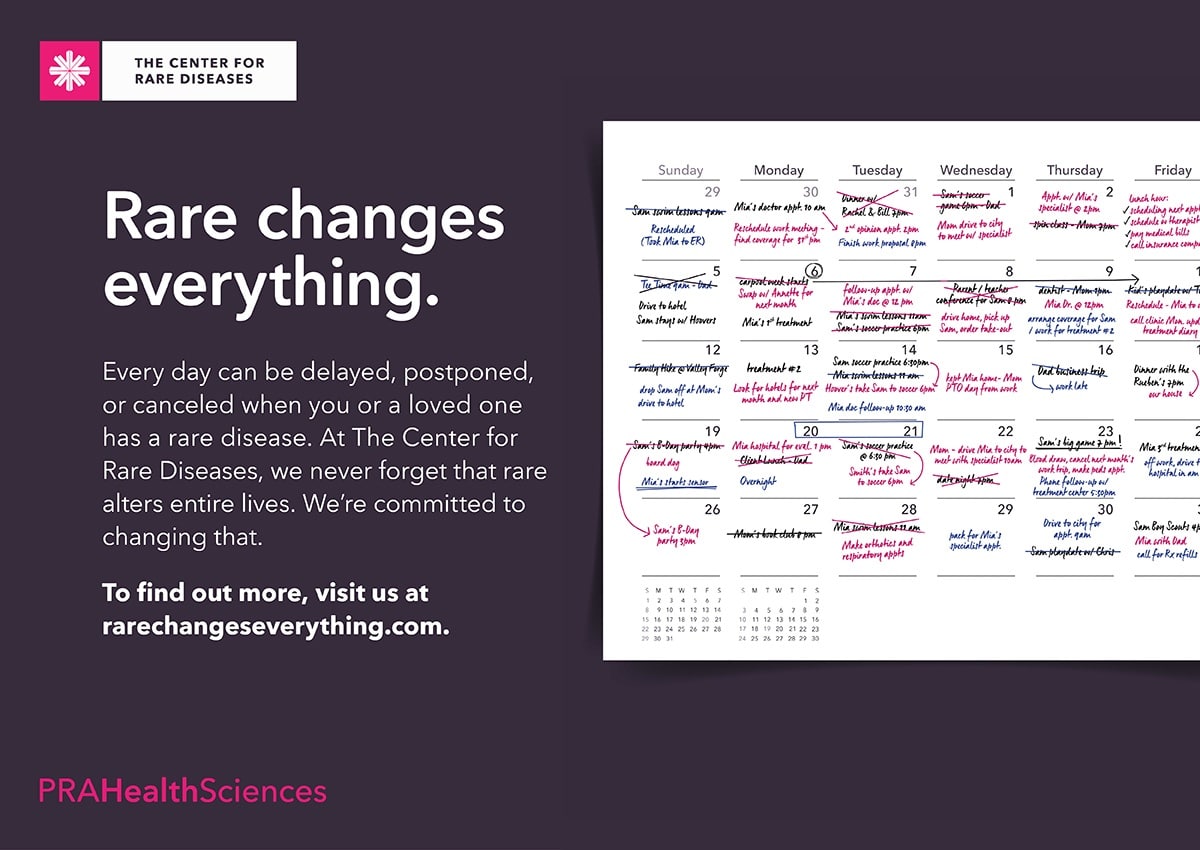
Autumn 2020 Campaign

Visit our Library
of Clinical Research Educational Resources.

FAQ About Clinical Research

View Educational Videos

Expanded versions below.

View & Download Our Latest Campaign here.

Spanish Version: View & Download here.

A Very Special 'Thank You' to the Supporting Organizations

Thank You to Praxis

CISCRP would like to recognize and extend a ‘Thank You’ to Praxis for donating their pro-bono graphic design services to create the full page advertisement. View the advertisement here by clicking on the star.


To participate in this or another upcoming media campaign to continue to build education and awareness about clinical research, please contact Matt Steele at msteele@ciscrp.org.


Global Resilience Institute Shares COVID-19 Resources

Educational Curriculum Made Possible by Collaboration of Experts from Northeastern University

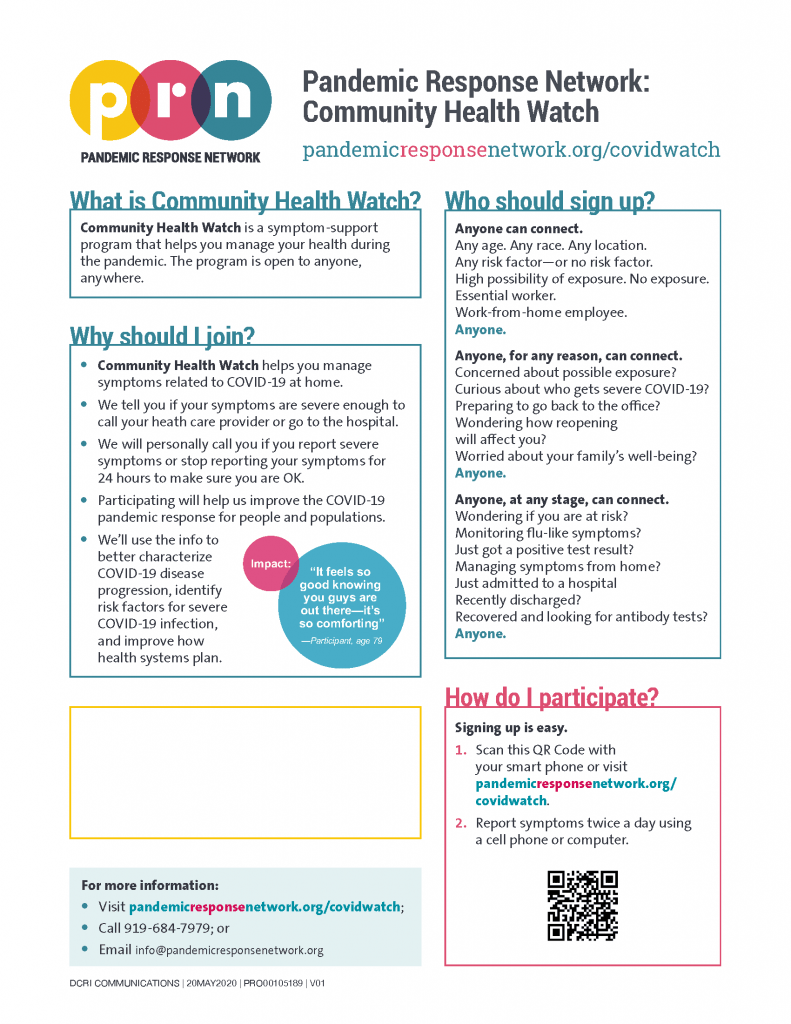
The Global Resilience Institute at Northeastern University released a “COVID-19: Staying Safe, Resilient & Protected” website to assist the public and provide comprehensive information on vaccines, how to be safe and resilient, and enterprise restart and recovery tactics.

You can access the site here.

Content is delivered in English and Spanish.

CISCRP Provides Plain Language Clinical Trial Communication Services to Support Operation Warp Speed Vaccine Sponsors

Boston, MA | January 14, 2021—The Center for Information and Study on Clinical Research Participation (CISCRP) today announced that it is providing plain language communication consulting and services to companies involved in Operation Warp Speed vaccine studies.  Late last year, CISCRP pledged to donate its expertise and production capabilities to assist Operation Warp Speed sponsors.  At that time, companies soon-to-receive emergency use authorizations and those in late-stage clinical trials began collaborating with CISCRP.


Public, patient, and health care community demand for plain language information about the results of COVID-19 vaccine clinical trials is extremely high.  At the same time, health officials and Operation Warp Speed vaccine sponsors believe that transparency and disclosure of clinical trials results and information is essential to engendering public trust and facilitating broad support for vaccination programs that are now rolling out globally.


For more than ten years, CISCRP — a non-profit organization — has been translating scientific clinical trial results information into plain, non-technical language for patients and the public around the world.  To deliver on its pledge, CISCRP is assisting Operation Warp Speed vaccine sponsors in a variety of ways including sharing best practices; developing, producing, and distributing plain language trial results summaries; and preparing plain language content to be communicated in print and digital formats.


Oxford PharmaGenesis, a global provider of medical, regulatory, and scientific writing will also be donating its services in collaboration with CISCRP on this important initiative. 


“Given the incredible time and resource pressures that Operation Warp Speed vaccine sponsors are facing, CISCRP decided to donate staff time and expertise; its editorial panel of patients; and print production and distribution costs,” said Ken Getz, CISCRP’s founder and board chair.  “We’re very pleased to be collaborating with so many COVID-19 vaccine sponsors.  And in the process, CISCRP is able to ensure consistent, high quality and compliant practices across sponsor companies,” he added.


For more information about CISCRP’s pledge to support Operation Warp Speed vaccine studies, contact Jill McNair, Senior Director, Health Communication, CISCRP via email jmcnair@ciscrp.org or phone at 617-725-2750 (Ext 101).


About the Center for Information and Study on Clinical Research Participation (CISCRP)

CISCRP is a Boston-based, globally focused, non-profit 501(c)(3) organization providing public and patient education and advocacy.  CISCRP’s mission is to inform patients and the public about clinical research and the important role that it plays in advancing public health and to help stakeholders in drug development engage with patients and the public as clinical research partners (www.CISCRP.org)


Contact:                 Joan Chambers
                                 Senior Director, Marketing
                                 jchambers@ciscrp.org
                                 617 725 2750 ext. 202

Parents & Children Share Perceptions & Experiences with Clinical Research: Survey

During the month of April 2020, CISCRP conducted an online US-based survey among 500 parents and their children. The goal of this survey was to gain insight into general perceptions of pediatric trials, preferred channels of communication, key information parents and their children would want about pediatric clinical trials, as well as past or current experiences participating in pediatric clinical trials.

The findings of this Pediatric Perceptions and Insights Study illustrate what matters most to patients and their parents and offer ways to best support and inform prospective pediatric volunteers and their guardians before, during, and after the clinical research process. You can review the report here.

Understanding and Awareness of Clinical Research High among Parents, but Children were Unsure

Parents generally self-report high levels of understanding about clinical research, and generally high willingness to have their child participate in a clinical research study. Awareness, understanding, and willingness to have their child participate were greatest among parents whose children have previously participated in clinical research.

Among children, levels of awareness of clinical research vary by child’s age, as older children were more likely to have heard of clinical research compared to younger children. Overall, few report that they understand clinical research “Very Well.” Though many were not sure whether they would want to participate, 50% report that they would be willing. The top motivation to participate was altruistic as children wanted to advance science through their participation.

Parents and Children Alike Report Burdensome Participation Experiences Despite Good Communication with the Study Team

During participation, parents report highly burdensome experiences and high levels of disruption to their daily routine. Top burdens included traveling to the study clinic and having their child complete lab work (like blood draws and urine tests). However, the majority of parents said that they received updates or study results once their child finished participation.

Results also indicate that children generally received adequate information about their participation. 92% remembered getting information about the clinical trial before they joined, and 85% found this information ‘Kind of’ or ‘Very Easy’ to understand. Despite these expectation-setting measures, children reported some study requirements as difficult to complete, most notably taking the study medication and undergoing blood draws. However, though children report burdensome study experiences, most indicate that the study exceeded their expectations and they would be willing to participate again.

HCPs Key for Parents to Decide to Have Their Child Participate

A consistent theme throughout the survey findings was the critically important role that healthcare professionals play at several points along the journey toward participation. For example, parents discuss clinical research with their child’s doctors often and cite their child’s doctors as the top way they learn about participation opportunities. Children would also most prefer to learn about clinical research through their doctor. Doctor’s recommendations were ultimately the top reason that parents decide to have their child participate.

You can view other CISCRP reports on clinical research perceptions and experiences here.


2020 December Edition

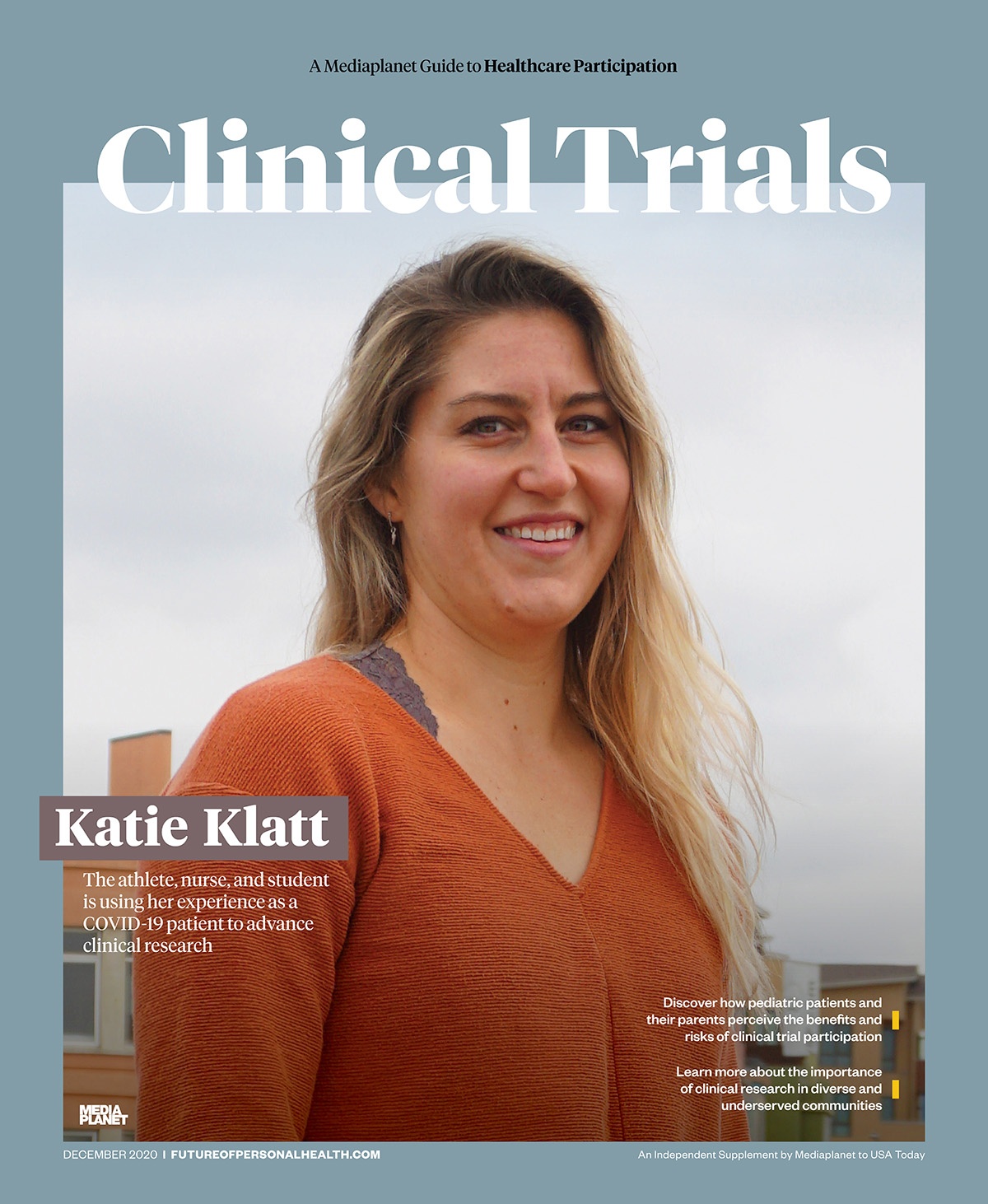
The Clinical Trials Supplement features a variety of informative and timely articles covering topics including the importance of clinical trial participation, how pediatric patients and their parents perceive the benefits and risks of clinical trial participation, and the importance of clinical research in diverse communities.

The ‘Medical Hero’ spotlight cover story features Katie Klatt, an athlete, nurse, and student, who is using her experience as a COVID-19 patient to advance clinical research. Read the online article.

A Very Special “Thank You” to the supporting organizations:

Pfizer                                   Oxford PharmaGenesis
Merck                                  CSL Behring
Biogen                                Applied Therapeutics
Bristol Myers Squibb      Boehringer Ingelheim
Segal Trials                        HyperCore International
SubjectWell                       Allergy & Asthma Network
Praxis

CISCRP would like to recognize and extend a ‘Thank You’ to Praxis for donating their pro-bono graphic design expertise to create the advertisement.