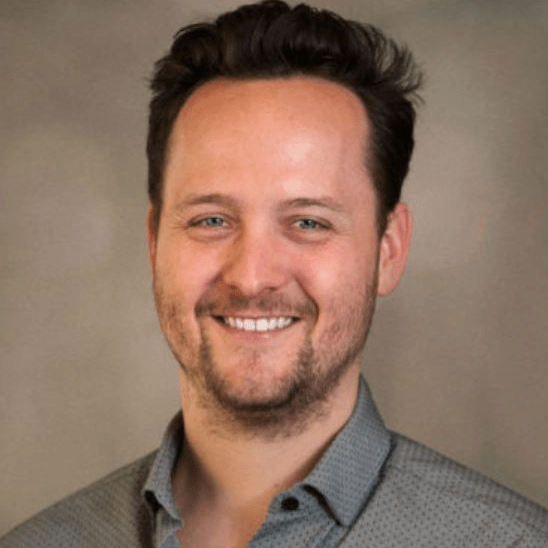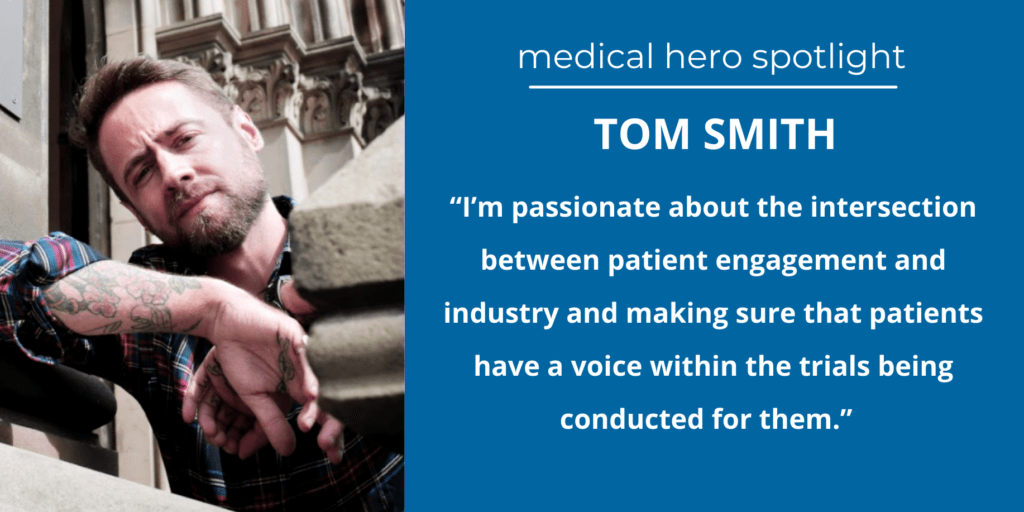
Medical Hero Spotlight: Tom Smith, Rare Disease Advocate & Patient Engagement Consultant

Living With Cystic Fibrosis

Tom Smith has never known a life without cystic fibrosis (CF), but it has not limited him or the work he does as an advocate for rare diseases. Although cystic fibrosis is a rare disease, it is one of the more common rare diseases in the UK, affecting about 1 in every 2,500 babies. Diagnosed at only six weeks old after experiencing severe breathing difficulties, Tom says that he was lucky doctors were able to identify his disease so early on so he could begin treatment.

“This was in the 1980s, when cystic fibrosis was a death sentence. The average life expectancy was only about 35 years. Things are very different today! I’m 35 years old now and expect to live a lot longer,” Tom says.

For Tom, childhood was relatively normal, and he recalls only a few instances of being hospitalized. “Until I was around 15 or 16, I felt the same as everyone else. As a teenager I became more self-conscious and wanted to fit in with my friends. I didn’t want there to be anything different about me,” Tom recalls.

Tom began putting off his daily treatments, which led to a decline in his health and more frequent visits to the hospital to stabilize his condition. Although with time, Tom’s health improved and he began prioritizing his treatments again, he still struggled with the emotional toll that can come with having CF. “Cystic fibrosis isn’t outwardly visible on most people. It was the secret that everyone knew about me, but that I never talked about. I felt like an intimate part of my identity was always being exposed,” Tom says.

Innovations in the CF Community

Over the years, the cystic fibrosis community has built up patient registries and multiple advocacy groups that have led to major advancements in treatment. “In the last 10 years, new disease modifying treatments have come on the market, including one that I have been taking because it aligns with my specific mutation of the disease,” Tom says. “It’s been incredible for me.”

For the first 2.5 years of his relationship with his wife, Tom’s morning treatments and physiotherapy appointments prevented the couple from spending a full day together. Thanks to his new medication, Tom hasn’t had to go to a physio appointment in two years and has much more energy.

“What is difficult in the CF community is that these medications don’t work for everyone. The drug I take works for most mutations but not all,” Tom explains. “There are large groups of people that are excluded and who are watching others with their disease have life-changing transformative experiences that they can’t join in on.”

In the past, Tom has applied to participate in a clinical trial, but was ineligible based on the criteria. However, he remains a major proponent of clinical research, an industry he has become very involved with, especially concerning patient engagement.

Working as a Patient Engagement Consultant

Beyond his own experience of living with a rare disease, Tom has spent much of his professional career exploring the role patients play in shaping clinical research and advancements in treatments. “Many are surprised to know that I don’t do most of my advocacy work with CF groups,” Tom says. “For my personal journey into this space, I’ve felt that only speaking and working on projects for CF is limiting in terms of my goals.”

In his early twenties, while trying to connect more with his disease, Tom found a group called Genetic Alliance Uwho advocate for many rare diseases. They were looking for people to help them create materials about genomic medicine, which Tom was interested in. “That was my first experience writing plain language materials for patients before people really knew what it was.”

From there, Tom’s connections in the world of patient engagement grew exponentially. He attended a patient’s forum training session in Vienna where he was introduced to a member of The European Health Parliament. Tom applied and joined as a committee member, where he now works to shape policies that benefit patient communities.

Since then, Tom has picked up a variety of other projects, including working as a research ethics committee member for the Health Research Authority, serving as a faculty member at the European Forum of Good Clinical Practice, and working as a consultant for sponsors, medical communications companies, and regulators.

Within the clinical trials industry, informed consent and plain language are two areas where Tom enjoys taking on projects.

“Patients still receive documents that are 8,000 words long and full of complex medical information. They have to consent to move forward with treatment, even if the average person usually can’t fully understand what the materials say. That’s why I’m passionate about the intersection between patient engagement and industry and making sure that patients have a voice within the trials being conducted for them,” Tom says.
Encouraging Advocacy

Tom describes himself as someone who is always itching for a new challenge professionally, and he encourages other people living with chronic conditions or rare diseases to consider advocacy. Tom sees patient engagement as an “ocean beneath our feet”, with the potential to bring forth new treatments quicker, save pharmaceutical companies money, and empower patient advocates to be compensated for their work.

“We’re in the shadow of hundreds of years where doctors have controlled the outcomes for patients, when so much more could be accomplished if it were more of a partnership,” Tom explains. In his own experience, Tom has noticed that many patients settle when it comes to advocacy work because they are just excited to be involved. “If you begin advocating for yourself and your community, you can change your life! Make sure you’re being fairly compensated for your time and effort.”

All patients in a disease community are important and bring unique value. For meaningful advancements to be made, all voices need to be engaged. Tom advises patients who might be interested in getting involved in advocacy to find what interests them and start there.

You don’t have to fit into any box as an advocate. If you’re not sure where you belong or where to start, just do what you enjoy.”

Additional Resources:
https://www.cff.org/
https://geneticalliance.org.uk/ 

https://www.hra.nhs.uk/

To search for medical conditions in a specific location, visit our Search Clinical Trials page.

To stay informed about clinical trials, visit our Resources page.

For volunteer opportunities with CISCRP, visit our Volunteer page.

Written by Lindsey Elliott, Marketing & Communications Manager, CISCRP | lelliott@ciscrp.org

Behind the Scenes of Health Literacy at the Movies

In October, CISCRP’s Health Literacy team worked with a Top 25 pharmaceutical company, to create an infographic celebrating Health Literacy Month, marking the second year of this collaboration. Last year’s materials included an infographic with tips for implementing health literacy best practices and a health literacy crossword puzzle. This year’s infographic contains an exercise to help readers brush up on their health literacy knowledge and think about the importance of keeping health literacy front-of-mind.

CISCRP creates many materials designed to improve health literacy, including videos and brochures. While the general education these provide is important, it is also important to understand the concepts behind their creation. In these Health Literacy Month materials, we unpack what health literacy means, how health literacy principles can be put into practice, and who is responsible for facilitating health literacy. Stay tuned for a look behind the scenes at the concepts highlighted in this infographic.

The theme of the infographic is health literacy at the movies. Health literacy issues appear even where we may not think to look for them, like in our favorite movies. For this Health Literacy Month, we challenged readers to notice and consider how health literacy is depicted in their favorite entertainment media.

Why health literacy at the movies?

Films are a great way to engage with health literacy because of the emotional connections created through storytelling. The empathy we feel for characters allows us to engage with health literacy issues more deeply. The separation of the screen provides us with a safe environment to experience health literacy issues along with the characters, while also giving us the opportunity to step back and look at the big picture.

What is health literacy?

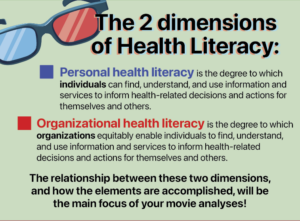
It’s important to remember that health literacy has two dimensions: personal and organizational.

Personal health literacy is the degree to which individuals have the ability to find, understand, and use information and services to inform health-related decisions and actions for themselves and others.

Organizational health literacy is the degree to which organizations equitably enable individuals to find, understand, and use information and services to inform health-related decisions and actions for themselves and others.  

In this infographic, we used movies to offer a bird’s-eye view of the intersection between personal and organizational health literacy in the lives of characters onscreen. This infographic focuses on a few key concepts related to health literacy: decision making, organizational health literacy, and health equity. Each of these concepts is the focus of a different part of the exercise, chosen to encourage health professionals to think about health literacy as a shared responsibility between individuals and organizations.

Let’s start the show!

For this exercise, readers are asked to pick a health literacy issue faced by a character in any movie , whether it is part of the main plot or a small moment. We encourage the audience to engage with health literacy through the entertainment that is interesting to them, whether that means identifying an issue faced by an action hero, sitcom character, or dramatic lead. We designed this exercise to work for any situation, from a character’s cancer treatment to an accidental injury or misuse of medication.

In the first part of this exercise, we highlighted the ability to use information and services to make health-related decisions. Conversations about health literacy often focus on readability and understanding, but the ability to use information and services to make decisions is just as important.

The second part of this exercise asks readers to think about whether the narrative they’ve chosen acknowledges the impact of both personal and organizational health literacy. It was especially important to spotlight organizational health literacy for industry professionals, to get them thinking about the many different stakeholders that play a part in improving personal health literacy for individuals.

In the third part of this exercise, we highlighted health equity and the social determinants of health. The concept of health equity is necessary for understanding the intersection between personal and organizational health literacy. In order for organizations to facilitate personal health literacy, there must be acknowledgement and understanding of varying needs and barriers across different communities. Efforts to improve health literacy are not benefitted by a one-size-fits-all approach but rather by strategies that improve access and opportunities to those who need it most.

Adding some movie magic

The Health Literacy team at CISCRP enjoyed thinking creatively about how to engage a professional audience in this health literacy exercise. One of the most enjoyable parts of the development process was incorporating movie theater imagery into the visual design to draw the audience in. We particularly enjoyed the creation of a health literacy superhero and the visual pun evoking 3D movie glasses that we used to introduce the two dimensions of health literacy. These elements are not just about having fun, but also about organizing content into digestible chunks, an important step for supporting health literacy.

Here’s a word from the Senior Director of the pharmaceutical company with their thoughts on Health Literacy at the Movies:

We were delighted to work with CISCRP to create materials for Health Literacy Month. We partnered with CISCRP because of their expertise in health literacy education, their creative approach, and their experience in tailoring materials to specific audiences. Our pharma company is dedicated to supporting health literacy education and awareness throughout our organization, and we look forward to continuing this partnership with future educational materials.

At CISCRP, it is always our goal to create materials that encourage education. We designed this health literacy refresher to get health professionals to think about health literacy in new ways, both by encouraging them to notice the influences of health literacy all around them and to think about the intersection of personal and organizational health literacy. In this way, the next time they’re at the movies or even catching up on their favorite show, they might think about their organization’s role in health literacy, health equity, and individuals’ agency—not only that of their favorite characters, but of people in our world, too.

Written by: Nina Treese

View Full Infographic Here

How CISCRP Made Tools for Informed Decision Making

Guiding Informed Decisions

It’s an all too familiar story – a patient receives a new diagnosis of a rare disorder. But now, they are told that there is a clinical trial option available. However, their lack of knowledge about clinical trials concerns them. In another case, a pediatric patient receives a new diagnosis and is offered an opportunity to participate in a clinical trial. Similarly in this case, the parents or caregivers of this child are not familiar with clinical trials. An important decision needs to be made in both scenarios.

Unlike the scenarios described above, most Americans have never faced a personal decision about whether to participate in a clinical trial. Of those who are invited, less than half choose to participate. There can be many reasons for this; the choice to participate or not is deeply personal. It means thinking about things like finances, family, current and past social injustices, and values, among other things.

Well before the need arises to access trial treatments, people should learn about the clinical research process, how to partner with researchers generally, and what it means to participate in trials. Even after learning about trials by reading brochures, and watching videos for adults or children, the process of making a decision may remain unclear. Making this kind of “informed decision” — one that looks at a complex decision from all angles — is hard under the best circumstances. When the choice involves personal health, or the health of a loved one, it can feel overwhelming. So, the team at CISCRP has developed brochures to address questions about clinical research and help guide the decisions of potential clinical trial participants. More examples of stories and articles can be found here, here, here, here, and here.

Developing the Brochures

CISCRP’s Health Literacy Team thought a lot about what goes into the decision to take part in a clinical trial — and what tools can help make the decision process easier — when we developed 2 new educational brochures on the topic.

The first brochure, titled “Should I Participate in a Clinical Trial?”, is for people weighing the pros and cons of taking part in a clinical trial. It includes questions that people may want to consider asking themselves, a healthcare professional, and trusted family and friends before making a decision. The brochure also serves as a resource for healthcare providers, community and faith leaders, family members, and anyone else helping potential trial participants navigate this process.

The second brochure, titled “Should My Child Participate in a Clinical Trial?”, is designed to help parents and caregivers of children who have been asked to join a pediatric clinical trial. As we wrote in a recent blog post, children have different healthcare needs and rights than adults, including different rights to make medical decisions. Parents and caregivers are tasked with making big decisions (like ones about trial participation) on their child’s behalf. Sometimes, a child might agree to join a clinical trial, but a parent or caregiver is still undecided. This means having to consider multiple perspectives at once.

The Importance of Empowering Patients as Health Literacy Professionals

As health literacy professionals, our goal with both projects was to improve the ability of individuals to find, understand, and use information and services to make health-related decisions. We emphasize this point because all materials we create, including these brochures, are planned with care to be non-promotional and unbiased. The brochures share user-friendly information to help participants, potential participants, and the public make the decisions that are best for them, and that benefit everyone and help improve the research process.

In these brochures, we aimed to address the unanswered questions people may have: What does it mean to be in a clinical trial? What does it mean to “weigh risks and benefits”? And how can I make sense of all the information coming my way?

Providing cognitive tools and points to consider helps guide the decision-making process, making it a more empowering and less overwhelming process. Additionally, we worked with patients, advocates, and subject matter experts (SMEs), who reviewed and provided input on both brochures. This helped us ensure the appropriate information and tools were included.

Conclusion

Our hope with these educational brochures is to not only empower patients or caregivers to make informed decisions, but also encourage providers and study teams to start open conversations with potential participants to help make decisions. And, we welcome conversations about other tools and information that could help patients during the clinical research process. How else can we empower patients and the public to make more informed decisions and partner with the research community to improve clinical trials?

Improving Accessibility in Clinical Trials

In April 2022, FDA issued draft guidance for the clinical trials industry entitled, “Diversity Plans to Improve Enrollment of Participants From Underrepresented Racial and Ethnic Populations in Clinical Trials.” Over the years, FDA has issued numerous recommendations to improve the racial and ethnic diversity in clinical trials with the goal of ensuring that clinical trials are representative of and generalizable to the larger population. As a result, companies seeking marketing approval will be required to submit a diversity plan. To meet these requirements, companies will need to articulate their demographic goals for patients recruited, explain their rationale, and provide an action plan for how these goals will be accomplished.

Even though minorities make up nearly 40% of the population of the United States,
participants of color, women, LGBTQ+ individuals, and the elderly have been historically underrepresented in clinical research. While there is encouraging movement towards the democratization of clinical trials, relatively little attention has been paid to the need to make clinical trials more accessible. This is critically important for the nearly 60 million adults in the US living with one or more visual, auditory, cognitive, communicative, physical, or emotional limitations, many of whom are already part of the 40% referenced above.

Built environments, i.e., the material and cultural world that surrounds us, determines our ability to navigate the world, and, you guessed it, participate in clinical trials. If the design of a clinical trial does not consider how the built environment impacts potential participants, it effectively prematurely excludes potential participants. It also sends a clear message that this population is not considered an equally deserving benefactor of clinical research.

Some might suggest that improved accessibility of clinical trials is a luxury instead of a necessity. The reality is that any dataset that is not representative of a diverse population is not as scientifically accurate as it would be if it included the demographics excluded. A reasonable solution, then, starts with addressing very tangible barriers through purposefully designing inclusive trials and considering how every aspect of a trial impacts a participant.

Let’s look at a few concrete examples of how we inadvertently make clinical trials less accessible:

  •  Example A: A visually impaired adult is living in a mid-sized city with limited public transportation options. They’re unable to drive, and light rail and rideshare aren’t options. So, in order to participate in a study, they’ll need to ask a friend or loved one to take off work to drive them to and from their study visit.
  • Example B: A young adult with Duchenne Muscular Dystrophy, a condition characterized by progressive muscle degeneration and weakness, has expressed interest in participating in a clinical trial. To complete the informed consent, they’re asked to provide a wet ink signature.
  • Example C: A geriatric adult with multiple sclerosis is returning to their clinical trial site for a follow up visit. Though they’re able to drive, mobility is an issue and they’re often confined to a wheelchair. The parking lot at the trial site has relatively few handicapped spots and the doors to the building do not have a push-button access switch.

Though there have been recent developments with respect to bringing clinical trials to a participant’s home through home health visits and telemedicine, there’s still plenty of room for improvement. Here are some simple strategies we can employ to make clinical trials accessible to a wider population:

  • Strategy A: Talk with the patient population intended to benefit from a clinical trial. Get to understand their unmet needs, what impacts their quality of life, and their preferences. Be thoughtful when designing your clinical trial protocol. For example, don’t simply provide transportation to and from a clinical trial site for someone with vision or mobility challenges. Make sure they have support along their journey. This includes transportation from their home to the waiting room at the clinical trial site and back.
  • Strategy B: When asking patients to complete a task, be sure you understand what is and is not feasible. When requiring a wet ink signature, consider whether a patient is able to grip a pen. Do they have a printer, ink, and scanner at home to print, sign, and return? If not, are you asking someone to travel to a copy shop when the task could more easily be completed with the assistance of technology like electronic consent (eConsent)?
  • Strategy C: Have clinical research associates (CRAs) evaluate clinical trial site accessibility. Are there curb cut outs from the parking lot to the sidewalk? Is there a touch-free means of opening the door? Is the clinical trial site located in a three-story walk up?
  • Strategy D: Are all the visits required to be on-site? Is there flexibility in when and where participants can complete study activities in case they are in pain, do not have reliable support, or have an emergency that is unavoidable?
  • Strategy E: Have conversations with each participant prior to visits about any sensory or communication strategies that work best for them and their support system.

We can reduce barriers and burdens to participation through intentional consideration of the realities faced by patients, thereby making research accessible to a broader patient population. Not only does this contribute to more equitable science, it also benefits everyone, as it pushes the industry to make less assumptions about capabilities and provide more flexibility to potential participants as a whole.

Written by Richie Kahn, Co-Founder & Principal at Canary Advisors and Kristy Birchard, Director, Canary Advisors

Additional Resources:

https://www.fda.gov/regulatory-information/search-fda-guidance-documents/diversity-plans-improve-enrollment-participants-underrepresented-racial-and-ethnic-populations

https://www.nature.com/articles/d41586-023-00469-4

To search for medical conditions in a specific location, visit our Search Clinical Trials page.

To stay informed about clinical trials, visit our Resources page.

Volunteer opportunities with CISCRP, visit our Volunteer page.

Medical Hero Spotlight: Katie Doble & Her Caregivers: Facing Ocular Melanoma

katie doble medical hero spotlight
Diagnosed with Ocular Melanoma

In 2013, Katie Doble visited her ophthalmologist after experiencing vision issues in her left eye. She was immediately referred to a retina specialist who diagnosed her with ocular melanoma. Thankfully, a full body scan revealed the cancer was nowhere else in her body. Katie underwent a week of radiation plaque therapy to treat the tumor inside her eyeball, which resulted in permanent loss of vision in that eye. During treatment, her doctors biopsied her cells and categorized her cancer as stage 1A, meaning she had less than a 2% chance of metastases. Still, it was recommended she have biannual liver ultrasounds and chest x-rays in case her cancer spread.

Two days before Thanksgiving the following year, at 32 years old, Katie’s ultrasound showed multiple tumors in her liver.

“On Thanksgiving morning, my dad flew to Denver so he could be with me the following day at the liver biopsy that would confirm my diagnosis. Nick, my boyfriend at the time, had been planning to propose to me that day and was warned by family members he might want to hold off because of my diagnosis,” Katie recalls. “I found out later that he told them my cancer changed nothing; I was still the girl he wanted to marry and support. I won the husband lottery.”

On Thanksgiving Day, Nick and Katie got engaged. The following day, a biopsy of her liver confirmed Katie’s ocular melanoma had metastasized. “This would have been a difficult diagnosis for anyone, but the news hit my family particularly hard because my mom passed away from pancreatic cancer when I was 15,” Katie says.

Starting Treatment: Clinical Trials

The oncologist who diagnosed Katie advised against clinical trials claiming they would be very expensive. The one treatment option available by the FDA would have bought Katie 16 months of life. 

“After meeting with that oncologist, my dad got on the phone with doctors across the country, looking for specialists,” Katie says. Her father, Dr. Jim Ortman, presented Katie’s case to the tumor board at his hospital and was referred by a doctor to Memorial Sloan Kettering Cancer Center in NYC, where a couple of clinical trials for ocular melanoma were taking place. In early 2015, Katie enrolled in her first clinical trial in New York for a medication called trametinib.

During her treatment, Katie’s family developed a schedule where they made sure someone was always with her for scans or appointments. “It was important to figure out how to support me without overburdening one member of the family,” Katie says. When able, Katie’s siblings attended appointments, as well as Nick and Dr. Ortman. In the five weeks she was required to stay in New York for treatment, she had nine visitors.

Six months after starting treatment, scans revealed growth and Katie was moved to the second arm of the trial, adding another drug. Additional growth in the following scan two months later eliminated Katie from the trial completely. However, the Doble family wasn’t discouraged.

“In 2014, I went from no tumors to 12 tumors in the span of six months. Taking trametinib didn’t shrink my tumors, but it did buy us more time,” Katie notes.

With cancer, it’s important as a patient and caregiver to develop a plan with your doctors for the next steps should your current treatment not be effective. While Katie was in New York, Dr. Ortman was working behind-the-scenes with her doctors to understand treatment options going forward.

After her first clinical trial, Katie was excited to get a break in treatment and worked to regain some of the 30 pounds she had lost. Shortly after returning to Denver, she enrolled in a second study at UCHealth in Colorado but was quickly removed from the trial when the side effects were too intense. It was determined the doctors would perform a targeted radioembolization on half of her liver, leaving the other half untreated as a baseline so they could see how future systemic treatments were working. A third clinical trial, also at UCHealth, was short-lived and the other half of Katie’s liver was embolized. The embolization stabilized Katie’s liver for 3.5 years.

In 2018, Katie’s treatment journey continued when she presented with stroke-like symptoms. Although never confirmed by biopsy, her doctors suspected a brain tumor. Katie underwent a Gamma Knife procedure, which was successful. Then, in 2020, Katie experienced a major recurrence with tumors in her liver.

Katie’s doctors recommended she start TIL therapy at UPMC in Pittsburgh. Although TIL therapy is seen by many as a relatively new treatment, it has been developed and improved over the last several decades. In fact, Dr. Ortman recalls that his late wife was slated to start what he believed to be an early version of TIL therapy before she passed away. Nearly 25 years later, the same treatment would save Katie’s life.

“For me, TIL therapy was incredibly effective. Within a year, nearly all my tumors had disappeared or shrunk besides one, which we jokingly named Uncle Fester as my doctor referred to it as the ‘festering problem,’” Katie recalls. In 2021, Katie had major surgery to remove ½ of her liver, including ‘Uncle Fester’. Upon waking, she was told she had No Evidence of Disease (NED).

Dr. Jim Ortman, Physician & Caregiver

Since the beginning, Katie’s father, Dr. Jim Ortman, and her husband, Nick Doble, have provided unique but equally important support. As an Internist, Dr. Ortman helped research treatment options and navigate the healthcare system. As her partner, Nick provided the emotional support and the day-to-day caregiving Katie needed during treatments.

“When Katie had her liver biopsy in Colorado, the pathologist and I looked at the black tissue and I could immediately tell it was melanoma; it was devastating,” Dr. Ortman recalls.

From her initial diagnosis, Katie’s father was doing extensive research to find the best specialists and treatment options for Katie. He advocated for her to begin participating in clinical trials and helped relay any symptoms or questions she had to her care team.

As Katie and her father navigated Western medicine for ocular melanoma together, Katie’s decision to seek out complementary treatments alongside the standard medications became a point of discussion between the two.

“I started seeing a nutritionist and taking supplements and my dad was skeptical of this type of medicine,” Katie remembers. Eventually, Dr. Ortman accompanied Katie to an appointment and the two had a positive conversation about the importance of nutrition when battling cancer. “As a cancer patient, you lose control over much of your life. My nutritionist really helped improve my relationship with food during this time. From experience, I know that chemotherapy hurts. Even if the supplements weren’t helping, they ultimately weren’t hurting me and gave me back some control over my life,” Katie says.

Nick Doble, Husband & Caregiver
Nick Doble had known of Katie’s cancer since they met in 2013. “When it metastasized to her liver, there was never a thought that we should reconsider our relationship,” Nick says. “All I knew was that I wanted to be with her and support her throughout her treatment.”

Nick admits to experiencing a learning curve when it came to understanding Katie’s diagnosis and treatment options, something most loved ones feel early on when emotions are high, and they are receiving an influx of new information. Growing up in the UK, Nick notes that he was much less familiar with clinical research and how to find a trial. “I was so grateful to Jim for the research he was doing and the knowledge he already has as someone in the medical field,” Nick remembers.

As her spouse and caregiver, Nick tried to keep Katie positive during her treatments and provide what she needed most on any given day, whether that was listening, giving her space, or providing a distraction (like the time he caved when she pulled the cancer card to get a dog). During TIL therapy, Katie and Nick branded themselves “the increDOBLES.”

“There were a lot of difficult discussions Nick and I were having that couples our age don’t have to think about, including end of life care and wills,” Katie says. Katie chose to appoint both Nick and Dr. Ortman as her power of attorney so the burden would not fall on one person alone.

As a caregiver, Nick advises others in positions like his to make sure to balance your own wellness and mental health to support your loved one. “For me, exercise has been a great outlet and form of self-care,” Nick says. “It’s so important to find support whether that’s by therapy or talking to others.”

Advocacy Work & Advice

Katie was a recipient of the 2017 Courage Award at the Melanoma Research Foundation’s Wings of Hope Gala where she had her first public speaking engagement discussing her cancer. The experience motivated Katie to share her story and begin participating in other advocacy projects. Dr. Ortman and Katie shared the father/daughter – doctor/patient perspective at the Colorado Cancer Coalition in 2019. In 2021, Katie received the Outliving It Award from First Descents, a non-profit that provides the healing power of adventures to young adults and caregivers facing cancer and MS.

“I know my cancer journey is a story of hope, which I’m grateful for, but it also comes with a lot of wisdom and knowledge I can share with others because of my dad,” Katie says. “Without him and Nick, I wouldn’t be here today.”

When it comes to sharing advice about getting involved in clinical trials and navigating treatment, Katie and Dr. Ortman have a wealth of information from their experiences.

“I believe in the importance of getting a second opinion and always having a Plan B when it comes to treatment,” Katie shares. “There is no room for ego from doctors when a patient is fighting for their life, it’s not personal. If it weren’t for the second opinion I got, I wouldn’t be here today.”

Dr. Ortman advises patients who may be interested in joining a clinical trial to speak with their care team or oncologist to see if they are eligible or if they have any recommendations.

Additional Resources:

https://www.ocularmelanoma.org/basics-of-om
https://futurehappyself.com/
https://melanoma.org/
https://clinicaltrials.gov/

To search for medical conditions in a specific location, visit our Search Clinical Trials page.

To stay informed about clinical trials, visit our Resources page.

For volunteer opportunities with CISCRP, visit our Volunteer page.

Written by Lindsey Elliott, Marketing & Communications Manager, CISCRP | lelliott@ciscrp.org
Medical Hero Spotlight: Allison Kuban, Pancreatic Cancer Clinical Trial Participant

allison kuban medical hero spotlight
Diagnosed with Pancreatic Cancer

In 2017, Allison Kuban had just returned from a week-long trip to France with her boyfriend when she started experiencing intense stomach pain, fatigue, and rapid weight loss.

After seeing several doctors, Allison was awaiting test results when her stomach pain became so severe that she went to the ER to be seen immediately. Doctors at the hospital initially suspected she had a form of endocrine cancer but weren’t sure. Two days later, on her 31st birthday, Allison found out she had Pancreatic cancer. 

Allison sought out a second opinion who confirmed this diagnosis and determined her cancer was stage-4, since it had metastasized to her liver. She began a regimen of chemotherapy immediately, going for treatment every two weeks that she received through a port in her chest. Allison stayed on chemo for seven months, struggling with the side effects from the drugs, which left her drained physically and too sick to continue.

“Chemo was keeping everything stable, but the side effects were so severe,” Allison says. “I realized the chemo might actually kill me before the cancer did. I wanted a higher quality of life instead of just trying to extend it. I was willing to try anything.”
Finding a Clinical Trial

One of Allison’s doctors suggested sending a biopsy of her tumor to a lab for genetic testing. If the tests could find the genetic mutation that was causing her cancer, Allison could then be matched with the right medication to target the mutation. During this time, Allison continued with her chemo treatments.

Luckily, Allison’s testing identified her specific genetic mutation. By fate, a relative of Allison’s was at a seminar for pancreatic cancer and met a doctor who knew of an opening in a trial for her mutation at MD Anderson.

“Treatment totally changed for me in a matter of days,” Allison recalls. “I had been on infusions, which were switched to two pills in the morning and two pills at night. After three months, I did a staging scan and my tumors had shrunk by 38%. As of today, they have shrunk over 70%.”

Allison started the clinical trial in 2018 and has remained on it for five years. She visits MD Anderson for regular bloodwork and scans to monitor her cancer. Although she lives about an hour away from the hospital, the pharmaceutical company running the clinical trial reimburses all her travel expenses.

“I didn’t think much about cancer before my diagnosis and knew nothing about clinical trials. At the time, I was so sick that I leaned on my caregivers for help researching and finding resources. If anything, caregivers for patients are the ones who should be made familiar with clinical research and the different treatments available. When you’re the actual patient, you just want to get through it and keep yourself alive,” Allison says.

In reflection, Allison wishes she had known about clinical trials when she was first diagnosed. “I likely would not have opted to do chemo if I knew there was an alternative option for me. Without my doctor, I likely wouldn’t have even done the genetic testing. Now, I tell everyone I know about it.”

Advocacy Work & Advice

After her initial diagnosis, Allison began getting involved with support groups through her hospital and other pancreatic cancer organizations. As an advocate for pancreatic cancer, she has also recently published a book about her experience and treatment, Like A Needle In A Haystack: My Survival from Stage-4 Pancreatic Cancer.

To other patients considering a clinical trial, Allison advises them to stay positive, and keep searching for a trial that is the right fit for them. Even if a study you participate in doesn’t work, your data is helping advance research to fight and cure diseases. “The traditional form of treatment with stage-4 cancer is chemotherapy, and doctors often don’t advise taking risks since you don’t have a lot of time,” Allison says. “For me that risk was worth it, and it could be for you too.”

Additional Resources:

https://pancan.org/
Read Allison’s book, available on Amazon here.

To search for medical conditions in a specific location, visit our Search Clinical Trials page.

To stay informed about clinical trials, visit our Resources page.

For volunteer opportunities with CISCRP, visit our Volunteer page.

Written by Lindsey Elliott, Marketing & Communications Manager, CISCRP | lelliott@ciscrp.org

Medical Hero Spotlight: Amy Gietzen, Scleroderma Patient Advocate

Scleroderma Symptoms

Amy Gietzen was 19 years old and in her second semester of nursing school at Trocaire College as a dietary supervisor when she started experiencing stiffness, swollen joints in her fingers and wrist, and sensitivity to cold and heat. Concerned, she underwent testing at her doctor’s office, which revealed she had systemic scleroderma, a rare degenerative autoimmune disease. “At that time, I had no idea what scleroderma was or even how to spell it,” Amy recalls. “I tried looking for more information online and resources were limited. My doctor told me to begin getting my affairs in order, this disease kills.”

Amy was devastated by her diagnosis and frustrated by the lack of care options in her city, which had no scleroderma specialists. Her doctors in Buffalo, NY, were only able to monitor her symptoms, which were progressing steadily. Amy started experiencing pulmonary fibrosis, Raynaud’s disease in her hands, trouble swallowing, and other complications.

“I wanted to be more proactive in my treatment, so I did some research and found a specialist in Pittsburgh, PA,” Amy says. “I felt so relieved and excited at my first appointment when everyone there knew about scleroderma and were incredibly informative and helpful.” Amy has been working closely with her care team in Pittsburgh ever since.

Starting Treatment

Researchers are still unsure what causes scleroderma to manifest, and there is no treatment that can cure or stop the overproduction of collagen that is characteristic of scleroderma. The condition affects the skin, vascular system, capillaries, blood vessels, and other organs like the heart and lungs. Each person living with scleroderma is affected differently, which makes it difficult to designate a standard of care treatment for all patients.

“When I was diagnosed 20 years ago, there was one medication that they gave everyone with scleroderma because there was evidence that it did help symptoms for some patients,” Amy says. “I was on that treatment for about 10 years before it became ineffective for me. Today, there are new medications and treatments for other comorbidities.”

After stopping the first treatment, Amy tried a form of chemotherapy that, for a time, helped improve her skin elasticity and her breathing issues. She then stayed on a treatment that was administered monthly by IV for seven years. Today, Amy takes a biologic medication which has helped increase her flexibility and mobility. Through these treatments, symptoms of scleroderma that affect Amy’s skin have remained under control. With her care team in Pittsburgh and her rheumatologist in Buffalo, Amy has been able to coordinate treatment plans that can be done at home.

Advocacy Work & Clinical Research Participation

Amy’s advocacy work began with her own independent research for resources. On Facebook and Myspace, she found other patients and support groups on the local and national level. She began attending meetings, but soon felt isolated when she realized there was no programming geared towards young adults with scleroderma. This experience inspired Amy to start her own Facebook group, Scleroderma Superstarz. “After starting the group online, I started accepting speaking engagements and talking about my journey with others. Through the National Scleroderma Foundation, I started the young adult virtual group, SYNC,” Amy shares.

SYNC meets every other month via Zoom and is designed for patients ages 18-40, with young adult panel sessions that focus on relevant topics like dating, working, and navigating social gathering with scleroderma. “I’ve recently handed the program over to two younger leaders, but I’m very proud of my work with the program,” Amy says.

Amy is passionate about clinical research and does what she can to participate. “At this point in my disease, I am not eligible for most clinical trials. I have applied for several but was not accepted because I’ve been living with scleroderma for so long,” Amy notes. “I do think it’s important that patients participate in clinical research when they can, but they should also understand what they participate in.”

Despite her ineligibility for clinical trials that involve medications, Amy has submitted x-rays of her lungs, as well as blood and urine samples for research. Amy is an advocate for finding an easier way to disseminate research results so patients have access and can understand them. In addition to her advocacy work, Amy completes research surveys detailing her disease symptoms, joins focus groups for research organizations, and serves on several patient advisory boards to help make clinical research more accessible to patients.

Amy also shares from her learned experience the importance of improving communication between patients and research teams during a clinical trial. “Patients need more opportunities to communicate their experiences and ask questions to those who are developing and conducting the study.”

“One of my greatest accomplishments as an advocate has been my work with the Steffens Scleroderma Foundation in Albany, NY,” Amy shares. For the last five years, Amy has served as a keynote speaker at an educational event where medical students from partnering colleges attend and meet scleroderma patients. This event teaches students how to practice collaborative care and gives upcoming healthcare professionals first-hand knowledge of scleroderma, something critically needed for improving the diagnosis and treatment of scleroderma patients.

“One of the biggest challenges the scleroderma community faces is building awareness and making it a household name. If we could get the notoriety that other diseases have, that would be a big help for research funding.”
The Waiting Room Entertainment Group

A current initiative Amy is working on is the formation of a group with other advocates in the scleroderma community, with the aim to share resources and bridge gaps currently existing for scleroderma patients. Alongside her co-founders, Amy has helped bring The Waiting Room Entertainment to life. The group has launched several initiatives, including a YouTube channel that interviews other organizations that provide disease-specific resources and answers complex questions patients may be facing like how to fill out adult disability forms, how to transition from pediatric to adult care, or how to advocate to your doctors. Additionally, Amy and the other co-founders have started a social club where patients can meet, connect, and network with each other. Jacob’s Hugs, another service the Waiting Room Entertainment provides, was coined after a close friend and prominent advocate in the scleroderma community passed away. The Waiting Room Entertainment developed a registry where patients can list two next of kin contacts who can then notify the group if a patient’s medical status changes or they pass away so the community can mourn and honor their life. “It’s a community-based end-of-life service where we work to honor scleroderma patients,” Amy says. Newly founded, The Waiting Room Entertainment has various initiatives planned to keep an eye on.

The Future of Healthcare

In years to come, Amy hopes to see major changes in the healthcare industry that will improve outcomes for patients living with rare diseases like herself. Better access to care, diversified healthcare services, clinical trial program improvements, and potential cures for rare diseases like scleroderma are all a possibility.

“The medical universe is vast and complex with moving parts of all shapes and sizes. The one thing that is constant is that without clinical trials and the participation of patients, proper treatments for diseases would be nonexistent,” Amy reflects. “Building a bridge to oversee both is the way to achieve success, and brick by brick we are laying the foundation for a solid pathway to medical breakthroughs!”

Additional Resources:

https://www.youtube.com/@thewaitingroomentertainment
https://scleroderma.org/
Amy’s Instagram: @sclerostarz

To search for medical conditions in a specific location, visit our Search Clinical Trials page.

To stay informed about clinical trials, visit our Resources page.

For volunteer opportunities with CISCRP, visit our Volunteer page.

Written by Lindsey Elliott, Marketing & Communications Manager, CISCRP | lelliott@ciscrp.org

Medical Hero Spotlight: Shira Kaplan-Walker, Lupus Patient Advocate

Finding a Diagnosis

The night before the birth of her third child, Shira remembers feeling like something was not right. The epidural she received in the hospital didn’t relieve the pain as they had in her previous births. After the birth, Shira suffered from horrible headaches and was so fatigued that she couldn’t move her head off the pillow. “I realize now I was experiencing a lupus flare but didn’t know it at the time.”

Shira visited the ER several days after leaving the hospital, assuming her headaches were caused by the epidural. Doctors in the ER were skeptical of her symptoms, making Shira feel isolated and confused. For the next 2.5 years, Shira went to many specialists trying to get answers for her condition. She recalls feeling like “It was a living hell”. Reflecting on her experience, Shira believes that there were so many missed opportunities to be diagnosed earlier. “If I had been treated sooner, there would have been far less damage to my body. It’s incredibly frustrating.”

Shira’s various symptoms included numbing in both of her hands below the wrist, random shooting aches and pains, extreme fatigue, headaches, and her face swelling. She had to cope with managing these symptoms while struggling to find the necessary medical treatment.

 “Lupus can cause ‘brain fog’ and it is very hard to navigate the healthcare system while in the middle of an intense flare-up unable to think straight. Being in so much pain and having doctors not believe me at every appointment made me start to question if my symptoms were in my own head.” Shira started seeing a psychiatrist after being led to believe that her symptoms were psychosomatic.

As months past, Shira’s symptoms continued to increase, and her health continued to decline. On Thanksgiving, two years after her son was born, Shira was so drained she could barely make it up the stairs in her parent’s home and had no appetite for the food that she had waited all year to enjoy. On December 3, 2013, Shira’s symptoms came to a head. “I walked my daughter to her school carpool and came back inside feeling awful and not breathing well. The last thing I remember is getting into an ambulance.”

Shira spent 10 days in the ICU and over a month in the hospital. Her kidneys had shut down and doctors made the decision to intubate her. When she woke up, Shira’s mother and her care team told her they believed she had lupus. “That moment was such a relief for me. I finally had answers and my doctors finally believed me.”

Living With Lupus

Shira began treatment for lupus while in the hospital. She was started on a high dose of steroids, an immunosuppressant, and other medications to treat her lupus flare. Shira was seeing many doctors including a Rheumatologist, Nephrologist, Hematologist, Gastroenterologist and Neurologist. She continued her treatment in an acute rehab and then sub-acute rehab facility for a month where she had to regain her strength and relearn skills she had lost during her hospital stay, like walking and other physical activities. This was a difficult experience for her family, including her children who at that time were 2.5, 5, and 7 years old. 

“We needed a lot of help to ensure my children would be able to maintain their daily routines and function physically and emotionally during my treatments. I’m so lucky I had such a strong support system and the encouragement of my family and community during this difficult time.”

After being released from rehab, Shira began readjusting to her daily life while living with lupus. She continued to see Dr. Anca Askanase, the head of the Lupus Center at Columbia Presbyterian and her attending doctor from when she had been hospitalized. She spent the next year attending doctors appointments, outpatient occupational and physical therapy, and trying to find the right combination of medications to keep her symptoms under control. Since her diagnosis, Shira has faced additional complications and hospitalizations. In 2017, Shira was hospitalized for a week with a medication-induced liver injury, which was incredibly unusual considering the combination of medications she was taking. Out of an abundance of caution, her doctor switched her immunosuppressant to avoid further damage to her liver. In 2018, she was again hospitalized when she suffered a seizure and her husband found her unresponsive. Doctors added a seizure medication to her regimen. Over the next year, Shira tried three different seizure medications until finding the right one. At the same time, she began suffering from neurocognitive deficits far beyond her typical lupus brain fog. “I couldn’t understand what people were saying to me anymore, it was scary. I knew I had to advocate for myself because I knew something wasn’t right.” Shira recalls. After requesting to switch her immunosuppressant back to her original medication, her neurocognitive difficulties improved significantly within two weeks. Since her diagnosis, Shira has endured many tests and procedures including a kidney biopsy, two liver biopsies, a spinal tap, EEGs, and numerous MRIs and CT scans.

Shira feels incredibly blessed to have Dr. Anca Askanase as her rheumatologist who trusts that Shira knows her body best and spends time addressing whatever health issues arise.

Drawn to Advocacy

Shira chose to use her experience to become an advocate for lupus patients. “I grew up in a family of activists and attended many political and social protests and rallies. Becoming a lupus advocate was natural for me,” Shira says. She started her advocacy work after seeing a Facebook ad for a lupus summit in Washington D.C. Her experience at this summit was positive, allowing her the opportunity to speak with other lupus patients, share their daily struggles, support each other, and meet with elected officials.

After the summit, Shira became a community ambassador for lupus. She has been invited to multiple speaking engagements and has attended three advocacy conferences. In 2016, she became an annual speaker at Columbia Medical School for second-year medical students.

Clinical Trial Participation

From the very beginning, Shira’s doctors asked if she would be interested in participating in some ongoing clinical research studies related to lupus. These studies involved submitting bloodwork and filling out questionnaires about her health. In more recent years, Shira became more involved in clinical trials. “My doctor recommended I participate in an ongoing trial that was testing whether stimulation of the vagus nerve would reduce the inflammation in the body of someone with lupus. After asking questions and discussing it with my doctor and family, I agreed.” Since her first clinical trial, Shira has participated in several other studies, having very positive experiences with the care team in each study.


Shira was able to combine her passion for clinical research with her advocacy work when she joined PALS as an advocate. PALS is a patient-to-patient educational program that shares information about clinical trials and how to make an informed decision before deciding to participate in one. Along with other patients, Shira was trained by five leading rheumatologists in the field of lupus about the disease, how to answer common questions, and all aspects of the clinical trial process.

“It’s incredible being a part of this group and learning just how many clinical trials and organizations are working to save the lives of people like me.”

When it comes to participation in clinical trials, Shira is motivated to further promote the discovery of new medications and therapies for people living with lupus. She sums up her belief in self-advocacy and working to achieve better medicine for all with a quote from her faith that has guided her throughout her medical journey:

‘If I am not for myself, who will be for me? If I am only for myself, what am I? And if not now, when?’
– Rabbi Hillel

Additional Resources:

https://www.lupusresearch.org/

To search for medical conditions in a specific location, visit our Search Clinical Trials page.

To stay informed about clinical trials, visit our Resources page.

Volunteer opportunities with CISCRP, visit our Volunteer page.

Written by Lindsey Elliott, Marketing & Communications Manager, CISCRP | lelliott@ciscrp.org

Voices from Within: Conversations on DCTs & Data Privacy

In a time when healthcare has adopted technology and data collection software at an exponential rate, it is important to educate patients and stakeholders on what that standard for patient data collection should be. In Episode Two of Voices from Within: Humanizing Clinical Research Data, Curebase experts share a comprehensive overview of how patient data is collected and how data is protected. This 15-minute Flash Webinar was led by Vice President of Clinical Trial Innovation at Curebase, Jane Myles, Vice President of Clinical Trial Operations at Curebase, Sean Lynch, and Type 1 Diabetes clinical trial participant, Phyllis Kaplan. 

Jane started the webinar by sharing a bit about Curebase’s mission, which is to allow patients to easily participate in clinical trials from anywhere. “We aim to modernize clinical trials and make them more aligned to the preference of patients and physicians. Ultimately, the work we do at Curebase is to help increase participation in trials so that researchers can get the data they need,” Jane shares. 

Before understanding the various methods used to protect patient data, it’s important to know the foundational process of clinical trial management. All data begins with patients and is collected through sources like wearable devices, questionnaires, or lab results from testing. After data is collected, it then is collated and stored, a process through which the data is organized and anonymized. 

Once data leaves a research site, it is coded by a number, anonymizing the patient’s information to ensure their protection and to ensure an unbiased study of that data. “Many patients participating in a clinical trial may think that the Principal Investigator (PI) or research team of their study have access to their data, but this is not the case,” Sean explains. 

The anonymized data is organized into data sets that can be used for statistical analysis. These data sets hold the information that are used to answer the question posed by the study and determine if the endpoints for safety and efficacy have been met. 

“That is ultimately the key outcome of every clinical trial, collecting those sets of data,” Sean says.
“Once this data is collected and stored, it’s then shared with the FDA and other regulatory agencies who will cross-check to ensure its accuracy.”

Looking at the numbers, one may think that finding data sets is where patient data collection ends in a clinical trial, but this isn’t the case for many of the participants. Once a trial concludes, many patients have lingering questions about their data privacy and the results of the study they were in that go unanswered. 

Phyllis Kaplan, a Type 1 Diabetes advocate, has participated in 5 clinical trials, most frequently for wearable medical devices. When joining these studies, she remained largely uninformed by her research team about where her data was going. 

“I didn’t ask a lot of questions, only because I felt that since I had already agreed to participate in the study there wasn’t room for push-back about data collection. It appeared to be an all-or-nothing choice,” Phyllis reflects. 

This is a common problem voiced by many patients when a study concludes. When joining a clinical trial, oftentimes patients aren’t aware what questions they should ask about their data and what their rights to privacy are. 

“In my experience, there is often a gap in communication to participants. Once the trial is done, I would love the loop to be closed where we receive thank you messages for participating and are informed how our data is being used,” Phyllis shares. 

Beyond, understanding where their data is going and how it is being protected, many study participants also are unaware of the overall outcome of the trial they participated in. Phyllis shares that of the 5 clinical trials she has been in, she’s never received any follow-up regarding the trial’s overall success or results. “If my data can shed light on a new treatment or advancement, I’m all for it,” Phyllis says. “I just want to be made aware of that as a patient.” 

This problem is what many who work in clinical trials refer to as a ‘data black hole’ and what industry experts are hoping to solve. “Sponsors need to step up and find appropriate ways to get a certain amount of data back to patients in a timely manner. This will add value to their experiences,” Sean says. 

Ultimately, the conversation provided several important takeaways regarding data collection and privacy: 

  • Not enough patients learn about where their data goes, how it is used, and the overall outcome of the study they participated in.
  • Patient data is protected through anonymization and not attributed to the individual.
  • A big opportunity exists to educate patients about data privacy and how to ask the right questions about data when participating in a clinical trial.
Learn more about patient data collection by accessing the webinar recording here. View CISCRP’s library of webinars and podcasts here. 
 
To search for medical conditions in a specific location, visit our Search Clinical Trials page. 
 
To stay informed about clinical trials, visit our Resources page. 
 
To learn more about Phyllis’s work as a Diabetes advocate, read her Medical Hero article here.

Medical Hero Spotlight: Sharan Khela, Crohn’s Disease Patient Advocate

Struggling with Crohn’s Disease

Sharan Khela had no prior knowledge of IBD or Crohn’s when she received a Crohn’s disease diagnosis in 2002. Coming from a Punjabi, Sikh family, her diagnosis came as a relief mixed with confusion and uncertainty for both her and her family. Very little was offered in terms of education and no efforts were made to involve an interpreter for her parents to accommodate the language barrier.

Sharan’s Pediatric team started her on enteral nutrition but failing this the next step was a course of Prednisolone, a steroid medication to combat the symptoms of her Crohn’s. Since steroids are meant as a temporary treatment option, Sharan was then recommended to have surgery a year after being diagnosed in 2003. Her Gastroenterologist (GI) felt that this would be the best option long term and although biologics were mentioned at the time, Sharan’s doctor felt that approval would be difficult for a moderate case. After her surgery, she remained on medication for several years and this allowed for her to continue with school as normal. However, things took a turn when it came to transitioning her care from pediatric to adult care.

Sharan started to flare soon after transitioning to adult care and her new GI only ever offered a course of Prednisolone as a treatment option. Although meant to be a temporary treatment, she continued to be on a high dose of steroids for almost 5 years.

“I felt like my quality of care had gone downhill with transitioning to adult care and my new GI wasn’t taking my condition seriously or even trying to escalate treatment. As a result, I started to neglect my health, becoming reckless with my diet and medication because it wasn’t helping me anyway,” Sharan recalls.

Already having attempted to complete her final year of university for the second time due to her Crohn’s, Sharan knew if she could not complete the year on her second attempt then she would have to drop out. She refused to let her condition undo 5 years of hard work and pushed herself to graduate and get her Crohn’s under control. Sharan advocated to be transferred to a new Gastroenterologist to see if they would be able to help her achieve remission, allowing her to then focus on completing her degree. Shocked to hear she had been on steroids for so long as a teenager, Sharan’s new doctor pushed for a biologic treatment to be considered. After several rejections, the treatment was finally approved and showed immediate results, allowing Sharan to graduate with her class.

Ileostomy Surgery & Reversal

 In 2014, Sharan underwent an emergency subtotal-colectomy to form an ileostomy. “I felt completely alone in my condition at the time,” Sharan remembers. “I had never met anyone with a stoma before or even heard of them. Although my GI had mentioned the possibility of needing an ostomy at some point, it seemed like a distant issue and not a health concern that would affect me in my twenties.” During this time, Sharan came across a Crohn’s & Colitis UK Facebook forum which gave her the opportunity to connect with other patients like herself. Sharan’s daily struggles regarding her ostomy were discussed and validated by other ostomy patients on the forum.

Almost three years after her initial surgery, Sharan had her ostomy reversed, a decision she came to regret soon after. Although she had become accustomed to having an ostomy, Sharan still struggled with the stigma of having one, and felt pressure to go ahead with the reversal so she could go back to being ‘normal’ again.

“I chose to go through with the reversal even though I was reluctant because of the cultural emphasis placed on being a fit and healthy prospect for marriage in South Asian families as well as the general stigmas attached to having an ostomy.” 
Advocacy Work & IBDesis

Shortly after her reversal surgery, Sharan decided to become more involved with patient advocacy work to help her through a period of mild depression. Taking inspiration from the original Facebook forum she had joined previously, she started volunteering with Crohn’s and Colitis UK as a local network volunteer in 2018. As a volunteer, Sharan worked closely with patients going through similar experiences to herself.

“It was liberating to speak with other patients who understood what I had gone through,” Sharan explains. “As I became more involved in this type of advocacy work, I realized there was a need for support, specifically within the South Asian community.” negative and HRD positive. I was thrilled to be on a treatment that was targeted for me,” Alicia shares. 

Alongside other patient advocates like Tina Aswani Omprakash and Madhura Balasubramaniam, Sharan founded the private Facebook group, IBDesis, a dedicated space for South Asian individuals living with IBD to share their experiences, struggles, and to support each other. The group focuses on addressing the stigmas and misconceptions that are so commonplace in South Asian culture. “There’s a lot of judgement even in other Asian support groups surrounding IBD, with many people advocating against western medicine and urging patients who are struggling to deal with their issues through natural methods only,” Sharan notes. “Because of this, there is hesitancy and fear ingrained within the community, so we stay out of clinical research. However, this reluctance to participate ultimately hurts South Asian patients in the long run.” 

Sharan recalls a conversation 20 years ago with her GP at the time who admitted after her diagnosis that the delay in referring onto a specialist was due to his belief that IBD was not a condition South Asians dealt with. With stigma so prevalent in the South Asian culture surrounding chronic conditions like Crohn’s, Sharan found that the biggest hurdle to navigate in the creation of IBDesis was creating a space where members felt safe enough to open up about their experiences, as many of them had never been represented before and shared isolating experiences similar to Sharan’s.

Since its initial launch, IBDesis has expanded to other social media platforms and joined together with South Asian IBD Alliance (SAIA). The group hosts community members from across the globe, relying on virtual meetings for now, but Sharan hopes to eventually expand to in-person conferences and events.  

As an advocate, Sharan believes in the importance of highlighting the positives of clinical research and being open to appropriate treatment methods. 

“There are new medications available today that didn’t exist when I was a child. We need to take advantage of these new resources to help the South Asian IBD community,” Sharan says.

With more conversation now surrounding IBD than ever before, Sharan is hopeful the stigma will decrease for South Asian IBD patients. For women in nearly all cultures but especially for southern Asian women, there are major milestones and expectations surrounding marriage and motherhood. The IBDesis community serves as proof that people living with IBD and Crohn’s Disease can have successful open, honest, and personal communication about their condition with their spouses, raise children, and live full lives despite their illness.

“Going at a pace that is right for you in terms of your treatment and learning to self-advocate is the most important thing for a patient to remember,” Sharan says. “Not everyone is ready to be an advocate and that’s okay. It’s a very personal decision. The role of those who do become advocates is to help all members of their community feel seen and recognized, no matter what decisions they make about their personal health.”

Looking ahead, Sharan hopes to encourage more advocates for chronic conditions from all parts of South Asia to share their stories. “We want to remove as much of the lingering uncertainty and fear as we can for patients. This will improve the diagnosis and treatment journey for those with IBD who come after us.”

Additional Resources:

https://gi.org/topics/enteral-and-parenteral-nutrition/

https://ownyourcrohns.com/ibdesis/  

https://www.southasianibd.org/  

IBDesis Private Support Group: https://www.facebook.com/groups/ibdesis  

IBDesis social media handles: @ibdesis 

SAIA social media handles: @southasianIBD 

To search for medical conditions in a specific location, visit our Search Clinical Trials page.

To stay informed about clinical trials, visit our Resources page.

Volunteer opportunities with CISCRP, visit our Volunteer page.

Written by Lindsey Elliott, Marketing & Communications Manager, CISCRP | lelliott@ciscrp.org