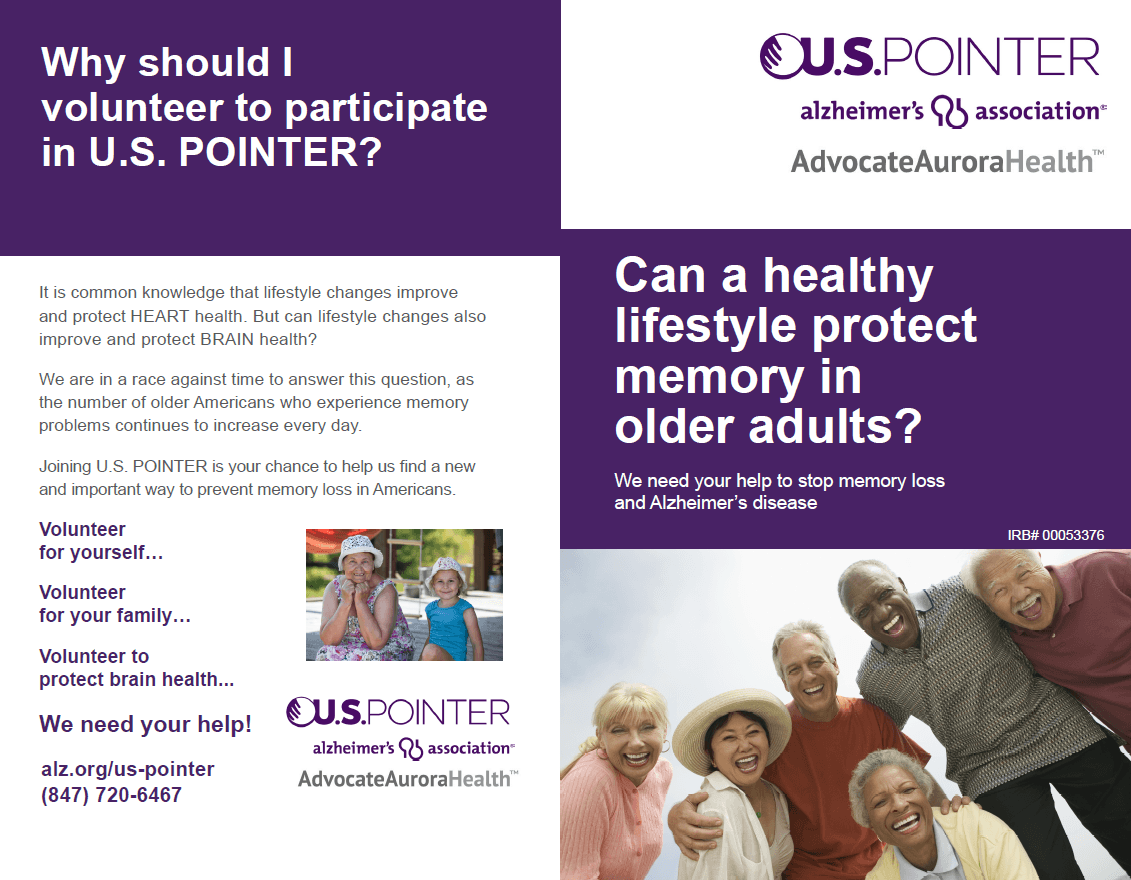
CISCRP’s Finding Treatments Together Brochure for LGBTQ+ Communities

Our Approach to Codeveloping an Educational Resource for the LGBTQ+ Community

When creating a brochure for diverse populations of people it’s important to consider an expansive definition of diversity that includes, but is not limited to, ethnic and racial identity. In this case, our intended audience included Lesbian, Gay, Bisexual, Transgender, Queer, Intersex, and Asexual people (LGBTQ+), in addition to all other sexual orientations, gender identities, and gender expressions. Given that sexual identity intersects with every other form of identity, we had to take particular care to ensure that the diverse perspectives of this community were represented in the brochure. In practice, that meant acknowledging and giving space for people to speak about the many identities they inhabit and how those other identities inform their LGBTQ+ experiences.

Our discussions with subject matter experts and members of the public from the LGBTQ+ community also showed us that it was most important to give members of this community the tools they needed to navigate clinical trials in a such way that gave them agency and outlined the initial steps for making change by participating in advocacy groups and as members of the public on ethics committees.

Once we incorporated feedback from the aforementioned SMEs and community members, we tested the brochure with a survey sent to 500 members of the LGBTQ+ community to ensure that the brochure was culturally competent, neutral, and informative. This process helped make sure the topics, language, images, and design are appropriate and engaging. We also received feedback on how effective our brochure was for raising awareness about the importance of LGBTQ+ participation in clinical research.

Key Insights We Learned About Including LGBTQ+ People in Clinical Research

Respondents emphasized that the onus for navigating clinical trials as a member of the LGBTQ+ should be shared: researchers must acknowledge that the determinants of health and the ability to participate in clinical research are multidimensional. For example, one’s lived experience, geographic location, ability to access health services and procedures are also important variables when considering how to make treatments safe and effective for everyone.

To that end, this brochure was created to raise awareness about clinical trials and to identify the barriers to inclusion, and the potential concerns members of the LGBTQ+ community may have with participation in clinical trials. To do this well, we had to consider how history, culture, and even current events may structure a group’s perception of clinical trials. Our initial research with SMEs and community advocates brought up historical wrongs, such as the US federal government’s hostility towards HIV/AIDS research, that have left enduring legacies of mistrust and suspicion towards clinical trials. However, the source of this mistrust isn’t confined to the past: many of our conversations with SMEs centered on current legislation at the state level that targets trans and non-binary people by denying them necessary medical care has likely had a chilling effect on their seeking medical care or clinical trials.

When we spoke about these issues to members of the LGBTQ+ community we received critical feedback that raising awareness was important but insufficient. In order to develop the most helpful version of this brochure, we were asked to highlight the ways in which the lack of action from researchers to be more inclusive negatively impacted access to care, willingness to participate, and the overall experience of participation for those who did partake. They advocated for switching the narrative from one that asked LGBTQ+ people to navigate the pitfalls of clinical trials, to one that also put the onus on researchers to accommodate their needs. Reviewers emphasized that this approach moved the onus of accommodation from participants to researchers.

Next Steps Towards LGBTQ+ Inclusion in Clinical Research

However, there is so much more work to be done. Collaborating with LGBTQ+ communities to raise awareness about representation and inclusion of LGBTQ+ people in clinical research must be an ongoing efforts in all spheres of the clinical research industry, as conditions are continuously changing. In practice, these efforts would include  outreach, awareness, and empowerment of the communities with education and resources to help them participate in their own advocacy.  In addition to empowering participants, researchers must initiate their own educations to ensure they are adopting more inclusive practices.

Testimonial

It gives me great pleasure to share my testimony on working with the Center for Information & Study on Clinical Research Participation (CISCRP) for a number of years; most recently on their LGBTQ+ brochure project, the development of which I had the incredible privilege of being a small part of. From its very inception, it was clear that this was not just ‘another brochure,’ but a meaningful step towards addressing the long-standing gaps in clinical trial participation and research among the LGBTQ+ community. The journey towards crafting CISCRP’s comprehensive and inclusive resource once again demonstrates not only their ongoing, deep commitment to highlighting the urgent need for further work to ensure genuine inclusion but also to further explore the unique challenges faced by some of the most under-resourced populations in the realm of clinical trials.

The development process, as is always the hallmark of the CISCRP team, was again marked by unwavering dedication, collaborative effort, and an unyielding commitment to authenticity. We had the pleasure and privilege of engaging with community members, medical professionals, and LGBTQ+ advocacy organizations to ensure that every aspect of the brochure resonated with the lived experiences of those for whom it was designed to serve.

This brochure is a tool – a catalyst for change – that has the potential to spark meaningful conversations, challenge preconceptions, and drive research policy reforms. I heartily commend the CISCRP team for recognizing the importance of inclusivity and continuing their critical work to dismantle stigmas, advocate for change, and ensure representation among all individuals at the table – and to empower communities to actively shape the future of clinical research. My journey in helping to develop the LGBTQ+ brochure for CISCRP has been an experience of profound learning, empathy, and hope, and one that reinforces the fact that progress is made through collaboration, compassion, and a relentless pursuit of equality.

This is an endeavor to celebrate, though we must remember that the path ahead is still quite long. I have every confidence that the CISCRP team’s dedication in ensuring every voice is heard, every story is valued, and every individual is embraced within the scientific arena will be resolute. I commend them on, and deeply appreciate, their quest for engaged representation and inclusivity in clinical trials for all. It is a true honor to work with this team and contribute to their meaningful efforts as THE leader in patient engagement, clinical research education, and clinical trial research and participation.

Heather C. Guidone, BCPA, Surgical Program Director  
The Center for Endometriosis Care

Medical Hero Spotlight: Brittany Foster, Pulmonary Hypertension Patient Advocate

Living with Pulmonary Hypertension

Brittany Foster may not appear to be struggling with a chronic condition upon first impression, however, she has been navigating a series of complex medical diagnoses for decades. At birth, doctors discovered Britt had a blockage in her intestines. She was rushed into emergency surgery, where it was quickly discovered she had also been born with a heart defect when she went into sudden cardiac arrest. At less than a year old, Britt was taking medication for heart failure and had a procedure to repair the hole in the bottom of her heart, called a ventricular septal defect. Soon after, she was diagnosed with pulmonary hypertension, a condition that forces her heart to work overtime to pump blood to her lungs.

Despite this diagnosis early on, Britt enjoyed a relatively normal childhood. She was very active, participating in nearly every sport with no issues. For years, the only evidence of her condition were the scars from her surgery as an infant.

Unfortunately, around the age of thirteen, Britt found herself struggling with shortness of breath while playing sports. Her cardiologist recommended she take a pulmonary function test, believing the symptom to be exercise-induced asthma. She was given inhalers and continued with daily life but soon found the inhalers weren’t fully effective.

“At that age, all I wanted to do was what my friends were doing. I loved playing sports, so I kept at it, despite my continued breathing difficulties,” Britt says.

Upon graduation, Britt began a career path in education as a teacher, a role that exemplified her passion for advocacy and helping others. “I wanted to advocate for the students who need resources, or who in some cases, did not have the ability to speak up for themselves,” Britt says. Four years into her career, Britt was managing an eighth-grade classroom when her condition began to impact her daily life again. “Many people don’t realize what a physically demanding job teaching is,” Britt reflects. “I was on my feet all day walking around the classroom and bending and crouching very often. One day I got incredibly lightheaded and ended up passing out in the classroom.”

Changing Directions: From Teaching to Rare Disease Advocacy
“Unfortunately, a big part of my story has been repeated mistreatment from medical professionals. As a young woman who physically appeared to be in good health, assumptions were made about me by doctors who weren’t interested in my prior history or symptoms,” Britt says.

After being rushed to the ER from her classroom, Britt’s doctors concluded she fainted due to dehydration despite her history of heart disease. They planned to send her home to rest with fluids, but Britt knew something else was wrong.

“I was lucky that right before being discharged, a nurse started asking more probing questions about what I had been doing right before fainting. We decided I should walk down the hallway with a heart monitor and oxygen sensor to evaluate,” Britt recalls. Within minutes, Britt’s oxygen levels had dropped rapidly, and doctors finally decided to admit her into the cardiac unit for further treatment.

Britt was released later from the hospital with an oxygen tank to assist her breathing and was told to adapt her life around her pulmonary hypertension. “I was only twenty-six years old,” Britt says. “The tanks were huge and difficult to get around with. I wasn’t given any resources on how to adapt my life, but I knew I wanted to get back into my classroom and start teaching again.”

Britt went back to teaching for several months and finished the school year but struggled with her oxygen tank throughout. Over the summer, she met with her doctors who strongly advised her to change career paths. Britt made the hardest decision of her life to retire from teaching. “I felt incredibly discouraged and depressed watching other teachers move on with a new school year, while I was sick in bed,” Britt recalls.

Finding Community & Support

During this time, Britt struggled with depression and anxiety. She turned to writing as an outlet, sharing her experience on social media, and eventually going on to write for a nonprofit organization that promotes mental health awareness. Soon after, she was hired as a columnist for BioNews to write about pulmonary hypertension. “From there I was able to start connecting with other patients, caregivers, and medical professionals, which helped build the sense of community and purpose that I had been missing,” Britt says.


In the years since, Britt most recently worked on the People & Culture team, a position that she loved. “I am grateful that BioNews truly values employees’ health and makes sure to accommodate our needs.”


Throughout her medical journey, Britt says her friends and family have been her biggest supporters. She encourages others with rare diseases to not be afraid to speak up about their experiences.

Continued Medical Treatement

Since her initial diagnosis, Britt has continued to undergo medical treatment, as doctors began to better understand her condition. At age twenty-nine, it was discovered the Britt was born with an anatomically misplaced aorta, in addition to the hole in her heart.

“My aorta branches off to the right, so all my arteries are opposite. I was in the hospital, sick and unable to keep food down. Doctors were trying to diagnose me with bulimia, until a GI specialist stepped in and found that because of my aorta, my arteries had formed a tight branch around my esophagus, making it painful to eat or drink,” Britt says.

Because of the long-term compression on her trachea and esophagus, Britt needed surgery to repair the damage. Unfortunately, this condition has caused permanent nerve damage, gastroparesis, and esophageal dysphasia. Since her surgery, Britt has become feeding-tube dependent to ensure she has adequate nutrition.

Advice for Patients

As someone who has navigated the healthcare system with a rare condition, Britt has learned valuable lessons along the way that she shares with others whenever she can.

Find a medical professional you can trust to advocate for your care.

“Rebuilding trust in medical professionals has been a challenge for me, but finding trusted doctors I can rely on has been a big help. I have an excellent relationship with my primary physician who leads my care and truly advocates for me,” Britt says.

Create a medical overview binder to share in emergencies and with new doctors.

Emergency rooms are fast paced and fast moving. When admitted, you may end up speaking with multiple doctors who haven’t spoken directly with each other about your condition. Britt recommends having one provider you trust assist you in building a document that includes all your medical diagnoses with explanations, any medications, or treatments you are currently taking, and the contact information and signature of that doctor. “I bring this folder any time I have to visit the ER and have the file stored on my phone to show staff as well,” Britt says. These documents can be helpful for treatment so that new doctors are aware of your baseline levels and other conditions.

Surround yourself with people who understand your condition and who support you.

“My medical condition has made my life and daily routine very inconsistent,” Britt says. “I never know when something will come up and I’ll need to cancel plans. Socializing takes a lot more planning now, which can be difficult.” If someone in your life is living with a chronic condition or a rare disease, Britt recommends becoming educated about their condition and learning to adjust expectations when it comes to socializing and other daily commitments.

Trust the timing of your life.

“Six years ago, I thought I had no future and I had lost a career I was passionate about because of my rare disease. Today, I have a supportive community of people who understand my experience and for that I am grateful.”

Additional Resources:

https://www.lung.org/lung-health-diseases/lung-disease-lookup/pulmonary-hypertension

To search for medical conditions in a specific location, visit our Search Clinical Trials page.

To stay informed about clinical trials, visit our Resources page.

For volunteer opportunities with CISCRP, visit our Volunteer page.

Written by Lindsey Elliott, Marketing & Communications Manager, CISCRP | lelliott@ciscrp.org

Medical Hero Spotlight: Katie Hill, Appendix Cancer Clinical Trial Participant

Diagnosed with Appendix Cancer

Like most patients diagnosed with appendix cancer, Katie Hill had no idea her body was battling a deadly disease. Her diagnosis story began in 2021, when she made the decision to undergo a partial hysterectomy after struggling for years with pain caused by fibroids. At the hospital, her care team provided her with consent forms to read through and sign off on before the procedure. These forms gave her doctors permission to make other decisions as medically necessary if needed, a standard practice during surgeries.

“Because of COVID-19, I went in for the procedure by myself, and when I woke up in my recovery room, my surgeon let me know that there was an unexpected discovery they had made while I was under,” Katie recalls.
Her doctors had noticed an unusual spot on her appendix and decided to remove it just to be safe. Katie was informed that the team had also found some excess tissue near the appendix and abdomen, which they thought might be from endometriosis. With her appendix and tissue sent to the pathology department for testing, Katie was released from the hospital to recover at home.

Two days later, Katie noticed an email from her patient portal about her test results.

“Assuming it was nothing, I opened the email and started reading the pathology report from testing my appendix and tissue,” Katie says. “It was from that email that I learned I had Stage 4 metastatic mucinous adenocarcinoma of the appendix.”
“I remember sitting in my living room in complete shock. I didn’t know what else to do but to start Googling my cancer. It felt like a lifetime, but it was only about 5 minutes of reading before my surgeon called, interrupting my research. I could tell immediately by his voice that there hadn’t been a mistake, that this was real. Before he could say anything, I cut him off and said, ‘I know.’”

That afternoon, her surgeon had been desperately trying to prevent the hospital’s patient portal system from releasing the pathology report to Katie so that she would not learn of her diagnosis in such a clinical and shocking way. On their phone call, Katie learned a team at the hospital had been in discussions all day about her rare cancer and were researching treatment options for her.

Finding a Treatment Plan

Some patients might pull back from researching their cancer, but Katie jokes that research has always been a part of her DNA. “I needed to understand everything I could about my cancer.” 

She started by finding online resources and support, through groups like the Appendix Cancer Pseudomyxoma Peritonei Research Foundation (ACPMP), and patient support groups on Facebook. On patient forums, Katie quickly learned that it is critical for appendix cancer patients to select a specialist at a high-volume cancer center, or someone who has treated hundreds of patients with this disease.

“It used to be said that the chances of getting appendix cancer was 1 in a million. Now it’s about 2.5 in a million, so there are still not many doctors who have a lot of experience treating it,” Katie shares.

Katie spent the next week going to consultations in her home state of Pennsylvania and traveling to several appointments in New York. Within 2 weeks, she had selected her cancer specialist at Memorial Sloane Kettering.

“Part of my selection process for a specialist included finding a high-volume cancer center. I wanted a surgeon who has seen at least 100 or more cases of this a year, and I was also interested in finding a cancer center that had clinical trials available,” Katie explains. “If I have a rare cancer and have the opportunity to participate in studies that further care for other patients, I feel a duty to help.” 

Katie began treatment with chemotherapy to shrink her tumors. Her next step involved a procedure called cytoreductive surgery (CRS), which involves scraping the cancer off and, in some instances, removing organs. 

“My cancer is unique because it’s not a solid tumor, which is how most people visualize cancer. My cancer is like a jelly that spreads out across my insides, making it hard to detect on scans and then to remove.”

Joining a Clinical Trial

For Katie, clinical trial participation was a major consideration in her treatment plan, and she was fortunate to qualify for the ICARuS study. “It’s standard practice for most surgeons to use a heated chemotherapy agent as a wash to kill cancer cells. The ICARuS study is a randomized trial comparing two different methods of administering chemotherapy,” Katie explains. The purpose of the trial is to determine if outcomes for patients are different when using different types of chemotherapy.

As a rare disease patient, Katie has also had the opportunity to enroll in an observational study, called the Genetics of Appendix Cancer, or GAP study. “Right now, many appendix cancer patients use the same treatments as colon cancer patients because there is very little awareness or funding for research for this disease,” Katie explains.

“Many surgeons who run into this disease have never seen it outside of medical textbooks and oftentimes will misdiagnose or begin treatment, which could be detrimental to patients. They assume they’re doing good, but don’t realize that this is a different disease that needs to be treated differently.”

Appendix cancer was previously not considered curable, but we now know that some patients are making it for long periods of time with no evidence of disease (NED). Katie is currently 18 months NED! She hopes to be one of the patients who goes for a long time with NED but shares that she will be happy to get a couple of years without recurrence. “Our industry is moving so quickly that there will be new treatment options waiting for me down the line, which I am thankful for.”

Katie the day she arrived home after surgery, completing her treatment journey.

A Career Rooted in Life Science Collaboration

Katie has spent the last 20 years of her career working in different roles at the Drug Information Association (DIA), an organization dedicated to improving outcomes for patients through industry collaboration. Most recently, as Senior Vice President and Managing Director of Learning and Digital Solutions, Katie oversaw the development of DIA’s Patient Engagement eLearning Program, which helps to train professionals on best practices for integrating the patient perspective into the full medicines lifecycle. 

Unlike others fighting cancer, Katie wasn’t hesitant about sharing her diagnosis with her colleagues who were all incredibly supportive during her treatment. “My diagnosis was just another affirmation that the work we do at DIA is important. My colleagues and I come to work every day because of patients like me living with diseases, waiting for breakthrough treatments,” Katie shares.

For others navigating a difficult diagnosis for themselves or a loved one, Katie emphasizes that there is no ‘right’ way to move through your medical journey. “Everyone has different experiences and setbacks when dealing with a disease. I tried to maintain a positive attitude throughout my treatment, but that might not work for everyone,” Katie explains.

To newly diagnosed patients, Katie compares their upcoming medical journey to riding a rollercoaster.

“Everyone who has been on a rollercoaster knows that the scariest part is the slow climb to the top. In healthcare, most patients experience this immediately after their diagnosis, when there is so much uncertainty, fear, and often waiting. Once you’ve established a plan and found your care team, your treatment begins, and things really speed up. I know that for me, it was scary, but I felt secure knowing I had a top-notch medical team by my side and that I was making progress,” Katie says.

Additional Resources:

https://acpmp.org/ 

View an overview of the ICARuS study here.

To search for medical conditions in a specific location, visit our Search Clinical Trials page.

To stay informed about clinical trials, visit our Resources page.

For volunteer opportunities with CISCRP, visit our Volunteer page.

Written by Lindsey Elliott, Marketing & Communications Manager, CISCRP | lelliott@ciscrp.org

The Importance of Transgender and Non-Binary Inclusion in Clinical Research

Recapping the webinar in collaboration with Clario

At CISCRP, we value the importance of engaging and informing the groups that are underrepresented in clinical trials. One of these underrepresented groups is the LGBTQ+ community. Earlier this year, we published an educational brochure as a part of our Finding Treatments Together series for the LGBTQ+ community. This brochure  features topics about why LGBTQ+ volunteers are needed and how they are protected, along with providing resources on where they can go to get more information and sign up for trials.

On June 27, 2023, CISCRP partnered with Clario to host a webinar called “Working Towards a More Inclusive Environment: Transgender & Non-Binary Participants in Clinical Research.” June is Pride Month in the United States, so we thought it appropriate to have an important discussion related to LGBTQ+ topics. With a similar goal in mind, Clario approached CISCRP with the idea for a webinar project to highlight the clinical trial and healthcare experiences of the transgender and non-binary communities. The LGBTQ+ community is vast and inclusive of different sexual orientation and gender expression groups, and each of these groups have their own unique sets of challenges they encounter. For this reason, it is important to engage with each of these groups to understand their experiences.

Jae Bailey (They/Them)

Liam Paschall (He/Him)

To better understand how best to engage with members of this community, we teamed up with 2 members of the transgender and non-binary community to facilitate the webinar. Our facilitators were Liam Paschall (he/him) and Jae Bailey (they/them). Liam is a transgender man who is a consultant and public speaker who advocates for the LGBTQ+ community in efforts to create a more inclusive environment in healthcare. Jae Bailey, a non-binary artist, model, and activist, works in the clinical field and is passionate about being a voice for the LGBTQ+ community, especially within the clinical field.

 “Including transgender and non-binary people in clinical trials is crucial for equitable healthcare,” Liam said. “By including trans and non-binary people, we can enhance the understanding of how treatments affect different populations, leading to more effective and tailored healthcare for all individuals. Participating in the recent CISCRP/Clario webinar was an empowering experience. It provided an opportunity to share personal insights and challenges faced by transgender and non-binary people, advocate for improved representation, and promote better healthcare outcomes. It was a chance to foster understanding, challenge biases, and contribute to positive change in clinical research and healthcare.”

Hearing firsthand from people who are subject matter experts in their lived experience helps bring about the changes that are needed. We at CISCRP were thrilled to collaborate with Clario to organize this webinar. “There is a huge difference between knowing and feeling,” said Rosie Woolley (she/they), LGBTQ+ ERG Co-Chair at Clario. “We know there is inequality. It’s why we and CISCRP do the incredibly important work we do. However, hearing the experience of a person undergoing medical treatment and how their gender identity was not recognized made it all real again. We get caught up in statistics but moments like this make these challenges human again. Hearing one of the speakers want to ‘leap from the [operating] table’ was incredibly emotive. It’s recognizing his fear, his doubt, and his pain. Vulnerable sessions like these are what inspire people to act. The whole presentation was an excellent tour of the topic; taking people from base understanding through to the impact in clinical trials and how they can help. I would deeply recommend.”

A few major takeaways from the webinar were the steps Liam and Jae listed on what we, as a society, can do to ensure fair and equitable treatment of transgender and non-binary people in healthcare and clinical research. These include:

  • A deliberate culture shift and goal setting, such as diversity, equity, and inclusion (DEI) training for all researchers and site staff.
  • Partnership and collaboration to include transgender and non-binary community members on advisory boards, or to make adjustments to protocols, ICFs, and data collection forms. This could be as simple as including “transgender man/woman” and “non-binary” as gender options on an intake form.
  • Outreach and community engagement to improve conversations and partnerships between industry and the communities.
  • Inclusive environments, which include the use of gender-neutral language, using chosen names and pronouns, and fostering a compassionate and nonjudgmental environment.

These are just a few examples of  ways to be more inclusive of transgender and non-binary people. However, there is much work to be done. It’s not only the responsibility of healthcare workers and researchers to take action, but we, as a society, can also take steps to create a more inclusive environment for these communities. Also, these 2 groups are just a portion of the greater LGBTQ+ community. We need to think of what we can do for other community members and how to foster a more inclusive environment for all. Our work doesn’t stop here; this is just the beginning.

Written by: Zarin Tasnim


For more actions and insights, watch the full webinar here. 

Medical Hero Spotlight: Scott Germain, PTSD Patient Advocate

Retiring from Military Service

Today, Scott Germain works at the United States Army Natick Soldier Systems Center as a government employee, a change of pace from his previous career in the Army as a sergeant major. Scott served for 25 years in the U.S. Military, including time spent as a member of a Special Missions Unit and as a Green Beret. Throughout the 1990s and early 2000s, Scott was deployed to many areas of conflict, including Bosnia, Haiti, Rwanda, Afghanistan, and Iraq.

In 2012, Scott officially retired from the Army and was evaluated by a Special Missions Unit psychologist before leaving. “I think the Army’s standards of disability are different,” Scott says.

Scott during his military service

“I was evaluated as only having anxiety from leaving. The psychologist saw my team very frequently while I was deployed, so underlying issues weren’t as apparent to her in the environment we were all living in.”

Scott’s wife Jeannine has worked for many years in her own career to support veterans and military families. She is currently a project manager at Project New Hope, an organization dedicated to providing services and programs to support veterans and their families. After Scott left the Army, Jeannine saw many common signs of Post Traumatic Stress Disorder (PTSD) in her husband, despite a lack of diagnosis from his doctors. 

Scott was eventually tested, and his disability rating given by the military skyrocketed to 100%. “Scott was shocked when doctors concluded his PTSD was moderate to severe,” Jeannine recalls. “Since he retired from the Army, I sensed he was struggling, but he didn’t recognize the signs in himself. The testing was very helpful for us.”

Beyond PTSD, Scott suffered multiple physical injuries in his career for which he was prescribed pain medications. After leaving the military, Scott joined a three-week program at the Mayo Clinic to be weaned off these pain prescriptions alongside other people who struggled with chronic pain and addiction. “My experience with pain medication was different from many others in that group,” Scott says. For many people living with chronic pain from diseases or injuries, simple tasks like getting out of bed can be a challenge. Scott had been deployed and working while coping with the pain from his injuries, so his biggest challenge was now learning to not depend on the drugs in his daily life and be comfortable with a certain threshold of pain.

Finding Treatment

After the Mayo Clinic, Scott and Jeannine began looking for resources to help treat his PTSD. They began at Home Base in Boston, a nonprofit that provides mental health counseling, physical therapy, and other resources for veterans. Scott met with a team of doctors there who discovered that during his career, Scott had experienced a Traumatic Brain Injury (TBI) with lingering symptoms that continued to impact his health. “There are many ways a TBI can manifest, but for me, I struggle with memory loss, balance issues, severe migraines, mood swings, and sleeplessness. My body had adjusted to some of these problems over time, so I wasn’t even aware I was compensating,” Scott says.


For the remainder of his time at Home Base, Scott attended the program with a large group of veterans in the area. The treatment involved a lot of group therapy with veterans who had wide ranging experiences. Scott found himself struggling to connect with others in the program who served for several years, not several decades like he had.

“To help reassure many of us living with PTSD, our doctors would try to reinforce the message that the world is a safe place, and we didn’t need to be hypervigilant, but that just didn’t resonate with me,” Scott reflects. “Even back home in the US, there are daily mass shootings in public spaces we go to everyday. It felt hypocritical to say everything is okay to a group of people who know from lived experience that it is not.”

A couple of years after finishing the Home Base program, Jeannine stumbled across a recommendation for The Marcus Institute for Brain Health, a program through the University of Colorado that specializes in treatment for traumatic brain injuries. Scott applied and was accepted for the three-week inpatient program. The process involved a lot of physical therapy to help treat injuries as well as build up Scott’s balance and motor skills, which were impaired from his TBI. The group also did activities like yoga, art therapy, and memory exercises. The treatment was very successful for Scott, who enjoyed the program and the specialized care he received. “I appreciated that the doctors didn’t treat us all the same. I was in a very small class of 3 people, but our cases and experiences were all handled differently, and plans were made specific to each patient,” Scott says.

Advocacy Work & Advice

Throughout Scott’s treatment for his PTSD and TBI, there have been many roadblocks and barriers that have made receiving treatment harder. Scott has had negative experiences with doctors who have spoken down to him and minimized his experiences. There have also been many instances where getting appointments has been a struggle. “The VA and many other treatment centers are only open during office hours. If you need help from them or want to go to a group session, it has to be during the workday. For me that’s unrealistic since I still work a full-time job,” Scott says. Another current issue facing the military community is the overall shortage of available doctors and therapists. “Many military spouses and family members need healthcare services and there are no available appointments,” Jeannine says.


Scott’s years of experience navigating the healthcare system have made him a strong advocate among the veteran community for those living with PTSD. “When I was serving, I didn’t know anything about PTSD or TBIs,” Scott recalls. “Having that knowledge ahead of time is incredibly helpful and could save someone a lot of time and struggle.”


Scott and Jeannine’s greatest piece of advice for someone living with PTSD is to become educated and to encourage their family and friends to learn more about the disease as well. Jeannine recalls spending a lot of time early on when Scott first joined the Army educating herself about PTSD so she could provide support and so their family could adapt their lives as needed. Having the understanding and support from spouses of military members and other loved ones is critical.


Scott would also advise anyone struggling with PTSD or with a mental health condition to consult with their doctors to find small changes that can benefit them. For Scott, drinking in moderation and driving during off-hours of traffic are small alterations that made a big difference in keeping him safe.

“Ultimately, when it comes to medication and treatment options, everyone should be their own advocate,” Scott says. “Make sure you ask any questions you have to your doctors before starting a new treatment and that you feel comfortable with the care you are receiving.”

Additional Resources:

https://www.clearpathne.org/

https://www.projectnewhopema.org/

https://medschool.cuanschutz.edu/mibh

https://homebase.org/


To search for medical conditions in a specific location, visit our Search Clinical Trials page.

To stay informed about clinical trials, visit our Resources page.

For volunteer opportunities with CISCRP, visit our Volunteer page.

Written by Lindsey Elliott, Marketing & Communications Manager, CISCRP | lelliott@ciscrp.org

Best Practices in Design for Clinical Trial Communications: The Mysterious Art of Typography

Typography in Clinical Trial Communications

Written by: Paul Hurd


CISCRP produces a wide range of patient-friendly materials, such as informed consent forms, brochures, and trial summaries. These communications provide important information to clinical trial participants or potential participants.

These documents are written in plain language and are graphically designed to be easily read and understood by a wide variety of people. Plain language strives to be easy to read, understand, and use. It avoids complex language and jargon. To aid in readability, formatting and typography play a large part in the design process.

To learn more about these document types and to see examples, click below:

Typography is the arrangement of type to make written language legible, readable, and appealing when displayed. This blog will focus on what makes typography work to achieve these goals. But first, some definitions.


Typeface vs. Font

Simply put, a typeface is a collection of fonts. A typeface defines a type’s general shape and design. Typefaces have names such as Arial, Helvetica, or Times New Roman. The font is the type size in points, weight (regular, bold), style (italic, condensed), and so forth of the typeface when it is used. But don’t worry if you can’t remember when to use the terms font or typeface. These days, people use the terms interchangeably.

In typography, bigger is better for creating legible text. Here at CISCRP, font sizes for paragraph text are generally 12 to 14 points. The bold font style is used to emphasize important information. Though an italic font may catch your eye, it is not used for emphasis because the slanted and distorted letterforms tend to inhibit legibility. ALL CAPITAL LETTERS ARE ALSO AVOIDED because they are difficult to read with their lack of ascenders and descenders. AND IT MAY SEEM LIKE YOU ARE YELLING.

Legibility is a result of the chosen typeface and font, its size, its spacing, and the contrast between text and background. It can also be affected by the layout of the text, such as the text orientation and length of lines.

Serif and Sans-Serif type

Serif typefaces have flared ends and corners. An example of a serif typeface is Times New Roman. Serifs are as old as written language and have been traced back to the Latin alphabet. Typefaces with no serifs are called sans-serifs. Arial is a sans-serif typeface. The earliest use of sans-serif type appears in printed media as early as 1805. In general, it is best to use a sans-serif typeface, especially in paragraph text. Studies have shown that sans-serif type aids legibility among people who are dyslexic.1,2


Is it pronounced leading, or leading?

Leading (“Leh-ding”) is the space between lines of text in a paragraph. The term comes from the early days when type was made of little blocks of metal. Leading (actual slivers of lead) was used to space the lines of words and letters from each other on the page before it was printed.

Normally, leading is set at 1.2 times the type size. So, a paragraph of 12-point type size would have each line spaced 14.4 points from each other, depending on the size of the type and letterform characteristics. Confusing? Yes, but you don’t have to remember that, either. Document and page layout programs already do that calculation for you.

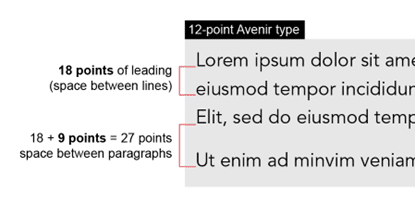
What you should know is that for increased legibility, leading should be set higher than 1.2 times the type size. There is a “sweet spot” where the leading size increases readability and comprehension. This is especially important for people with dyslexia. Paragraphs with a leading size too small may look like a solid block. Too large a leading size and the readers’ eyes jump from one line to another and have trouble finding the next line. Again, this amount of leading varies by type size and what the letterform looks like. How much leading is just right? That is part of the “mysterious art of graphic design.” Not really. Experts recommend a leading of 1.5 times (150%) of the type size. For instance, a 12-point type size would have a leading space of 18 points. See the figure below for how this would look using the Avenir typeface.

Spacing between paragraphs is another important design consideration. Space between paragraphs is just as it sounds. It is white space, sometimes called a “carriage return,” between paragraphs. How do you know what size space should be used between paragraphs? A good rule to follow is that the space between paragraphs should be a little less than 2 times the leading. For instance, in the figure above, paragraphs of Avenir 12-point type would be spaced an additional 9 points from each other. Think of the measurement as 27 points of leading between paragraphs.

Here are some other considerations for readability in lines of text:

  • Do not break words from one line of text to another (hyphenating)
  • Keep numbers on the same line as the thing they describe (i.e., 13 participants, 3 weeks)
  • Whenever possible, keep the character count per line to 50–60, including spaces.

Type size, leading, and spacing between paragraphs is calculated to make use of white space or “negative space”. Why white space is important and how it aids in legibility will be explored in a future post.

In conclusion, when it comes to readability, the care you take with typography in a document can be just as important to plain language as the actual words.

Along with our plain language expertise, the legibility and accessibility of our printed and online educational and patient-facing materials are designed with the goal of improving participants’ experience in all stages of clinical research.

References

  1. https://dyslexiahelp.umich.edu/sites/default/files/good_fonts_for_dyslexia_study.pdf
  2. https://www.ncbi.nlm.nih.gov/pmc/articles/PMC5977080/

Medical Hero Spotlight: Ella Balasa, Cystic Fibrosis Advocate & Patient Engagement Consultant

Growing Up with Cystic Fibrosis

Ella Balasa was diagnosed with cystic fibrosis (CF) at only 18 months old, after suffering from constant sinus infections, upper respiratory infections, and a bout of pneumonia. One of three siblings, Ella jokes she won the ‘genetic lottery’, since she is the only one with CF in her family. Despite this, Ella had a relatively normal childhood.

“I spent a lot of time in the hospital being treated for lung infections when I was growing up,” Ella recalls. “My daily treatments and medical care made me feel different from the other kids my age, which was difficult.” Cystic fibrosis affects not only the lungs, but also the pancreas’s production of enzymes, which are needed for digestion. While in school, Ella would visit the nurse’s office daily before lunch to take her enzyme pills before eating.

In college, Ella chose to study biology and ended up working in a laboratory after graduation.

“It was in this role that I first realized my own experiences as a patient could help bridge the gap between research and patient communities,” Ella says.

At the time, her team was studying antibiotic resistance, something Ella had personally dealt with in her own medical journey. “I’ve had to use antibiotics frequently to treat lung infections, which over time means that my body has developed a resistance to them. There have been points in my life where treatments wouldn’t work for me because of this. It was interesting having this connection between my own life and the research we were working on,” Ella recalls.

Amplifying the Patient Voice in Research

Inspired by this connection, Ella started volunteering with the Cystic Fibrosis Foundation and joined several advisory committees. She was able to use her degree and experience to review study protocols and provide input about what the priorities and needs of patients are when developing new research studies.


It was through this early work with the Cystic Fibrosis Foundation and other groups that Ella began developing a more professional patient voice. Her connections led her to start working with larger industry groups to help develop patient-friendly communications about upcoming clinical trials and new treatments. Since 2020, Ella has committed herself to working full-time as a patient engagement consultant.

“My goal is to lend the patient voice into developing better treatments and services,” Ella says.

Since then, Ella has grown her industry connections by speaking on panels, at conferences, and by attending other events. She began branching beyond CF consultation, ensuring the patient perspective is represented within research for other rare diseases. Now, Ella works with industry professionals to identify and meet the needs of many different patient communities.

Phage Therapy & Clinical Research

Around the time she began getting involved in advocacy, Ella was invited to be a part of a documentary about CF where she met another patient who was receiving an experimental treatment called Phage therapy. “This was an alternative to the antibiotics I had become resistant to, so I was very interested in trying it,” Ella recalls. The next day, she contacted the research team at Yale directly and was approved to begin the medication.


The treatment was incredibly successful for Ella, which inspired her to write an article for Huffington Post about her personal experience with CF, antibiotic resistance, and seeking alternative treatments. “I was really excited to bring more exposure to the topic of antibiotic resistance because it is common for people with chronic conditions and isn’t talked about often,” Ella says.


Since her treatment in 2019, there has been a lot of advancement in the field of PHAGE therapy, with clinical trials now available and more research being explored.

Ella is a proponent of clinical trials, explaining, “The best way to bring new treatments to communities is by participating in the necessary research. As a patient, it’s a commitment that needs to be decided carefully, but if you do choose to participate, you become a piece of the larger puzzle that leads to new medications, therapies, and even cures. Patients can and should be involved in the decision-making process and outcomes of new treatments.”

Unfortunately, Ella is not eligible for most CF clinical trials because her lung function is below 40%, one of the most common general exclusion criteria used in research. “I believe it’s important to develop adaptive trial endpoints and protocol designs to make clinical research more inclusive to a broader population of patients,” Ella says. “Everyone wants new treatments, but the eligibility criteria often exclude the patients who need new treatments the most.”

Connecting Patients & Industry
“Empathy must be the root of all healthcare interactions. For there to be meaningful communication between larger pharmaceutical companies and the patients they are serving, there needs to be a desire to understand the needs of patients and the barriers they may be facing in their daily lives. Real patient care happens along the way, when industry provides support and interest in patients outside of their experiences taking a new medication,” Ella says.

A large part of Ella’s role as a patient engagement consultant is making sure patients are brought into the conversation early on, beginning with trial protocol development, all the way to the post-study dissemination of information.

“I view healthcare as a loop. As patients, we are one group that contributes to improving healthcare, but it can’t be done without the physicians and researchers, and industry organizations. They are our partners in advancing treatments,” Ella shares.
Advice For Aspiring Advocates

One of the most rewarding parts of Ella’s work has been the relationships she has been able to foster with other advocates. “I’ve seen the work that others are doing, and it inspires me to get even more involved,” Ella says. “The drive and passion that stems from all these individuals is amazing.”


If you’re interested in getting more involved within a patient community or becoming an advocate, Ella advises to start by sharing your story. “When you’re not afraid to share your story and ask questions, doors will open for you. Don’t be afraid to reach out and make those connections. I’ve reached out online to many organizations to share my ideas and volunteer for opportunities, and I’m so glad that I have.”

Additional Resources:

www.cff.org

To search for medical conditions in a specific location, visit our Search Clinical Trials page.

To stay informed about clinical trials, visit our Resources page.

For volunteer opportunities with CISCRP, visit our Volunteer page.

Written by Lindsey Elliott, Marketing & Communications Manager, CISCRP | lelliott@ciscrp.org

Why Diversity in Clinical Trials Matters – May 2023 Patient Diversity Campaign

Article from our 2023 May Patient Diversity Campaign

Clinical trials are a critical part of the research process for new medicines and vaccines. The information gained is fundamental to the development of new ways to help treat and prevent disease. Evidence has shown that some drugs and vaccines show variations in the response to some individuals depending on their racial or genetic background. For this reason, it is important that volunteer participants of clinical trials appropriately reflect the people that the investigational medicine or vaccine is intending to treat.

Our company, Merck, and many others, are working to ensure that volunteer participants from diverse backgrounds are included in clinical trials. Why is this so important? Age, gender, weight, race, or ethnicity might change how individuals respond to a treatment. By including people with varied traits and characteristics, research can provide important information to understand how treatments work in a diverse population.

There are many reasons why people volunteer for clinical trials – and many reasons they choose not to. In the United States, past medical mistreatment made some people distrust science and medicine. Financial or travel issues can also make it hard for people to join research trials. Too often, all those worries combined prevent people from volunteering.

That’s why we’re trying to make it easier for all volunteer participants.

The importance of diversity in cancer research

Diversity in clinical research is especially important in cancer research because the impact of cancer can be very different among diverse groups of people. For example, the American Cancer Society says prostate cancer is increasing. It also is 70% more common among Black men than White men in the United States. It’s important then that Black men are also a big part of research into the disease and the evaluation of investigational treatments.

Improving diversity in trials by reaching people in underrepresented communities

We need to do a better job engaging people in underrepresented communities and help them understand what participation in a clinical trial involves. Then we need to help those with challenges, like being too far from a trial or having financial concerns.

Partnerships with local organizations – groups who know their people best — can help. We’re also running our trials in more areas. Last year, about half of our clinical trial locations were placed in areas where underrepresented groups live to meet them where they are.

We recognize that there are things we can do to improve the clinical trial experience for volunteer participants, such as providing travel to and from clinical sites for their study appointments.

We know people often feel more comfortable with doctors and medical professionals who look like them too. So, we’re working to improve the diversity of clinical researchers. Plus, we’re creating tools to help health care professionals engage their patients about participating in trials.

We’re training more people to help volunteer participants through the clinical trial process called Patient Navigators. Patient Navigators can work with patients and medical staff as a go-between. We’re also looking at how to run trials so that some aspects may be easier for volunteer participants, like using telemedicine.

Working together to improve clinical research

We have a lot more to do, but we’re seeing progress. In 2022, we enrolled about 50 percent more diverse volunteer participants in our trials. It’s positive momentum we are working hard to grow, to make sure clinical research is an option for everyone.

You can help. Be open to learning more about clinical trials. Every trial has risks and benefits, and participation is completely optional and voluntary. You can stop at any time. Volunteer participants get to be active in their health and help advance medical research for everyone.

Authored by: Adrelia Allen, Senior Director, Clinical Trial Patient Diversity, Merck Research

Learn about Diversity in Clinical Research

Learn why diversity matters, how the clinical research process works, and gain information for specific communities.

Medical Hero Spotlight: Dee Burlile, Scleroderma Clinical Trial Participant & Patient Advocate

Living with Scleroderma

For years, Dee Burlile struggled with various GI symptoms, joint issues, and sensitivity to cold and heat in her hands, unsure of what the cause could be. A busy mother of three young children, Dee’s health took a dramatic decline the day before Thanksgiving in 2011 when her youngest child found her having a seizure in their home and called 911. Her children’s quick thinking saved Dee from cardiac arrest, and she was stabilized in the hospital where she remained for treatment.

“I was incredibly sick, losing about 40 pounds in two months,” Dee recalls.

After leaving the hospital, Dee needed at-home nursing care to help manage her declining health. Living in Idaho with her family, Dee struggled to find a specialist who could diagnose her condition, eventually going out of state for her healthcare. In 2016, Dee made a trip to the Mayo Clinic in Minnesota where she was finally diagnosed with systemic sclerosis. Systemic sclerosis or “Scleroderma” is a chronic and often progressive autoimmune disease that affects connective tissue and can cause serious damage to internal organs including the lungs, heart, kidneys, esophagus, and gastrointestinal tract.

The symptoms of scleroderma can vary from person to person. For many, scleroderma causes noticeable tightening of the skin. Unfortunately, Dee’s scleroderma was causing significant damage internally to her organs. Since the beginning of her medical journey, Dee has undergone 21 surgeries, including bilateral rib removals, and four organs removed, including a colectomy to remove her colon. While some of her regular treatments have been in Idaho, Dee has had to travel for most of her surgeries and specialized scleroderma medical care, incurring financial costs.

“It’s been quite the journey not just for me, but for my entire family,” Dee says. “As a mother, there is a feeling of guilt that I can’t shield my kids from the reality of my illness. When someone in a family, especially a parent, is struggling with a disease, it can take a toll on the mental health of everyone, especially kids. They’ve seen me struggle with insurance company denials, delays in medication, and that ultimately affects all of us.”

Dee’s husband is a veteran living with his own disability. The couple work to fill in gaps for each other as best as they can, but Dee admits that the constant work needed to maintain their health, financials, and keep up with other responsibilities can be daunting at times.

Advocacy Work & Clinical Trial Participation

Since her diagnosis, Dee has connected with dozens of other patients living with scleroderma. In 2016, Dee attended her first patient education conference, where the experience sparked her interest in pursuing advocacy full-time.

“Sometimes I feel resentful for my disease because it keeps me from working. I graduated with full honors and worked as a victim witness advocate. Not being able to do that feels like a waste, and so if increasing awareness and being an advocate for scleroderma is what I can do, I will,” Dee says.

Over the years, Dee has participated in advocacy training, and gotten involved with groups like the National Scleroderma Foundation, Idaho Arthritis Walk, Arthritis Foundation, Trevor’s Trek Foundation, and Patients Rising. She has participated for several years in Advocacy Awareness Day on Capitol Hill to raise awareness with elected officials regarding health insurance, chronic illness, and scleroderma. Dee has also participated in clinical research which she believes is critical for finding medical advancements for scleroderma. In the past, she has been in several studies aimed at combatting fatigue, ILD (Interstitial Lung Disease), and other symptoms of scleroderma and has also submitted genetic data for testing. Currently, Dee is in a trial for a new medication that is going very well for her.

Despite her success with clinical research, Dee notes that over the years, only two of her doctors in the state of Idaho have shared information about clinical trials. Other research to find trials was done by Dee independently, which she explains can be difficult and overwhelming for a patient.

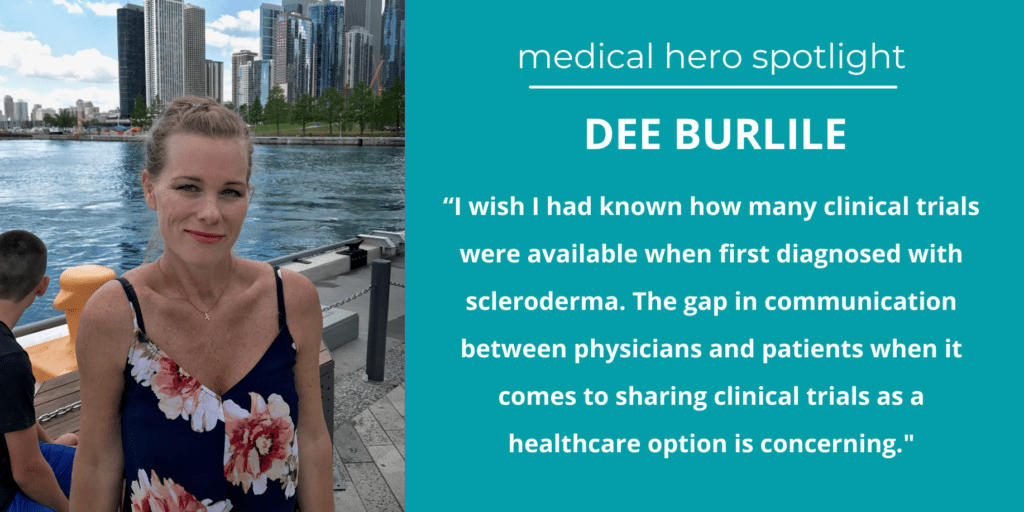
“I wish I had known how many clinical trials were available. I think there is a major gap in communication between physicians and patients when it comes to sharing clinical trials as a healthcare option, and it’s concerning,” Dee reflects.

Dee’s advice to someone interested in clinical research is to weigh the risks and benefits, fully understand what you are committing to, and participate only if it makes the most sense for you.

Waiting Room Entertainment

Through her advocacy work, Dee met Amy Gietzen and Demi Montgomery, other women living with scleroderma who are passionate advocates and want to make a difference in their patient community. Since then, they’ve gone on to work on various projects together, including the creation of The Waiting Room Entertainment. “We’d like to bring resources and knowledge to scleroderma patients and other patients living with chronic conditions who are trying to find out more about clinical trials, or just need a community to support them. We’ve created a social club where patients can meet and connect,” Dee explains.

Looking Ahead

Although living with scleroderma has been difficult, Dee feels incredibly lucky to have the support of her family and friends. Her community and her new connections made through advocacy work have helped lighten the burden of living with her disease and given her hope for a future with new medical advancements. “I try to be positive with my kids about my disease and my differences physically like my ostomy bag,” Dee says. “After my surgery, my daughter who wanted to understand what I was going through, made her own ostomy bag and wore it for a day. I was floored by her empathy and thoughtfulness.”

Additional Resources:

https://www.youtube.com/@thewaitingroomentertainment
https://scleroderma.org/
https://idahoarthritiswalk.com
https://arthritisfoundation.org
https://www.patientsrising.org/
https://trevorstrek.org
To search for medical conditions in a specific location, visit our Search Clinical Trials page.

To stay informed about clinical trials, visit our Resources page.

For volunteer opportunities with CISCRP, visit our Volunteer page.

Written by Lindsey Elliott, Marketing & Communications Manager, CISCRP | lelliott@ciscrp.org

The Importance of Patient Engagement and its Role in Clinical Trials

Life is full of decisions. From the moment we wake up until the moment we go to bed, we make decisions. About what we wear, what we eat, the next show to binge.

What about the decisions we make about our health? Do we make the decision to exercise regularly? Do we decide to drink water instead of another cup of coffee? Making informed decisions when it comes to our healthcare can be overwhelming, which is why patient engagement is so important. Studies have shown that when patients are more actively involved in their healthcare, they experience better health outcomes.

Patient engagement relies on the interaction between healthcare providers, caregivers, and patients to make good healthcare decisions on behalf of the patient. Ultimately, it’s up to the patient to take this information and make an informed decision about their care. An informed decision involves the patient taking all the information related to their care, weighing the benefits and risks, and making the best choice for themselves. But how do patients cut through the medical jargon to understand what’s being said?

This is where plain language (sometimes called “lay language”) comes in. Lay language is a way to communicate with patients in a way they can understand so they can make informed decisions about what’s best for themselves and their families.

Perhaps one of the most important informed decisions a person can make about their health is whether or not to participate in a clinical trial. With a growing demand for participants to enroll in clinical trials, the need for patient engagement—and more importantly, plain language—comes into play.

Coupled with patient engagement is a growing demand for plain language materials that help readers understand the importance of making informed healthcare decisions. CISCRP is a clinical research education company dedicated to producing high quality plain language patient engagement materials aimed at helping participants make informed decisions on their health.

Offering a wide variety of services, from trial results summaries to a range of educational brochures, CISCRP leads the charge in effective, easy-to-understand patient engagement materials. While many sponsors understand and believe in the importance of patient engagement—more specifically, providing trial results. A 2019 perceptions and insight study found that 61% of participants did not receive any reports on the results of their trial. Partnering with sponsors, and under guidance from the EU CTR, CISCRP has been able to provide thousands of plain language summaries of trial results for over 15 years, giving back to participants the results of their trial in language they can understand. These summaries are a critical aspect of helping patients take an active role in their healthcare. By helping them understand the trial they participated in and its outcome, participants are empowered to make better decisions going forward.

CISCRP is a committed leader of empowering participants to make informed decisions about their health. Learn more about CISCRP’s mission and services here.

Written by: Jacqueline Ruzicka

References:

“Health Policy Brief: Patient Engagement,” Health Affairs, February 14, 2013.

“Why Patient Engagement Is Important In Healthcare,” Sequence Health, April 7, 2020.

The Center for Information and Study on Clinical Research Participation. ciscrp.org

“CISCRP’S 2019 Perceptions and Insights Study.” CISCRP, 30 Sept. 2019, www.ciscrp.org/ciscrps-2019-perceptions-and-insights-study/. Accessed 5 Apr. 2023.